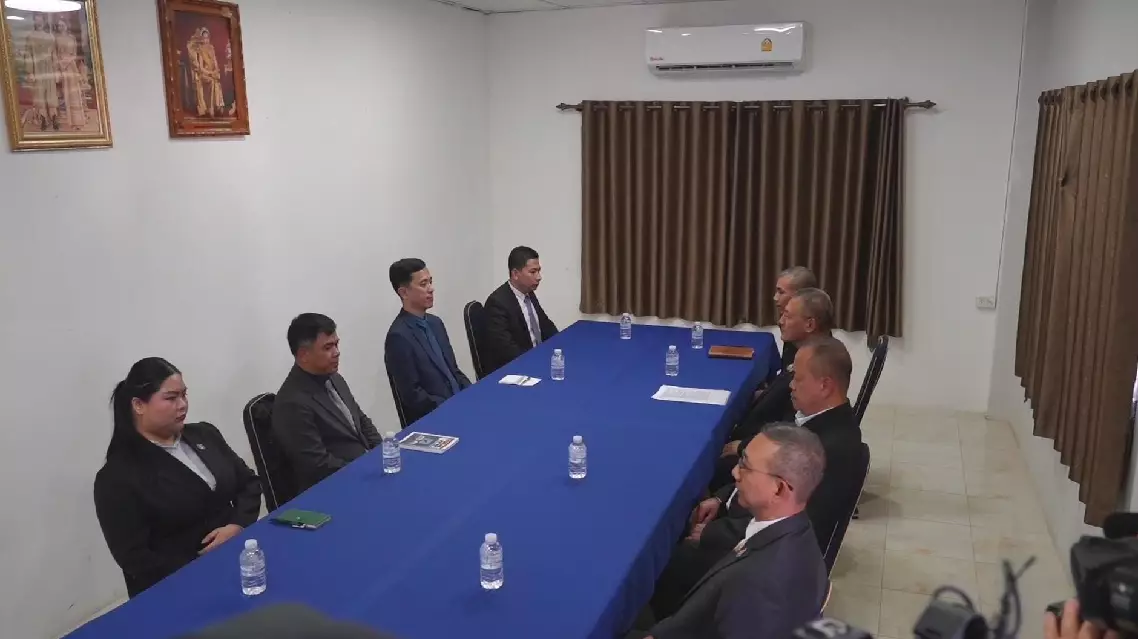
Military delegations from Thailand and Cambodia convened a preliminary meeting at a Thai border area on Wednesday to prepare for formal ceasefire talks, as cross-border hostilities continued and both sides reported mounting civilian casualties.
The session, held at the Thai side of the border in Chanthaburi province, was a secretariat-level meeting of the General Border Committee (GBC). The Cambodian delegation arrived at the Ban Phak Kat checkpoint around 16:25 local time for a half-hour discussion aimed at setting the agenda for a full-delegation meeting scheduled for Thursday.
Thai Defense Ministry Spokesman Surasant Kongsiri said earlier on Wednesday that the secretariat-level meeting would take place from Wednesday to Friday.
If these preliminary discussions proceed smoothly, the talks will be followed by a meeting between the defense ministers of both nations on Saturday, the spokesman told a press briefing.
The diplomatic efforts unfolded against a backdrop of intensified conflict between the two neighboring Southeast Asian countries.
Cambodia's Minister of Information Neth Pheaktra said in a social media post on Wednesday night that Thai military actions have resulted in the deaths of 30 Cambodian civilians, with 87 others injured so far.
On the same day, the Thai military reported its own losses of 23 soldiers and 42 civilians, while also confirming airstrikes on targets it described as Cambodian military bases.
A key point of contention emerged as Cambodia accused Thailand of using cluster munitions in civilian areas, an allegation Thai officials denied, stating the weapons were used strictly against military targets, and noting that neither country is bound by the international convention banning such munitions.
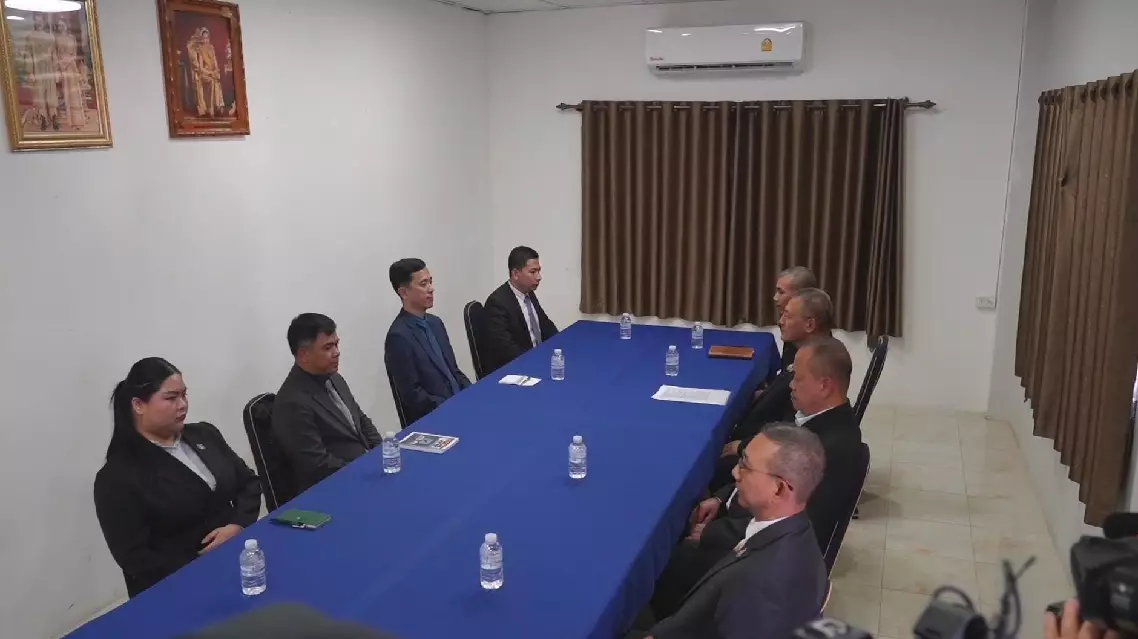
Thailand, Cambodia hold preliminary talks amid ongoing border conflict
Thailand, Cambodia hold preliminary talks amid ongoing border conflict
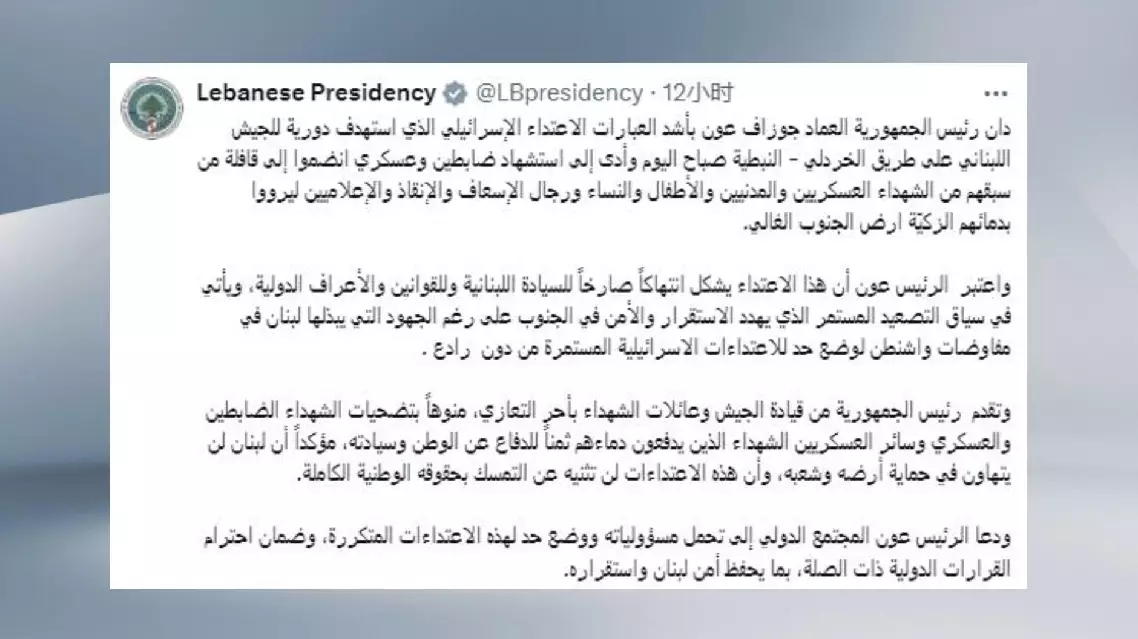
Lebanese President Joseph Aoun on Saturday strongly condemned an Israeli attack on a Lebanese Army patrol that killed two officers and one soldier.
Condemning the attack on the Khardali-Nabatieh road earlier in the day as a flagrant violation of Lebanon's sovereignty and international laws and norms, Aoun said in a statement that the strike was part of Israel's ongoing escalation, which threatens stability and security in southern Lebanon, despite Beirut's efforts in Washington negotiations to end the ongoing Israeli attacks.
Aoun said the fallen servicemen had joined a long list of military and civilian victims, including children, women, paramedics, rescue workers, and journalists killed in Israeli attacks.
He extended his condolences to the Lebanese Army command and the families of the victims, praising the sacrifices of the officers, soldiers, and other military personnel who had given their lives in defense of the country and its sovereignty.
He stressed that Lebanon would not waver in protecting its land and people. Such attacks, he added, would not deter the country from upholding its full national rights.
Aoun also called on the international community to assume its responsibilities, put an end to the repeated attacks, and ensure respect for relevant international resolutions to preserve Lebanon's security and stability.
On the same day, the Israel Defense Forces (IDF) issued a statement confirming the attack and said it had launched an investigation into the incident.
According to the statement, the IDF spotted a vehicle "moving suspiciously" across an "active combat zone" in the Tebnit area of southern Lebanon on Saturday.
The IDF said it had previously received intelligence indicating that Hezbollah militants would open fire on Israeli troops from that area. Citing this intelligence and asserting that the vehicle posed a "threat to Israeli soldiers", the military carried out the strike.
Lebanese president slams Israeli attack killing 3 servicemen