A combination of fuel shortages, suspended international flights, and mounting U.S. pressures has led to a sharp decline in tourism in Cuba during the first quarter of 2026.
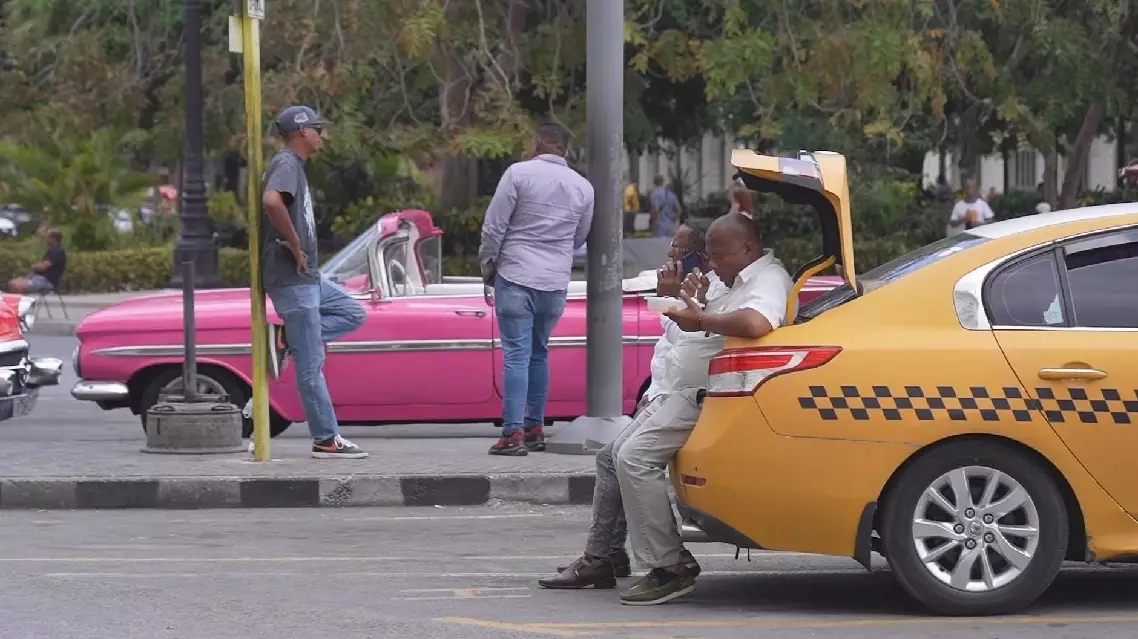
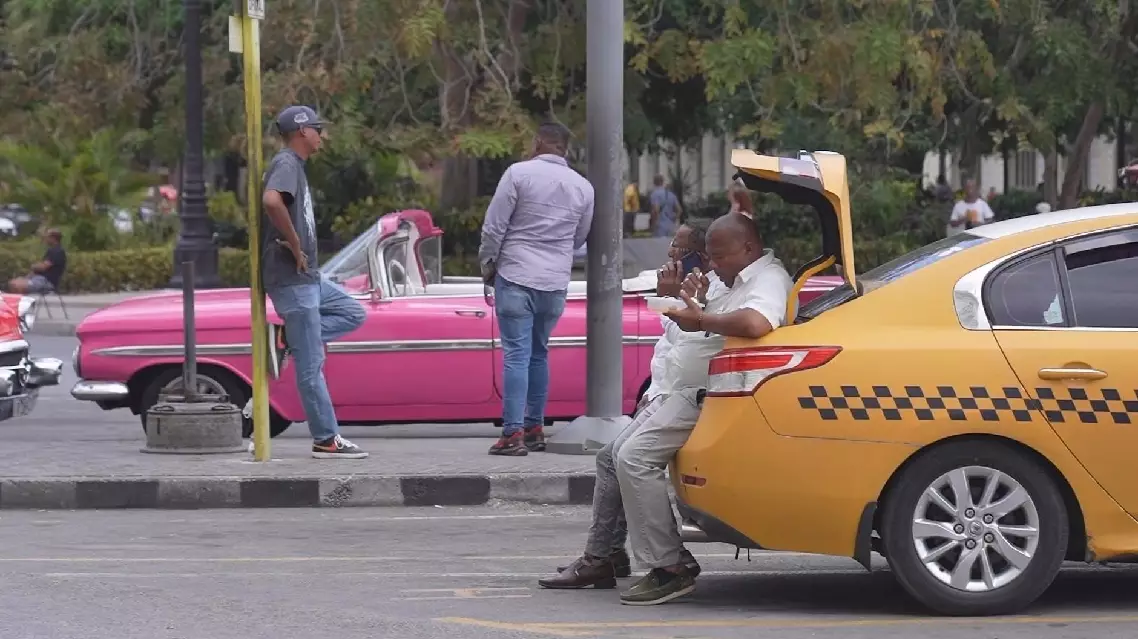
In Central Park in Havana, once a hotspot for tourists eager to ride in the city's iconic vintage cars, drivers now wait idly for customers who rarely come.
"I am waiting for clients here to take them for a ride and hang out in the city. It is not like before. Tourism has dropped a lot under the current situation," one driver said.
The country's fuel crisis, driven by external sanctions led by the U.S. government, falling imports, and financial constraints, has sharply reduced supplies of gasoline, diesel, and other petroleum products in the past three months, affecting transport, electricity, and tourism, one of Cuba's key sources of foreign currency.
To address the fuel shortage, the Cuban government introduced an app named "ticket" to make refuel appointments, but the endless waiting line in the app hints at a sustained energy crisis.
"It is extremely difficult to get fuel. This whole app thing, and the long lines: these virtual lines of thousands of people. When it is finally your turn, you are limited to 20 liters. And when you get to the workplace after refueling, you look around, and there are no tourists," said another vintage car driver named Eduardo Cedeno.
In February, Cuba received fewer than 80,000 international tourists, levels comparable to those during the COVID-19 pandemic. And the impact is rippling through livelihoods.
"Personally speaking, I am about to lose my job. I am about to be forced to change professions, because without tourism, there is no income. We are self-employed, which means we have to make a living on our own. If we can not, we have to find another way out. In fact, some people are already out of this job for this very reason: fuel. Cars that consume too much fuel because they have old mechanics are not profitable," Cedeno added.
The decline is also visible in Old Havana, a UNESCO World Heritage site that used to attract floods of tourists year-round. In squares like Plaza de Armas, Plaza de San Francisco, and Plaza de la Catedral, many restaurants set up outdoor tables for tourists to enjoy the old colonial atmosphere, yet they are seeing far fewer customers recently.
"Cuba is facing serious energy and economic crises, which have sharply reduced the number of tourists. We heavily depend on international tourism. With many international flights suspended, even our regular customers who work for airlines cannot visit. With fewer international flights, fuel shortages, and all kinds of difficulties brought by the ongoing crisis, consumer flow has dropped sharply," said restaurant manager Yudexi Mendoza.
Souvenir vendors are facing similar challenges. Ivette Cortina, whose family has run a handicrafts stall for two decades, said she is now seeing days without a single sale, something she had never experienced before.
"You can talk to my colleagues. I can sell my products at other times, but now I make only one deal per day, two at most. But, for example, I already had two days of zero sales this month. Nothing was sold yesterday, and on another day last week. That has never happened to me for years," said Cortina, who is also a member of the Cuban Association of Artisan Artists.
As one of the country's economic mainstays, tourism's downturn is weighing heavily on ordinary Cubans, underscoring the broader strain on local livelihoods.
Cuba’s tourism plummets under U.S. energy blockade
Cuba’s tourism plummets under U.S. energy blockade