Iran declared itself the victor in its month-long conflict with the United States and Israel, with a top government spokeswoman asserting that "none of their goals was achieved" despite the huge cost of the strikes.
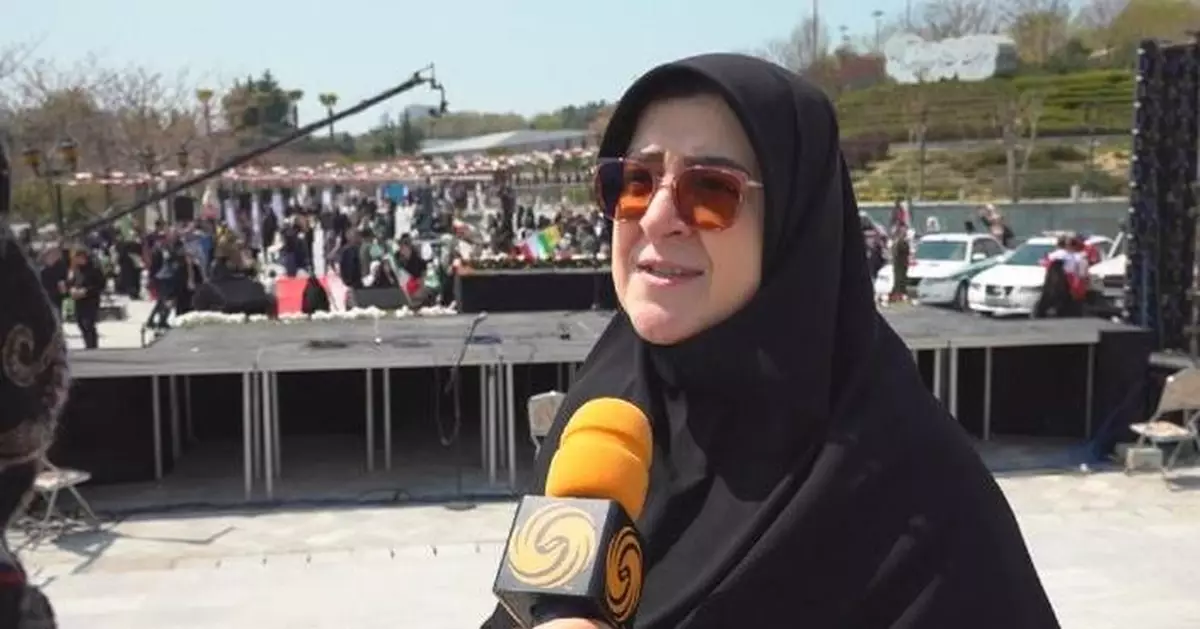
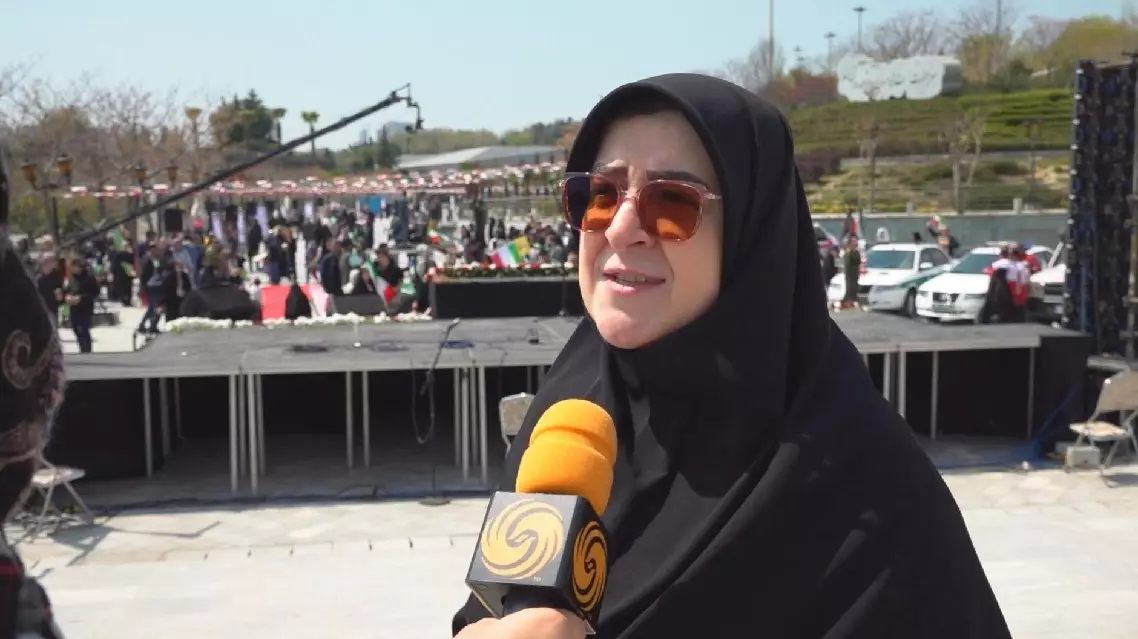
Iranian government spokeswoman Fatemeh Mohajerani said the above on April 1 during an event marking the anniversary of the establishment of the Islamic Republic of Iran.
On Feb. 28, Israel and the United States launched joint attacks on Tehran and several other Iranian cities, killing Iran's former Supreme Leader Ali Khamenei, along with senior military commanders and civilians. Iran responded by launching waves of missile and drone strikes targeting Israel and U.S. bases and assets in the Middle East.
Reports earlier this week pointed to potential U.S.-Iran talks to end hostilities, yet no substantive progress has emerged.
Speaking during the anniversary, Mohajerani recounted what happened to her country in the past month with mixed feelings.
"It is a combination of feelings. On one hand, I am proud that our men are fighting on the battlefield while women are gathering in the streets every night. As you can see, over the past 30 days or so, not a single night has passed without the people remaining in the square. So yes, I am proud. But on the other hand, there is a sense of sorrow because we have lost our loved ones. In Minab, we lost 168 people, and in Lamerd, we lost 21 athletes. We have witnessed attacks on the pharmaceutical industry and on economic infrastructure such as the steel company. But most importantly, Iran remains standing," said Mohajerani.
When asked whether peace or victory matters more for Iran now, the spokeswoman said that protecting the country's interests is paramount.
"For Iran, the most important thing is to protect the nation's interests. National interests can be achieved through resistance, peace, or war. For us, safeguarding the country's interests is paramount," said Mohajerani.
From Mohajerani's perspective, the United States and Israel launched the strikes to disintegrate Iran, but they failed. While they attempted to incite Iranians to overthrow their government, the people instead stood by the government.
Iran has claimed the victory, Mohajerani said.
"We have already won. We have won right now. Look, of all the goals they set out to achieve when this war began, which one has been accomplished? They wanted to overthrow this regime -- in what way do you see that this regime has been overthrown? They wanted to dismember Iran, but our country remains intact and unified. They wanted to incite the people to oppose the authorities' rule, but our people stood up in support of the authorities. None of their goals was achieved. It is we who won this war, because we struck the targets we originally intended to strike. And if the enemy continues, we will continue too," she said.
Iran remains standing despite weeks-long US-Israel strikes: gov't spokeswoman