Skip to Content Facebook Feature Image

China working with ASEAN to put China-ASEAN FTA 3.0 upgrade into effect: spokesman

China

China working with ASEAN to put China-ASEAN FTA 3.0 upgrade into effect: spokesman
China

China

China working with ASEAN to put China-ASEAN FTA 3.0 upgrade into effect: spokesman

2026-04-02 18:04 Last Updated At:20:37

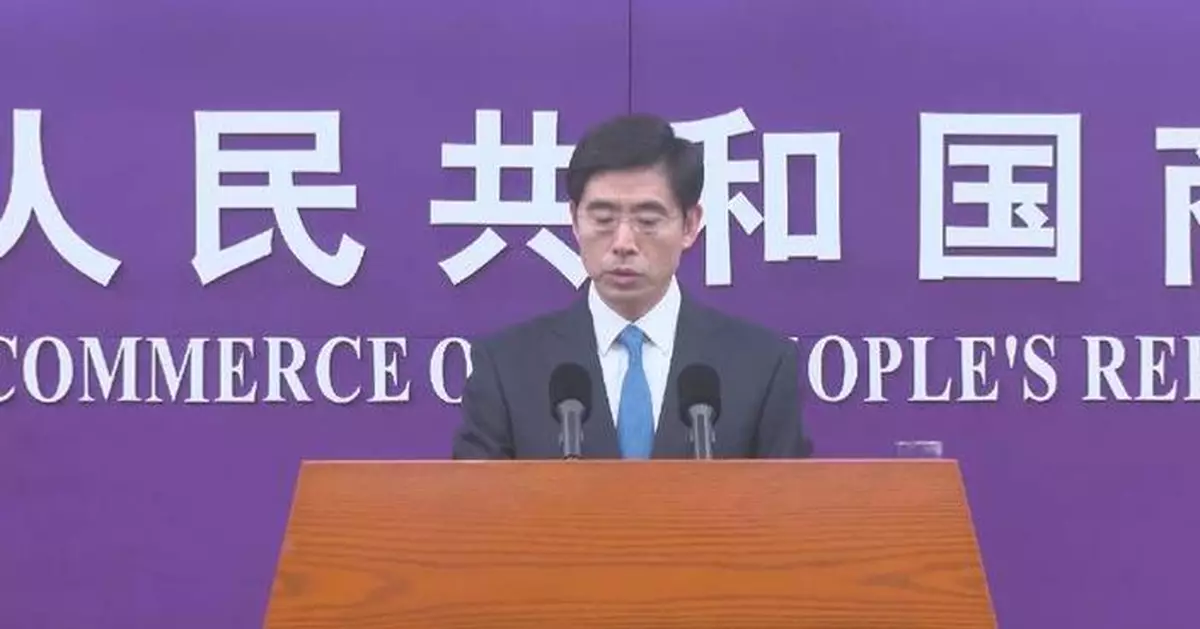
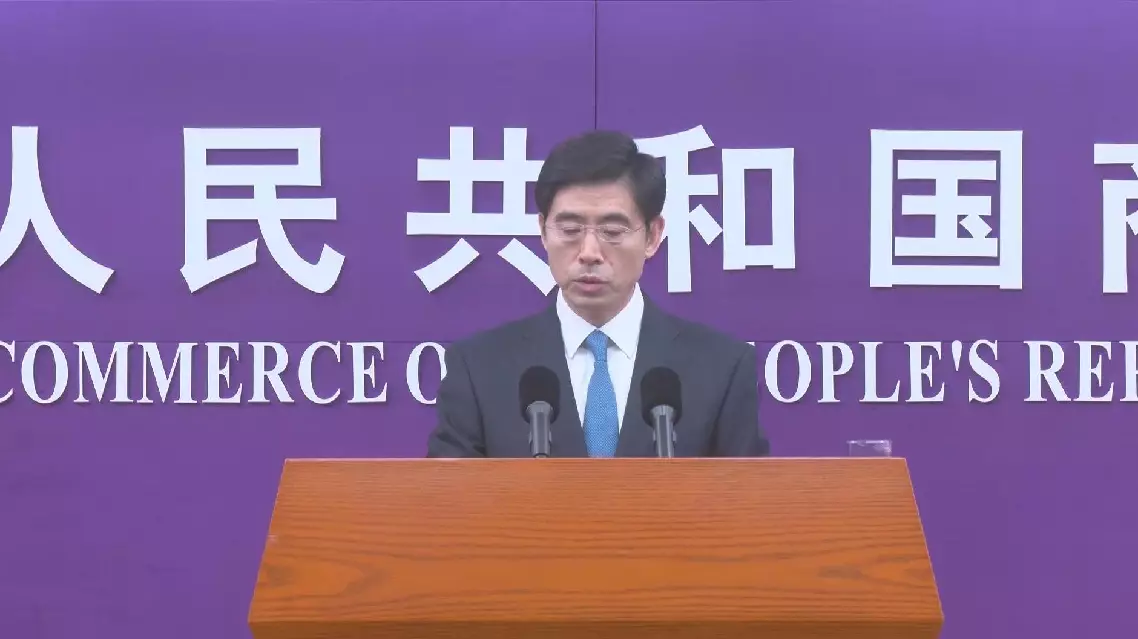
China is working with ASEAN member states to facilitate entry into effect of the China-ASEAN Free Trade Area (FTA) 3.0 Upgrade Protocol at an earliest possible date, said He Yadong, spokesman for the Ministry of Commerce, on Thursday.

The protocol was signed in Kuala Lumpur, Malaysia on Oct. 28, 2025, ahead of the 28th China-ASEAN Summit.

"The China-ASEAN Free Trade Area (FTA) 3.0 Upgrade Protocol was officially signed on Oct. 28 last year. The 3.0 Upgrade Protocol conforms to the new trends in international economic and trade development and for the first time incorporates emerging fields such as the digital economy, the green economy, and interconnectivity of production and supply chains into its framework. According to the provisions of the protocol, the entry into force of the protocol requires the approval of China and at least five ASEAN member states. At present, we are working with all ASEAN member states to accelerate the domestic ratification process of the protocol and strive for its entry into force and implementation at an early date," he said.

"We will give full play to the role of the protocol, support Chinese digital and new energy enterprises in deeply exploring the ASEAN market, continuously deepen cooperation between the two sides in cutting-edge fields such as cloud infrastructure, artificial intelligence, fintech, green equipment, and green power sources, and promote in-depth integration of production and supply chains," said the spokesman.
China working with ASEAN to put China-ASEAN FTA 3.0 upgrade into effect: spokesman
China working with ASEAN to put China-ASEAN FTA 3.0 upgrade into effect: spokesman
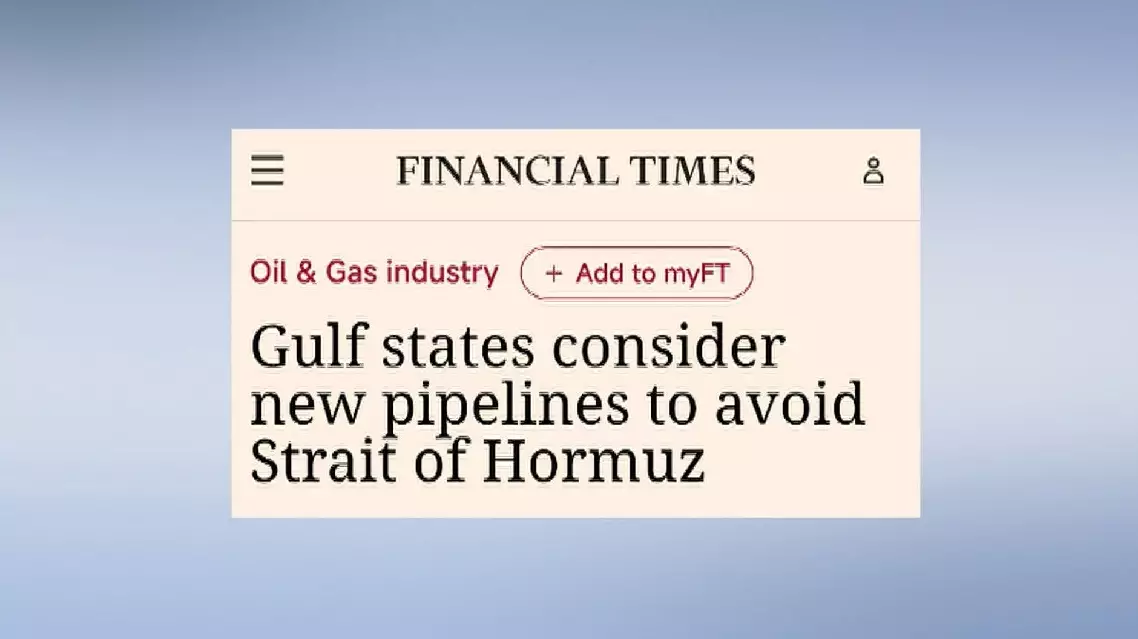
Impact of the U.S.-Israeli war with Iran is pushing Gulf countries to revisit costly plans for pipelines to bypass the Strait of Hormuz, so that they can continue to export oil and gas, the Financial Times newspaper reported on Thursday.

"Officials and industry executives say new pipelines may be the only way to reduce Gulf countries' enduring vulnerability to disruption in the strait, even though such projects would be expensive, politically complex and take years to complete," said the report.

"Previous plans for pipelines across the region have repeatedly stalled, undone by high costs and complexity," it said.

The Strait of Hormuz is a vital global energy corridor bordered by Iran to the north.

Around a fifth of global liquefied natural gas supply passed through the Strait of Hormuz, which also carries about one quarter of global seaborne oil trade.

Israel and the United States launched joint attacks on Tehran and several other Iranian cities on Feb. 28, killing Iran's then Supreme Leader Ali Khamenei, along with senior military commanders and civilians. Iran responded with waves of missile and drone strikes against Israel and U.S. assets in the Middle East, while tightening control over the Strait of Hormuz by restricting passage to vessels belonging to or affiliated with Israel and the United States.

Gulf countries consider new pipelines to avoid Strait of Hormuz: Financial Times

Gulf countries consider new pipelines to avoid Strait of Hormuz: Financial Times

Recommended Articles