Occupational safety and health courses open for applications
The Kwun Tong Occupational Safety and Health Centre of the Labour Department (LD) will launch a wide range of occupational safety and health courses in the second half of 2025. The courses aim at enhancing the working population's understanding of the occupational safety regulations and their awareness of occupational health.
The courses cover a wide range of topics, including:
Occupational Safety and Health Ordinance and Regulations
Gas Poisoning in Manholes
Confined Spaces Regulations
Major Safety Regulations Related to Working in Catering Trade
Dangerous Substances Regulations
Safety Management Regulation
Safety Regulations on Manual Handling Operations
Regulations Related to Safety in Hotel Industry
Safety Regulations on Working in Times of Inclement Weather and Hot Environment
Major Safety Regulations Related to Accident Prevention in Office and Storage Work
A Brief Introduction to the Regulation on Display Screen Equipment
Air Monitoring and Ventilation Systems in the Workplaces
Lighting Assessment in the Workplaces
Guidance Notes on Standing at Work
A Brief Introduction to Noise at Work Regulation
More Exercise, Smart Work
Strategies for the Prevention of Occupational Diseases
Occupational Health in Catering Industry
Chemicals and Occupational Health
Medical Examinations for Workers Engaged in Hazardous Occupations in Industrial Undertakings
Manual Handling Operations and Prevention of Back Injuries
Occupational Health for Security Guards
Chemicals and Occupational Health in Hotel Industry
Prevention of Heat Stroke at Work in a Hot Environment
Occupational Health for Office Workers
Health Hints on the Use of Computer
Prevention of Upper and Lower Limb Disorders
Noise Hazards and Prevention of Hearing Loss
Prevention of Musculoskeletal Disorders for Office Workers
Occupational Health for Cleansing Workers
Occupational Contact Dermatitis
Manual Handling Operations and Prevention of Back Injuries for Workers of Residential Care Home
Occupational Health for Professional Drivers
Work and Common Gastrointestinal Diseases
Occupational Stress
Happy Workplace
Work and Healthy Lifestyle
Work and Diabetes Mellitus and Hypertension
First Aid in the Workplaces
Work and Cardiovascular and Cerebrovascular Diseases
Easy Tips for Healthy Eating at Work
The courses will be conducted in Cantonese at the LD's Occupational Safety and Health Centre, G/F, Kwun Tong Community Health Centre Building, 60 Hip Wo Street, Kwun Tong. Enrolment is free.
Members of the public can apply via the online platform www.oshsreg.gov.hk/en or by fax. Please visit the LD's website (www.labour.gov.hk/eng/osh/content6.htm) for more details and call 2361 8240 for enquiries.
HAD opens temporary cold shelters
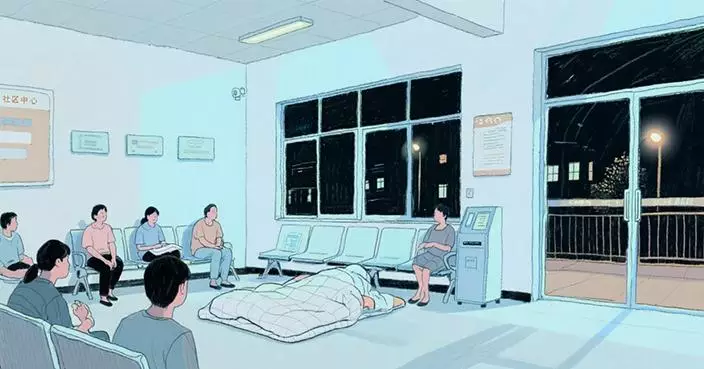
In view of the cold weather, the Home Affairs Department has opened 18 temporary cold shelters in various districts today (January 10) for people in need of the service. The temporary shelters will remain open when the Cold Weather Warning is in force.
Clean mattresses and blankets/quilts, hot meals and hot water will be provided to shelter users free of charge during the opening of the temporary shelters.
To ensure that cold shelter users can rest in a quiet and undisturbed environment, members of the public or agencies wishing to make donations to shelter users are requested to register with the staff of the shelter first. Donors will then be directed to place the donated items at a specified indoor location. The staff will help notify the shelter users to collect the items on their own.
Anyone seeking temporary refuge, or those with any questions about the donation arrangements at the cold shelters, may call the department's hotline 25728427 for more information.
The 18 temporary cold shelters are located at:
Hong Kong Island:
--------------------
Central and Western:
Sai Ying Pun Community Complex Community Hall
3/F, Sai Ying Pun Community Complex,
2 High Street, Sai Ying Pun
Eastern:
Causeway Bay Community Centre
3/F, 7 Fook Yum Road, Causeway Bay
Southern:
Lei Tung Community Hall
Lei Tung Estate, Ap Lei Chau
Wan Chai:
Wan Chai Activities Centre
LG/F, Wan Chai Market, 258 Queen's Road East, Wan Chai
Kowloon:
------------------
Kowloon City:
Hung Hom Community Hall
1/F, Kowloon City Government Offices,
42 Bailey Street, Hung Hom
Kwun Tong:
Lam Tin (West) Estate Community Centre
71 Kai Tin Road, Lam Tin
Sham Shui Po:
Nam Cheong District Community Centre
1 Cheong San Lane, Sham Shui Po
Wong Tai Sin:
Tsz Wan Shan (South) Estate Community Centre
45 Wan Wah Street, Tsz Wan Shan
Yau Tsim Mong:
Henry G Leong Yaumatei Community Centre
60 Public Square Street, Yau Ma Tei
New Territories:
----------------
Islands:
Tung Chung Community Hall
G/F, Tung Chung Municipal Services Building, 39 Man Tung Road, Tung Chung
Kwai Tsing:
Tai Wo Hau Estate Community Centre
15 Tai Wo Hau Road, Kwai Chung
North:
Cheung Wah Community Hall
Cheung Wah Estate, Fanling
Sai Kung:
Hang Hau Community Hall
G/F, Sai Kung Tseung Kwan O Government Complex,
38 Pui Shing Road, Hang Hau, Tseung Kwan O
Sha Tin:
Lung Hang Estate Community Centre
Lung Hang Estate, Sha Tin
Tai Po:
Tai Po Community Centre
2 Heung Sze Wui Street, Tai Po
Tsuen Wan:
Lei Muk Shue Community Hall
G/F, Hong Shue House, Lei Muk Shue Estate, Tsuen Wan
Tuen Mun:
Butterfly Bay Community Centre
Butterfly Estate (near Tip Sum House), Tuen Mun
Yuen Long:
Long Ping Community Hall
Long Ping Estate, Yuen Long
Source: AI-found images