South Africa is set to boost agricultural exports to China by leveraging BRICS support and growing trade channels as local exporters report surging demand for diverse produce in the Chinese market.
Riyp, a leading South African fruit and vegetable exporter, supplies locally sourced produce to 45 countries worldwide. The company has experienced a significant surge in demand from China, benefiting from the expanding trade avenues between the two countries.
"When we started, we started only with citrus into China and that volume has been growing year on year. But more recently, we've also seen an increase in demand for our apples, as well as our grapes from the Chinese market," said Uzair Essack, owner and managing director of Riyp.
The South African agricultural produce received a significant boost after the 15th BRICS Summit in Johannesburg in 2023. Notably, China, South Africa's largest trading partner, has signaled a growing demand for its high-quality produce.
"BRICS has definitely helped South African and China trade. There's usually a lot of red tape when it comes to regulations and certifications regarding the fresh produce industry. But with BRICS and the support that they've given us, new varieties, new fruit cultivars, new types of fruit are now being exported to China," Essack said.
Greater buying power and evolving Chinese consumer tastes are driving demand for a variety of South African products, including wine.
"There is a much greater appreciation now for new world wines in particular. And South Africa is one of those. Obviously, Australia, Chile, New Zealand and South Africa and we have a very small percentage of the market, something like two or three percent of the imported wine market into China. So, the opportunities for growth are massive," said Andrew Ing, founder of Gun Bay Wines, a South African wine brand that started doing business with China five years ago.
Red meat, nuts, maize, soybeans, and wool, products on China's import priority list, are all produced by South African farmers and exported to China, among other countries. But lawmakers have their work cut out to gain a greater share of the Chinese market.
"It is a very good opportunity now to really pivot towards a greater percentage, going exports. We have a number of industries that would like to do a larger share of exports. Even our potato industry is underweight in terms of exports as a percentage of production. And for the red meat industry, it's the same," said Wolfe Braude, manager of the Agricultural Business Chamber of South Africa.
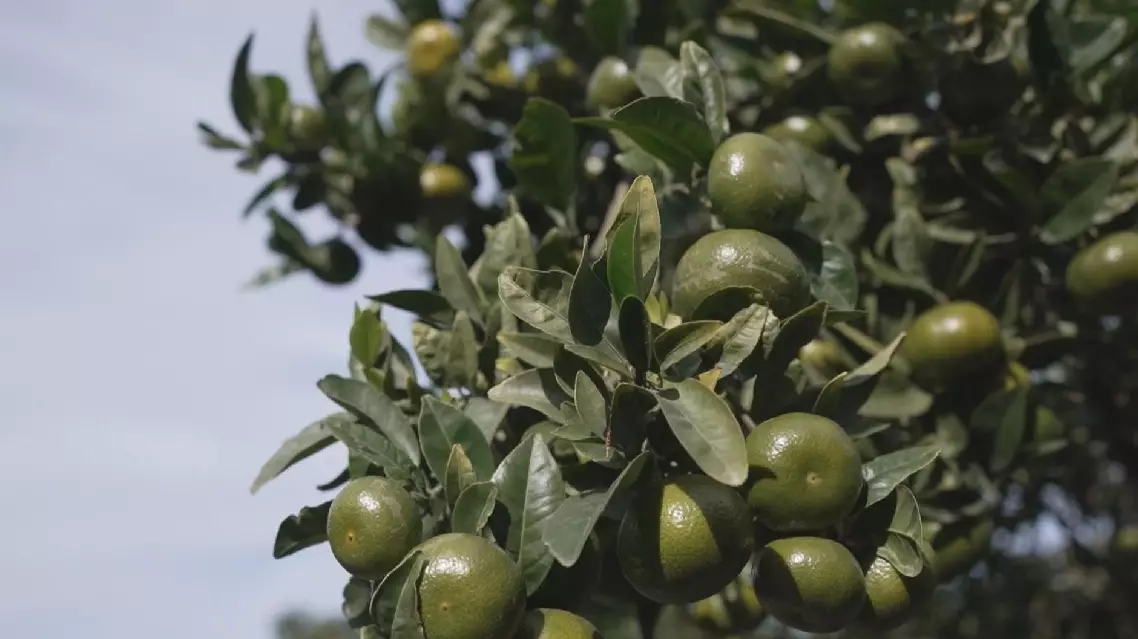
South Africa to boost agricultural exports to China

Jordan, Kuwait and Bahrain said on Monday that they have intercepted Iranian aerial attacks.
The Jordan Armed Forces-Arab Army said in a statement Monday night that its air defenses intercepted three missiles launched from Iran.
It said the interception caused no casualties or material damage, adding that it remains on high alert and will respond firmly to any threats to national security and sovereignty.
The General Command of the Bahrain Defense Force said that its air defense systems intercepted and destroyed multiple Iranian aerial attacks against the kingdom.
It condemned what it called Iran's "systematic hostile approach," saying the "deliberate use of missiles and drones to target civilians and private property" violates international humanitarian law.
Kuwait's armed forces said on Monday its air defense systems were intercepting "hostile" missile and drone attacks, as explosions were heard in parts of the country.
In a statement on social media platform X, the General Staff of the Kuwaiti Armed Forces confirmed the explosions resulted from air defense systems engaging with "hostile" aerial attacks, urging the public to follow safety instructions issued by authorities.
Iran's Islamic Revolution Guard Corps said earlier on Monday that it had launched missile and drone strikes against U.S. assets and facilities in Kuwait and Jordan in response to continued U.S. airstrikes on Iran.
Recent strikes on Kuwait targeted military installations and some of its vital infrastructure, including oil facilities and power and water desalination plants, causing injuries and material damage.
Explosions were heard on Monday evening in Iran's southern provinces of Hormozgan and Fars, the semi-official Mehr news agency reported.
Several explosions were heard in Hormozgan's Sirik County, Mehr cited local citizens as saying, adding the nature of the blast remains unclear.
It also quoted Seyed Ahmad Ahmadizadeh, Fars' deputy governor for political, security and social affairs, as saying that the United States has carried out an airstrike against a region in the provincial capital Shiraz, without causing casualties.
Earlier in the day, Iranian President Masoud Pezeshkian declared a "full-scale war" with the United States. Foreign Ministry spokesperson Esmaeil Baghaei said Iran has received mediation proposals and keeps its diplomatic channels open.
The United States has launched multiple strikes on Iran's southern provinces over the past week, saying they were aimed at "degrading Iran's ability to threaten commercial shipping."
Iran has responded with waves of missile and drone attacks targeting U.S. military bases and facilities in regional countries, including Kuwait, Bahrain and Jordan.
Jordan, Kuwait, Bahrain say intercepted Iranian aerial attacks