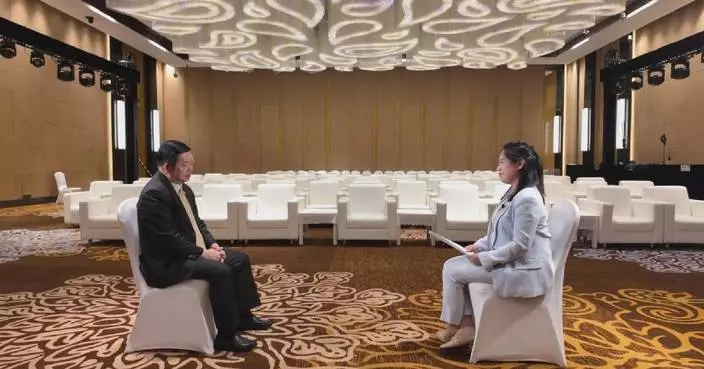
Yiwu City in eastern China, renowned as the global capital for small commodities, offers an unparalleled variety of goods, a draw that brought Mika Omuralieva Meerzat, a Kyrgyz jewelry exporter, to establish her second home here.
Mika arrived in Yiwu, home to the world’s largest wholesale market, in 2016. Since then, she has been exporting Chinese fashion jewelry to Central Asia and Europe.
"Why I’m living so long time here because, like we say about fashion and jewelry, you just find all of these items just in Yiwu. Nowhere else," said Mika, founder of Mika Import and Export.
Last year, Mika exported products worth 20 million yuan. But in the fast-paced fashion industry, speed is critical. So she must not only identify trending items quickly, but also deliver them to consumers as quickly as possible.
As Mika explains, Central Asia’s landlocked geography poses logistical challenges: air freight is costly, while road transport is slow. Over the recent years, she has turned to and relied on the Yiwu-Madrid railway, which crosses into Central Asia via northwest China's Xinjiang Uygur Autonomous Region, reducing transit time to just 12–14 days for her shipments.
"Fashion is changing every day, so we need to be quick to find some new items and even send in the same day," Mika said.
Operational for over a decade, the Yiwu-Madrid line has been instrumental for entrepreneurs like Mika. In the first four months of 2025, the railway handled 85,700 containers, marking a 6.5 percent year-on-year increase.
Mika’s success mirrors broader trade trends. China is Kyrgyzstan’s largest trading partner, with bilateral trade reaching 22.7 billion US dollars in 2024, a figure both nations aim to double by 2030.
"Central Asian countries now opening up to China, so many investors going to my country, to Central Asia," Mika added.
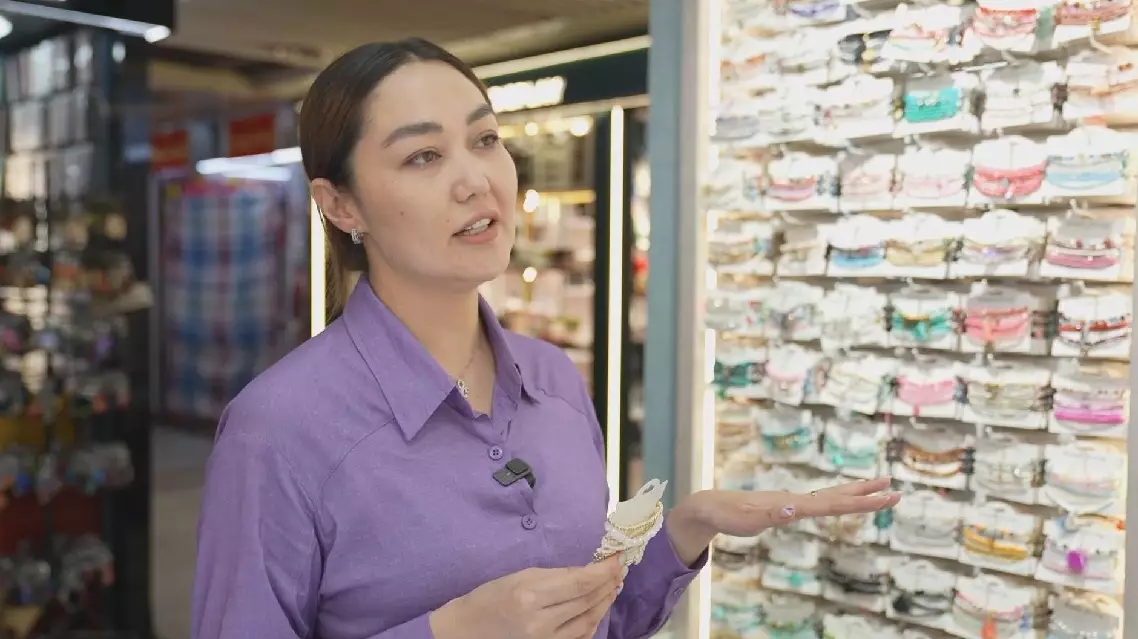
Based in China's Yiwu, Kyrgyz entrepreneur exports fashion jewelry to Central Asia
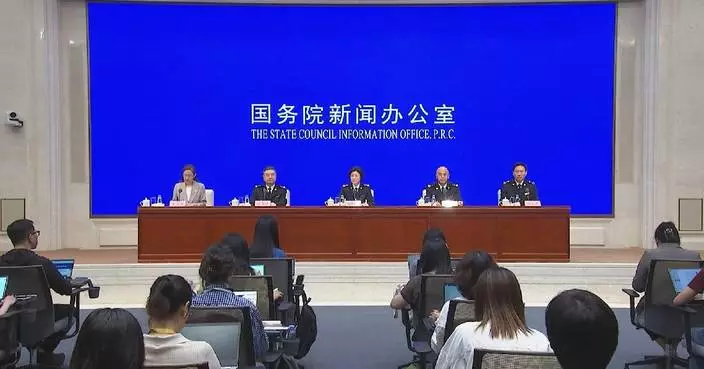
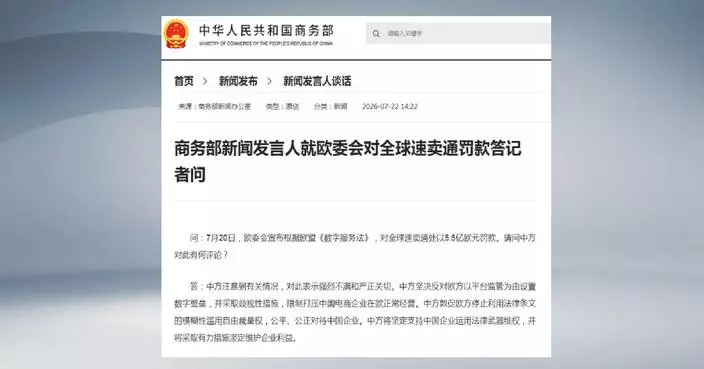
China's customs authority will fully play its role in helping achieve higher-quality foreign trade development during the 15th Five-Year Plan period (2026-2030), Head of the General Administration of Customs (GAC) Sun Meijun said at a press conference in Beijing on Wednesday.
The outline of the 15th Five-Year Plan calls for accelerating the building of a strong trading nation, improving the quality and efficiency of foreign trade, and promoting balanced development of imports and exports.
Sun briefed the media on the customs authority's measures to promote innovative development and improve the quality and efficiency of trade.
"We will strengthen new drivers of foreign trade by optimizing the regulatory systems for cross-border e-commerce, market procurement and overseas warehouses. We will also adopt innovative supervision methods for AI products and green and low-carbon transition products," she said.
"We will continue to carry out special actions to facilitate cross-border trade, and effectively implement free trade agreements such as the Regional Comprehensive Economic Partnership (RCEP). We will leverage openness to foster cooperation and convenience to counter containment, while consolidating and expanding diversified markets," Sun added.
She noted that during the 15th Five-Year Plan period, China will negotiate and sign more trade access cooperation documents, expand imports of advanced technology equipment, key components, energy resources and quality agricultural products, and diversify source countries.
This will facilitate the export of quality goods from around the world to China and enable them to share the opportunities of China's vast market, while also providing Chinese consumers with a wider range of choices, and promoting a more balanced development of imports and exports.
"We will promote smoother dual circulation by building a regulatory system that aligns with high-standard economic and trade rules, creating a transparent, stable and predictable institutional environment, and innovating customs clearance models and optimizing supervision methods to facilitate efficient and convenient cross-border flow of various factors of production," she said.
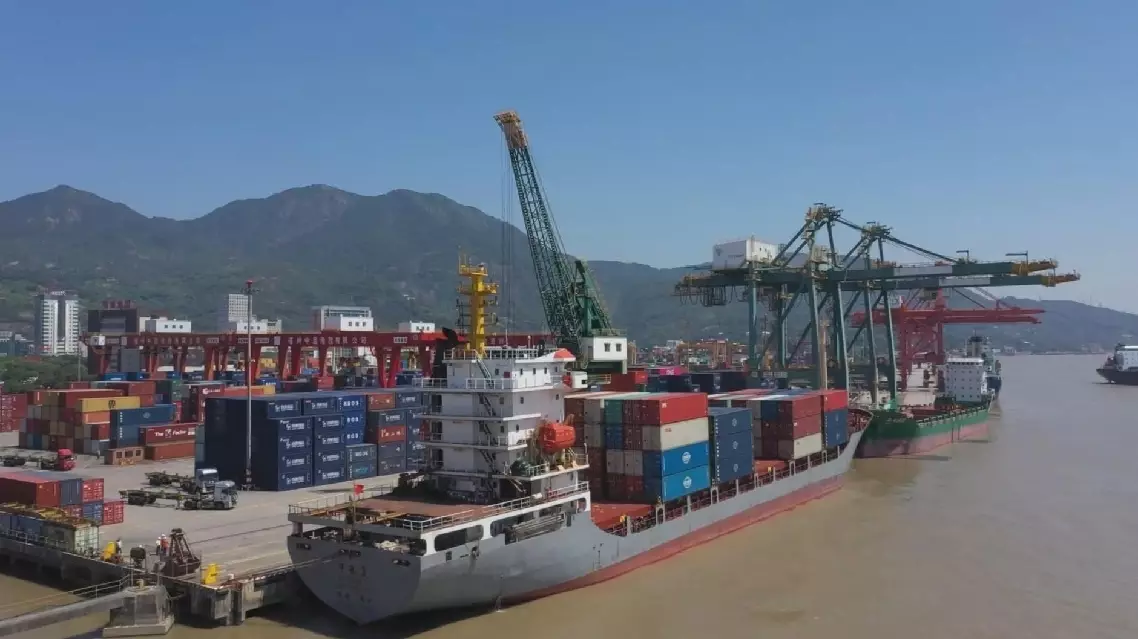
China to boost higher-quality foreign trade in 2026-2030: customs authority