There has been no additional damage at Iran's Natanz Fuel Enrichment Plant site since Friday's attack, and the radioactivity outside the Natanz site has remained unchanged at normal levels, the UN nuclear watchdog announced on Monday.
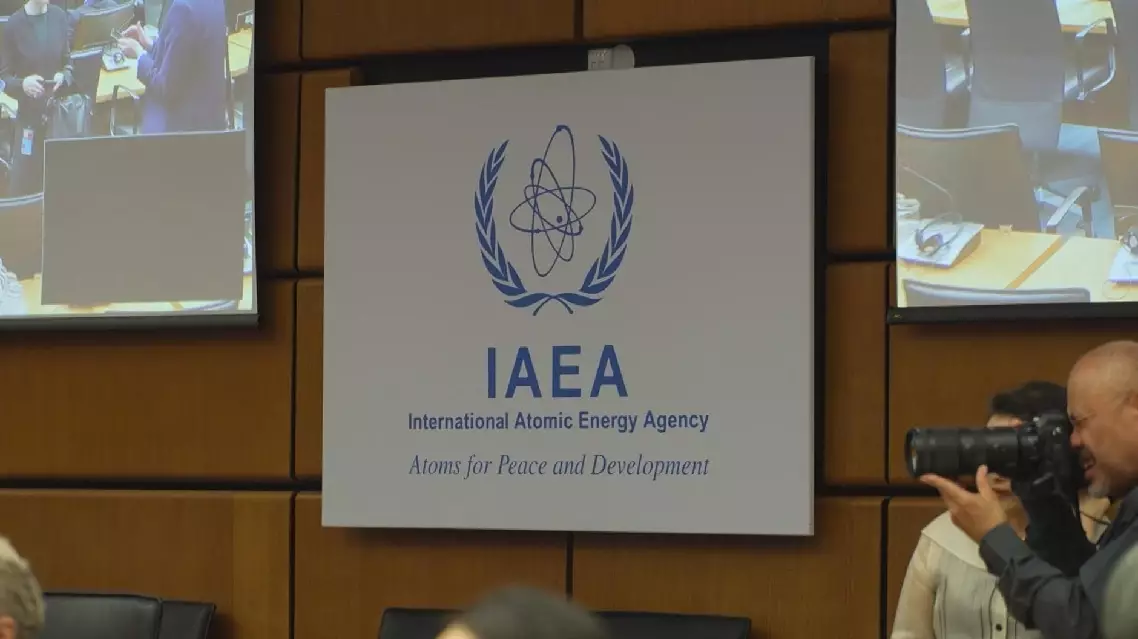
There has been no indication of a physical attack on the underground cascade hall containing part of the Pilot Fuel Enrichment Plant and the main Fuel Enrichment Plant. However, the loss of power to the cascade hall may have damaged the centrifuges there, International Atomic Energy Agency (IAEA) Director General Rafael Grossi told a meeting of the agency's board of governors in Vienna.
Grossi added that within the Natanz facility, there is both radiological and chemical contamination. The radiation, primarily consisting of alpha particles, poses a significant danger if Uranium is inhaled or ingested. However, this risk can be effectively managed with appropriate protective measures.
The main concern inside the facility, he said, is the chemical toxicity of the Uranium Hexafluoride and the Fluoride compounds generated during contact with water.
No damage has been seen at the site of the Fordow Fuel Enrichment Plant or at the Khondab heavy water reactor, which is under construction. The Bushehr Nuclear Power Plant has not been targeted nor affected by the recent attacks and neither has the Tehran Research Reactor, Grossi said.
However, significant damage was inflicted on the facilities at Iran's largest nuclear research complex.
"At the Esfahan nuclear site, four buildings were damaged in Friday's attack," said the IAEA chief.
The four buildings were the central chemical laboratory, a uranium conversion plant, the Tehran reactor fuel manufacturing plant, and a facility under construction that was meant to convert uranium hexafluoride to uranium metal.
The IAEA has said that "no increase in off-site radiation" has been recorded at either Natanz or Esfahan.
Venezuela delivered a joint statement at the special board meeting on behalf of a group of states, condemning Israel's attack on Iran's nuclear facilities.
"The large majority of the countries of the board and also observers are considering this aggression by Israel unlawful, which is a very important statement to make," Claudia Salerno Caldera, Ambassador of Venezuela to Austria, told China Global Television Network (CGTN), on the sidelines of the meeting.
Reza Najafi, Iran's permanent representative to the IAEA, said his country will continue to respond with full force against Israeli attacks, referring to its right to self-defense.
The IAEA says it will remain present in Iran and resume safeguard inspections as soon as safety conditions allow, as required under Iran's Nuclear Non-Proliferation Treaty obligations.
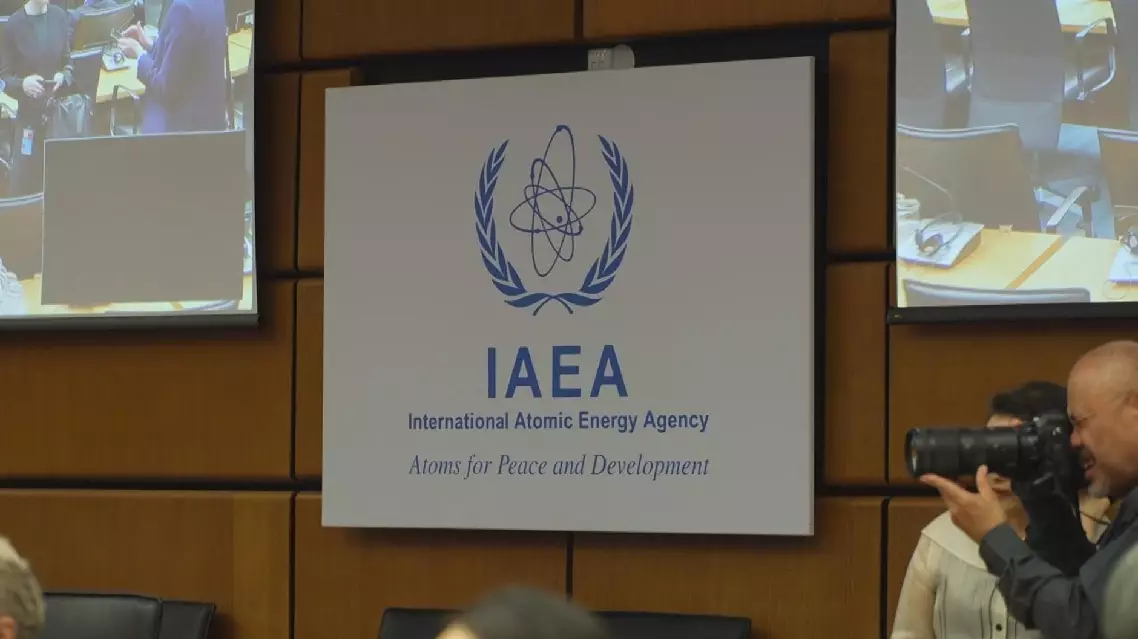
No further damage at Iran's Natanz plant, off-site radiation levels normal: IAEA
No further damage at Iran's Natanz plant, off-site radiation levels normal: IAEA