Juneteenth may mark the day in 1865 when enslaved people in Galveston, Texas found out they had been freed, but thousands of people in Oklahoma are still fighting for full citizenship in the tribal nations that once held their ancestors in bondage.
Several tribes practiced slavery, and five in Oklahoma — The Cherokee, Seminole, Choctaw, Chickasaw, and Muscogee nations — signed reconstruction treaties with the U.S. in 1866 abolishing it three years after President Abraham Lincoln’s Emancipation Proclamation. They granted the formerly enslaved, known commonly as Freedmen, citizenship within their respective tribes.
Click to Gallery
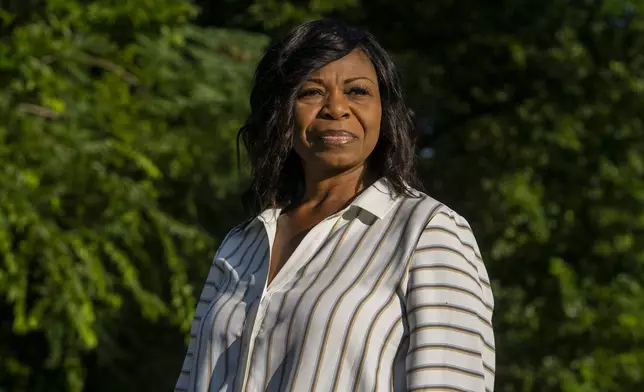
Rhonda Grayson poses for a portrait on Monday, June 16, 2025 in Moore, Oklahoma. (AP Photo/Nick Oxford)
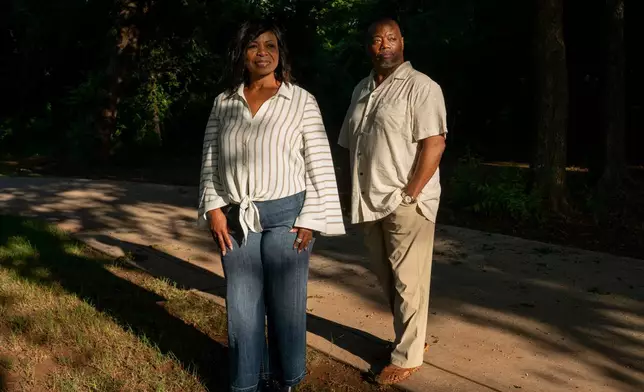
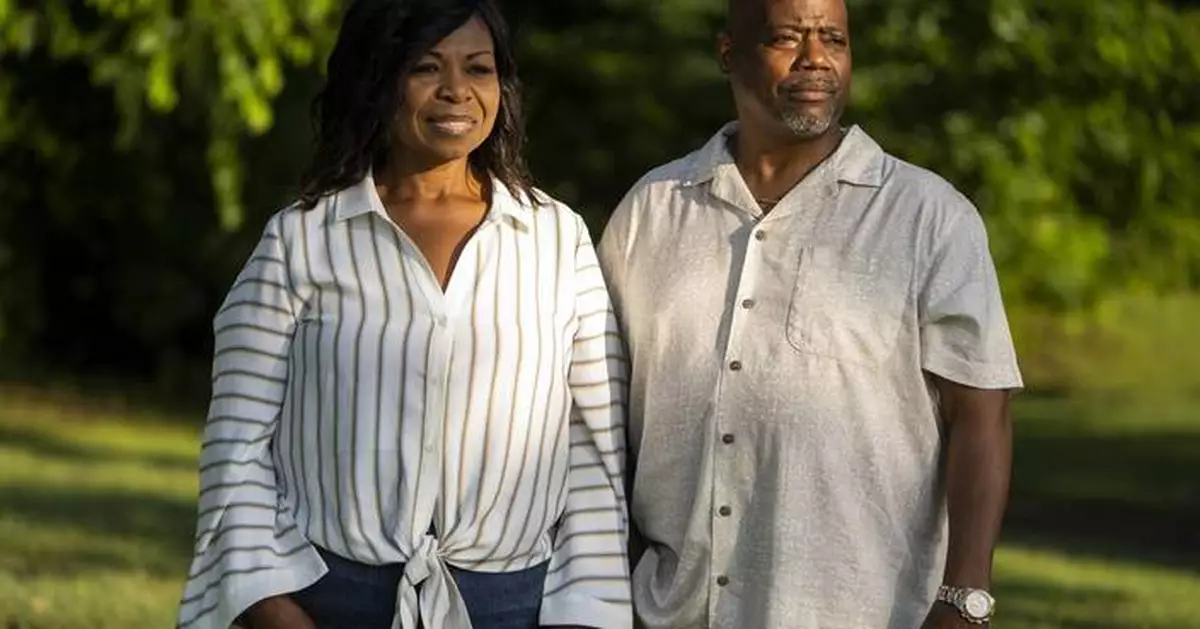
Rhonda Grayson and Jeff Kennedy pose for a portrait on Monday, June 16, 2025 in Moore, Oklahoma. (AP Photo/Nick Oxford)
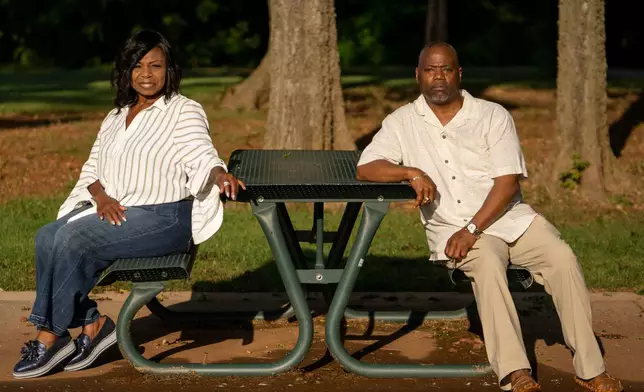
Rhonda Grayson and Jeff Kennedy pose for a portrait on Monday, June 16, 2025 in Moore, Oklahoma. (AP Photo/Nick Oxford)
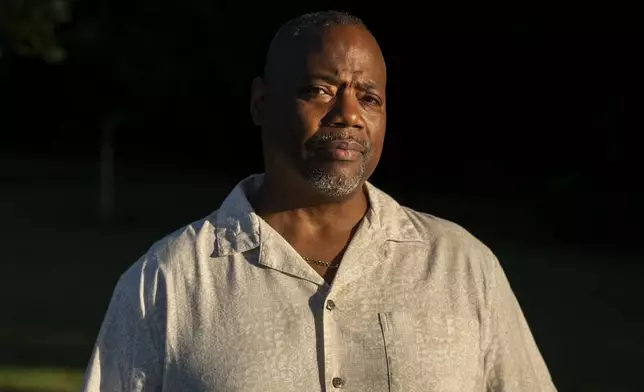
Jeff Kennedy poses for a portrait on Monday, June 16, 2025 in Moore, Oklahoma. (AP Photo/Nick Oxford)
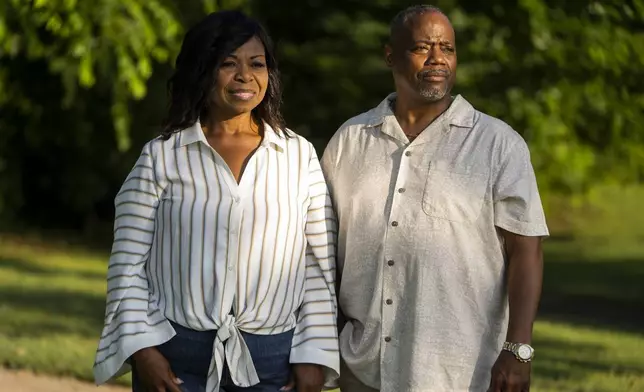
Rhonda Grayson and Jeff Kennedy pose for a portrait on Monday, June 16, 2025 in Moore, Oklahoma. (AP Photo/Nick Oxford)
Only one of those tribes, the Cherokee Nation, continues to fully grant the rights of citizenship.
For descendants of people who were enslaved by tribal nations, Juneteenth is both a celebration of freedom for people of African descent and a reminder of their struggle to be fully embraced by the Indigenous communities with whom they share history and in many cases ancestry.
Traditionally, Freedmen in the Muscogee Nation celebrate emancipation day on August 4, marking when the tribe’s council drew up a law to declare them free, said Rhonda Grayson, the founder and director of the Oklahoma Indian Territory Museum of Black Creek Freedmen History.
She traces her lineage to formerly enslaved people listed on a 1906 U.S. census of Native Americans who had been forcibly removed to Oklahoma. Known as the Dawes Rolls, the census created two lists - those who appeared Native and those who appeared Black. Those with African ancestry were put on the Freedmen rolls, although many also had Native ancestry.
Last week, the Muscogee Nation Supreme Court heard arguments in a case brought by Grayson and Jeff Kennedy, who are fighting for their citizenship rights and recognition within the Muscogee Nation.
“Our ancestors were Muscogee people of African descent,” said Damario Solomon-Simmons, an attorney representing Grayson and Kennedy whose ancestor was also a Freedmen in the tribe. “We were transformed into 'Freedmen' by the Dawes Commission."
Their ancestors were also forced on the Trail of Tears, and after the Civil War they were granted citizenship and served in the tribe's legislative bodies, Kennedy said.
“We believe that the (Muscogee) Nation would not be what it is today without the bloodshed and tears of those African people,” he said.
But, in 1979, the tribe adopted a new constitution restricting citizenship to Muscogee people “by-blood.” Grayson and Kennedy's lawsuit countered that citizenship requirement is a violation of the 1866 treaty, and in 2023 a Muscogee Nation district court agreed. The Muscogee Nation's citizenship board appealed and is asking the Supreme Court to overturn that decision.
“That provision has guided our Nation for decades and reflects the will of the people through a democratic process," Jason Salsman, a spokesperson for the Muscogee Nation said in a statement. "We believe that any change to our citizenship laws must come from our own citizens—not from outside interpretations."
The court's ruling is expected later this year, and it could open the door for thousands of new members to the tribe.
For Grayson, the legal battle is about more than their birthright to citizenship she said, it's also about setting straight the historical record.
“We weren’t just slaves,” Grayson said. “Our people need to know that. Our young people need to know that.”
In 2021, following pressure from Congress and the administration of President Joe Biden, the Indian Health Services began allowing Freedmen citizens in the Seminole Nation to access healthcare at IHS facilities after several reported that they had been denied COVID-19 vaccinations.
While the descendants of formerly enslaved Seminole Nation tribal members had previously been granted citizenship, in 2000 the tribe voted to restrict citizenship to those who had one-eighth Seminole ancestry according to the Dawes Rolls, thereby disenrolling more than 1,000 citizens of African ancestry.
In 2002, a U.S. district court ordered the tribe to reinstate their membership, however, today the descendants of those on the Seminole Nation's Freedmen rolls are only allowed to vote and sit on tribal council and are thereby not full citizens.
“They’re using something that the United States used to separate us, and now they’re using it to keep us in a very bad position by putting a lot of our people at a disadvantage,” said LeEtta Osborne-Sampson, a Freedmen member of the Seminole Nation and one of four who sit on its tribal council. She said members like her are not given access to others services provided by the tribal nation, such as education and housing assistance. There are about 2,500 Freedmen citizens of the tribe today, she said.
Seminole Nation Chief Lewis Johnson did not respond to requests for comment.
Starting in 1885, the Choctaw Nation had given citizenship to Freedmen descendants, but in 1983 the tribal nation adopted a constitution that restricted membership to those with Choctaw ancestors “by blood” according to the Dawes Rolls.
In 2021, the House Financial Services Committee threatened to withhold tens of millions of dollars in housing funds from the Choctaw, Chickasaw, Muscogee, and Seminole nations if they did not honor their 1866 treaty obligations and fully recognize the descendants of Freedmen as citizens. In response, Chief Gary Batton issued an open letter promising to confront the issue.
“The story of Choctaw Freedmen deserves our attention and thoughtful consideration within the framework of tribal self-governance,” Batton wrote. “Today our tribal membership is based on the Dawes Rolls — a poisonous legacy from 125 years ago that took root and caused a myriad of membership issues for tribal nations, including Freedmen.”
Batton, who remains in office, called for an open dialogue between Choctaw Freedmen, tribal citizens, elected officials, and the federal government. But since then, Freedmen descendants say that dialogue hasn't taken place.
"It became obvious, unfortunately, that it was an empty gesture," said author and genealogist Angela Walton-Raji. Like many Freedmen descendants, Walton-Raji said her ancestors were both Black and Choctaw but were forced to enroll on the Dawes Rolls as a Freedmen only. “It’s very clear that there was an anti-Black sentiment then, as there is now," she said.
Randy Sachs, a spokesperson for the Choctaw Nation, said in a statement to The Associated Press that the tribe set up an internal committee and asked tribal members for comment on the issue, but over that two year period they only received about 20 calls - more than half of which were from a single family. “Determining our membership is an essential part of defending our sovereignty, and we will continue to listen to a variety of voices,” he said.
There has never been a legal challenge to the tribe's 1983 constitution, and Walton-Raji said many Freedmen descendants either don't know that part of their history, because it is not taught in schools or fully acknowledged by the tribe, or do not have the funds to mount a court case that could last decades.
The Chickasaw Nation jointly signed its 1866 reconstruction treaty with the Choctaw Nation. However, unlike the Choctaw, the Chickasaw Nation never recognized the people it held in slavery as citizens of the tribe.
“They broke the treaty, they never gave citizenship to their Freedmen. So up until statehood, Chickasaw Freedmen had no country, they were never citizens of any nation,," said Walton-Raji, who is also a co-founder of the Choctaw & Chickasaw Freedmen Association. Oklahoma became a state in 1907.
The Chickasaw Nation did not respond to requests for comment.
Since they were never granted citizenship, their descendants are at the greatest disadvantage when it comes to any legal claim to citizenship in the Chickasaw Nation, Walton-Raji said.
In 2021, following the Cherokee Nation's amendment to its constitution that granted full citizenship to Freedmen descendants, Dept. of the Interior Secretary Deb Haaland encouraged other tribes “to take similar steps to meet their moral and legal obligations to the Freedmen.”
This story has been updated to correct the year in which a U.S. House of Representatives committee threatened to withhold federal funds from tribal nations if they did not honor their treaty obligations to the Freedmen. It was 2021, not 2001.
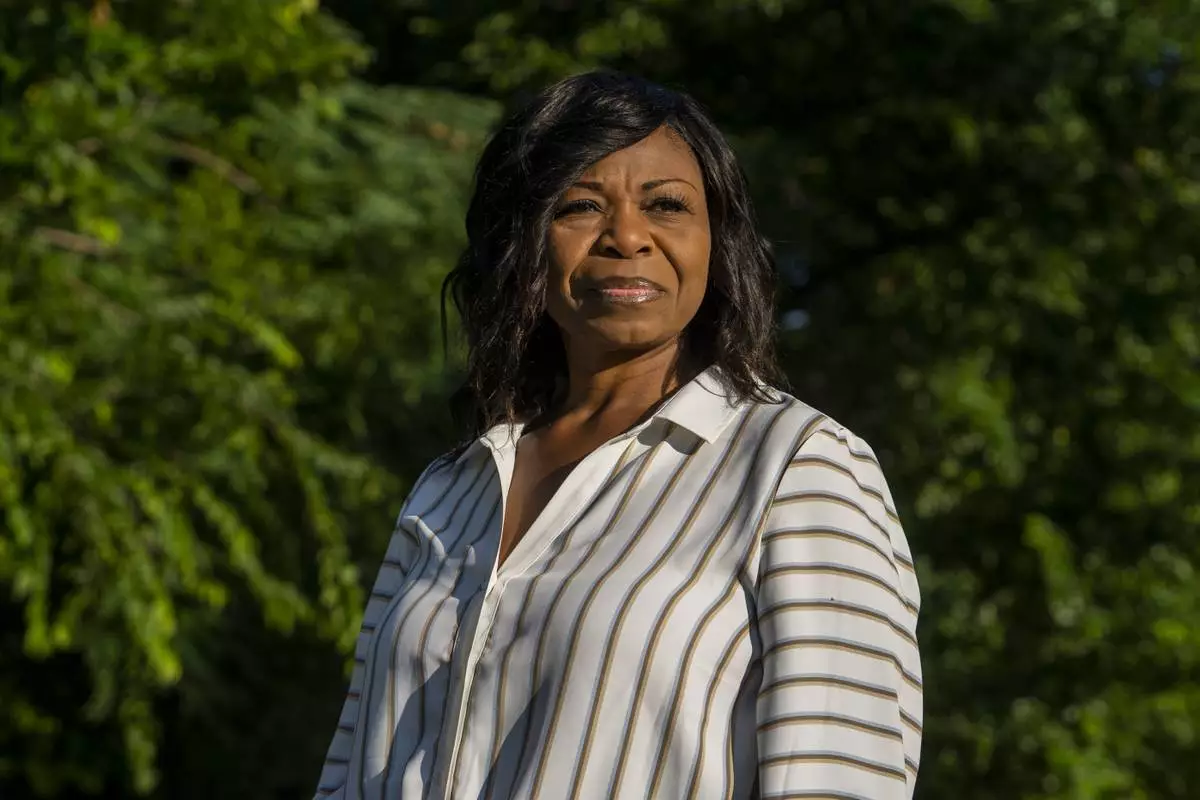
Rhonda Grayson poses for a portrait on Monday, June 16, 2025 in Moore, Oklahoma. (AP Photo/Nick Oxford)
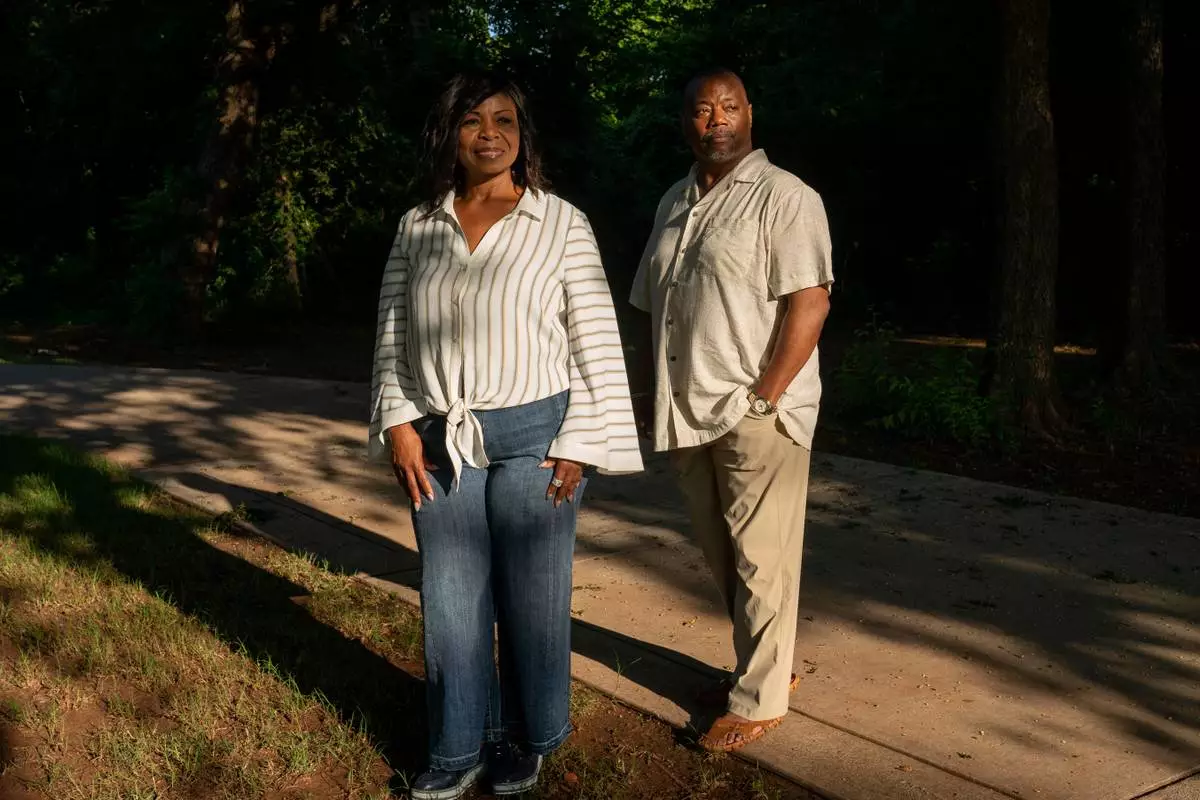
Rhonda Grayson and Jeff Kennedy pose for a portrait on Monday, June 16, 2025 in Moore, Oklahoma. (AP Photo/Nick Oxford)
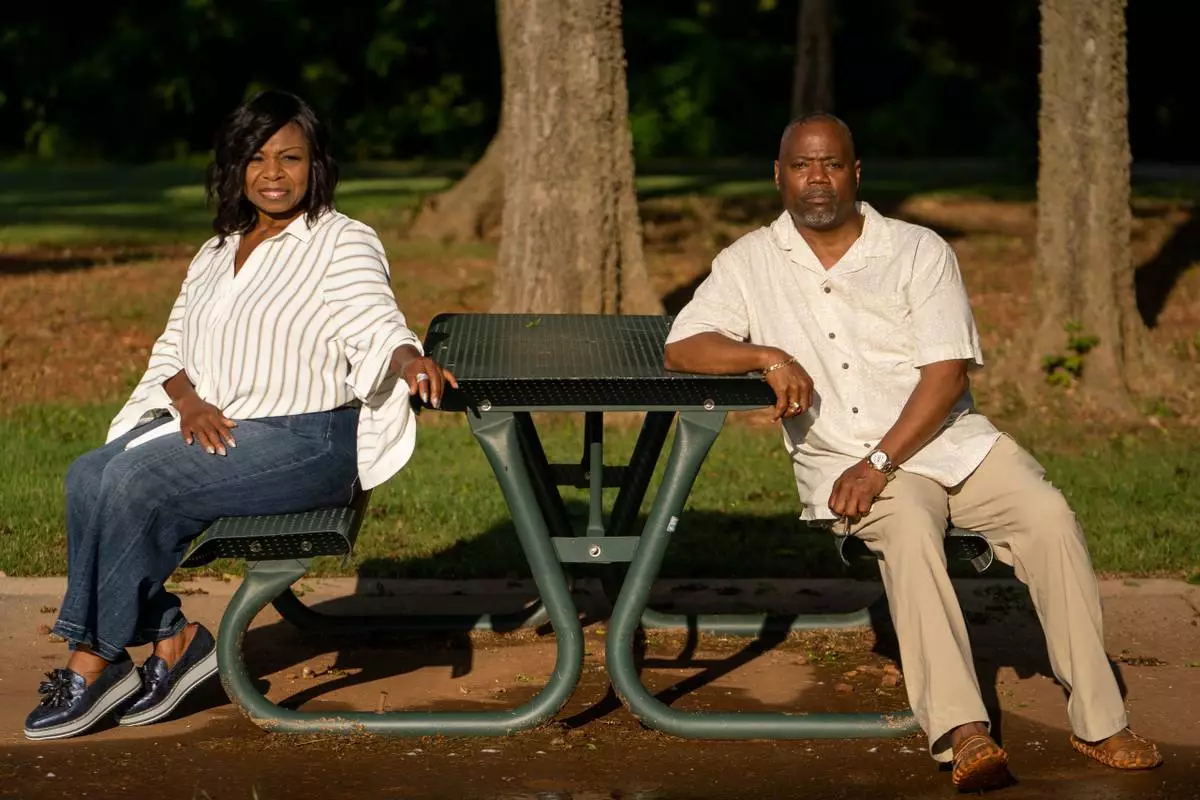
Rhonda Grayson and Jeff Kennedy pose for a portrait on Monday, June 16, 2025 in Moore, Oklahoma. (AP Photo/Nick Oxford)
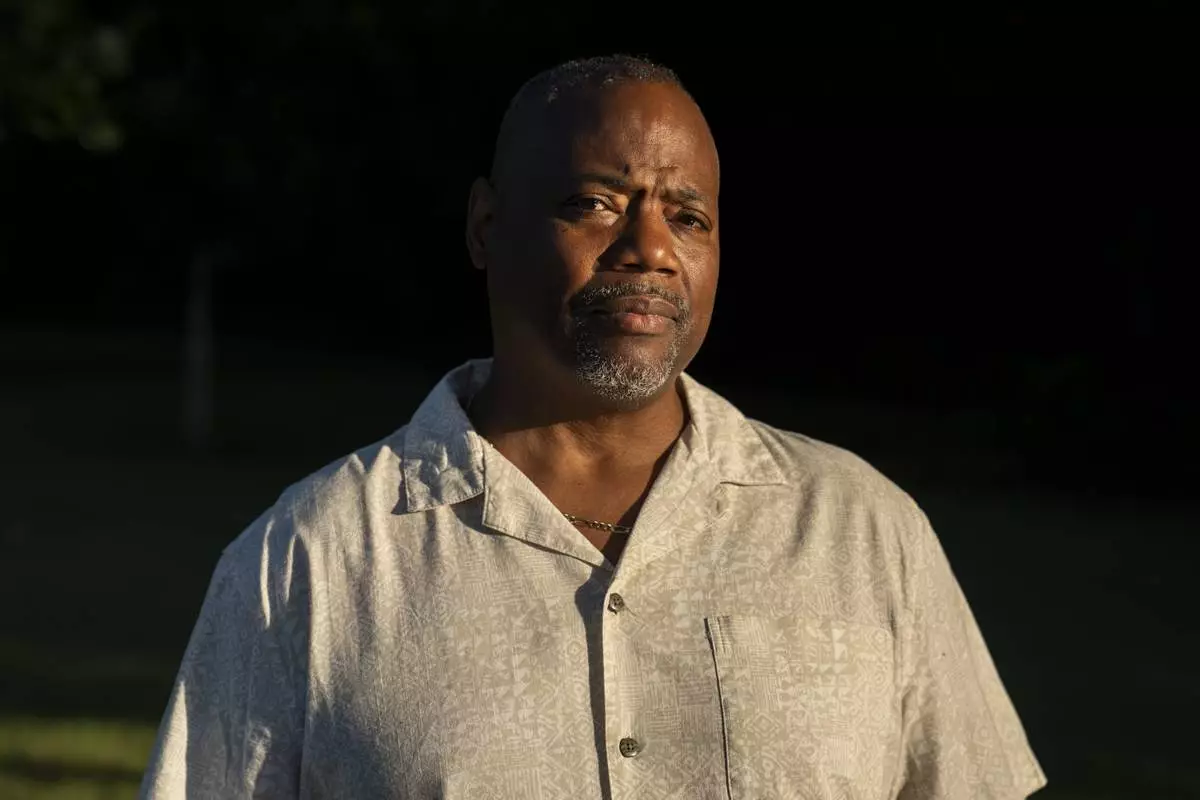
Jeff Kennedy poses for a portrait on Monday, June 16, 2025 in Moore, Oklahoma. (AP Photo/Nick Oxford)
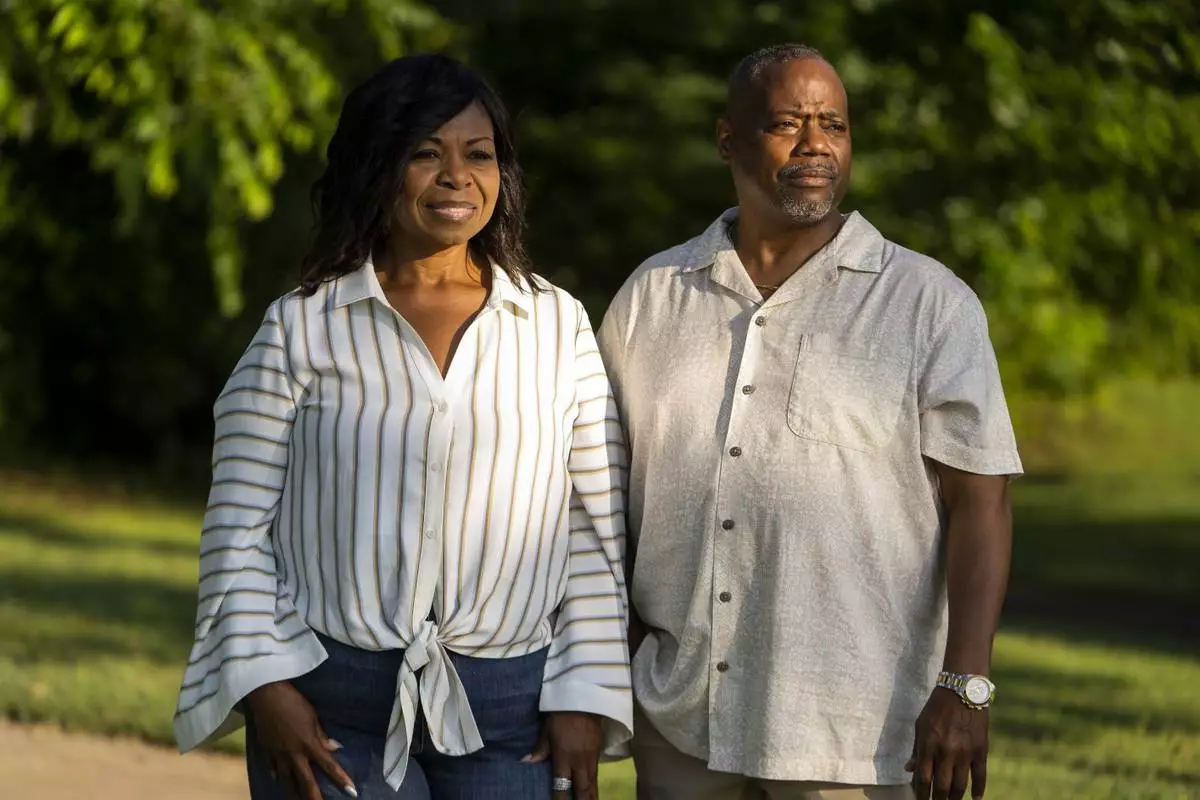
Rhonda Grayson and Jeff Kennedy pose for a portrait on Monday, June 16, 2025 in Moore, Oklahoma. (AP Photo/Nick Oxford)