Skip to Content Facebook Feature Image

City of Hope Awarded $23.7 Million to Map Biomarkers Linked to Treatment Resistance in Patients With Common Lung Cancer

News

City of Hope Awarded $23.7 Million to Map Biomarkers Linked to Treatment Resistance in Patients With Common Lung Cancer
News

News

City of Hope Awarded $23.7 Million to Map Biomarkers Linked to Treatment Resistance in Patients With Common Lung Cancer

2025-06-18 03:03 Last Updated At:03:11

LOS ANGELES--(BUSINESS WIRE)--Jun 17, 2025--

City of Hope ®, one of the largest and most advanced cancer research and treatment organizations in the United States with its National Medical Center named a Top 5 “Best Hospital” in the nation for cancer care by U.S. News & World Report, has been awarded an up to $23.7 million contract from the Advanced Research Projects Agency for Health (ARPA-H) within the U.S. Department of Health and Human Services. The grant will help City of Hope create a bio map of tumor changes that cause immunotherapy resistance in advanced or metastatic non-small cell lung cancer (NSCLC).

More Images

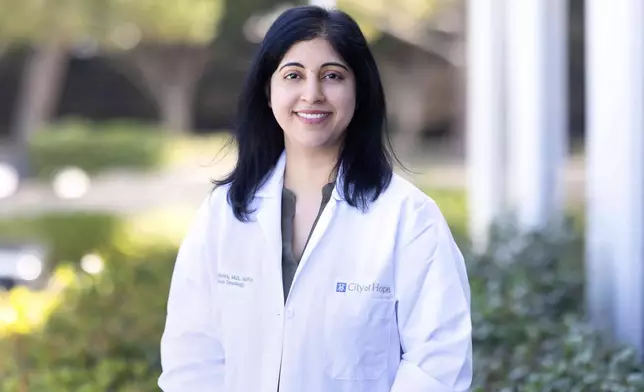
City of Hope's Jyoti Malhotra, M.D., M.P.H., is a principal investigator.
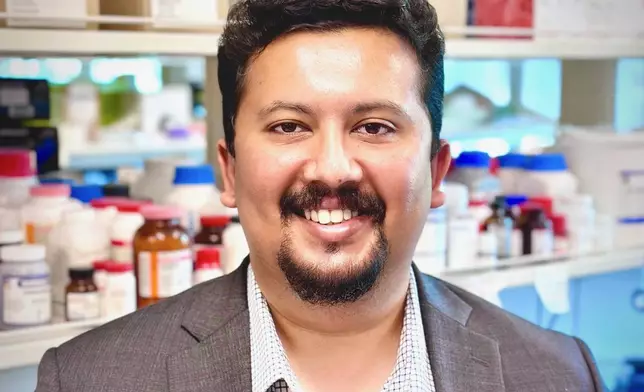
City of Hope's Jyoti Malhotra, M.D., M.P.H., is a principal investigator.

City of Hope's Aritro Nath, Ph.D., is a principal investigator.

City of Hope's Aritro Nath, Ph.D., is a principal investigator.

City of Hope's Ravi Salgia, M.D., Ph.D., is one of the principal investigators.

City of Hope's Ravi Salgia, M.D., Ph.D., is one of the principal investigators.

This press release features multimedia. View the full release here: https://www.businesswire.com/news/home/20250617226166/en/

City of Hope’s Beckman Research Institute researchers will also test new biomarker-guided therapies in near real time NSCLC, which accounts for 87% of all lung cancer cases. By shaping physicians’ management of the disease, the new findings offer promise for improving treatment success and extending the lives of the 200,000 patients diagnosed each year in the United States.

A six-year clinical trial, enrolling 535 patients, will provide the cornerstone for the City of Hope project, which is part of ARPA-H’s Advanced Analysis for Precision Cancer Therapy (ADAPT) program. The up to $142 million initiative combines the latest technologies with the nation’s top expertise in tumor biology to deliver customized cancer care that adapts to a patient’s disease as it evolves.

“Changes in cancer may occur over time, creating resistance to immunotherapy and complicating oncologists’ ability to identify the next best treatment approach,” said Ravi Salgia, M.D., Ph.D., professor and chair of City of Hope’s Department of Medical Oncology & Therapeutics Research, the Arthur & Rosalie Kaplan Chair in Medical Oncology, principal investigator with City of Hope’s Aritro Nath, Ph.D., and Jyoti Malhotra, M.D., M.P.H. “Developing a biomap that detects mutations and other alterations early and predicts a patient’s cancer trajectory will enable us to match treatments to evolving tumor biology and improve our patients’ long-term survival.”

Until now, cancer studies have focused on first-line therapy and lacked the flexibility to modify treatments as tumors grow. City of Hope will design its clinical trial to adjust treatment as resistance arises, with the goal of increasing progression-free survival by 50% in at least one patient group.

“Doctors have historically treated advanced non-small cell lung cancer with immune checkpoint inhibitors, sometimes combined with chemotherapy,” explained Dr. Nath, City of Hope assistant professor with the Division of Molecular Pharmacology, Department of Medical Oncology & Therapeutics Research. “The main biomarker used to select immunotherapy, however, is not very reliable, with a patient response rate of less than 40%. We don’t know why some patients become resistant to checkpoint inhibitors, and we have no good biomarkers to guide the choice of secondary treatments.”

City of Hope intends to change that through meticulous monitoring and measurement of tumor changes in near real time.

Dr. Salgia and his colleagues will collect samples and detailed data at regular intervals from patients throughout the course of treatment. The researchers will monitor tumor trajectory and patients’ response to treatment using state-of-the-art diagnostic techniques like liquid biopsies, single cell sequencing and radio imaging, relying on rapid turnaround times for comprehensive tumor measurements.

Instead of measuring a few data types at a single timepoint with limited predictive ability, the ADAPT program will take many measurements of diverse data over time and through multiple lines of treatments. The insights gleaned will help identify newly acquired resistant traits in tumors, predict the right therapies at each point in a patient's treatment and identify strategies that provide better long-term prognoses.

“We expect our collaboration with ADAPT will uncover predictive biomarkers that will enhance patient treatment and boost immunotherapy responses in non-small cell lung cancer,” said Dr. Malhotra, associate professor with the Department of Medical Oncology & Therapeutics Research and interim division chief of Thoracic Medical Oncology, City of Hope, Los Angeles. “The information we gather will allow for informed adjustments in treatments and improve patient outcomes.”

Equally important, the trial will leverage City of Hope’s network of more than 35 clinical sites whose populations reflect the nation’s lung cancer patients. The research team anticipates enrolling its first patients within 12 months.

With over 30 years of experience spearheading clinical trials and translational research, Dr. Salgia’s leadership has been instrumental in uncovering key variants in lung cancer. He oversees more than 130 medical oncologists, including a nationwide team of 30 clinicians dedicated to lung cancer.

City of Hope investigators will fund the development, testing and matching of new biomarkers with therapeutic options that are now available or in a clinical trial. Algorithms and aggregate datasets developed under the program will be made publicly available, allowing scientists around the world to visualize trends and evaluate their implications and insights in near real time.

“We are incredibly excited to launch this ambitious project,” said Dr. Salgia. “Our analysis of host and tumor biology will help clinicians counter the limits of current treatment choices and lead to better patient management strategies for advanced and metastatic non-small cell lung cancer.”

About City of Hope

City of Hope's mission is to make hope a reality for all touched by cancer and diabetes. Founded in 1913, City of Hope has grown into one of the largest and most advanced cancer research and treatment organizations in the United States, and one of the leading research centers for diabetes and other life-threatening illnesses. City of Hope research has been the basis for numerous breakthrough cancer medicines, as well as human synthetic insulin and monoclonal antibodies. With an independent, National Cancer Institute-designated comprehensive cancer center that is ranked a Top 5 “Best Hospital” in the nation for cancer care by U.S. News & World Report at its core, City of Hope’s uniquely integrated model spans cancer care, research and development, academics and training, and a broad philanthropy program that powers its work. City of Hope’s growing national system includes its Los Angeles campus, a network of clinical care locations across Southern California, a new cancer center in Orange County, California, and cancer treatment centers and outpatient facilities in the Atlanta, Chicago and Phoenix areas. City of Hope’s affiliated group of organizations includes Translational Genomics Research Institute and AccessHopeTM. For more information about City of Hope, follow us on Facebook, X, YouTube, Instagram and LinkedIn.

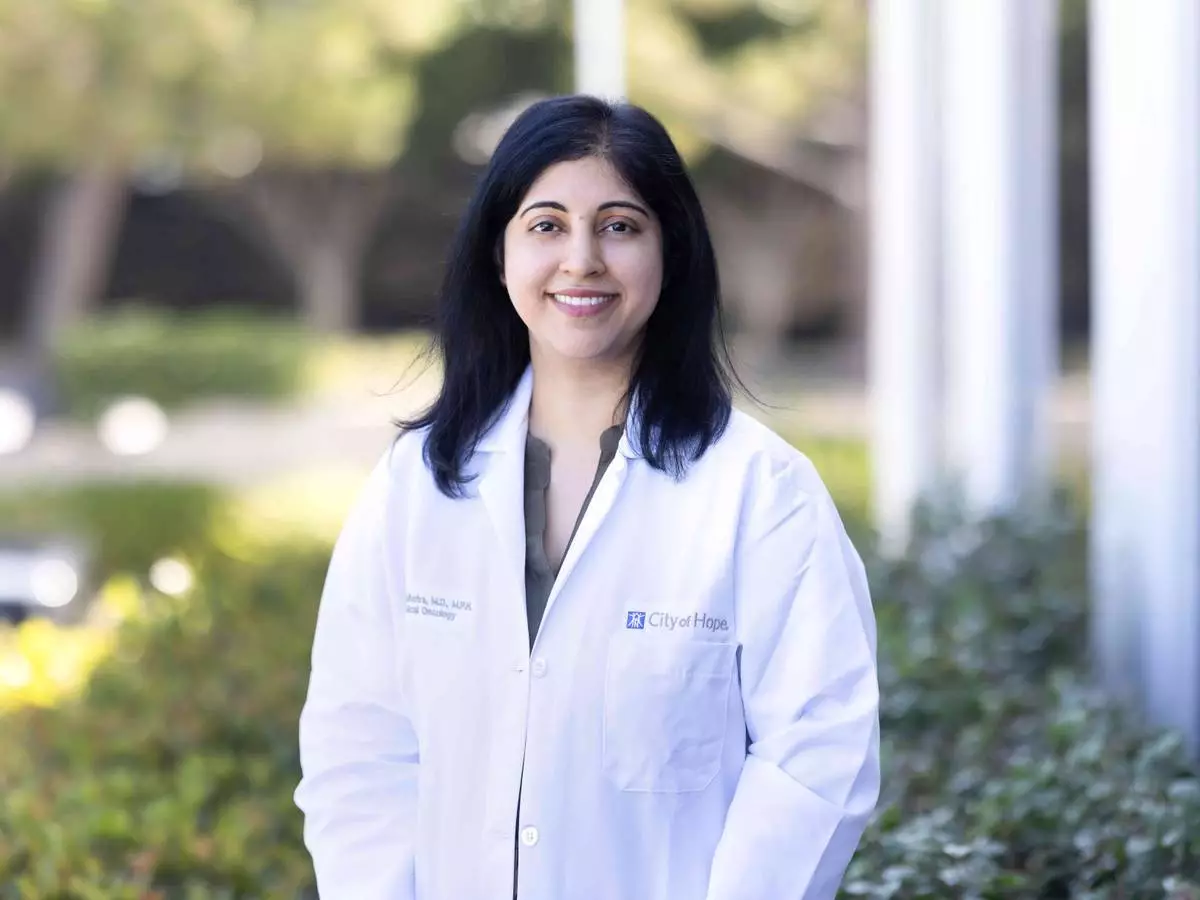
City of Hope's Jyoti Malhotra, M.D., M.P.H., is a principal investigator.
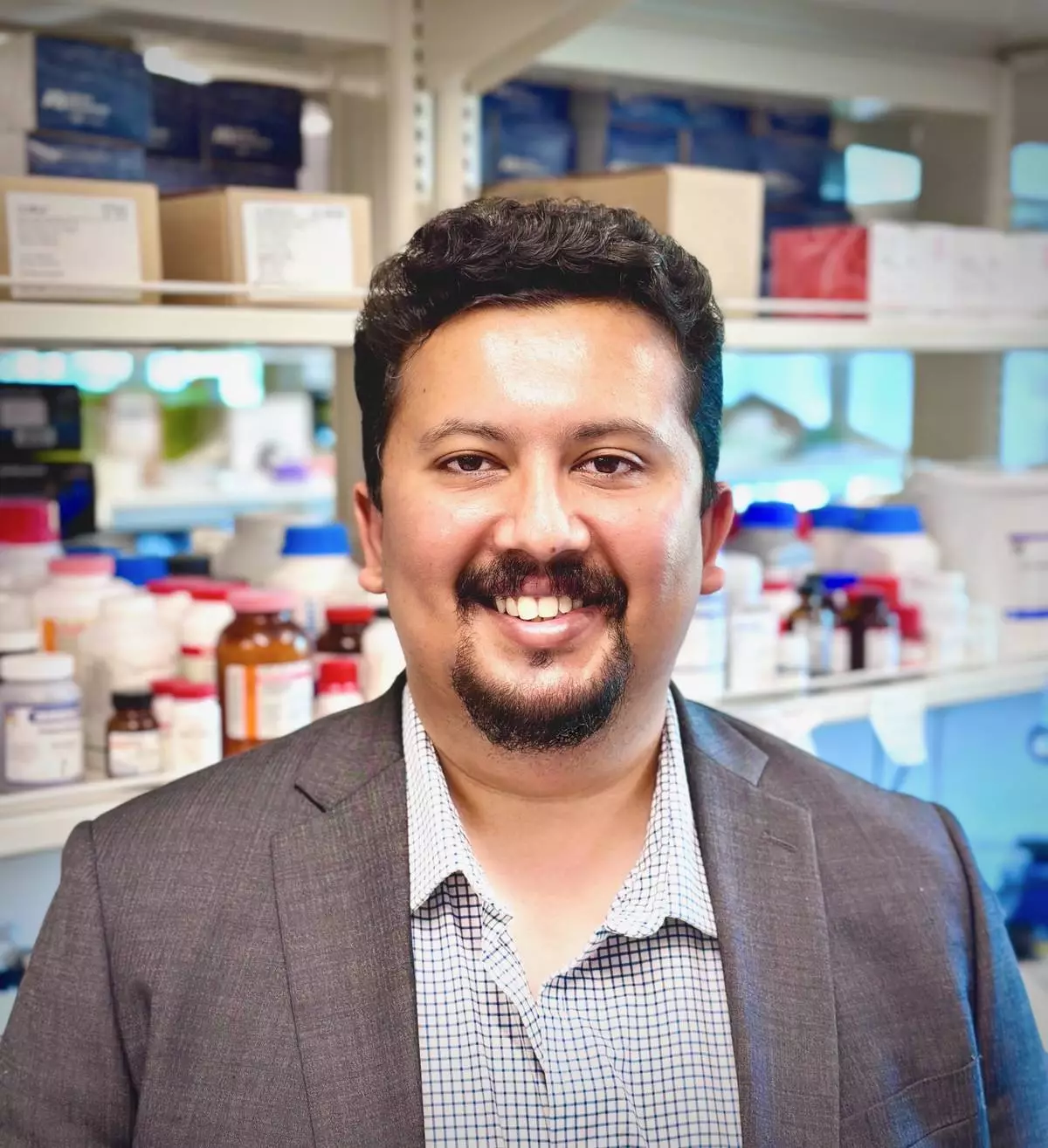
City of Hope's Jyoti Malhotra, M.D., M.P.H., is a principal investigator.

City of Hope's Aritro Nath, Ph.D., is a principal investigator.

City of Hope's Aritro Nath, Ph.D., is a principal investigator.

City of Hope's Ravi Salgia, M.D., Ph.D., is one of the principal investigators.

City of Hope's Ravi Salgia, M.D., Ph.D., is one of the principal investigators.
WASHINGTON (AP) — Becky Pepper-Jackson finished third in the discus throw in West Virginia last year though she was in just her first year of high school. Now a 15-year-old sophomore, Pepper-Jackson is aware that her upcoming season could be her last.

West Virginia has banned transgender girls like Pepper-Jackson from competing in girls and women's sports, and is among the more than two dozen states with similar laws. Though the West Virginia law has been blocked by lower courts, the outcome could be different at the conservative-dominated Supreme Court, which has allowed multiple restrictions on transgender people to be enforced in the past year.

The justices are hearing arguments Tuesday in two cases over whether the sports bans violate the Constitution or the landmark federal law known as Title IX that prohibits sex discrimination in education. The second case comes from Idaho, where college student Lindsay Hecox challenged that state's law.

Decisions are expected by early summer.

President Donald Trump's Republican administration has targeted transgender Americans from the first day of his second term, including ousting transgender people from the military and declaring that gender is immutable and determined at birth.

Pepper-Jackson has become the face of the nationwide battle over the participation of transgender girls in athletics that has played out at both the state and federal levels as Republicans have leveraged the issue as a fight for athletic fairness for women and girls.

“I think it’s something that needs to be done,” Pepper-Jackson said in an interview with The Associated Press that was conducted over Zoom. “It’s something I’m here to do because ... this is important to me. I know it’s important to other people. So, like, I’m here for it.”

She sat alongside her mother, Heather Jackson, on a sofa in their home just outside Bridgeport, a rural West Virginia community about 40 miles southwest of Morgantown, to talk about a legal fight that began when she was a middle schooler who finished near the back of the pack in cross-country races.

Pepper-Jackson has grown into a competitive discus and shot put thrower. In addition to the bronze medal in the discus, she finished eighth among shot putters.

She attributes her success to hard work, practicing at school and in her backyard, and lifting weights. Pepper-Jackson has been taking puberty-blocking medication and has publicly identified as a girl since she was in the third grade, though the Supreme Court's decision in June upholding state bans on gender-affirming medical treatment for minors has forced her to go out of state for care.

Her very improvement as an athlete has been cited as a reason she should not be allowed to compete against girls.

“There are immutable physical and biological characteristic differences between men and women that make men bigger, stronger, and faster than women. And if we allow biological males to play sports against biological females, those differences will erode the ability and the places for women in these sports which we have fought so hard for over the last 50 years,” West Virginia's attorney general, JB McCuskey, said in an AP interview. McCuskey said he is not aware of any other transgender athlete in the state who has competed or is trying to compete in girls or women’s sports.

Despite the small numbers of transgender athletes, the issue has taken on outsize importance. The NCAA and the U.S. Olympic and Paralympic Committees banned transgender women from women's sports after Trump signed an executive order aimed at barring their participation.

The public generally is supportive of the limits. An Associated Press-NORC Center for Public Affairs Research poll conducted in October 2025 found that about 6 in 10 U.S. adults “strongly” or “somewhat” favored requiring transgender children and teenagers to only compete on sports teams that match the sex they were assigned at birth, not the gender they identify with, while about 2 in 10 were “strongly” or “somewhat” opposed and about one-quarter did not have an opinion.

About 2.1 million adults, or 0.8%, and 724,000 people age 13 to 17, or 3.3%, identify as transgender in the U.S., according to the Williams Institute at the UCLA School of Law.

Those allied with the administration on the issue paint it in broader terms than just sports, pointing to state laws, Trump administration policies and court rulings against transgender people.

"I think there are cultural, political, legal headwinds all supporting this notion that it’s just a lie that a man can be a woman," said John Bursch, a lawyer with the conservative Christian law firm Alliance Defending Freedom that has led the legal campaign against transgender people. “And if we want a society that respects women and girls, then we need to come to terms with that truth. And the sooner that we do that, the better it will be for women everywhere, whether that be in high school sports teams, high school locker rooms and showers, abused women’s shelters, women’s prisons.”

But Heather Jackson offered different terms to describe the effort to keep her daughter off West Virginia's playing fields.

“Hatred. It’s nothing but hatred,” she said. "This community is the community du jour. We have a long history of isolating marginalized parts of the community.”

Pepper-Jackson has seen some of the uglier side of the debate on display, including when a competitor wore a T-shirt at the championship meet that said, “Men Don't Belong in Women's Sports.”

“I wish these people would educate themselves. Just so they would know that I’m just there to have a good time. That’s it. But it just, it hurts sometimes, like, it gets to me sometimes, but I try to brush it off,” she said.

One schoolmate, identified as A.C. in court papers, said Pepper-Jackson has herself used graphic language in sexually bullying her teammates.

Asked whether she said any of what is alleged, Pepper-Jackson said, “I did not. And the school ruled that there was no evidence to prove that it was true.”

The legal fight will turn on whether the Constitution's equal protection clause or the Title IX anti-discrimination law protects transgender people.

The court ruled in 2020 that workplace discrimination against transgender people is sex discrimination, but refused to extend the logic of that decision to the case over health care for transgender minors.

The court has been deluged by dueling legal briefs from Republican- and Democratic-led states, members of Congress, athletes, doctors, scientists and scholars.

The outcome also could influence separate legal efforts seeking to bar transgender athletes in states that have continued to allow them to compete.

If Pepper-Jackson is forced to stop competing, she said she will still be able to lift weights and continue playing trumpet in the school concert and jazz bands.

“It will hurt a lot, and I know it will, but that’s what I’ll have to do,” she said.

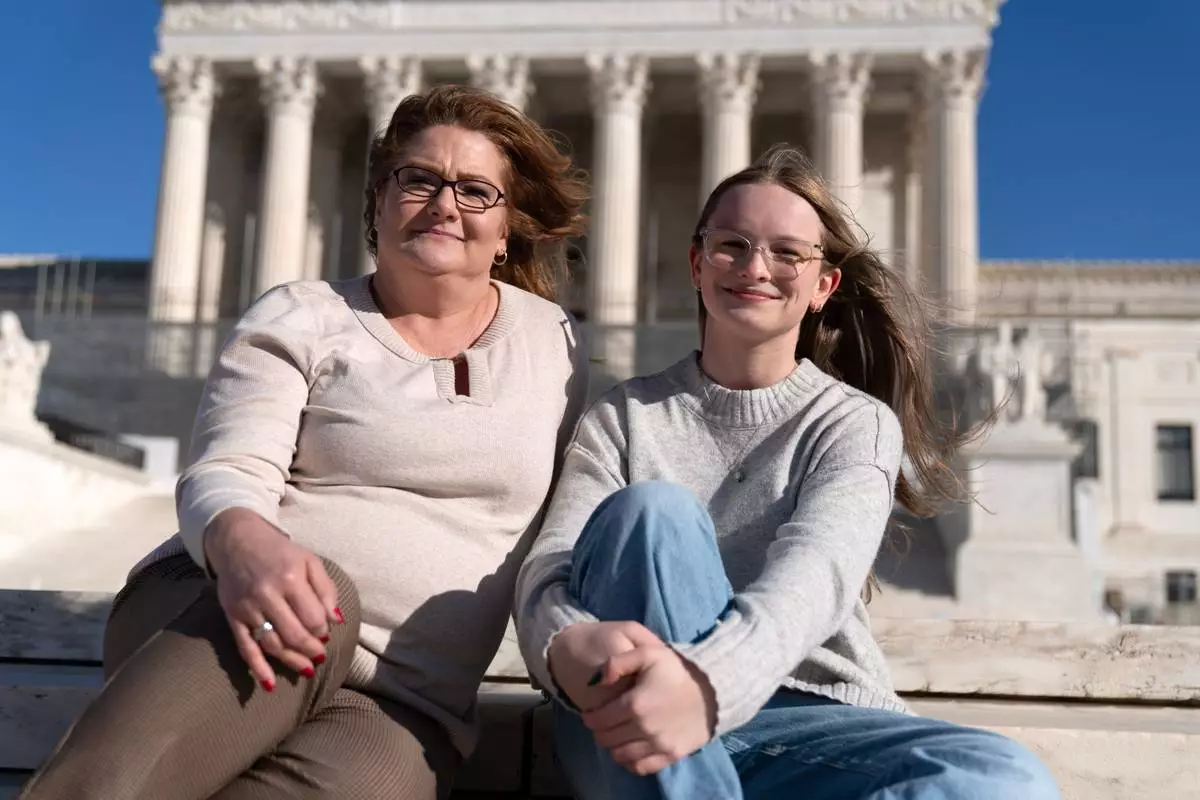
Heather Jackson, left, and Becky Pepper-Jackson pose for a photograph outside of the U.S. Supreme Court in Washington, Sunday, Jan. 11, 2026. (AP Photo/Jose Luis Magana)

Heather Jackson, left, and Becky Pepper-Jackson pose for a photograph outside of the U.S. Supreme Court in Washington, Sunday, Jan. 11, 2026. (AP Photo/Jose Luis Magana)

Heather Jackson, left, and Becky Pepper-Jackson pose for a photograph outside of the U.S. Supreme Court in Washington, Sunday, Jan. 11, 2026. (AP Photo/Jose Luis Magana)

Heather Jackson, left, and Becky Pepper-Jackson pose for a photograph outside of the U.S. Supreme Court in Washington, Sunday, Jan. 11, 2026. (AP Photo/Jose Luis Magana)

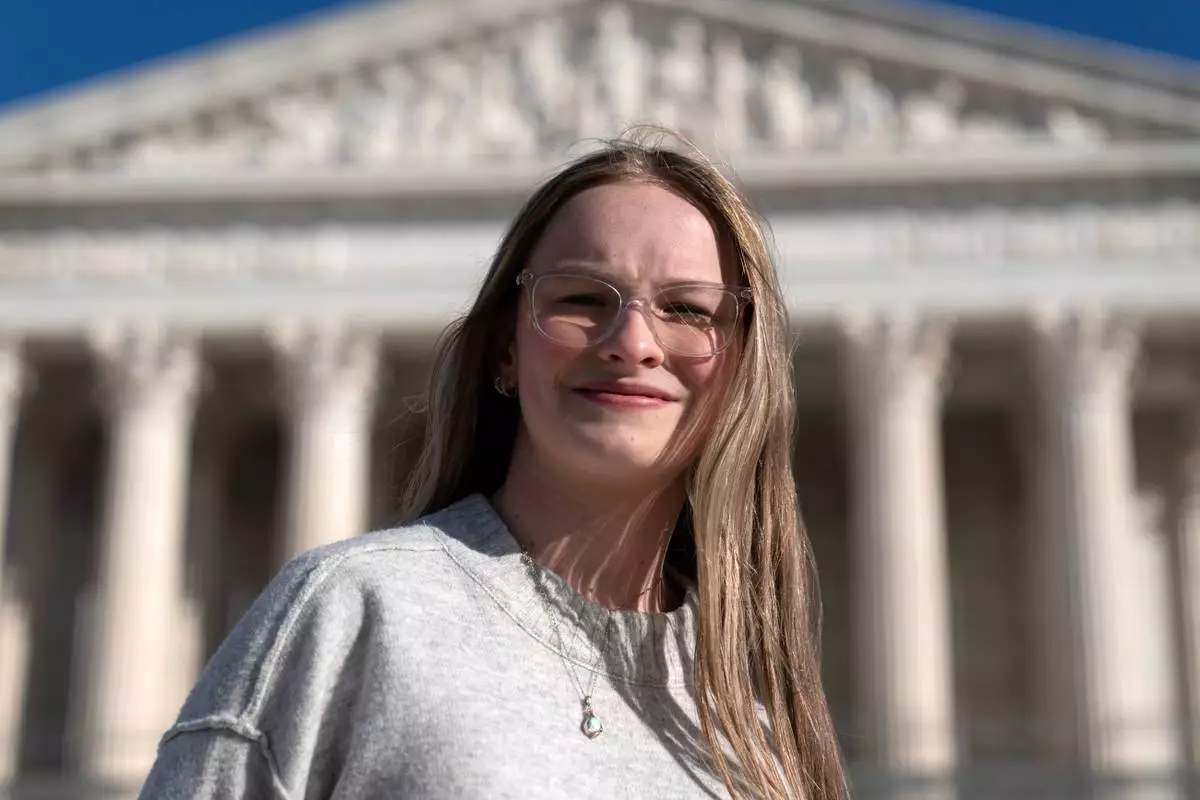
Becky Pepper-Jackson poses for a photograph outside of the U.S. Supreme Court in Washington, Sunday, Jan. 11, 2026. (AP Photo/Jose Luis Magana)

Becky Pepper-Jackson poses for a photograph outside of the U.S. Supreme Court in Washington, Sunday, Jan. 11, 2026. (AP Photo/Jose Luis Magana)

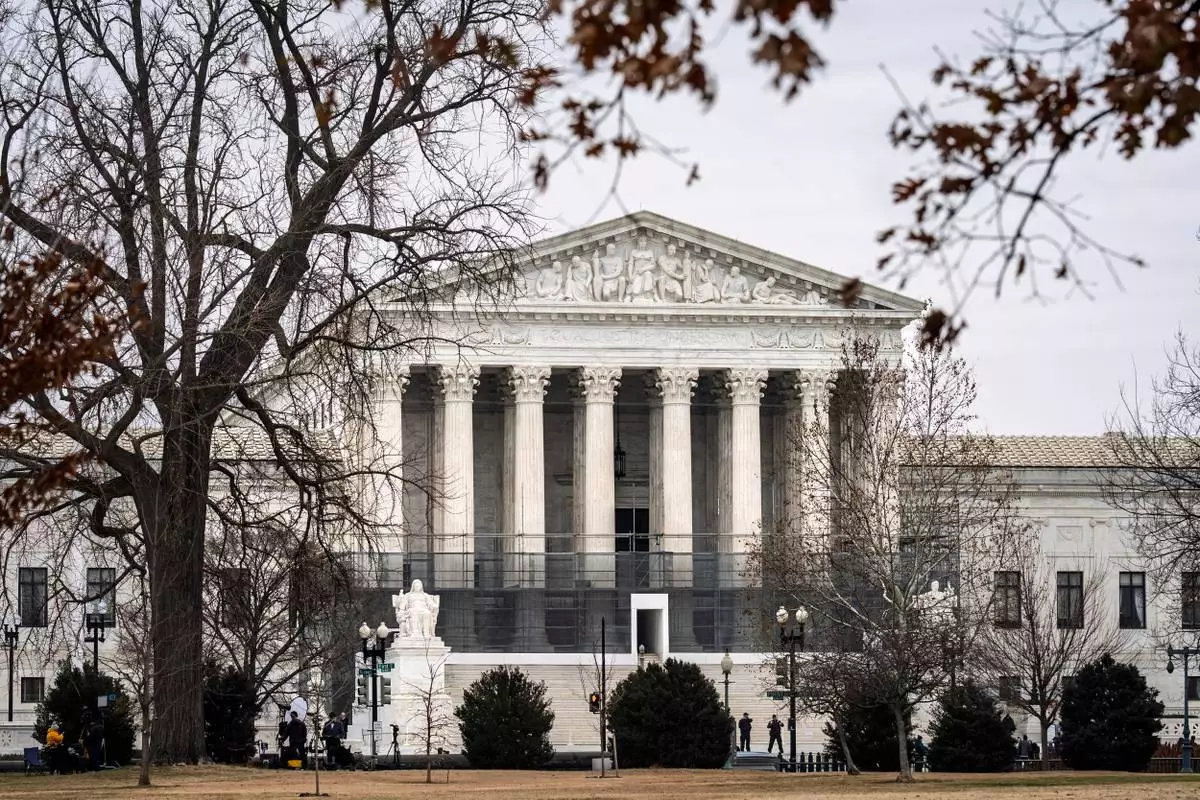
The Supreme Court stands is Washington, Friday, Jan. 9, 2026. (AP Photo/J. Scott Applewhite)

The Supreme Court stands is Washington, Friday, Jan. 9, 2026. (AP Photo/J. Scott Applewhite)

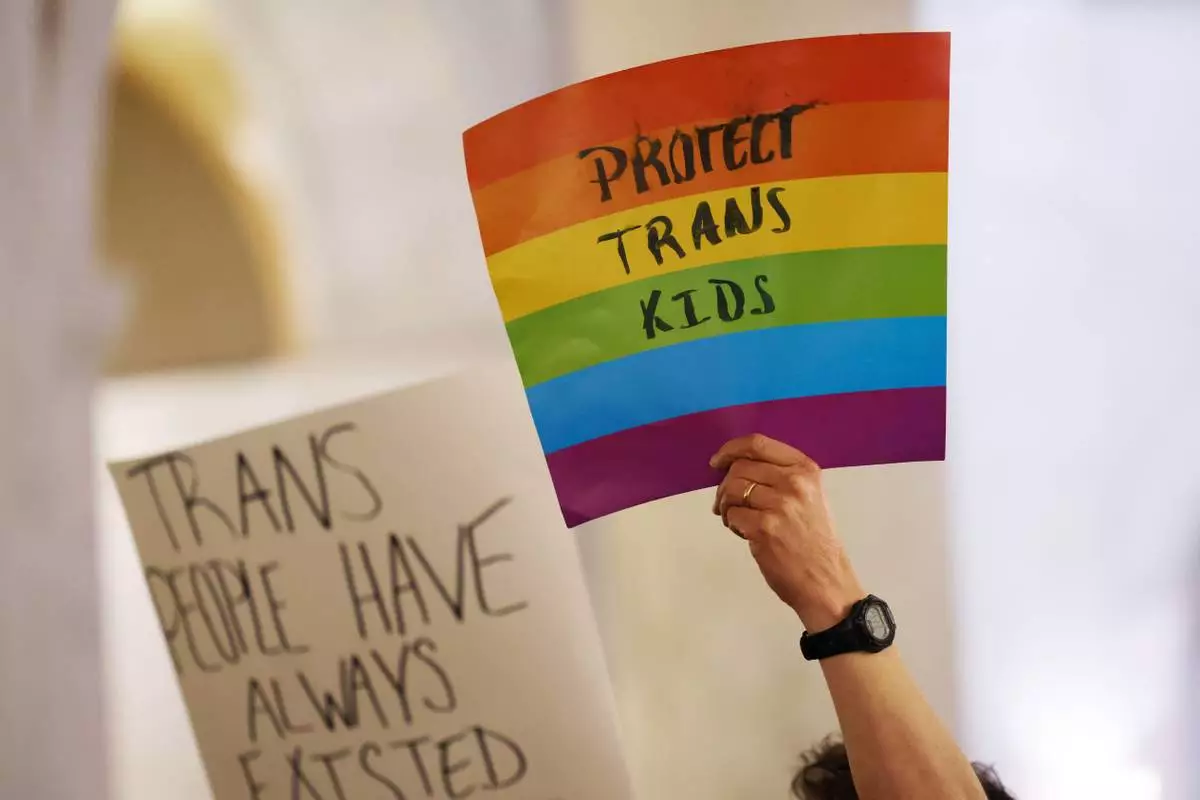
FILE - Protestors hold signs during a rally at the state capitol in Charleston, W.Va., on March 9, 2023. (AP Photo/Chris Jackson, file)

FILE - Protestors hold signs during a rally at the state capitol in Charleston, W.Va., on March 9, 2023. (AP Photo/Chris Jackson, file)

Recommended Articles