CHP updates antimicrobial guidelines and urges doctors to prescribe antimicrobials appropriately
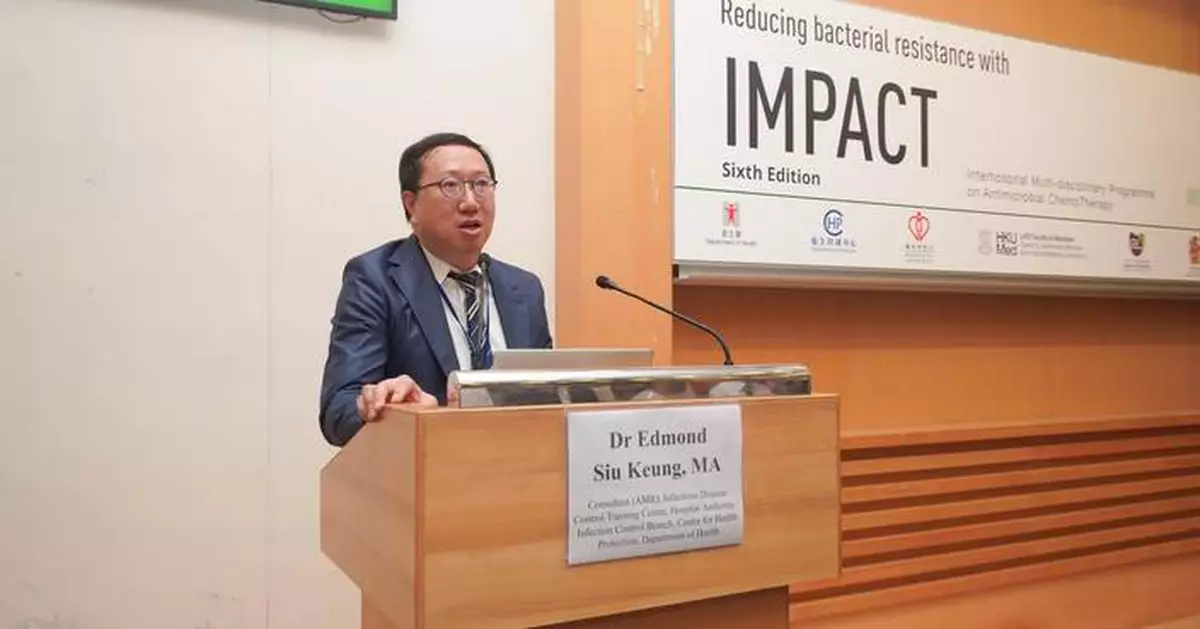
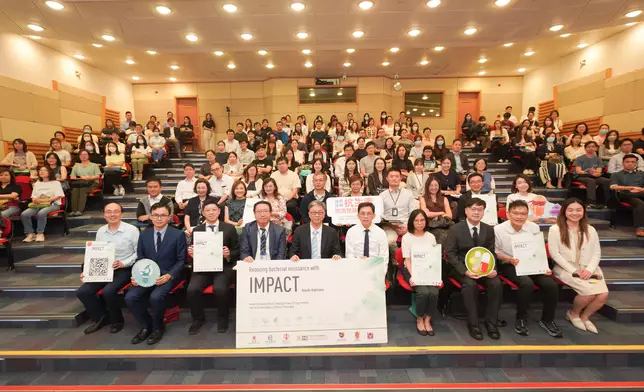
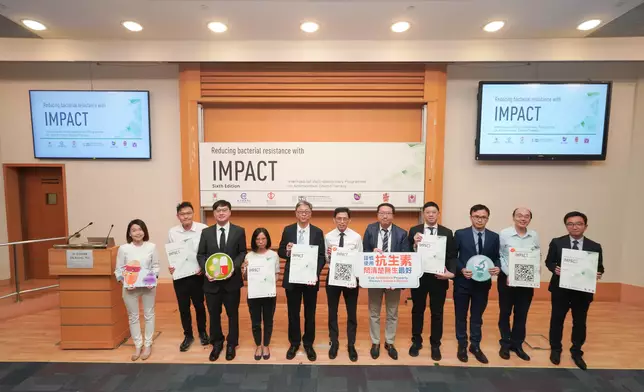
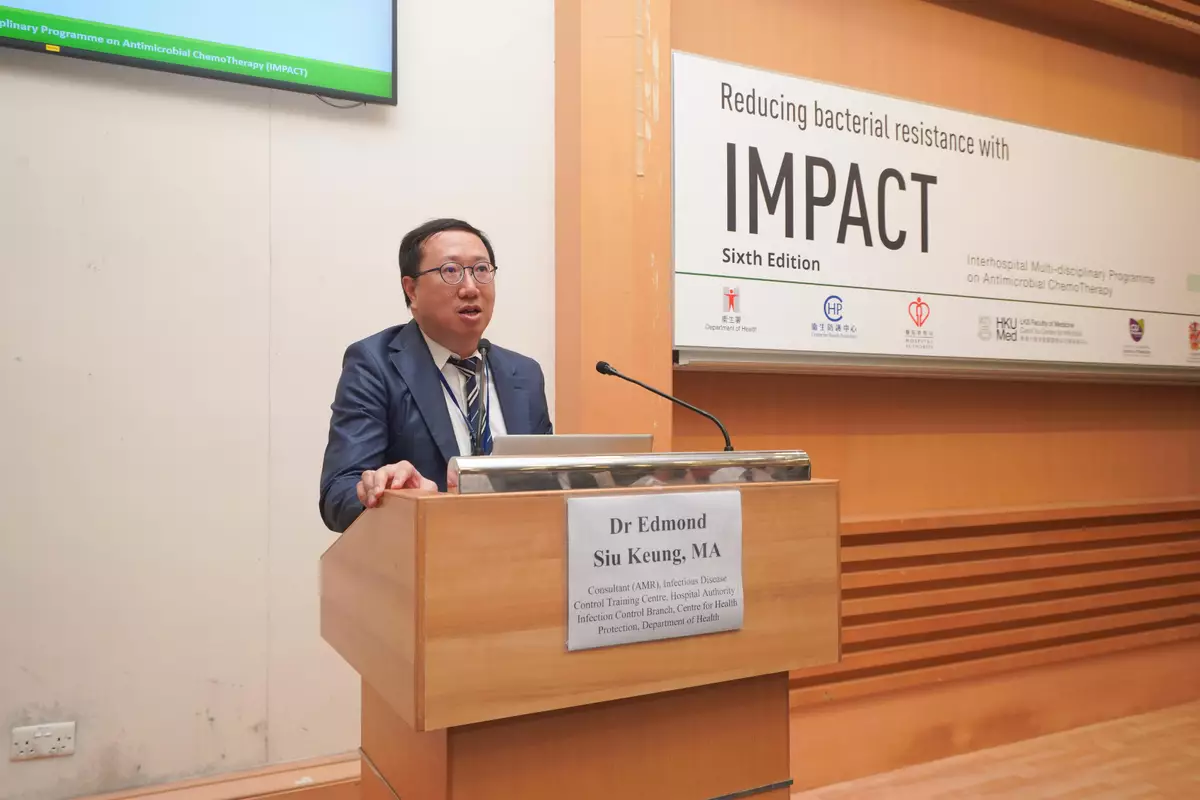
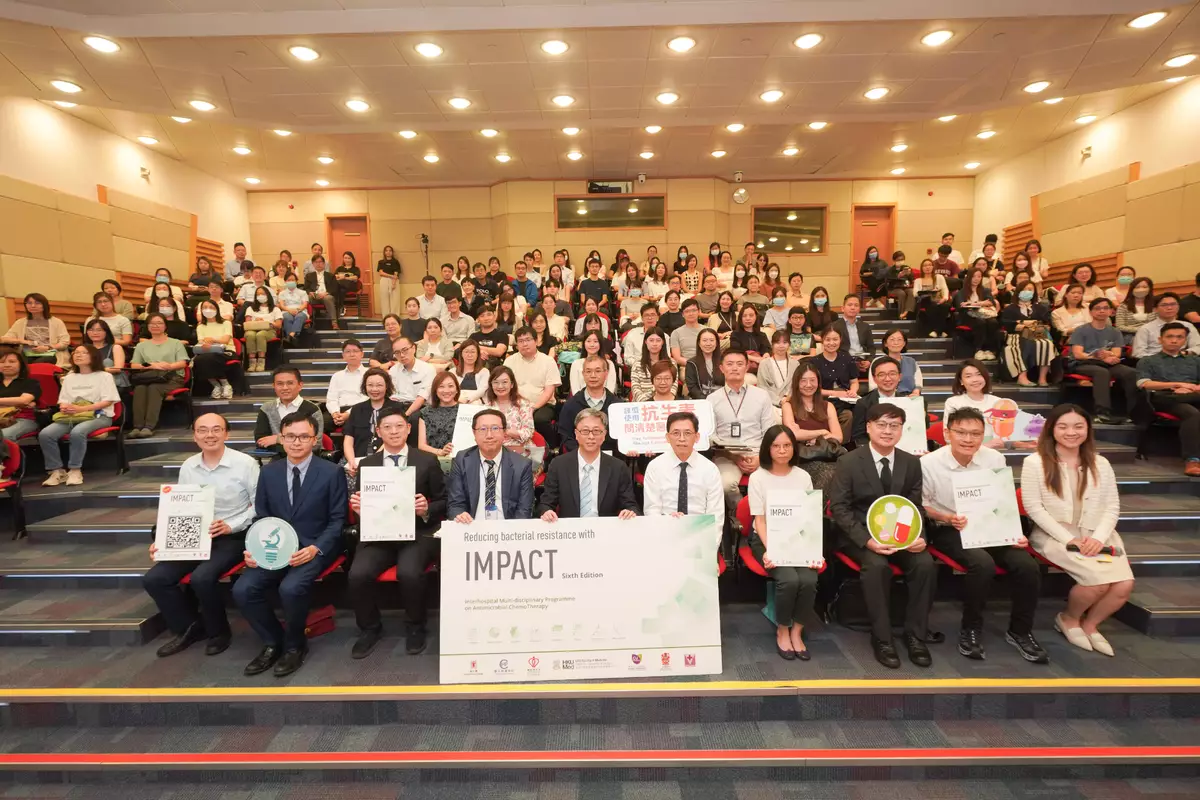
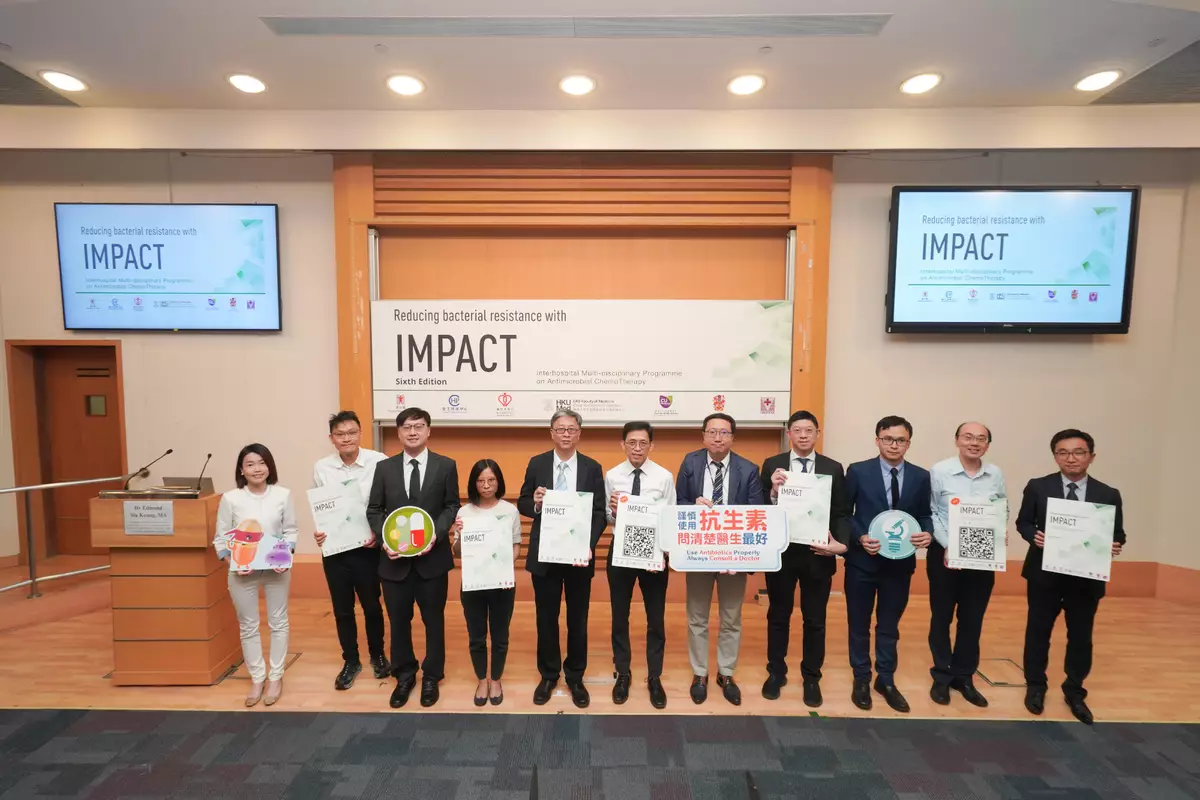
The Centre for Health Protection (CHP) of the Department of Health today (June 19) launched a new edition of antimicrobial guidelines entitled the Interhospital Multi-disciplinary Programme on Antimicrobial ChemoTherapy (IMPACT) Guidelines. These guidelines serve as a reference for doctors when prescribing antimicrobial drugs for inpatients, aiming to prevent overuse which may aggravate antimicrobial resistance (AMR).
Click to Gallery
CHP updates antimicrobial guidelines and urges doctors to prescribe antimicrobials appropriately Source: HKSAR Government Press Releases
CHP updates antimicrobial guidelines and urges doctors to prescribe antimicrobials appropriately Source: HKSAR Government Press Releases
CHP updates antimicrobial guidelines and urges doctors to prescribe antimicrobials appropriately Source: HKSAR Government Press Releases
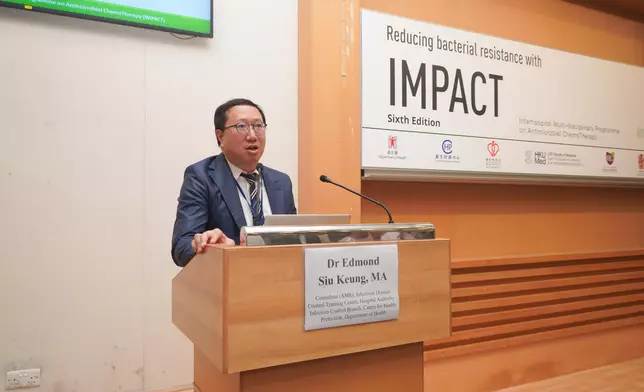
"In view of the evolving AMR situations, the CHP in collaboration with experts updated IMPACT based on local AMR data and the latest international and local literature for reference of doctors so that antimicrobials can be prescribed in a more accurate manner. The CHP organised a forum today to introduce the major updates of the guidelines, including the empirical therapy of common infections, antimicrobials for known pathogens and recommendations for surgical antimicrobial prophylaxis to over 150 participating healthcare professionals from the public and private sectors. Recommended dosing and adverse reactions for certain antimicrobials are also set out in the updated guidelines," said the Consultant (Antimicrobial Resistance) of the Infection Control Branch of the CHP, Dr Edmond Ma.
In addition to the forum for the medical field, the CHP also issued a Letter to Doctors today, urging them to refer to the new guidelines and prescribe the appropriate antimicrobials to patients in need. This will help curb the spread of drug resistance and safeguard the effectiveness of existing treatments.
Dr Ma added, "AMR occurs when microorganisms (such as bacteria and viruses) evolve and become resistant to previously effective medications.When patients are infected with drug-resistant bacteria, their illness may be prolonged, and their risk of death may even increase. The misuse and overuse of antibiotics are the major drivers of drug-resistant bacteria. Since the first edition of the IMPACT Guidelines was launched in 1999, it has become an important reference for healthcare professionals, helping to minimise unnecessary or inappropriate prescribing of antimicrobials. At the same time, it has become a key foundation for launching the Antimicrobial Stewardship Programme in public hospitals and will facilitate the enhancement of relevant measures in private hospitals in the future. According to the latest surveillance data, the proportion of antimicrobials in the Watch category (i.e. antimicrobials considered by the World Health Organization to be at a higher risk of developing drug resistance) in the total supply of antimicrobials in Hong Kong decreased from 40.3 per cent in 2016 to 34.6 per cent in 2024, indicating that doctors are prescribing relatively fewer broad spectrum antibiotics to help combat AMR."
The Government has been placing great importance on addressing the necessity of combating AMR. In 2022, the Government published the second Hong Kong Strategy and Action Plan on Antimicrobial Resistance (Action Plan), outlining strategies to tackle the threat of AMR from 2023 to 2027.The measures include reviewing and updating IMPACT, and reminding doctors to prescribe antimicrobials to patients in accordance with guidelines and scientific evidence.
The IMPACT set of guidelines, now in its 6th edition, are a collaborative effort among the CHP, the Hospital Authority, the Li Ka Shing Faculty of Medicine of the University of Hong Kong, the Faculty of Medicine of the Chinese University of Hong Kong, the Hong Kong Medical Association and the Hong Kong Private Hospitals Association. The CHP would like to express its sincere gratitude to the Editors, Dr Ho Pak-leung, Dr Wu Tak-chiu, and the other members of the Editorial Board.
The CHP also urged members of the public to work with healthcare professionals to eliminate AMR by observing the following:
 Consult a doctor when having a cold, flu or COVID-19. Do not buy antibiotics without a prescription at community pharmacies;
Do not demand antibiotics from doctors. Only take antibiotics when advised by doctors and complete the whole course of treatment even if symptoms have improved;
Follow health advice stated on the prescription bag and adopt appropriate infection control measures such as maintaining hand hygiene, wearing a surgical mask when having respiratory symptoms, and disinfecting and covering all wounds properly to prevent person-to-person spread of resistant bacteria when taking antibiotics;
Receive seasonal influenza and COVID-19 vaccines as effective means to prevent secondary bacterial infection, hence reducing the use of antibiotics and occurrence of AMR;
Be aware of the risk of acquiring resistant bacteria from ready-to-eat (RTE) food. People taking antibiotics or antacids, and high-risk populations (such as pregnant women, infants and young children, the elderly and people with weakened immunity) are of higher risk and should avoid eating raw or undercooked RTE foods; and
Observe good hygienic practices in the kitchen when handling food to minimise the risk of cross-contamination by resistant bacteria.
Consult a doctor when having a cold, flu or COVID-19. Do not buy antibiotics without a prescription at community pharmacies;
Do not demand antibiotics from doctors. Only take antibiotics when advised by doctors and complete the whole course of treatment even if symptoms have improved;
Follow health advice stated on the prescription bag and adopt appropriate infection control measures such as maintaining hand hygiene, wearing a surgical mask when having respiratory symptoms, and disinfecting and covering all wounds properly to prevent person-to-person spread of resistant bacteria when taking antibiotics;
Receive seasonal influenza and COVID-19 vaccines as effective means to prevent secondary bacterial infection, hence reducing the use of antibiotics and occurrence of AMR;
Be aware of the risk of acquiring resistant bacteria from ready-to-eat (RTE) food. People taking antibiotics or antacids, and high-risk populations (such as pregnant women, infants and young children, the elderly and people with weakened immunity) are of higher risk and should avoid eating raw or undercooked RTE foods; and
Observe good hygienic practices in the kitchen when handling food to minimise the risk of cross-contamination by resistant bacteria.
For details of the IMPACT Guidelines, please visit the IMPACT webpage (impact.chp.gov.hk/). For more information about AMR, please visit the CHP website.
CHP updates antimicrobial guidelines and urges doctors to prescribe antimicrobials appropriately Source: HKSAR Government Press Releases
CHP updates antimicrobial guidelines and urges doctors to prescribe antimicrobials appropriately Source: HKSAR Government Press Releases
CHP updates antimicrobial guidelines and urges doctors to prescribe antimicrobials appropriately Source: HKSAR Government Press Releases
Update on chikungunya fever
The Centre for Health Protection (CHP) of the Department of Health announced that, as of 5pm today (January 1), no new cases of chikungunya fever (CF) had been recorded.
Latest surveillance data
-----------------------------------------------------
Hong Kong has recorded a total of 82 confirmed CF cases this year. Among them, 11 were local cases, and the rest were imported cases.
Since the beginning of 2025, and as of December 10, a total of 502 264 CF cases and 186 CF-related deaths have been reported in over 40 countries/territories. Cases have been reported in the Americas, Africa, Asia, and Europe. Although the northern hemisphere has entered the winter season, temperatures in subtropical and some temperate regions remain elevated due to climate change, creating favourable conditions for mosquito breeding. In addition, CF outbreaks continue to occur in many countries worldwide. The risk of imported cases persists. Members of the public should check the situation of the destinations before travelling abroad, especially when travelling to Southeast Asian countries.
Government's comprehensive follow-up actions
-----------------------------------------------------
Given that some local cases of CF have visited the Tsing Yi Nature Trails or the surrounding area in November, the trails are currently closed until further notice. Relevant government departments continue to conduct large-scale mosquito control and prevention efforts along the trails, and the CHP appeals to the public not to enter the area in order to reduce the risk of contracting CF and to avoid exposure to chemicals or interfering with the mosquito control operations. Since the confirmation on December 10 of a case involving a person who had visited the Tsing Yi Nature Trails on November 30, no further local cases have been recorded to date. The CHP continues to urge individuals who have recently hiked along the Tsing Yi Nature Trails to seek medical attention as soon as possible if they develop relevant symptoms and to call the enquiry hotline (Tel: 2125 2373), which operates from 9am to 6pm.
The Food and Environmental Hygiene Department (FEHD) has been continuously conducting intensive fogging operations to eliminate adult mosquitoes along the Tsing Yi Nature Trails and the surrounding area. At suitable locations, large ultra-low volume foggers have been deployed, and a robot dog is being put on trial to enhance operational effectiveness. The FEHD has also set up new mosquito trapping devices, cleared discarded containers and garbage that could cause stagnant water, and applied larvicide oil or larvicides in areas with stagnant water that cannot be removed immediately. The FEHD has been collaborating with the Kwai Tsing District Office, the Lands Department and the Drainage Services Department to strengthen efforts in eliminating potential mosquito breeding sites along the Tsing Yi Nature Trails. Pamphlets have been distributed to hikers in the area, urging citizens to be vigilant against mosquito infestations and take personal protective measures. The FEHD has also held meetings of the interdepartmental task forces on anti-mosquito work across districts to discuss the latest developments regarding the situation and plan accordingly to co-ordinate relevant departments and stakeholders in strengthening mosquito prevention and control measures in areas under their purview.
Continuously strengthening prevention and control
---------------------------------------------------------
The FEHD and relevant departments have comprehensively enhanced the mosquito control operations in Hong Kong since July this year, and this has continued. Among these, the FEHD has conducted vector investigations and targeted mosquito control operations against the imported and local cases. In light of the local case, the FEHD has immediately conducted follow-up actions, including:
 carrying out intensive fogging in scrubby areas within a 250-metre radius of the relevant locations to kill adult mosquitoes;
carrying out inspections of the locations, removing stagnant water, applying insecticides and disposing of abandoned water containers every week with a view to preventing mosquito breeding; and
enhancing public education efforts through organising health talks, setting up mobile education stations, and distributing publicity leaflets.
carrying out intensive fogging in scrubby areas within a 250-metre radius of the relevant locations to kill adult mosquitoes;
carrying out inspections of the locations, removing stagnant water, applying insecticides and disposing of abandoned water containers every week with a view to preventing mosquito breeding; and
enhancing public education efforts through organising health talks, setting up mobile education stations, and distributing publicity leaflets.
The abovementioned measures will be continued. Furthermore, the Government will further enhance the mosquito control efforts in addition to the existing measures.
Preventive measures to be taken by the public
----------------------------------------------------
Members of the public should use DEET-containing insect repellents or other effective active ingredients properly to prevent mosquito bites, but the following precautions should be taken when using them:
read the label instructions carefully first;
apply right before entering an area with a risk of mosquito bites;
apply on exposed skin and clothing;
use DEET of up to 30 per cent for pregnant women and up to 10 per cent for children (for children who travel to countries or areas where mosquito-borne diseases are endemic or epidemic and where exposure is likely, those aged 2 months or above can use DEET-containing insect repellents with a DEET concentration of up to 30 per cent);
apply sunscreen first, then insect repellent;
reapply only when needed and follow the instructions; and
in addition to DEET, there are other insect repellents available on the market containing different active ingredients, such as IR3535 and picaridin. When using any insect repellent, the public should follow the usage instructions and precautions on the product label.
The FEHD also appeals to members of the public to continue to stay alert and work together to carry out mosquito prevention and control measures early, including inspecting their homes and surroundings to remove potential breeding grounds, changing water in vases and scrubbing their inner surfaces, removing water in saucers under potted plants at least once a week, and properly disposing of containers such as empty cans and lunch boxes. The FEHD also advises members of the public and property management agencies to keep drains free of blockage and level all defective ground surfaces to prevent the accumulation of water. They should also scrub all drains and surface sewers with an alkaline detergent at least once a week to remove any mosquito eggs.
The public should call 1823 in case of mosquito problems, and may visit the following pages for more information: the CF page of theCHPand theTravel Health Service, the latestTravel Health News,tips for using insect repellents, and the CHPFacebook Page,Instagram AccountandYouTube Channel, and also theMosquito Prevention and Control dedicated pageof theFEHD.
Source: AI-found images