China's toy market is booming, driven by consumers seeking emotional connection and companionship, transforming the industry into a thriving "emotional economy."
SoShow City, one of Beijing's most popular toy shopping destinations, has witnessed the shift firsthand. This place has been a treasure trove of toys and manga for over two decades. Now, it's keeping up with the growing trend of designer toys.
While the market has traditionally catered to younger generations, the appeal of collectible toys now spans across age groups. Sun Zheng, a collector in his 40s, explained his passion for Dragon Ball figures.
"I've been into these figures for over 20 years, since my university days. Back then, they weren't available on the Chinese mainland. I could only admire them online. It wasn't until I started working and they became accessible that I began collecting. Now, I'm mostly here for the nostalgia," said Sun Zheng, a garage kits enthusiast.
Many stores that once focused on garage kits now offer 'guzi', a term young collectors use for character merch like pins, keychains, and badges.
"Most of our customers are young. On holidays, lots of parents bring their kids to check out the shop," said Li Dong, shop assistant.
"We have been here for ten years. We used to only sell designer toys. A couple of years ago, we started carrying guzi merch. Now, everyone sells guzi," said Chen Zhiqiang, a shop owner.
This shift is also fueled by the growing popularity of domestic anime and games. For fans, buying merch is a way to express their connection to beloved characters and stories.
Last year, China's merch economy hit 23.8 billion U.S. dollars and is projected to reach over 42 billion U.S. dollars by 2029.
Companies like Chongker, which creates wearable pet replica backpacks, are tapping into the growing need for emotional companionship. In 2024 alone, the company's sales crossed a hundred million yuan.
"As people's material needs are met, they're left with more emotional gaps. Aging, being single, less social interaction, more people are spending time alone. That's why we believe products that offer emotional companionship will only become more essential," said Robin Lu, founder of Chongker.
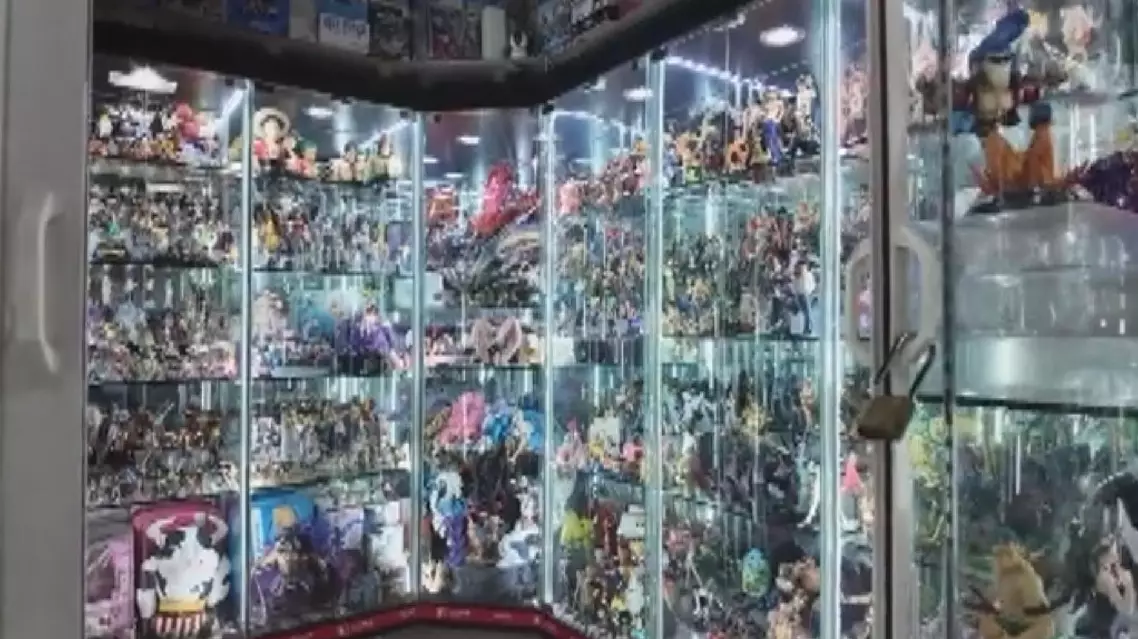
China's booming toy market driven by emotional connections fuels emotional economy
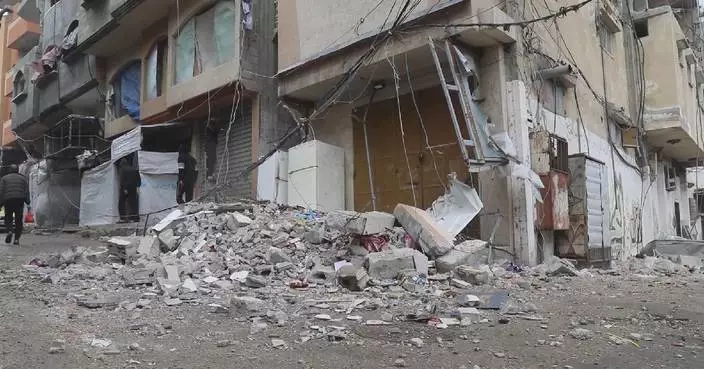
A major port in northern Venezuela came under U.S. airstrikes in the early hours of January 3, which caused extensive damage to civilian infrastructure, destroyed critical medical supplies in a warehouse, and severely impacted centuries-old cultural heritage sites, according to local residents.
The La Guaira Port, a vital hub for imports that support daily life in the region, was heavily damaged during the attack.
Large quantities of medical supplies stored at the port were destroyed. A historic cultural building dating back for some 300 years was also badly damaged by the bombardment.
Residents living near the port recalled the terrifying scenes as explosions shook nearby neighborhoods.
Humberto Bolivar, who lives in a community separated from the port by only a main road, said the blast waves shattered his home's windows, while stray shrapnel struck the water tank on his roof. According to reports, three missiles were fired at the port that night.
Bolivar said that beyond material losses, he is most concerned about the psychological impact on his children, who remain too frightened to leave their home days after the attack.
"The United States invaded our country. The children were frightened. This is not good for them, because it leaves some children with psychological trauma. They do not want to go to school or leave the house, because they are afraid that something worse might happen. We truly do not want this to happen to our country," he said.
Apart from civilian facilities, local cultural heritage site was also affected.
The La Guaira state government building, a structure with nearly 300 years of history and once served as the site of Venezuela's first national customs office, was struck by the force of the explosions.
Windows of the building were shattered, and furniture scattered across the floor.
"As people of La Guaira, we feel deep pain. Our cultural heritage has been bombed. We are living in constant anxiety and suffering, and life can no longer be the same as it was before," said a local named Henry Cumares.
The U.S. side has claimed the airstrikes targeted warehouses allegedly used to store narcotics. However, locals refuted such accusation.
"According to what Donald Trump said, they bombed this place using the excuse that the warehouses here were used to store drugs at the port. But based on the video released by our governor, these warehouses that were burned contained medicine for kidney patients and foods. Many people depend on these supplies to survive. I think the bombing is extremely despicable," said a local resident named Alejandro Capriles.
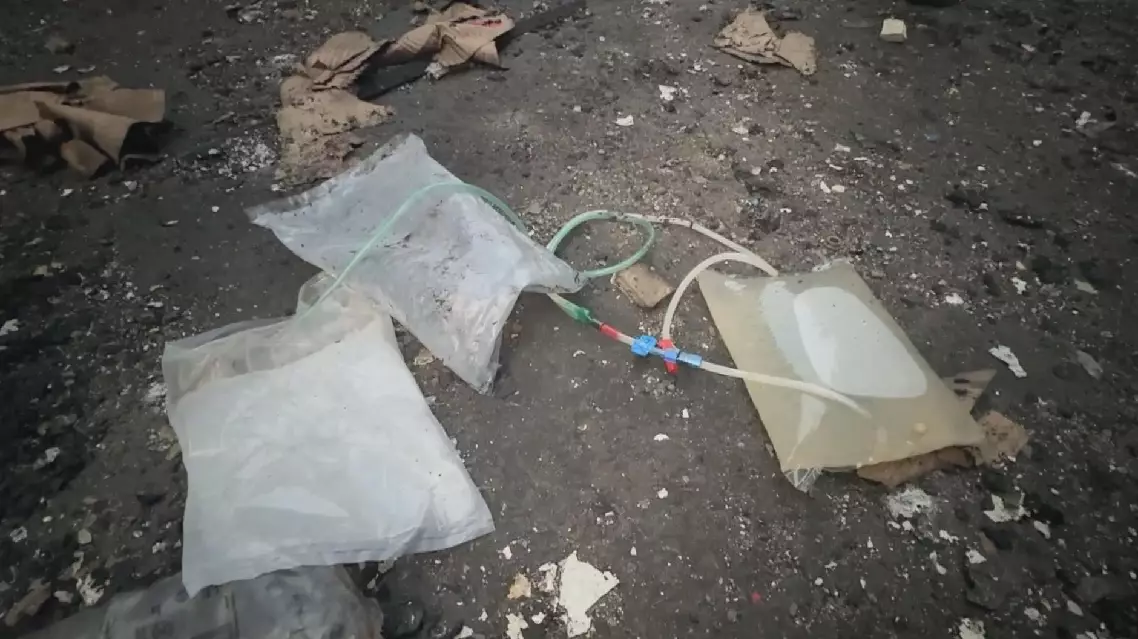
US strike hits Venezuelan port, wrecking medical supplies, heritage building