Skip to Content Facebook Feature Image

African analysts warn of potential disruptions to trade as Israel-Iran tensions escalate

China

China

China

African analysts warn of potential disruptions to trade as Israel-Iran tensions escalate

2025-06-22 15:50 Last Updated At:06-23 00:17

The Israel-Iran conflict is sending shockwaves through African markets, particularly those dependent on imported oil, as rising prices and potential supply chain disruptions threaten to exacerbate inflation and economic instability across the continent.

Analysts warn a prolonged conflict could trigger inflationary pressures and fuel shortages, further destabilizing economies already grappling with global uncertainties.

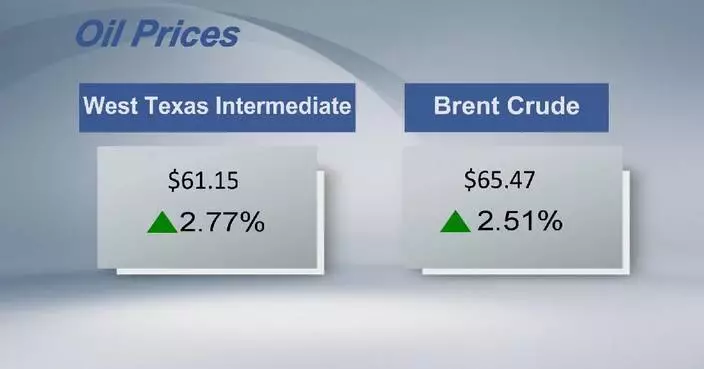
The conflict between Israel and Iran is already pushing up crude oil prices, and raising fears of potential supply disruptions in the Middle East.

According to Goldman Sachs' recently revised assessment of geopolitical risk in oil markets, Brent crude prices could climb by 10 dollars per barrel. Experts caution that if the Strait of Hormuz, a critical oil transit chokepoint that's controlled by Iran, is disrupted, prices could skyrocket.

"The prices for energy goods like oil, petroleum is going to rise and that is going to affect many African countries that primarily rely on fossil fuel to run their industries and to power their cars in the transport industry and factories," said Mustafa Ali, an international relations expert.

Oil importing countries across sub-Saharan Africa could face soaring fuel costs, which is feared could drive up inflation and strain foreign exchange reserves.

"Africa has to take up strategic repositioning to understand the dynamics of the conflict and what it means for them domestically and this means talking to populations around what is expected and what the likelihood of this conflict is going to be," said Cavince Adhere, an economic analyst.

Some analysts argue that the strikes will undermine global stability.

"We have no future in unilateralism, we have no future in hegemony, we have no future in preemptive attack, our future is in a strong multilateral order," said Peter Kagwanja, president and CEO of Africa Policy Institute.

On June 13, Israel launched airstrikes on Iran, targeting senior military officials, nuclear scientists, and civilians. In response, Iran retaliated with missile and drone strikes on Israeli locations, escalating an ongoing conflict marked by casualties and significant damage on both sides.

African analysts warn of potential disruptions to trade as Israel-Iran tensions escalate

African analysts warn of potential disruptions to trade as Israel-Iran tensions escalate

African analysts warn of potential disruptions to trade as Israel-Iran tensions escalate
African analysts warn of potential disruptions to trade as Israel-Iran tensions escalate

African analysts warn of potential disruptions to trade as Israel-Iran tensions escalate
African analysts warn of potential disruptions to trade as Israel-Iran tensions escalate
U.S. equities retreated on Tuesday as the fourth-quarter earnings season commenced with disappointing results from a major banking institution, overshadowed by ongoing policy debates and fresh inflation data.

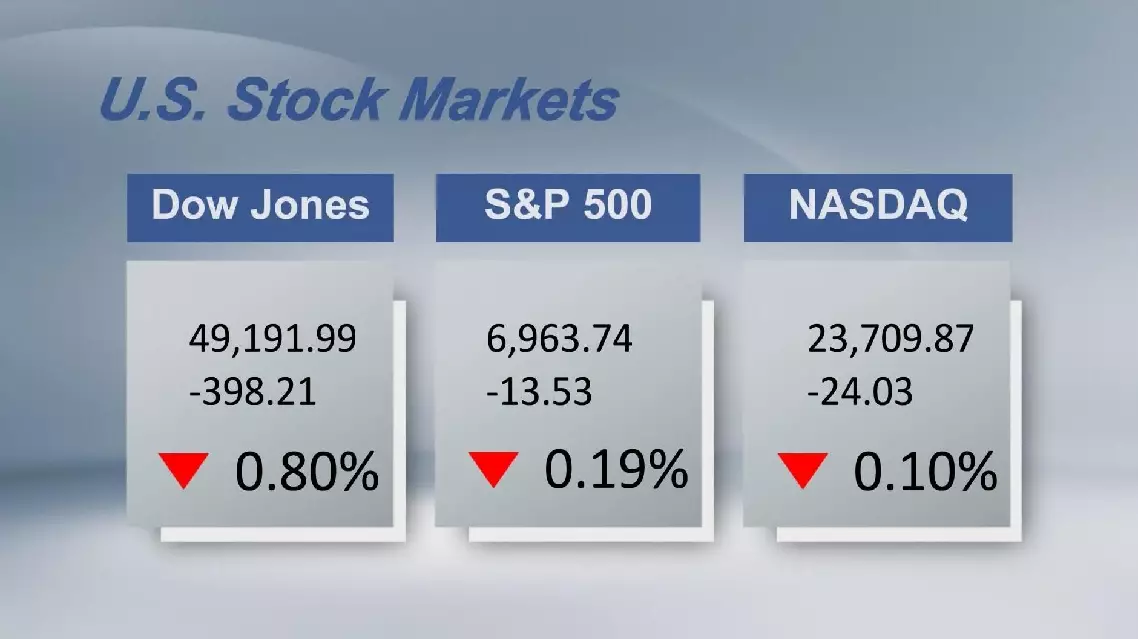
The Dow Jones Industrial Average dropped 398.21 points, or 0.8 percent, to 49,191.99. The Standard and Poor's 500 fell 13.53 points, or 0.19 percent, to 6,963.74, and the Nasdaq Composite Index lost 24.03 points, or 0.1 percent, to 23,709.87.

The financial sector led the session's decline. JPMorgan Chase, the nation's largest lender, reported quarterly earnings that fell short of expectations, impacted by a 2.2 billion U.S. dollar hit related to its Apple Card partnership. Shares of JPMorgan plummeted 4.19 percent, while Goldman Sachs followed with a 1.2 percent decline.

The banking industry's performance faced further pressure from continued scrutiny of U.S. President Donald Trump's proposal to cap credit card interest rates at 10 percent. JPMorgan CFO Jeremy Barnum signaled potential industry resistance to the plan, which was put forward late last week.

Conversely, the energy and consumer staples sectors bucked the downward trend, gaining 1.53 percent and 1.08 percent, respectively. Seven of the 11 primary Standard and Poor's 500 sectors ended the day in positive territory despite the losses in the major indices.

On the economic front, the Bureau of Labor Statistics' consumer price index report showed that inflation in the United States remained steady in December 2025. The headline annual rate remained at 2.7 percent, while core inflation, which excludes volatile food and energy costs, rose 2.6 percent over the previous year. This core figure represents the lowest annual increase since early 2021.

According to the CME FedWatch Tool, the steady inflation and cooling labor market have led traders to expect the Federal Reserve to maintain interest rates at its upcoming meeting at the end of January, with the first of two projected rate cuts anticipated in June.

U.S. stocks close lower as earnings season kicks off

U.S. stocks close lower as earnings season kicks off

Recommended Articles