HAD opens temporary heat shelters
The Home Affairs Department will continue to open 19 community halls/community centres as temporary heat shelters today (June 23).
The temporary heat shelters will remain open for people to take refuge from the heat when the Very Hot Weather Warning is in force. From 10.30pm to 8am the next day, the temporary heat shelters will also provide bedding and a sleeping place for people in need. The shelters are manned by duty attendants.
For further information, please call the department's hotline before midnight on 2572 8427.
The heat shelters are located at:
Hong Kong Island:
---------------------
Central and Western -
Sai Ying Pun Community Complex Community Hall
3/F, Sai Ying Pun Community Complex
2 High Street, Sai Ying Pun
Eastern -
Causeway Bay Community Centre
3/F, 7 Fook Yum Road, Causeway Bay
Southern -
Lei Tung Community Hall
Lei Tung Estate, Ap Lei Chau
Wan Chai -
Wan Chai Activities Centre
LG/F, Wan Chai Market, 258 Queen's Road East, Wan Chai
Kowloon:
------------------
Kowloon City -
Hung Hom Community Hall
1/F, Kowloon City Government Offices
42 Bailey Street, Hung Hom
Kwun Tong -
Lam Tin (West) Estate Community Centre
71 Kai Tin Road, Lam Tin
Sham Shui Po -
Shek Kip Mei Community Hall
G/F, Block 42, Shek Kip Mei Estate
Wong Tai Sin -
Tsz Wan Shan (South) Estate Community Centre
45 Wan Wah Street, Tsz Wan Shan
Yau Tsim Mong -
Henry G Leong Yaumatei Community Centre
60 Public Square Street, Yau Ma Tei
New Territories:
--------------------------
Islands -
Tung Chung Community Hall
G/F, Tung Chung Municipal Services Building, 39 Man Tung Road, Tung Chung
Kwai Tsing -
Kwai Shing Community Hall
Podium, Block 6, Kwai Shing West Estate, Kwai Chung
North -
Cheung Wah Community Hall
Cheung Wah Estate, Fanling
Sai Kung -
Hang Hau Community Hall
G/F, Sai Kung Tseung Kwan O Government Complex, 38 Pui Shing Road, Hang Hau, Tseung Kwan O
Sha Tin -
Lung Hang Estate Community Centre
Lung Hang Estate, Sha Tin
Tai Po -
Tai Po Community Centre
2 Heung Sze Wui Street, Tai Po
Tsuen Wan -
Lei Muk Shue Community Hall
G/F, Hong Shue House, Lei Muk Shue Estate, Tsuen Wan
Tuen Mun -
Butterfly Bay Community Centre
Butterfly Estate (near Tip Sum House), Tuen Mun
Yuen Long -
Long Ping Community Hall
Long Ping Estate, Yuen Long
Yuen Long -
Tin Yiu Community Centre
Tin Yiu Estate, Tin Shui Wai
In addition to the above heat shelters, a number of community halls/community centres can also be used for taking refuge from the heat during their operating hours. For their address details, please browse the following document: www.had.gov.hk/file_manager/en/documents/public_services/emergency_services/List_CH_CC_Day_E.pdf.
CHP investigates two suspected food poisoning clusters with epidemiological linkage
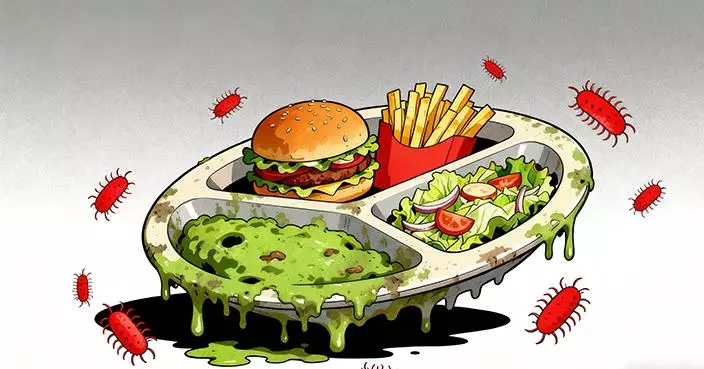
The Centre for Health Protection (CHP) of the Department of Health (DH) is today (January 9) investigating two epidemiologically linked suspected food poisoning clusters affecting 39 students from two primary schools. The students developed symptoms after consuming lunch provided by the Sailing Boat Luncheon Production Limited. The CHP reminded the public to maintain good personal, food and environmental hygiene to prevent foodborne diseases.
The first cluster involves 12 boys and 16 girls aged between 6 and 11. They attend a primary school in Sham Shui Po. The investigation revealed that the affected students developed abdominal pain and diarrhoea approximately three to 31 hours after eating school lunch containing fish, chicken cutlets, sauce, garnish and rice, which was provided by the abovementioned school lunch supplier on January 6.
While investigating the first cluster, the CHP of the DH traced the supply chain of the school lunch supplier and identified another cluster, involving eight boys and three girls, aged between 10 and 12, who attend a primary school in Diamond Hill. The investigation revealed that the affected students developed abdominal pain and diarrhoea approximately five to 15 hours after eating lunch containing chicken, cervelat sausage, sauce and fusilli at school yesterday (January 8). The food concerned was also provided by the same school lunch supplier.
None of the affected students required hospitalisation and they are all currently in stable condition.
Officers of the CHP and the Food and Environmental Hygiene Department, including personnel of the Centre for Food Safety (CFS) and the Environmental Hygiene Branch, have inspected the food factory of the school lunch supplier concerned and the kitchen of the first school. They inspected the food storage, the food preparation process and environmental hygiene. Investigation revealed that some food items, such as meat and sauce, were prepared at the food factory, while the other food items, such as rice and garnish, were prepared at the school kitchen. It is suspected that some food items were prepared too early in advance. The CFS immediately instructed the premises concerned to suspend operations for thorough cleaning and disinfection, improve food preparation process and hygiene standards. The CFS has provided food safety and environmental hygiene education to the staff. Food and environmental samples were collected for testing.
The investigation of the CHP and CFS is ongoing.
To prevent foodborne diseases, members of the public are reminded to maintain personal, food and environmental hygiene at all times. When dining out, one should:
 Avoid eating raw seafood;
Be a discerning consumer in choosing cold dishes, including sashimi, sushi and raw oysters at a buffet;
Choose pasteurised eggs, egg products or dried egg powder for dishes that often use undercooked eggs;
Patronise only reliable and licensed restaurants;
Ensure food is thoroughly cooked before eating during a hotpot or barbecue meal;
Handle raw and cooked foods carefully and separate them completely during the cooking process;
Use two sets of chopsticks and utensils to handle raw and cooked foods;
Avoid patronising illegal food hawkers;
Drink boiled water;
Susceptible populations, including those with weakened immunity, the elderly, pregnant women and young children are at a higher risk of foodborne diseases, so they should not consume raw or undercooked foods;
Refrain from trying to use salt, vinegar, wine or wasabi to kill bacteria as they are not effective; and
Always wash hands before eating and after going to the toilet.
Avoid eating raw seafood;
Be a discerning consumer in choosing cold dishes, including sashimi, sushi and raw oysters at a buffet;
Choose pasteurised eggs, egg products or dried egg powder for dishes that often use undercooked eggs;
Patronise only reliable and licensed restaurants;
Ensure food is thoroughly cooked before eating during a hotpot or barbecue meal;
Handle raw and cooked foods carefully and separate them completely during the cooking process;
Use two sets of chopsticks and utensils to handle raw and cooked foods;
Avoid patronising illegal food hawkers;
Drink boiled water;
Susceptible populations, including those with weakened immunity, the elderly, pregnant women and young children are at a higher risk of foodborne diseases, so they should not consume raw or undercooked foods;
Refrain from trying to use salt, vinegar, wine or wasabi to kill bacteria as they are not effective; and
Always wash hands before eating and after going to the toilet.
Source: AI-found images