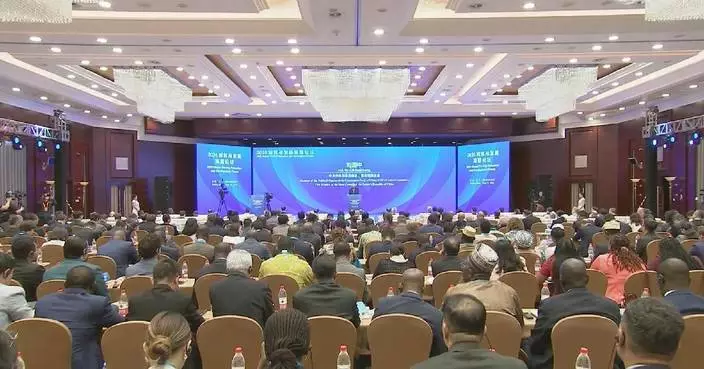
The Asian Infrastructure Investment Bank (AIIB) opened its 10th annual meeting in Beijing on Tuesday, with the three-day event celebrating a decade of advancing infrastructure connectivity and sustainable development across Asia and beyond.
Founded in 2015 as a China-initiated multilateral development bank, AIIB now counts 110 members, covering 81 percent of the global population and 65 percent of global GDP. It has received the highest AAA credit ratings from the three major international rating agencies.
In an exclusive interview with China Media Group (CMG) during the annual meeting, AIIB President Jin Liqun said the bank is expanding its vision to support not only traditional infrastructure but also new forms of development.
"We are now investing in projects under the new infrastructure framework, including digital economy, internet access, and urban renewal such as subway upgrades. All of our projects aim to improve livelihoods, promote economic sustainability, protect the environment and reduce emissio," Jin said.
As of the end of 2024, AIIB has approved 322 projects totaling more than 60 billion U.S. dollars in investments, benefiting 38 members across and beyond Asia. The bank's investments have supported over 51,000 kilometers of transportation infrastructure and improved access to safe drinking water for around 8.7 million people.
Its energy investments have added 21.3 million kilowatts of renewable energy capacity and are expected to reduce nearly 30 million tonnes of carbon dioxide equivalent in emissions annually.
Jin emphasized that AIIB offers more than just funding to help members achieve long-term progress.
"AIIB is the only multilateral development bank where developing countries are the majority shareholders and developed countries are the minority. We focus on the construction and development of infrastructure to drive sustainable growth and poverty reduction. But we're not just providing capital, we also offer technical expertise and a new development philosophy," he said.
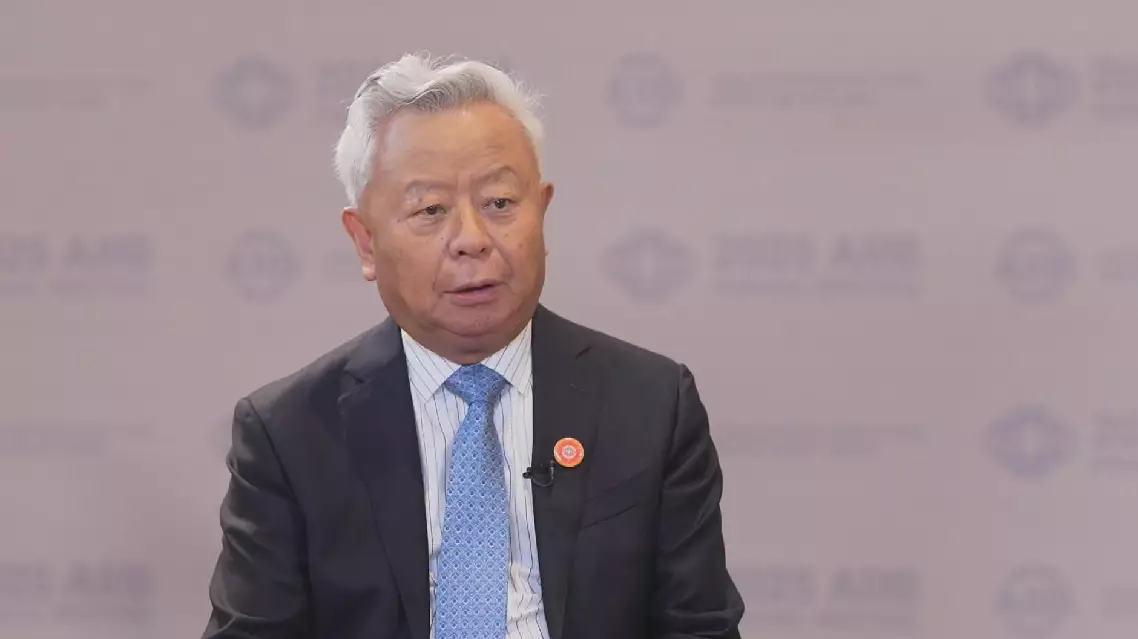
AIIB marks 10th anniversary with focus on sustainable, future-oriented infrastructure
AIIB marks 10th anniversary with focus on sustainable, future-oriented infrastructure
The Global Partnership for Poverty Alleviation and Development (GPPAD) was officially launched on Wednesday at the ongoing 2026 Global Poverty Reduction and Development Forum in Beijing, according to an announcement made at the event.
Jointly initiated by China, 53 other countries, and nine international organizations, the GPPAD marks a milestone in global poverty-reduction efforts, the announcement said.
While encouraging members to pursue poverty-reduction and development strategies suited to their own conditions, the GPPAD will promote exchanges of experience in poverty reduction and governance, and jointly explore pathways to eradicate poverty at its roots, according to the announcement.
The partnership welcomes the participation of governments, international organizations, the private sector, academia and media institutions, to foster a fair, inclusive, non-discriminatory and sustainable development environment together, the announcement added.
Speaking at the forum, Chinese Vice Premier Liu Guozhong said that China will support the GPPAD in strengthening policy dialogue, technical demonstrations and talent training, to help developing countries build stronger poverty-reduction capacity.
Scholars and government officials hailed the importance of this global effort in reducing poverty.
"Today, you have the opportunity of countries coming together to say, in a way we failed, but we don't have to. We can work together through partnership to address issues that collectively as a globe, we said we would do eight years ago, whatever it is, 10 years ago, but have not done so. So it's importance is this opportunity, this celebration of working together, we can really achieve things," said Robert Walker, Professor of the School of Social Development and Public Policy of Beijing Normal University, who is also an Emeritus Fellow at Green Templeton College at the University of Oxford.
"Within this platform, we will have access to more knowledge, partnerships, and economic and social cooperation, allowing us to learn from the experience of China and other countries, so that we can accelerate the pace and make the commitment. The problem of poverty is a global problem for humanity, so the strategies for reducing it must also be global strategies, concerted strategies, that allow, first, to end hunger, drastically reducing the level of poverty by 2030," said Salimo Ismael Vala, Minister of Planning and Development of Mozambique.
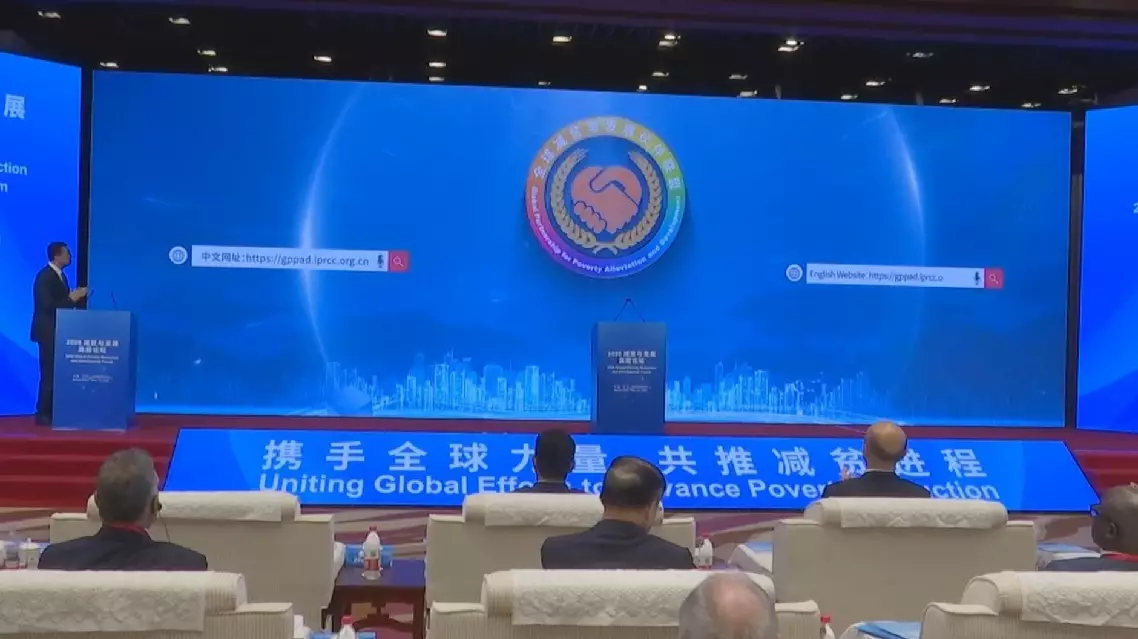
Global partnership launched in Beijing to fight poverty, promote development