Analysts have pointed to the "calm and balanced" response of the Gulf nations amid the current Middle East crisis but note there is still considerable concern across the region, underlining the level of trust with the United States has been shaken after the U.S. military intervention on Iranian nuclear facilities.
Following an intense exchange of attacks between Israel and Iran, the situation took another turn late on Saturday when U.S. President Donald Trump announced that the U.S. Air Force had bombed three Iranian nuclear sites of Fordow, Natanz, and Isfahan.
The attacks triggered airspace closures and set off diplomatic alarms across the Gulf, while Iran later launched a missile attack on a U.S. military base in Qatar in response.
Although Iran's retaliatory attack on the Al Udeid Air Base near Doha was designed to avoid casualties, analysts warn of longer-term consequences if the situation is not properly resolved.
Azza Hashem, research director at the Al Habtoor Research Center, a think tank in the Egyptian capital Cairo, said the U.S. involvement, which was made without the approval of the United Nations Security Council, could set a dangerous precedent.
"When other nations decide to attack another country, they now have precedence that this can take place without the consent of the [UN] Security Council. This creates chaos in the international community, because no country will be held accountable. This war could lead to a nuclear arms race, simply because some realize now that if Iran had nuclear power, it would not have been subject to such harsh strikes," said Hashem.
Given the precarious nature of the situation, many praised the level of restraint and calm response shown by Gulf nations amid the flare up.
"Since these strikes broke out, we've seen a calm and balanced role for the Gulf Cooperation Council (GCC) countries. They condemned the Israeli attacks on Iran and called for de-escalation. There is great concern that these exchanged strikes may continue between Israel and Iran. Therefore, we can see important efforts being exerted from balancing powers, like China, Russia and Türkiye to encourage them to return to peaceful negotiations," said Ghanem Al-Sulaimani, another Cairo-based political analyst.
The U.S. operates military bases in five of the six GCC countries, and despite these bases being perceived as possible targets for retaliation, no Gulf nation appears willing to reconsider the presence of these bases, with many believing they still hold an important strategic role in the region.
"The presence of U.S. military bases doesn't represent a threat to GCC countries. It is part of the strategic partnership alliances the GCC built over many years. Targeting Al Udeid in Qatar as a response to the strikes on Iran is an unjustified response to a country that has good ties with Iran. This doesn't mean the U.S. military bases are a threat. On the contrary, they play an important role in protecting maritime navigation and regional stability," said Abdulla Elhamy, chief editor of the Al Watan Newspaper in Bahrain.
Still, Hashem cautioned that this doesn't mean nations across the region fully trust U.S. decisions in the region.
"Trust between the United States and Arab countries has been shaken. America has proven that it is an unsafe ally to some Arab countries," she said.
Trump announced that a ceasefire between Iran and Israel would begin around 0400 GMT on Tuesday, with the U.S. president telling reporters at the NATO summit in The Hague on Wednesday that it is going "very good," following days of intense military escalation between the two foes.
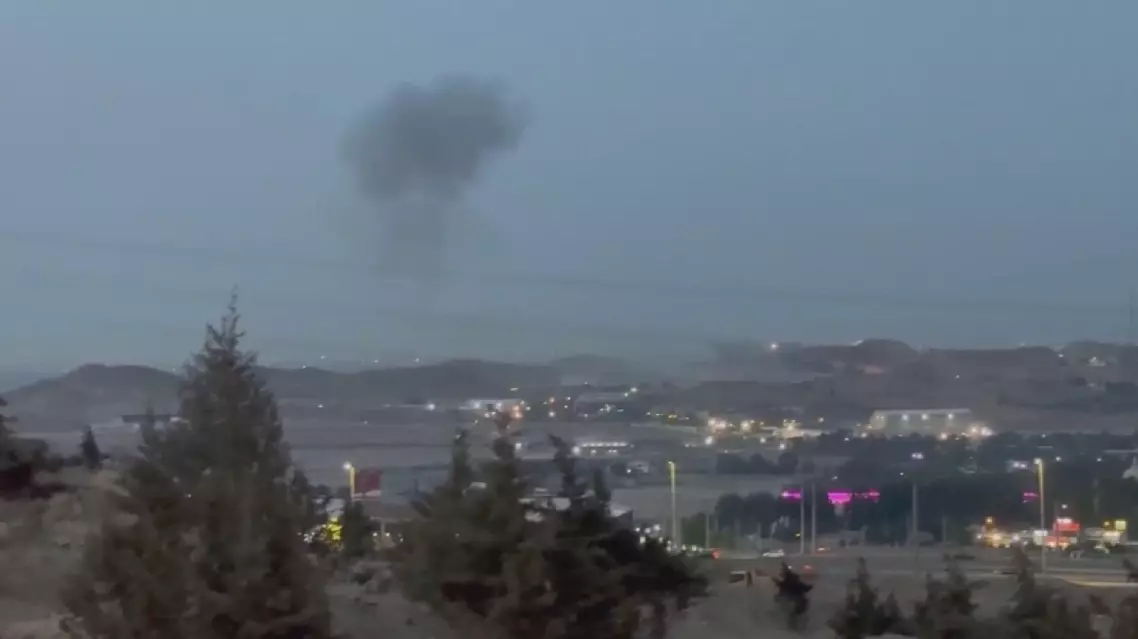
Concerns remain among Gulf nations as trust shaken following US attack on Iran: analysts
Concerns remain among Gulf nations as trust shaken following US attack on Iran: analysts