German business insiders have expressed their discontent with U.S. President Donald Trump's threat to slap a 50 percent tariff on European goods, warning that coercive tactics would disorder global supply chains.
Trump has warned that the United States will impose 50 percent tariffs on all EU goods starting July 9 if no agreement is reached. Currently, most EU products are subject to a 10 percent tariff, while automobiles and auto parts face 25 percent duties, and steel and aluminum imports are taxed at 50 percent.
German think-tank the ifo Institute on Monday released a report, indicating that if the United States fully implements tariff escalation, German exports to the United States would fall accordingly by 38.5 percent, while German manufacturing would shrink by 2.8 percent once the economy has fully adjusted.
The report specifically highlights that the U.S. tariffs would hit the automotive and pharmaceutical industries particularly hard: while the automotive industry would have to expect losses in value added of up to 6 percent, the pharmaceutical industry could even see losses of up to 9 percent. And positive effects from trade diversion to other markets could partially cushion the losses.
"Customer feedback indicates that the U.S. tariff policies have resulted in substantial uncertainty, including both direct and indirect effects, such as rising costs forcing companies to adjust their plans. Even businesses that already manufacture in the U.S. cannot achieve full-chain vehicle production, as some components still need to be imported from overseas, causing supply chain disruptions and additional uncertainties," said Thomas Spanuth, Associate Partner at SET Management Consulting.
Against the background of increasing uncertainty, many experts have called for strengthening coordination with major trading partners such as China and maintaining an open and fair global market order.
"As two major exporting nations, both Germany and China support a rules-based global trade and investment system. I sincerely hope that Germany and China can once again become drivers of this international rules-based order. I am also confident that through bilateral cooperation, we can jointly shape global norms and prevent the world from fragmenting into isolated blocs," said Thorsten Giehler, head of Economy, Employment, Social Development of Deutsche Gesellschaft fuer Internationale Zusammenarbeit (GIZ) GmbH, a service provider for international cooperation for sustainable development and international educational work.
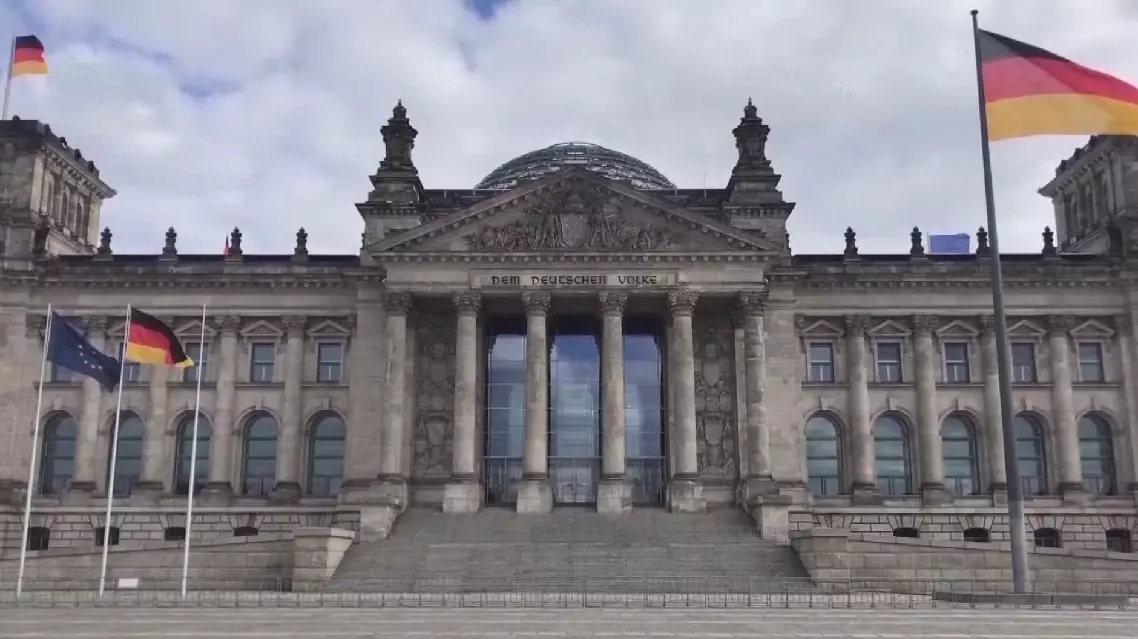
German business insiders slam US unilateral tariff policies for disrupting global supply chains
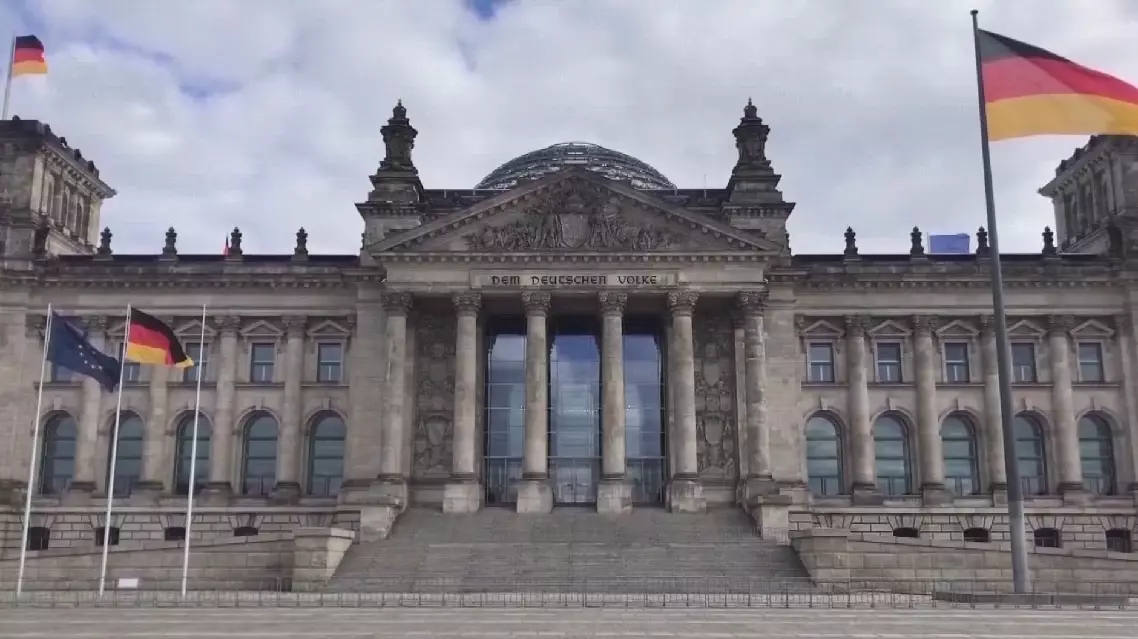
German business insiders slam US unilateral tariff policies for disrupting global supply chains