New majors and research programs focused on carbon neutrality and related fields at China's universities remain hotly sought-after choices among young Chinese students applying for admission into higher-learning institutions after the gaokao, or national college entrance examination, this year.
To support national development goals, the Ministry of Education has announced the addition of 29 new undergraduate majors across Chinese universities, many of them aligned with the country's strategic priorities in emerging sectors including artificial intelligence, carbon neutrality, and the low-altitude economy.
One of the newly added majors this year is "Carbon Neutrality Science and Engineering", as the country aims to train more human resources to attain its ambitious climate targets of reaching peak carbon emissions by 2030 and achieving carbon neutrality by 2060.
The Beijing Normal University, the University of Science and Technology Beijing and the Kunming University of Science and Technology are the first batch of Chinese universities that have established institutes dedicated to carbon neutrality research.
"Many students are applying for this major, as they have kept track of what the country has been doing to achieve its 'dual carbon' goals and the prospects held out by a green, low-carbon transition of the economy," said Zhao Dongliang, deputy dean of the Institute of Science and Technology for Carbon Neutrality at Southeast University, one of China's oldest and most prestigious universities located in Nanjing, capital of Jiangsu Province in the east. The university established its own specialized carbon neutrality research institute a few years ago.
The carbon neutrality-related programs are in integration of interdisciplinary research across various fields, including engineering, natural sciences, economics, and social sciences, so that the universities can nurture next-generation professionals capable of tackling the multifaceted challenges of climate change.
For instance, the program at the University of Science and Technology Beijing, known for its steel programs, will integrate materials science with metallurgy to facilitate the transition of smoke-heavy traditional industries like steel.
"Carbon neutrality is a systematic major unlike the single-discipline arrangements we made previously when developing related programs. We are required to take a more systematic perspective when considering what low-carbon development requires," said Wang Shuize, a research fellow with the university's Institute for Carbon Neutrality.
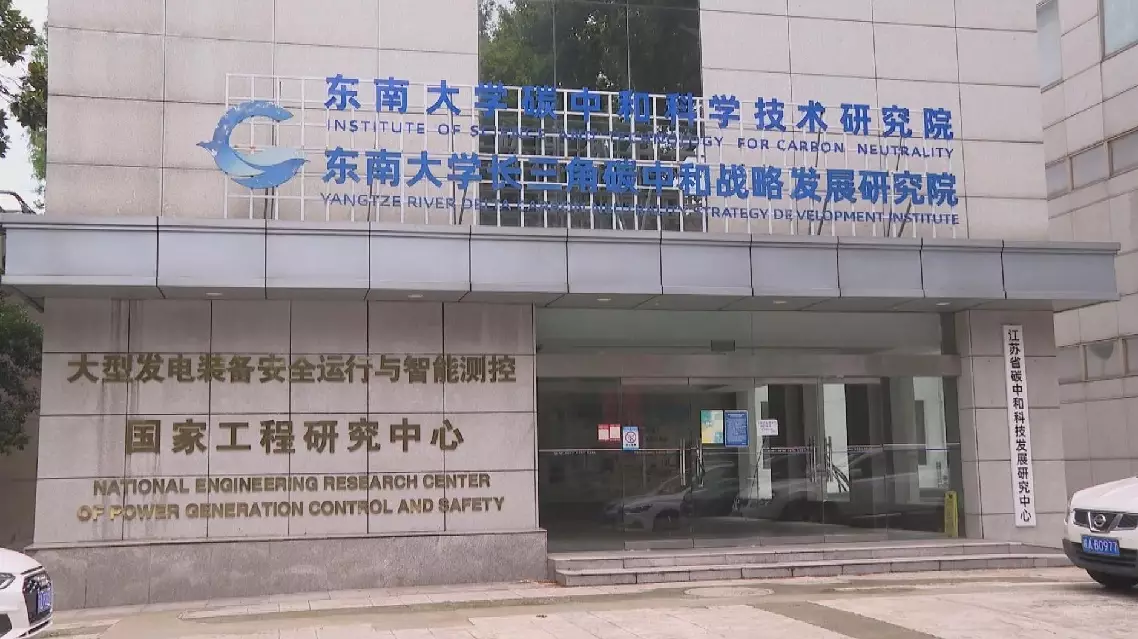
Carbon neutrality-related research programs popular among Chinese university applicants