The "one country, two systems" principle is a gift for Hong Kong, Macao and even to the world, said Priscilla Leung Mei-fun, Hong Kong legislator and a deputy to the National People's Congress (NPC).
During an interview with China Global Television Network (CGTN), Priscilla Leung Mei-fun said the principle is a long-term national strategy benefiting Hong Kong, the Chinese mainland as well as the international community.
"Hong Kong has demonstrated a peaceful handover to solve a historical wrong out of war. And if you look around the world, no other country can solve this without bloodshed, but China can. And this model has allowed Hong Kong to enjoy a different system from the mainland of China, and both systems are developing to our best. We try to make the best standard out of the capitalist system in Hong Kong, and the mainland of China under the central government also makes their best effort to show the best of the socialist system," she said.
"It works for 28 years now. It seems that it has really worked quite well. Because China has made use of the special system, both economic system, political system and cultural system, legal system to enhance the development of the mainland of China, now becoming the second [largest] economy of the world. And they've also learned from the legal practice and the rule of law, how to develop into the international law, how to build up a strong role, clear role in the world," she continued.
As a small economy, Hong Kong benefits from a market of the motherland with more than 1.4 billion people, Leung said.
"So when we come across crisis in different years, we have overcome it sort of very comfortably with the support of our motherland," she said.
"One country" refers to a unified country, which is the People's Republic of China. The central government has overall jurisdiction over the country's two Special Administrative Regions (SARs) -- Hong Kong and Macao.
"Two systems" means the SARs adopt different social systems and policies from those on the mainland. This allows Hong Kong and Macao to maintain their capitalist systems and ways of life within socialist China.
"China has made their best efforts to protect the 'one country, two systems'. From my observation in the past 28 years, if it is not necessary to safeguard the public interest at the political and economic stability of Hong Kong, China actually would really leave everything for the Hong Kong government, for the Hong Kong community to make our own decision until we may ask for their help, like when we are facing economic crisis, we might need the help from the central government for some additional policy to help us. Apart from that, actually China has adopted a very self restraint -- the minimum attitude," Leung said.
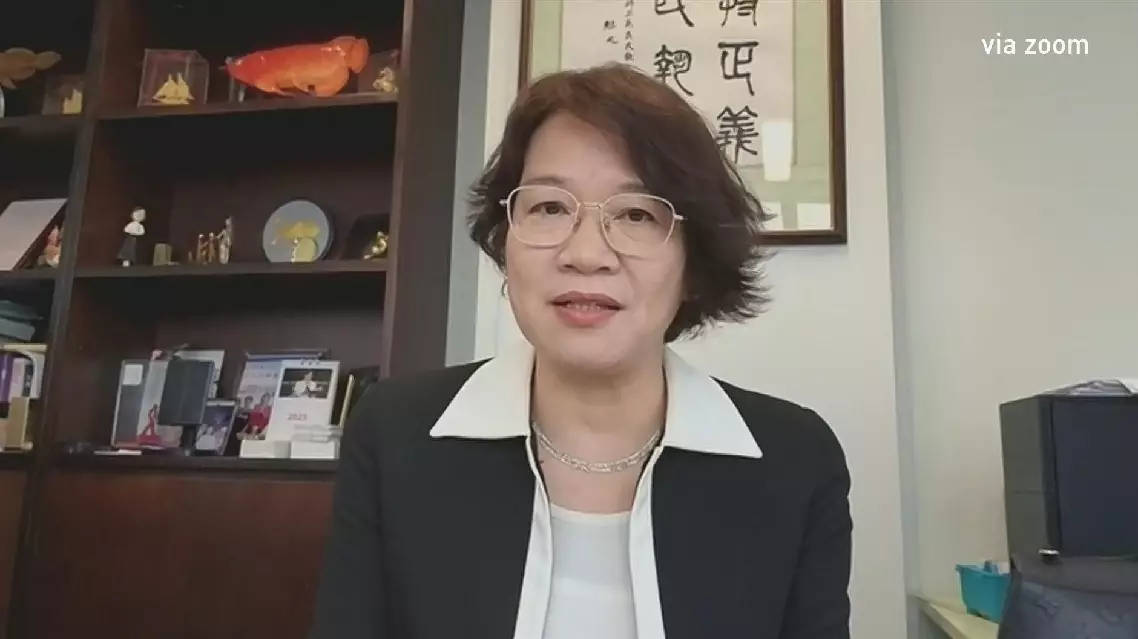
"One country, two systems" principle a gift for Hong Kong, Macao: legislator