Tapachula in southern Mexico is currently hosting thousands of migrants stranded at the Guatemalan border, most of whom do not plan to reach the United States and are uncertain about their future.
The city's streets are filled with a diverse mix of cultures and accents, as many migrants are waiting for documents to regularize their status, or seeking ways to earn a living to eventually return to their home countries.
"There will always be people who have not lost hope that this will change and will continue to come as always," said Helbert Bermúdez, administrator of the Jesús El Buen Pastor Shelter.
Sofia, one of the migrants, left her home country just days before U.S. President Donald Trump took office for the second time. Fleeing violence, she was forced to pay gangs to permit her to sell tortillas.
She migrated with the hope that her situation would improve, but now she only feels uncertainty.
"All I did was coming here and seeking what I thought would save me. I didn't know if I should go to the U.S. I didn't even know where to turn," she said.
Sofia and her two daughters have been living in the shelter for more than six months. This week, she received her temporary residence permit allowing her to work, and so she isn't considering returning to her home country for the moment.
In contrast, migrants like Castellanos have been expelled from the U.S. back to Mexico. Having lived on the northern side of the border for 40 years, he now feels out of place in Mexico.
Castellanos was expelled for driving under the influence. He acknowledges his mistake but knows it won't bring back the family he left in the U.S. He claims to know the routes and the steps to the U.S., viewing his stay in Tapachula as only temporary.
"If hunger, thirst, fatigue and suffering don't stop me, Donald Trump doesn't stop me," he said.
Migrants who remain in Tapachula report that the process to regularize their residency in the country can take six to eight months. While waiting to find work, they face lower wages compared with those earned by Mexicans or documented migrants.
A good number of them have chosen to travel, often without funds, to Central America in search of better opportunities, mainly Costa Rica, or to return to their home countries.
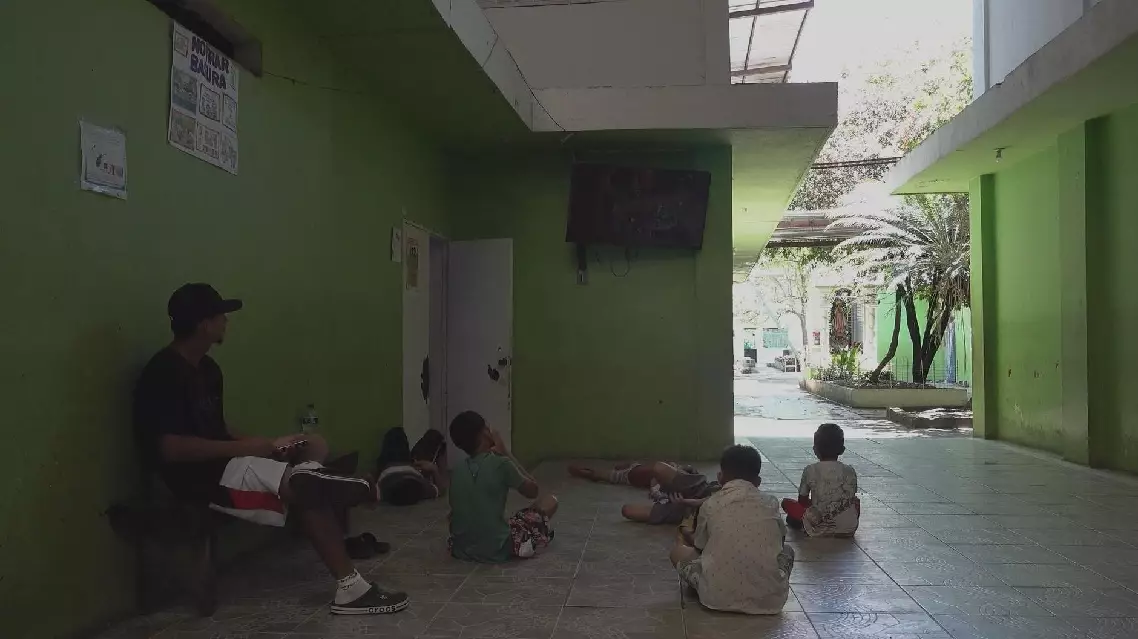
Thousands of migrants stranded at Mexican border, worried about future