Skip to Content Facebook Feature Image

Shahram Ghasemian Joins NuScale Power as Chief Legal Officer, Corporate Secretary

News

Shahram Ghasemian Joins NuScale Power as Chief Legal Officer, Corporate Secretary
News

News

Shahram Ghasemian Joins NuScale Power as Chief Legal Officer, Corporate Secretary

2025-06-30 18:50 Last Updated At:19:00

CORVALLIS, Ore.--(BUSINESS WIRE)--Jun 30, 2025--

NuScale Power Corporation (NYSE: SMR), the industry-leading provider of proprietary and innovative advanced small modular reactor (SMR) nuclear technology, today announced the appointment of Shahram Ghasemian as Chief Legal Officer and Corporate Secretary, effective June 30, 2025.

This press release features multimedia. View the full release here: https://www.businesswire.com/news/home/20250630950090/en/

Ghasemian is an experienced legal executive with a long tenure working across the energy industry and known as a trusted business partner adept at shaping and advancing corporate strategic goals. He joins NuScale from Centrus Energy Corp., where he most recently served as Senior Vice President, General Counsel, Chief Compliance Officer, and Corporate Secretary. Before Centrus, Ghasemian held several leadership positions within the federal government from 2006 to 2020, including the U.S. Department of Energy (DOE), the U.S. Nuclear Regulatory Commission (NRC) and serving as a Senior Legislative Fellow on nuclear policy issues on Capitol Hill. He started his career in the nuclear energy sector in 1997 with Centrus’ predecessor, holding legal positions of increasing responsibility and handling a wide range of issues, including litigation, employment, and compliance matters, as well as complex nuclear fuel sales and related agreements.

“I am thrilled to welcome Shahram to NuScale Power,” said John Hopkins, NuScale President and Chief Executive Officer. “His broad expertise in legal, regulatory, compliance, and governance matters within the nuclear sector and the federal government will be a tremendous asset, as we pursue our mission to deliver safe, reliable, and clean energy solutions.”

Ghasemian said: “Joining NuScale Power during this pivotal moment for the energy industry is an honor. With NRC-approved designs, NuScale is moving ever closer to deployment. The company’s dedication to innovation and its leadership in providing safe, clean, and reliable energy solutions presents a remarkable opportunity to improve our collective quality of life and promote a sustainable future. I am eager to work alongside the talented team at NuScale to drive this important initiative forward."

Ghasemian holds a Juris Doctor, cum laude, from the University of Illinois Chicago School of Law and a Bachelor of Science degree in Civil and Environmental Engineering from the University of Wisconsin.

About NuScale Power

Founded in 2007, NuScale Power Corporation (NYSE: SMR) is the industry-leading provider of proprietary and innovative advanced small modular reactor (SMR) nuclear technology, with a mission to help power the global energy transition by delivering safe, scalable, and reliable carbon-free energy. The NuScale Power Module™, the company’s groundbreaking SMR technology, is a small, safe, pressurized water reactor that can each generate 77 megawatts of electricity (MWe) or 250 megawatts thermal (gross), and can be scaled to meet customer needs through an array of flexible configurations up to 924 MWe (12 modules) of output.

As the first and only SMR to have its designs certified by the U.S. Nuclear Regulatory Commission, NuScale is well-positioned to serve diverse customers across the world by supplying nuclear energy for electrical generation, data centers, district heating, desalination, commercial-scale hydrogen production, and other process heat applications.

To learn more, visit NuScale Power’s website or follow us on LinkedIn, Facebook, Instagram, X and YouTube.

Forward Looking Statements

This release may contain forward-looking statements (including without limitation statements containing words such as "will," "believes," "expects," “anticipates,” "plans" or other similar expressions). These forward-looking statements include statements relating to strategic and operational plans and expectations, including moving ever closer to deployment, improving our collective quality of life, and promoting a sustainable future, capital deployment, future growth, new awards, backlog, earnings and the outlook for the company’s business.

Actual results may differ materially as a result of a number of factors, including, among other things, the Company’s liquidity and ability to raise capital; the Company's failure to receive new contract awards; cost overruns, project delays or other problems arising from project execution activities, including the failure to meet cost and schedule estimates; our expectations regarding obtaining regulatory approvals, and the timing thereof, to deploy our SMRs in the United States and abroad; forecasts regarding end-user adoption rates and demand for our products in the markets that are new and rapidly evolving; limitations on the effectiveness of controls and procedures and our remediation plans related thereto; intense competition in the industries in which we operate; failure of our partners to perform their obligations; cyber-security breaches; foreign economic and political uncertainties; client cancellations of, or scope adjustments to, existing contracts; failure to maintain safe worksites and international security risks; risks or uncertainties associated with events outside of our control, including weather conditions, pandemics (including COVID-19), public health crises, political crises or other catastrophic events; macroeconomic conditions; the use of estimates and assumptions in preparing our financial statements; client delays or defaults in making payments; the failure of our suppliers, subcontractors and other third parties to adequately perform services under our contracts; uncertainties, restrictions and regulations impacting our government contracts; the inability to hire and retain qualified personnel; the potential impact of certain tax matters; possible information technology interruptions; the Company's ability to secure appropriate insurance; liabilities associated with the performance of nuclear services; foreign currency risks; the loss of one or a few clients that account for a significant portion of the Company's revenues; damage to our reputation; failure to adequately protect intellectual property rights; asset impairments; climate change and related environmental issues; increasing scrutiny with respect to sustainability practices; the availability of credit and restrictions imposed by credit facilities for our clients, suppliers, subcontractors or other partners; failure to obtain favorable results in existing or future litigation and regulatory proceedings, dispute resolution proceedings or claims, including claims for additional costs; failure by us or our employees, agents or partners to comply with laws; new or changing legal requirements, including those relating to environmental, health and safety matters; failure to successfully implement our strategic and operational initiatives and restrictions on possible transactions imposed by our charter documents and Delaware law. Caution must be exercised in relying on these and other forward-looking statements. Due to known and unknown risks, the Company’s results may differ materially from its expectations and projections.

Additional information concerning these and other factors can be found in the Company's public periodic filings with the Securities and Exchange Commission (the “SEC”), including the general economic conditions and other risks, uncertainties and factors set forth in the section entitled “Cautionary Note Regarding Forward-Looking Statements” and “Summary of Risk Factors” in the Company’s Annual Report on Form 10-K for the year ended December 31, 2024 and in subsequent filings with the SEC. The referenced SEC filings are available either publicly or upon request from NuScale's Investor Relations Department at ir@nuscalepower.com. The Company disclaims any intent or obligation other than as required by law to update the forward-looking statements.
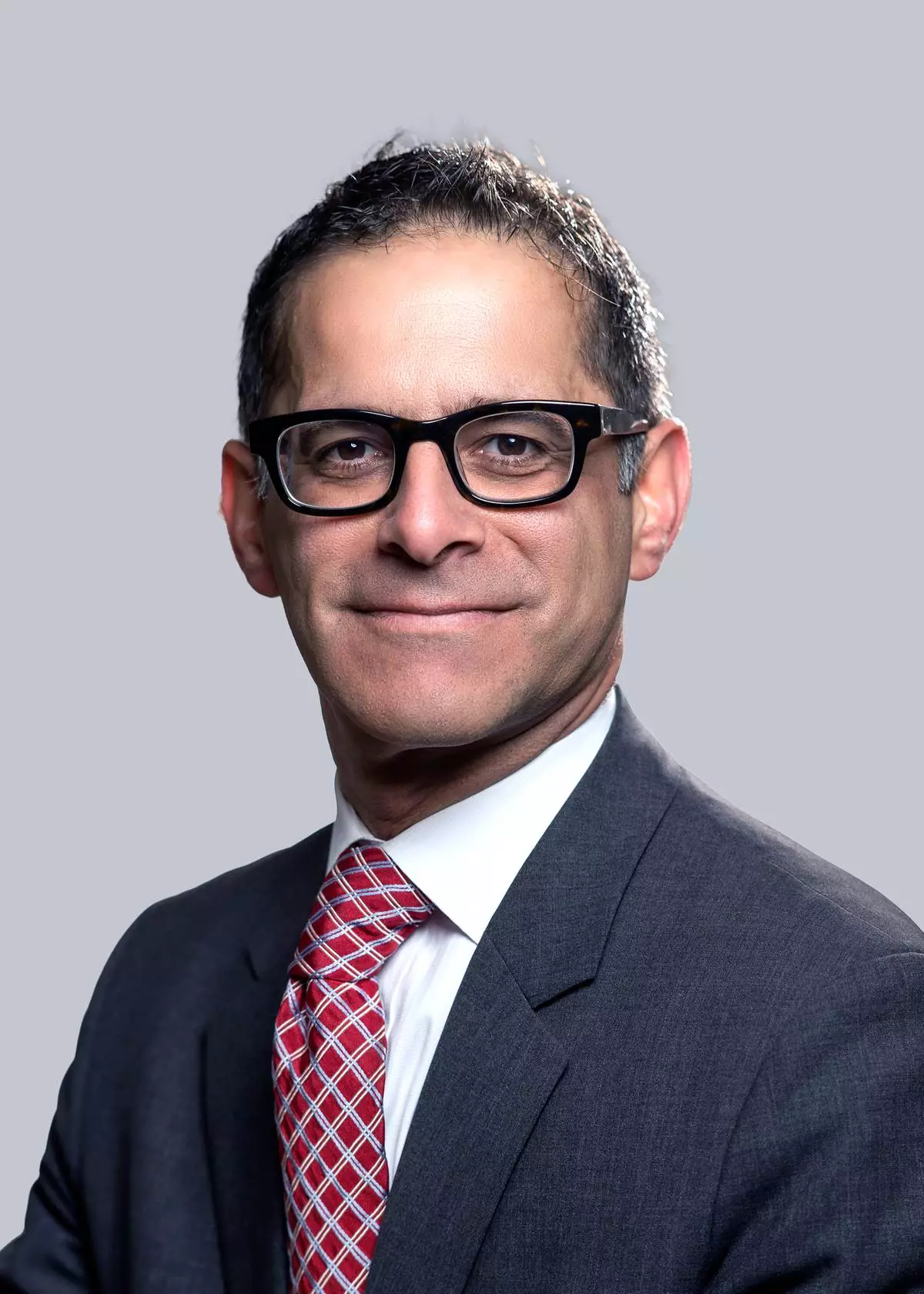
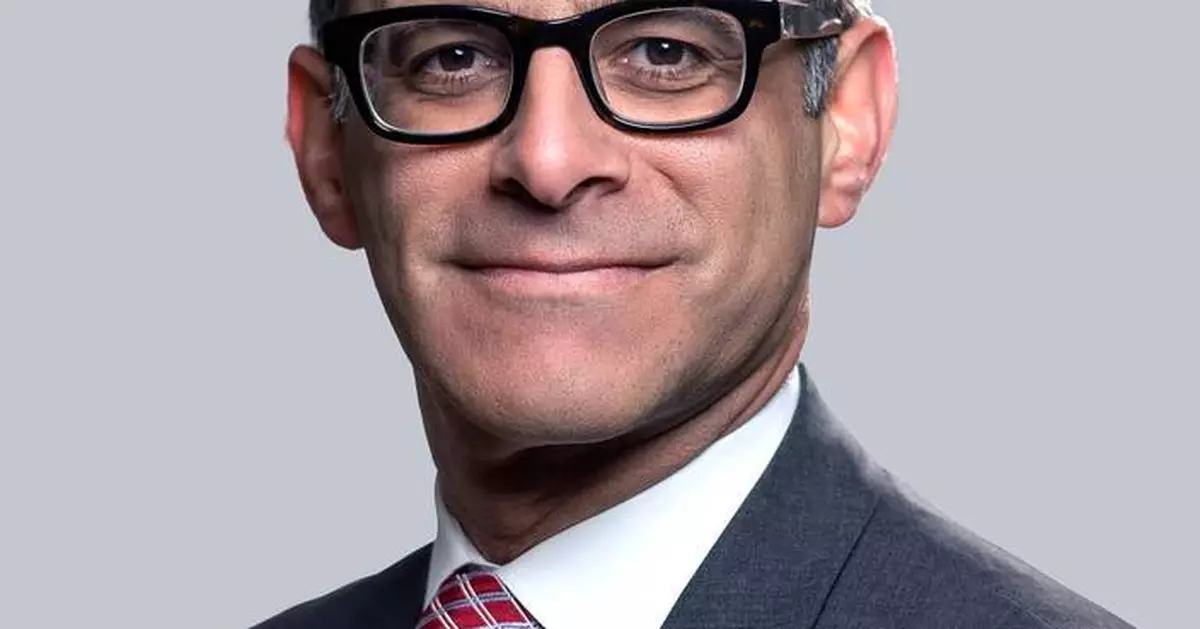
Shahram Ghasemian, Chief Legal Officer and Corporate Secretary, NuScale Power Corporation
Shahram Ghasemian, Chief Legal Officer and Corporate Secretary, NuScale Power Corporation

WASHINGTON (AP) — Becky Pepper-Jackson finished third in the discus throw in West Virginia last year though she was in just her first year of high school. Now a 15-year-old sophomore, Pepper-Jackson is aware that her upcoming season could be her last.

West Virginia has banned transgender girls like Pepper-Jackson from competing in girls and women's sports, and is among the more than two dozen states with similar laws. Though the West Virginia law has been blocked by lower courts, the outcome could be different at the conservative-dominated Supreme Court, which has allowed multiple restrictions on transgender people to be enforced in the past year.

The justices are hearing arguments Tuesday in two cases over whether the sports bans violate the Constitution or the landmark federal law known as Title IX that prohibits sex discrimination in education. The second case comes from Idaho, where college student Lindsay Hecox challenged that state's law.

Decisions are expected by early summer.

President Donald Trump's Republican administration has targeted transgender Americans from the first day of his second term, including ousting transgender people from the military and declaring that gender is immutable and determined at birth.

Pepper-Jackson has become the face of the nationwide battle over the participation of transgender girls in athletics that has played out at both the state and federal levels as Republicans have leveraged the issue as a fight for athletic fairness for women and girls.

“I think it’s something that needs to be done,” Pepper-Jackson said in an interview with The Associated Press that was conducted over Zoom. “It’s something I’m here to do because ... this is important to me. I know it’s important to other people. So, like, I’m here for it.”

She sat alongside her mother, Heather Jackson, on a sofa in their home just outside Bridgeport, a rural West Virginia community about 40 miles southwest of Morgantown, to talk about a legal fight that began when she was a middle schooler who finished near the back of the pack in cross-country races.

Pepper-Jackson has grown into a competitive discus and shot put thrower. In addition to the bronze medal in the discus, she finished eighth among shot putters.

She attributes her success to hard work, practicing at school and in her backyard, and lifting weights. Pepper-Jackson has been taking puberty-blocking medication and has publicly identified as a girl since she was in the third grade, though the Supreme Court's decision in June upholding state bans on gender-affirming medical treatment for minors has forced her to go out of state for care.

Her very improvement as an athlete has been cited as a reason she should not be allowed to compete against girls.

“There are immutable physical and biological characteristic differences between men and women that make men bigger, stronger, and faster than women. And if we allow biological males to play sports against biological females, those differences will erode the ability and the places for women in these sports which we have fought so hard for over the last 50 years,” West Virginia's attorney general, JB McCuskey, said in an AP interview. McCuskey said he is not aware of any other transgender athlete in the state who has competed or is trying to compete in girls or women’s sports.

Despite the small numbers of transgender athletes, the issue has taken on outsize importance. The NCAA and the U.S. Olympic and Paralympic Committees banned transgender women from women's sports after Trump signed an executive order aimed at barring their participation.

The public generally is supportive of the limits. An Associated Press-NORC Center for Public Affairs Research poll conducted in October 2025 found that about 6 in 10 U.S. adults “strongly” or “somewhat” favored requiring transgender children and teenagers to only compete on sports teams that match the sex they were assigned at birth, not the gender they identify with, while about 2 in 10 were “strongly” or “somewhat” opposed and about one-quarter did not have an opinion.

About 2.1 million adults, or 0.8%, and 724,000 people age 13 to 17, or 3.3%, identify as transgender in the U.S., according to the Williams Institute at the UCLA School of Law.

Those allied with the administration on the issue paint it in broader terms than just sports, pointing to state laws, Trump administration policies and court rulings against transgender people.

"I think there are cultural, political, legal headwinds all supporting this notion that it’s just a lie that a man can be a woman," said John Bursch, a lawyer with the conservative Christian law firm Alliance Defending Freedom that has led the legal campaign against transgender people. “And if we want a society that respects women and girls, then we need to come to terms with that truth. And the sooner that we do that, the better it will be for women everywhere, whether that be in high school sports teams, high school locker rooms and showers, abused women’s shelters, women’s prisons.”

But Heather Jackson offered different terms to describe the effort to keep her daughter off West Virginia's playing fields.

“Hatred. It’s nothing but hatred,” she said. "This community is the community du jour. We have a long history of isolating marginalized parts of the community.”

Pepper-Jackson has seen some of the uglier side of the debate on display, including when a competitor wore a T-shirt at the championship meet that said, “Men Don't Belong in Women's Sports.”

“I wish these people would educate themselves. Just so they would know that I’m just there to have a good time. That’s it. But it just, it hurts sometimes, like, it gets to me sometimes, but I try to brush it off,” she said.

One schoolmate, identified as A.C. in court papers, said Pepper-Jackson has herself used graphic language in sexually bullying her teammates.

Asked whether she said any of what is alleged, Pepper-Jackson said, “I did not. And the school ruled that there was no evidence to prove that it was true.”

The legal fight will turn on whether the Constitution's equal protection clause or the Title IX anti-discrimination law protects transgender people.

The court ruled in 2020 that workplace discrimination against transgender people is sex discrimination, but refused to extend the logic of that decision to the case over health care for transgender minors.

The court has been deluged by dueling legal briefs from Republican- and Democratic-led states, members of Congress, athletes, doctors, scientists and scholars.

The outcome also could influence separate legal efforts seeking to bar transgender athletes in states that have continued to allow them to compete.

If Pepper-Jackson is forced to stop competing, she said she will still be able to lift weights and continue playing trumpet in the school concert and jazz bands.

“It will hurt a lot, and I know it will, but that’s what I’ll have to do,” she said.

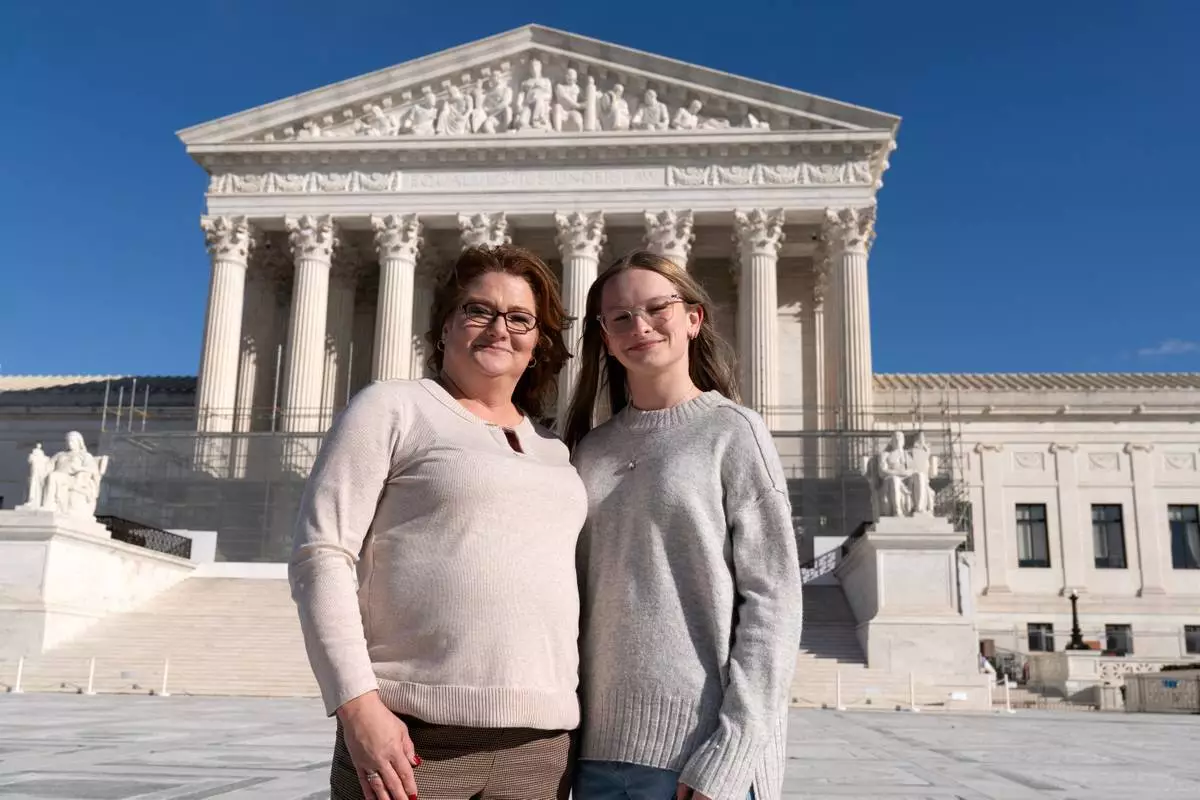
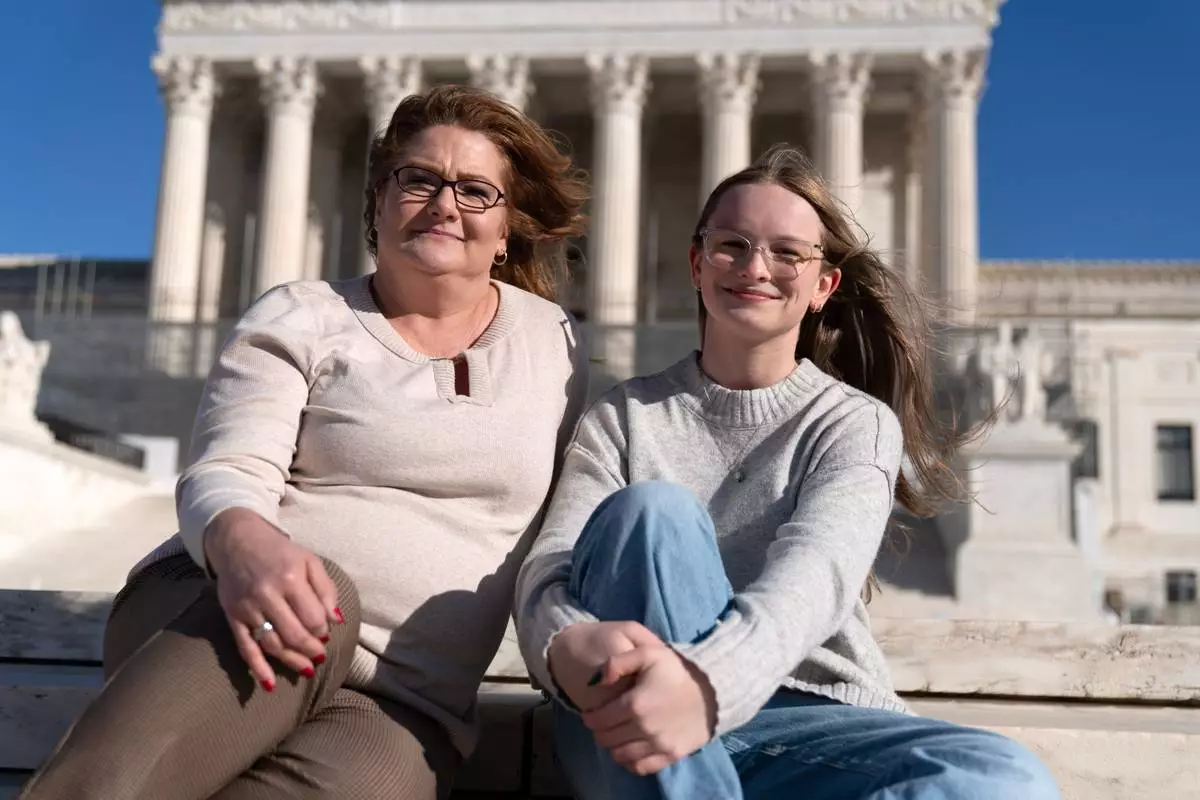
Heather Jackson, left, and Becky Pepper-Jackson pose for a photograph outside of the U.S. Supreme Court in Washington, Sunday, Jan. 11, 2026. (AP Photo/Jose Luis Magana)

Heather Jackson, left, and Becky Pepper-Jackson pose for a photograph outside of the U.S. Supreme Court in Washington, Sunday, Jan. 11, 2026. (AP Photo/Jose Luis Magana)

Heather Jackson, left, and Becky Pepper-Jackson pose for a photograph outside of the U.S. Supreme Court in Washington, Sunday, Jan. 11, 2026. (AP Photo/Jose Luis Magana)

Heather Jackson, left, and Becky Pepper-Jackson pose for a photograph outside of the U.S. Supreme Court in Washington, Sunday, Jan. 11, 2026. (AP Photo/Jose Luis Magana)

Becky Pepper-Jackson poses for a photograph outside of the U.S. Supreme Court in Washington, Sunday, Jan. 11, 2026. (AP Photo/Jose Luis Magana)

Becky Pepper-Jackson poses for a photograph outside of the U.S. Supreme Court in Washington, Sunday, Jan. 11, 2026. (AP Photo/Jose Luis Magana)

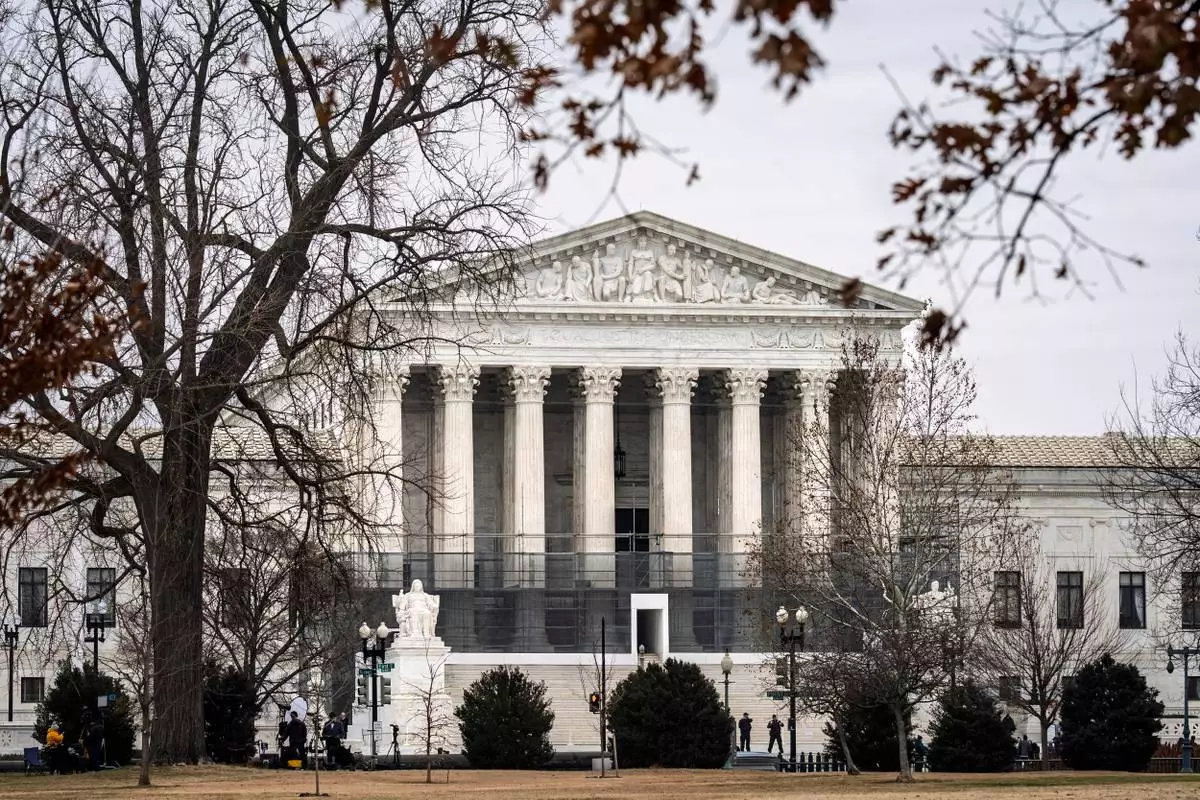
The Supreme Court stands is Washington, Friday, Jan. 9, 2026. (AP Photo/J. Scott Applewhite)

The Supreme Court stands is Washington, Friday, Jan. 9, 2026. (AP Photo/J. Scott Applewhite)

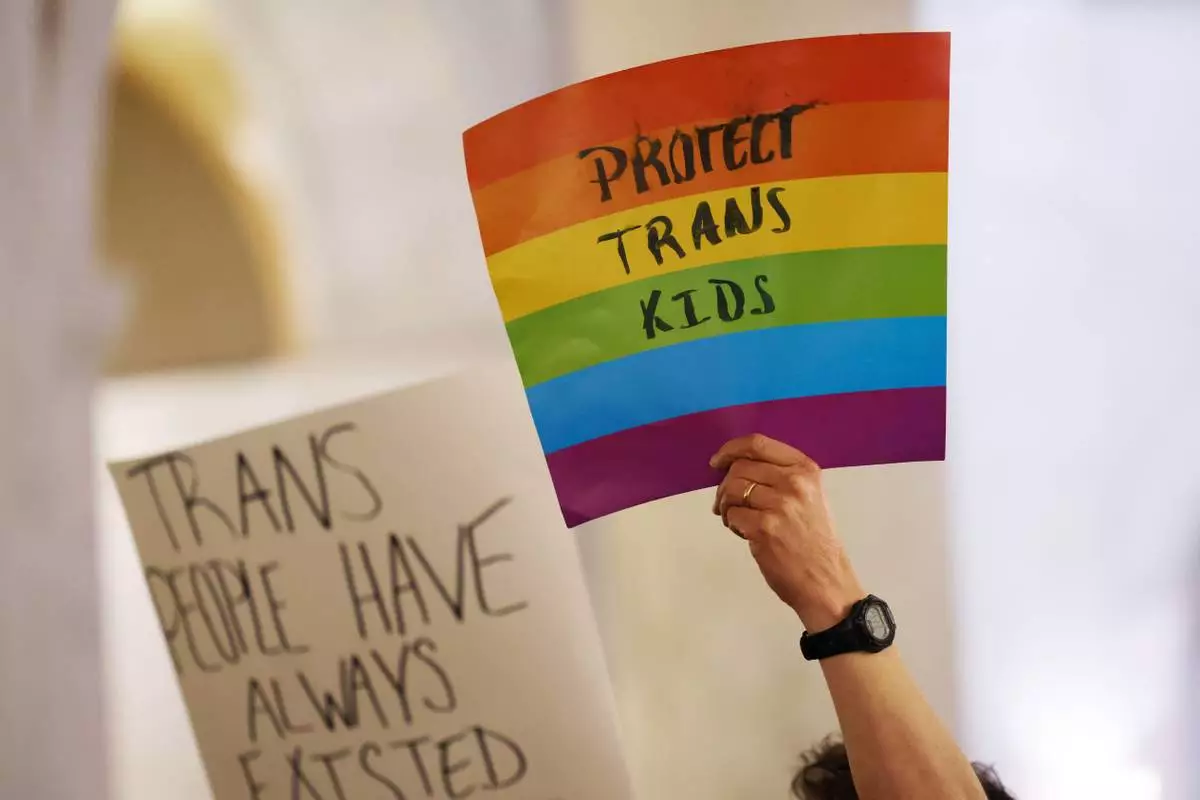
FILE - Protestors hold signs during a rally at the state capitol in Charleston, W.Va., on March 9, 2023. (AP Photo/Chris Jackson, file)

FILE - Protestors hold signs during a rally at the state capitol in Charleston, W.Va., on March 9, 2023. (AP Photo/Chris Jackson, file)

Recommended Articles