The mega Hong Kong-Zhuhai-Macao Bridge (HZMB) has seen steady growth in crossings by motor vehicles bearing Hong Kong license plates since the "northbound travel for Hong Kong vehicles" scheme was introduced two years ago, according to the latest data released by border inspection authorities.
The "northbound travel for Hong Kong vehicles" scheme went into effect on July 1, 2023, marking a crucial step towards stronger connectivity and integrated development within the Guangdong-Hong Kong-Macao Greater Bay Area (GBA) city cluster in south China. The scheme allows eligible Hong Kong private cars to travel between Hong Kong and neighboring Guangdong Province via the Hong Kong-Zhuhai-Macao Bridge without the need to obtain regular quotas.
As of Saturday, the number of crossings by Hong Kong-registered motor vehicles in 2025 had already surpassed one million, reaching this milestone 72 days earlier than in 2024, according to data from the HZMB inspection station.
Over the past two years since the entry into effect of the "northbound travel for Hong Kong vehicles" scheme, over 2.85 million crossings have been made by single-license plate vehicles from Hong Kong through the HZMB.
During the two years, the scheme has boosted stronger connectivity and integrated development within the Guangdong-Hong Kong-Macao Greater Bay Area. Over 108,000 Hong Kong vehicles and more than 129,000 Hong Kong drivers have registered for "northbound travel".
The Hong Kong-Zhuhai-Macao Bridge officially opened to traffic earlier on October 24, 2018, after nearly 10 years of construction since Dec. 15, 2009.
The 55-kilometer-long bridge, the world's longest sea-crossing bridge, is the first ever mega cooperation project between the three places within the framework of "one country, two systems" principle.
The entire HKZM Bridge contains a 22.9-kilometer-long bridge part and a 6.7-kilometer-long undersea tunnel which connects two artificial islands. It slashes the travel time between Hong Kong and Zhuhai from three hours to just 30 minutes, further integrating the cities in the Pearl River Delta.
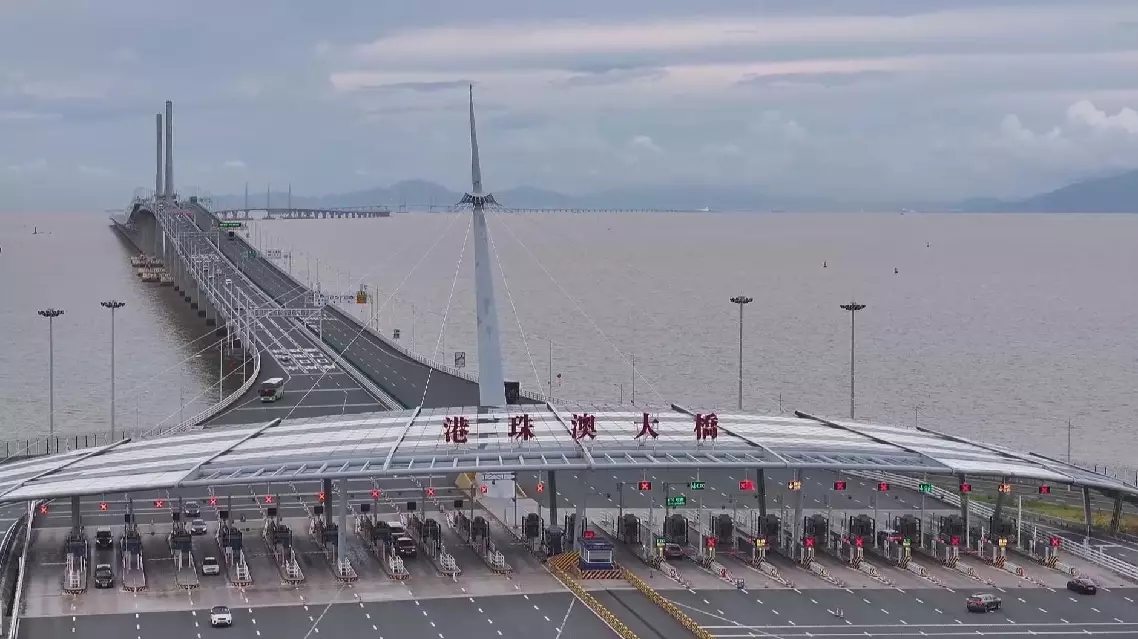
Hong Kong-Zhuhai-Macao Bridge sees steady growth in crossings by Hong Kong vehicles
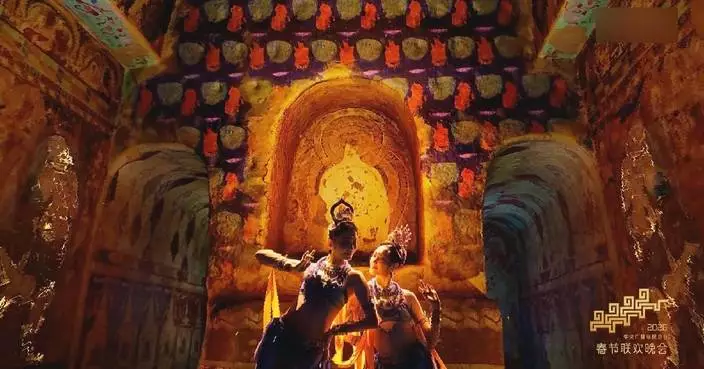
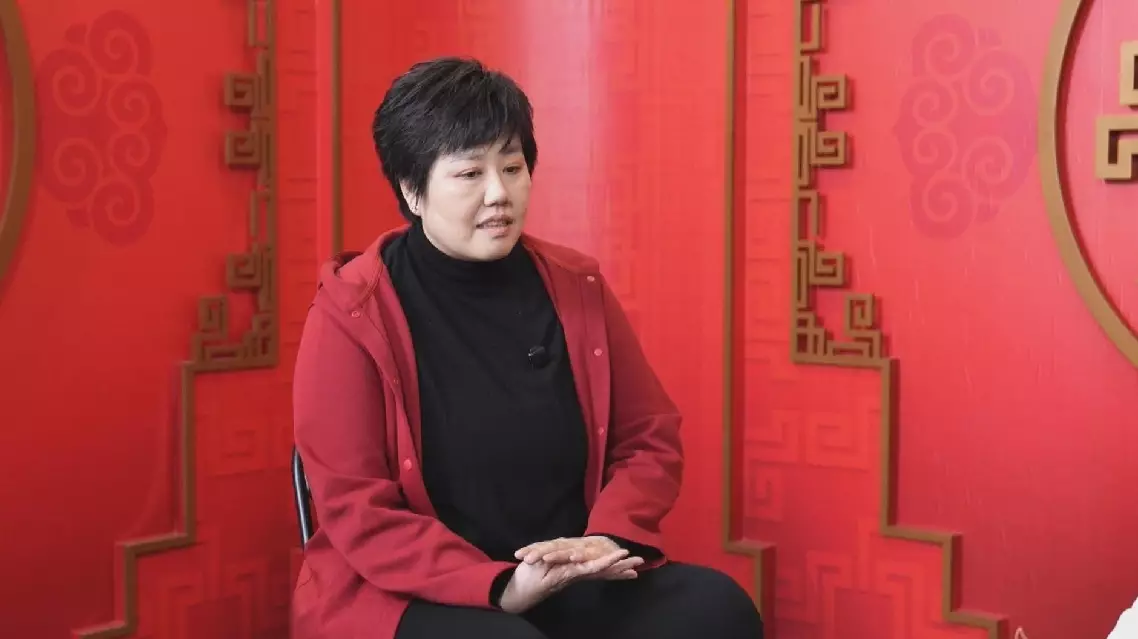
Yu Lei, chief director of the 2026 Spring Festival Gala, has shared how the cutting-edge robots and digital intelligence involved in the gala defined this year's cultural performances and celebrations in the grand event staged and aired live on Monday night -- the eve of the 2026 Chinese New Year.
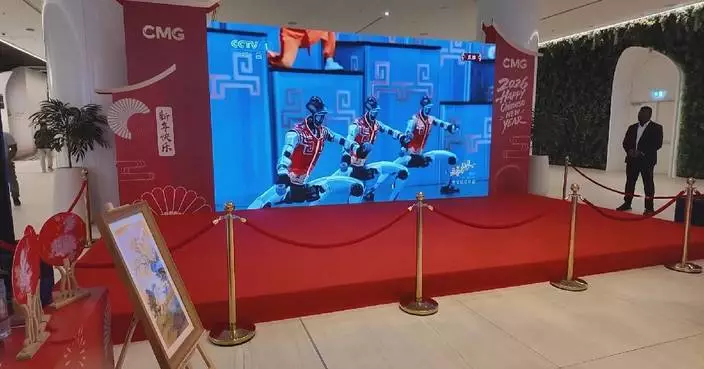
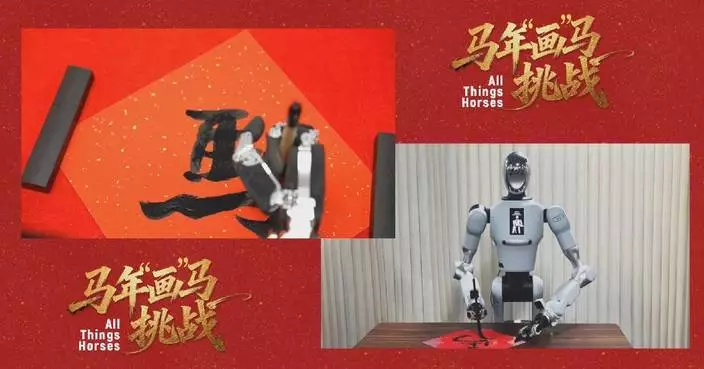
As various robots took to the stage, the 2026 Spring Festival Gala virtually transformed digital intelligence from a distant concept into a vivid companion for people, reflecting how deeply technology has permeated modern life. In an interview with China Central Television, Yu explained that this year's production was designed to mark a milestone in technological creativity.
"We have robots performing in sketches, martial arts, dances, and even micro-films. As the curtain rises on this year's Spring Festival Gala, there are so many innovations belonging to this era, showing that technology has truly entered our lives. Riding this trend, I hope this year's gala can open a 'Year of Tech Innovation' or a 'Year of Digital Intelligence,'" Yu said.
A key highlight of this digital theme is the song "Intelligent Future" (Zhi Zao Wei Lai), which focuses on the tangible progress experienced by the general public rather than abstract industrial achievements. "We also have the song 'Intelligent Future,' which represents the era of technological innovation and the idea of digital intelligence I wanted to present at this year's Spring Festival Gala. Putting these ideas into a song really shows that technology has truly integrated into people's daily lives. When you listen to the lyrics, you'll find they're all about everyday life. We're not singing about large-scale manufacturing, aerospace, or military industries. Instead, we're singing about the progress of the digital age that ordinary people can experience and connect with in their daily lives," she said.
Beyond the entertainment value, the director emphasized that the gala serves as a platform to make the dimensions of the tech industry clearer and more accessible to the public, potentially driving broader interest in the sector.
"Through different expressions and works in the gala, we wish to make the facets of this industry more vivid and distinct. I believe this is what the audience members are curious about and expect to see. If one of our works can drive the boom of an industry or spark wide-spread attention to a specific field, I believe that is the greatest honor for all creators," Yu added.
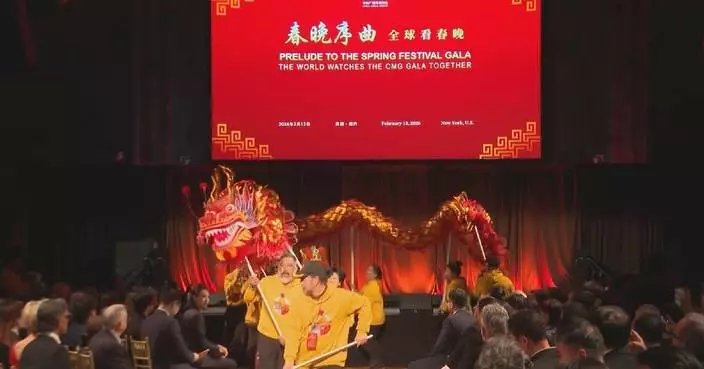
The gala, aired on Chinese New Year's Eve on Feb 16 this year, blended traditional Chinese culture with modern stage production, while also including cross-cultural performances by artists from around the world. Commonly known as "Chunwan", the gala has been aired live every Chinese New Year’s Eve since 1983. It has even been certified by Guinness World Records as the world’s most-watched annual TV show.
2026 Spring Festival Gala ushers in new era of digital intelligence: chief director