The Chinese cross-border e-commerce industry has established in recent years an increasing number of overseas warehouses, which are helping it gain an edge over competitors from around the world, offering faster package delivery and cutting logistics costs for partner e-commerce firms.
The overseas warehouses, which are logistic centers set by Chinese cross-border e-commerce companies outside China, help drastically cut package transit time. For instance, a Chinese-made lawn mower can reach the doorstep of a customer in Berlin's Potsdam within two days.
In Germany's Duisburg, a huge warehouse operated by a logistic company headquartered in south China's Shenzhen City covers 15,000 square meters and has a storage capacity of 20,000 cubic meters. Every day, the logistic hub sends out 2,000 packages.
The warehouse has been receiving some of its parcels from east China's Ningbo City, where another distribution center, also run by the Shenzhen-headquartered logistic company, gathers thousands of packages from across China.
Chen Junyun, general manager of the logistics firm, said that they operate warehouses in countries such as the Netherlands, Germany, the UK, the United States, Mexico, and Vietnam. These facilities help enhance the company's competitiveness in the global market by drastically reducing parcel transit time.
"Previously, it took about one week to one month for small parcels to reach the hands of international customers from China. Now, with the overseas warehouses, the competitiveness of our products has been significantly enhanced, because the customers can receive their ordered goods in a very short period," said Chen.
Last year, the logistics firm's European warehouses sent out about 50,000 twenty-foot equivalent units (TEUs) of goods. During the busiest period, they sent 10,000 parcels across Europe in a single day. The growing demand from international customers has prompted the company to enhance its services further, particularly when customers wish to return goods, a demand that often increases costs for e-commerce companies in China.
"If a customer wants to return the goods, we can also provide the e-commerce firms with supporting services, helping manage the returned goods for them. In some cases, the goods are returned not because they have bad quality but simply because the customers do not like them. By sorting out the returned goods, we can help the e-commerce companies decide which of them can be sold again, and thus drastically lower their logistic costs," Chen said.
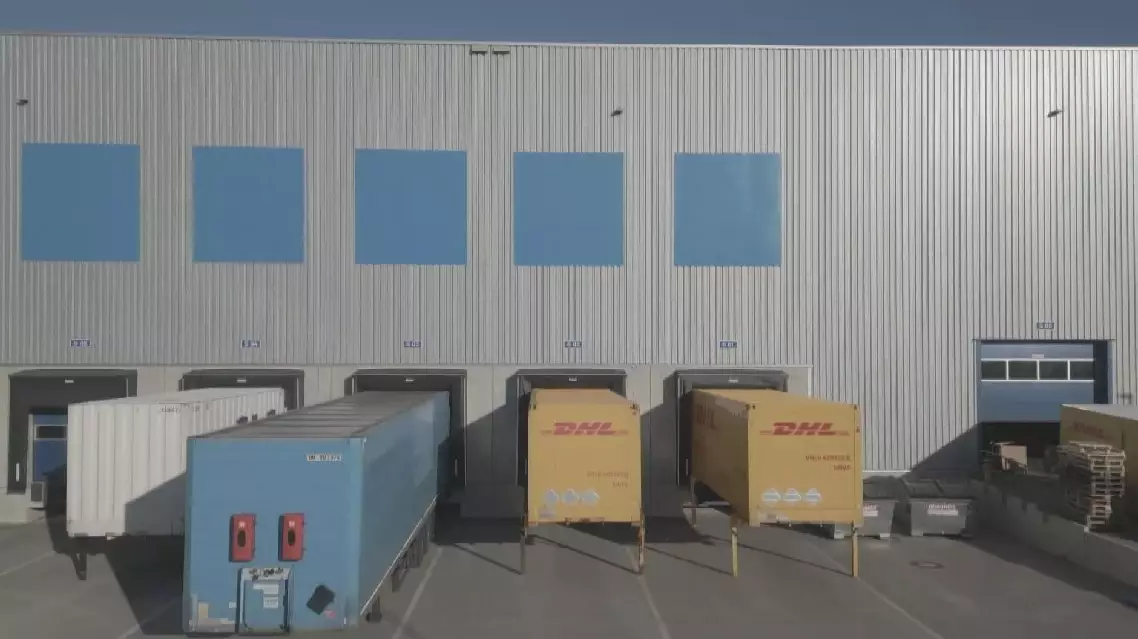
Chinese cross-border e-commerce companies become more competitive by establishing overseas warehouses