LONDON (AP) — It was not her best goal or most important soccer match, but when the ball hit the back of the net in Natalie Washington's debut on a women's team in 2017, she felt a sense of belonging that had been missing.
It was long in coming: Washington had struggled to fit in on a men’s team and eventually stopped playing when she decided to transition to being a woman and go through gender-affirming surgery. When she joined a women's team, she quickly felt accepted.
Click to Gallery
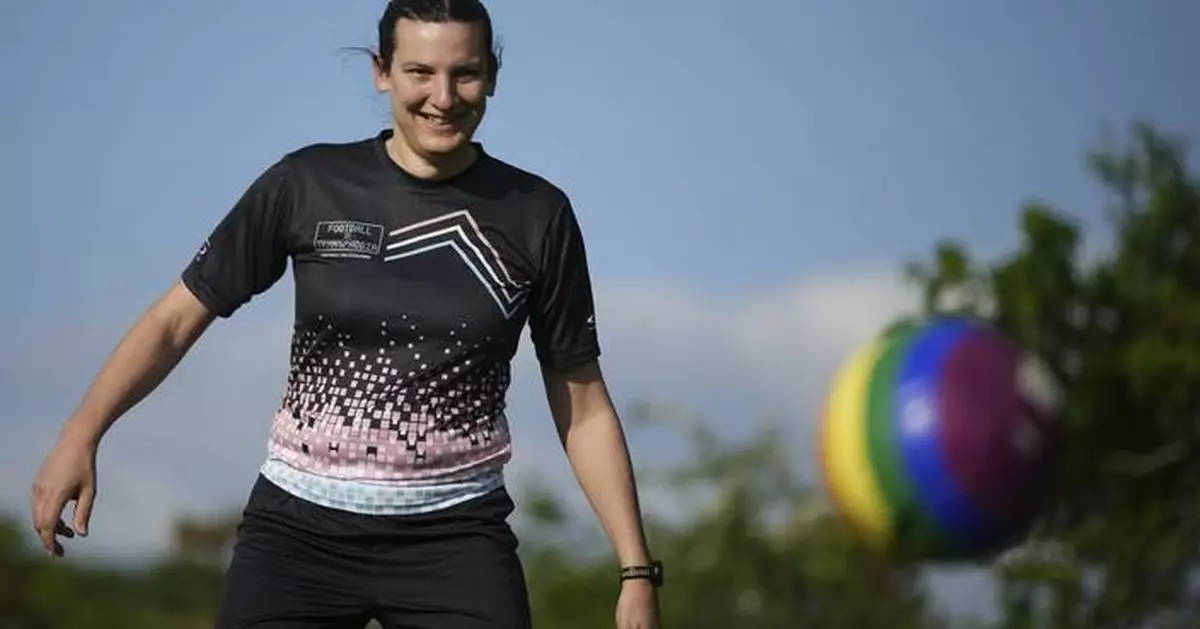
Transgender soccer player Natalie Washington, who leads the group "Football v Transphobia", takes part in a casual kickaround with some friends in Guildford, England, Thursday, May 8, 2025. (AP Photo/Alastair Grant)
Players tap hands during a six a side soccer tournament hosted by Goal Diggers FC, a women and nonbinary inclusive soccer club, in London, Sunday, June 1, 2025. (AP Photo/Alastair Grant)
Transgender soccer player Natalie Washington, who leads the group "Football v Transphobia", takes part in a casual kickaround with some friends in Guildford, England, Thursday, May 8, 2025. (AP Photo/Alastair Grant)
Billie Sky, center, a 28-year-old transgender player for Goal Diggers FC, a women and nonbinary inclusive soccer club, gestures while giving a team talk during a six a side soccer tournament in London, Sunday, June 1, 2025. (AP Photo/Alastair Grant)
Transgender soccer player Natalie Washington, who leads the group "Football v Transphobia", takes part in a casual kickaround with some friends in Guildford, England, Thursday, May 8, 2025. (AP Photo/Alastair Grant)
Now, after the United Kingdom’s highest court in April said that for anti-discrimination purposes the terms “woman” and “man” refer to biological sex, Washington's opportunity to play the sport she loves in the league she wants is in doubt.
The head of the U.K's Equality and Human Rights Commission followed the ruling a day later by saying the court had provided clarity and that transgender women would be excluded from women-only spaces such as toilets, single-sex hospital wards and sports teams.
The Football Association, the regulatory body for soccer in the U.K., followed up by banning transgender players from women’s teams in England and Scotland, a ban that took effect at the start of June.
“It feels like things are being taken away from trans people on an almost daily basis," Washington said. “It’s another blow, another kick at a time when people are already hurting.”
Beyond Britain, inclusion of trans players in sports has long been a divisive issue, with arguments primarily focused on whether it's fair to have athletes born as boys compete against girls and women. In the U.S., it has been particularly politicized, with most Republican-controlled states banning transgender athletes in girls' sports and President Donald Trump signing an executive order to prohibit participation of transgender athletes from girls' and women's sports.
The U.K. court said trans people were still protected from discrimination under British law, such as in employment, housing and education, but the ruling means access to certain single-sex facilities could be curtailed.
Trans rights groups condemned the decision, which is likely to have a profound effect for thousands. Out of some 66 million people in England, Scotland and Wales, about 116,000 identified as trans in the latest census count.
The feminist groups who led the legal challenge cheered the ruling and others, including Prime Minister Keir Starmer, welcomed the clarity it brought.
“Everyone knows what sex is and you can’t change it,” said Susan Smith, co-director of For Women Scotland, which brought the case.
Washington, who leads the group Football v Transphobia, was one of 28 transgender women registered with the Football Association to play amateur soccer. In order to play the women's game, they had to have testosterone levels reduced to the range of biologically born females.
After the ruling, the organization changed its rules, saying that although it had aimed to make soccer accessible to as many people as possible, it was always prepared to alter its policy if there were changes in the law or science.
“We understand that this will be difficult for people who simply want to play the game they love in the gender by which they identify,” the FA said, adding that it would contact transgender women currently playing to explain the changes and how they can remain involved.
Some clubs have responded by finding ways around the ban. Goal Diggers FC, a women and nonbinary inclusive soccer club based in London, has withdrawn from all FA-affiliated leagues.
On June 1, the day the ban took effect, Goal Diggers hosted an inclusive women’s tournament in London, drawing more than 100 players in a show of solidarity.
“I’ll always have a place here and I’ll always be a trans woman,” said Billie Sky, a 28-year-old trans player for Goal Diggers. “No one can take that away from me.”
Groups that have campaigned to keep trans athletes from girls' and women's teams, citing a matter of safety and fairness, welcomed the move by the FA.
“The FA had ample evidence of the harms to women and girls caused by its nonsensical policy of letting men who identify as women play in women’s teams,” said Fiona McAnena of Sex Matters.
Groups that oversee cricket and netball, an offshoot of basketball that is played mainly by women, also limited women's competition to those who were assigned at birth as females.
The England and Wales Cricket Board said transgender women and girls could continue playing in open and mixed cricket. England Netball said it would allow anyone to play in a new mixed category beginning in September.
The legal case involved a 2018 Scottish law requiring at least half of the seats on public boards to be held by women. Trans women with certificates recognizing their gender were to be included in meeting the quota.
The court said that using the certificates to identify someone’s gender clashes with the definitions of man and woman. Under the ruling, a transgender person could not claim they had been discriminated against if barred from a single-sex space.
Alexander Maine, a senior lecturer at The City Law School specializing in gender, sexuality and law, said the ruling clouds the value of a document sanctioned by the U.K. Gender Recognition Act that allows them to later update their birth certificate reflecting their acquired gender.
“There may be a challenge at the European Court of Human Rights brought by trans individuals who say that there is a problem where they may be two sexes at once," Maine said.
Someone could hold “a gender recognition certificate stating that they are their acquired gender, whereas under the U.K. Equality Act, they are still recognized in their birth gender,” he said.
Washington and many others say they worry the ruling may lead to more hatred aimed at trans people.
“For the first time in a long time, I felt scared about how people are going to react to me in public,” Washington said. “I don’t feel anymore that I can guarantee I have support to turn to from authorities.”
Brian Melley in London contributed to this report.

Transgender soccer player Natalie Washington, who leads the group "Football v Transphobia", takes part in a casual kickaround with some friends in Guildford, England, Thursday, May 8, 2025. (AP Photo/Alastair Grant)

Players tap hands during a six a side soccer tournament hosted by Goal Diggers FC, a women and nonbinary inclusive soccer club, in London, Sunday, June 1, 2025. (AP Photo/Alastair Grant)

Transgender soccer player Natalie Washington, who leads the group "Football v Transphobia", takes part in a casual kickaround with some friends in Guildford, England, Thursday, May 8, 2025. (AP Photo/Alastair Grant)

Billie Sky, center, a 28-year-old transgender player for Goal Diggers FC, a women and nonbinary inclusive soccer club, gestures while giving a team talk during a six a side soccer tournament in London, Sunday, June 1, 2025. (AP Photo/Alastair Grant)

Transgender soccer player Natalie Washington, who leads the group "Football v Transphobia", takes part in a casual kickaround with some friends in Guildford, England, Thursday, May 8, 2025. (AP Photo/Alastair Grant)
CREIGHTON, Neb. (AP) — Rick and Jane Saint John chose to live in the small town of Creighton, Nebraska, for one main reason: its hospital.
The couple has a child with nonverbal autism and epilepsy who requires up to three hospital visits a week. And Creighton's critical access hospital has been a lifeline for Jane: not only is she employed there, but three years ago, doctors saved her life when she contracted bacterial pneumonia. If she had waited another day for care, doctors said, her organs would have begun to shut down.
“And if we had had to drive the hour to the Yankton (South Dakota) hospital," Rick Saint John said, his voice breaking with emotion, "it could have cost her her life.”
So the Saint Johns were shocked to hear that Avera Creighton Hospital faces financial peril. A $50 billion government fund meant to transform rural health care will do little to help. It's a problem that millions of Americans in rural areas are awakening to as they realize there's no windfall coming for the vulnerable hospitals near their homes.
Hundreds of rural hospitals across the country are facing closures after years of funding problems. The issue was compounded last summer by the Trump administration's massive cuts to Medicaid, the government's safety net for low-income Americans, whose reimbursements have long helped hospitals meet their bottom lines.
Outcry over the funding cuts prompted Republican lawmakers to create $50 billion in new rural health grants, but critics say that funding is intended for innovative health care delivery solutions — not propping up hospitals buckling under current pressures.
“It won’t pay to keep the lights on. And it won’t turn the lights back on once they’ve been turned off,” said Dr. Ben Young, an infectious disease specialist and policy expert with public health advocacy group Wellness Equity Alliance.
Rural Americans’ health care worries reflect broader national concerns about access and rising prices of care as the cost of living spikes — anxieties that could prove pivotal in this year’s midterm elections.
The $50 billion Rural Health Transformation Program included in President Donald Trump's tax-and-spending law last year was billed by Republicans as a way to help hospitals in rural areas. Last summer, Health Secretary Robert F. Kennedy Jr. touted it as the “biggest infusion in history” for rural hospitals and pledged it will “restore and revitalize these communities.”
Hospitals and health industry experts have warned that while the fund — $10 billion per year allocated across all states for five years — offers some support to struggling rural hospitals, it won’t save them. One reason is that the sum doesn't come close to offsetting the $137 billion that rural hospitals expect to lose over the next decade, according to health research nonprofit KFF. Millions of people are expected to lose Medicaid benefits as a result of new Medicaid work requirements going into effect in 2027 — changes the Trump administration has maintained will crack down on fraudsters rather than cut off eligible enrollees.
Administrators say the new $50 billion fund is not meant to shore up ailing rural hospitals or maintain the status quo, but to transform rural health care through tech, workforce and other innovations. Centers for Medicare and Medicaid Services Administrator Dr. Mehmet Oz in a December video said it “gives states the tools to design solutions that last, not Band-Aids that fail.”
The White House echoed that Wednesday, saying the fund is intended to fund “big ideas” to improve rural health care access long-term.
“Decades of mismanagement by career politicians in Washington have left rural communities with limited care options," White House spokesman Kush Desai said.
State applications show a wide range of proposals. Some pitches sought to improve emergency medical services and modernize rural facilities, while others looked to make school lunches healthier, expand physical fitness programs, beef up telehealth and expand AI-driven technologies to help monitor patients.
Avera Creighton Hospital CEO Theresa Guenther argues her hospital is not in danger of closing. but conceded that Medicaid cuts will be painful — a sentiment shared by most rural hospitals, she said.
“Medicaid cuts will have an impact to us, and we — as well as many others — will have to figure out what that looks like moving forward,” she said. Her hospital hopes to get a piece of the $50 billion fund to help manage patients' chronic diseases — like diabetes — and to help cover workforce costs.
Nebraska, which received $218 million for the rural health grants' first installment, plans to spend some $90 million on healthier food options at schools, recruiting more health care workers and mobile sensors to remotely monitor chronically ill patients in rural areas, among other things. But for rural critical access hospitals at risk of closing, it offers $10 million to “right size” them by getting rid of inpatient care, where bed occupancy is typically low.
Republican state Sen. Barry DeKay said hospitals like Creighton's are vital, despite it's low occupancy rate. The hospital is in his district; even his mother received life-extending care there following a hip replacement. He's worried that the Medicaid cuts could hurt all the state's rural hospitals.
“I'll try to be working as hard as I can to get as much money to rural hospitals — whether it's in my district or any other rural district in the state,” he said.
Rick Saint John acknowledged he knows little about how Nebraska will use the federal funds, but he thinks it should go to helping hospitals like Creighton’s remain intact.
“The hospital is very important to this community, and for more than just medical care,” he said, citing job losses if the hospital loses services or closes.
The fund has seen pushback from hospital groups over an issue that's shaping up as important for 2026 voters.
The Colorado Hospital Association sent a letter in December to state lawmakers accusing them of ignoring input from rural hospitals during the application process.
The Nebraska Hospital Association, which endorsed Republican U.S. Sen. Deb Fischer’s 2024 reelection bid based on her advocacy for rural health care, has criticized both the cuts and the $50 billion fund. Fischer voted last summer for the Medicaid cuts.
That and other efforts by the state to limit Medicaid spending sends a message “that access to health care is not a priority," the group said.
Some Republican state lawmakers across the country have expressed unease with parts of the fund and have sought ways to use it to help struggling rural hospitals.
Under pressure, some rural states are making their own moves to help.
Wyoming enacted a law allowing rural hospitals to file Chapter 9 bankruptcy, normally reserved for financially stressed cities to reorganize debts and repay creditors while protecting them from legal action.
In North Dakota, during a special session to allocate the state’s federal rural health funds, the Republican-led Legislature passed an unrelated bill that aims to rescue a rural hospital with a low-interest loan of up to $5 million administered through the state-owned bank.
It's hoped the plan will keep the hospital open in a vast rural area where it employs 5% of the surrounding county's residents, hospital board member Matt Hager said.
Young, the expert with Wellness Equity Alliance, sees dark days ahead for rural hospitals.
“I am not optimistic in the short term,” he said. “Because these hospitals are facing immediate financial shortfalls, are barely financially operating currently, and they need operating support now.”
Swenson reported from New York. Associated Press writer Jack Dura contributed to this report from Bismarck, North Dakota.
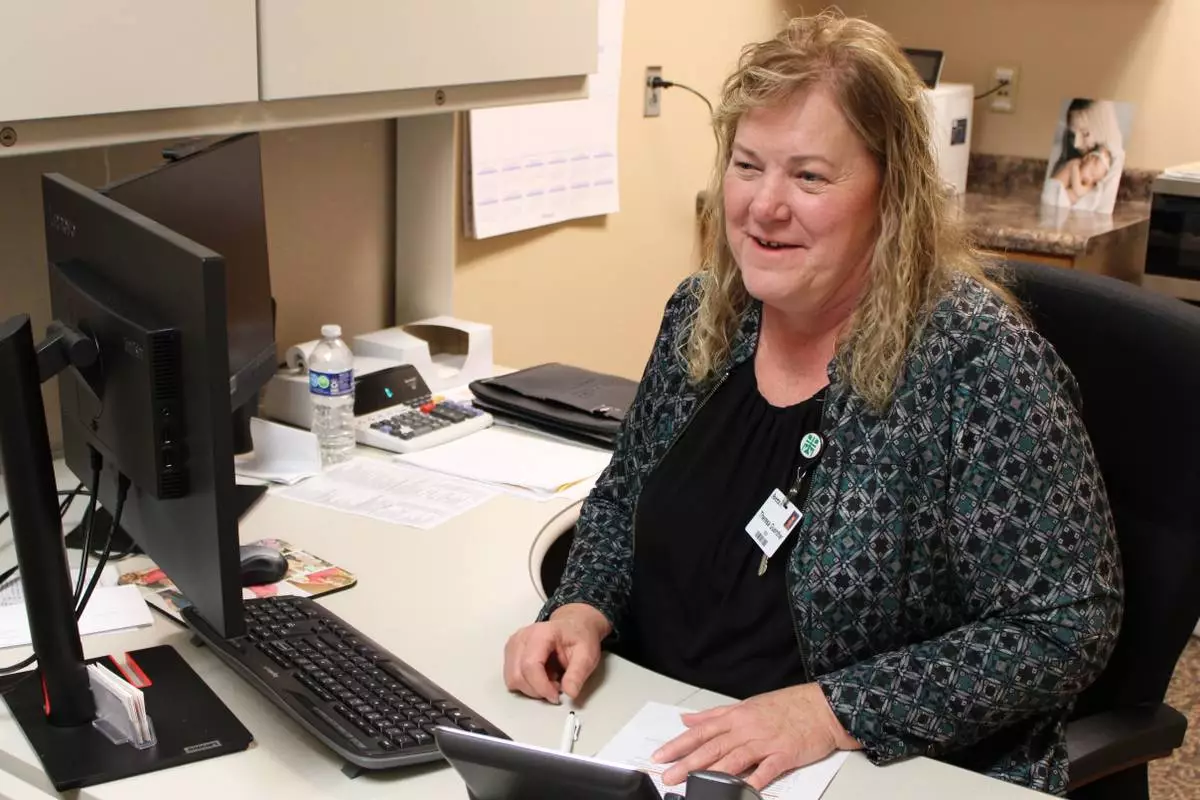
Avera Creighton Hospital CEO Theresa Guenther is seen in her office, Feb. 24, 2026, in Creighton, Neb. (AP Photo/Margery A. Beck)
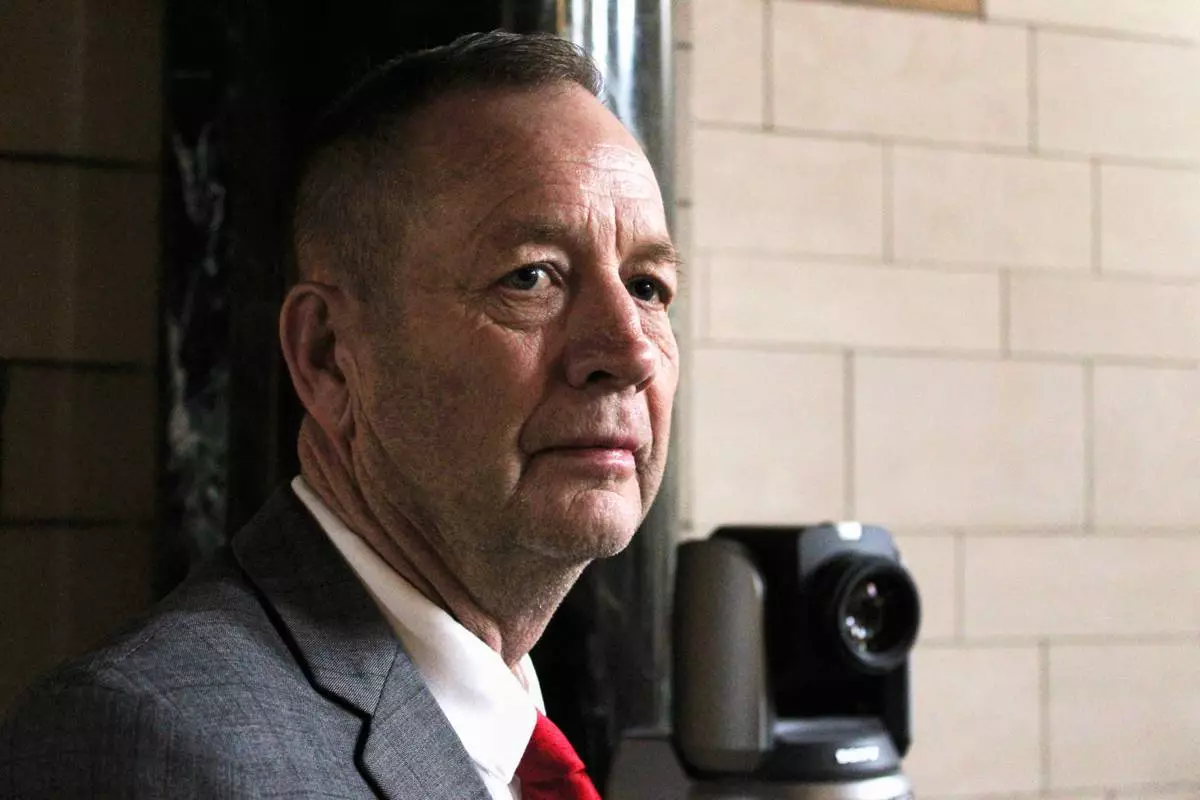
Nebraska State Sen. Barry DeKay, R-Niobrara, is seen on the floor of the Nebraska State Capitol, Feb. 5, 2026, in Lincoln, Neb. (AP Photo/Margery A. Beck)
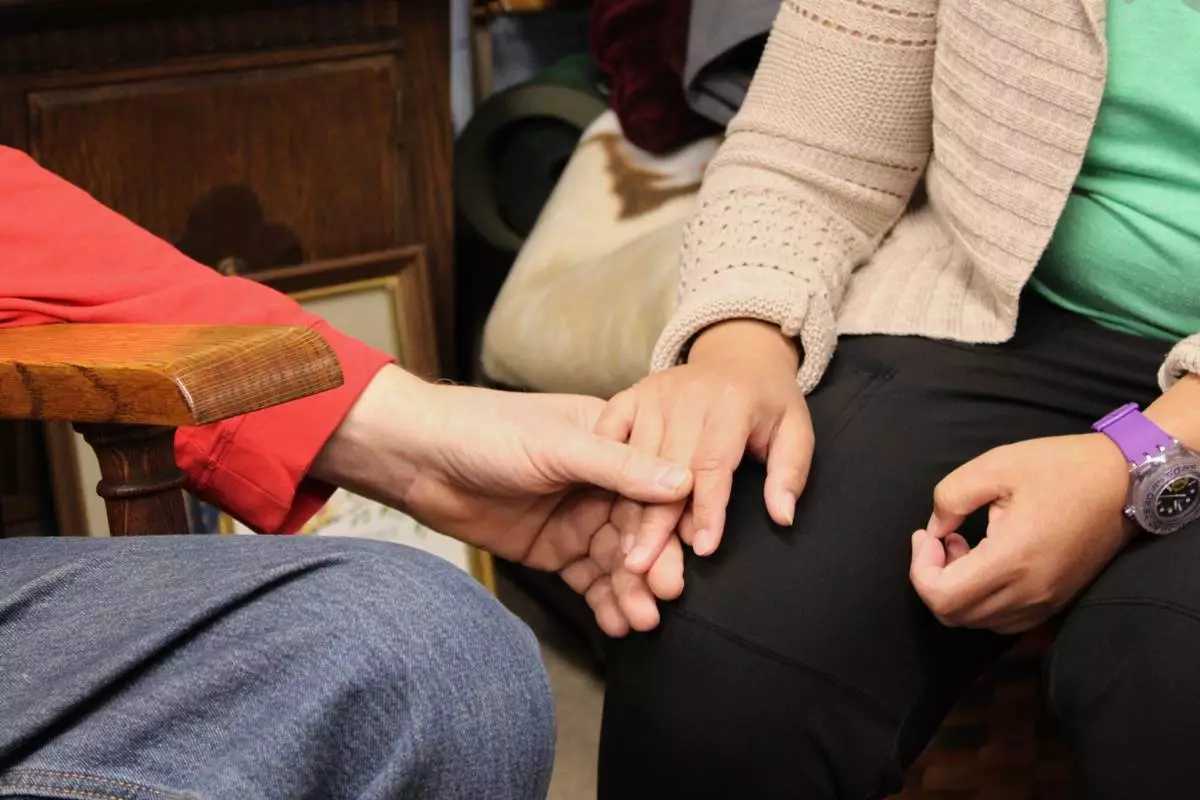
Jane and Rick Saint John hold hands on Feb. 24, 2026, as they recall how Jane received life-saving care three years ago at Avera Creighton Hospital, in rural Creighton, Neb. (AP Photo/Margery A. Beck)
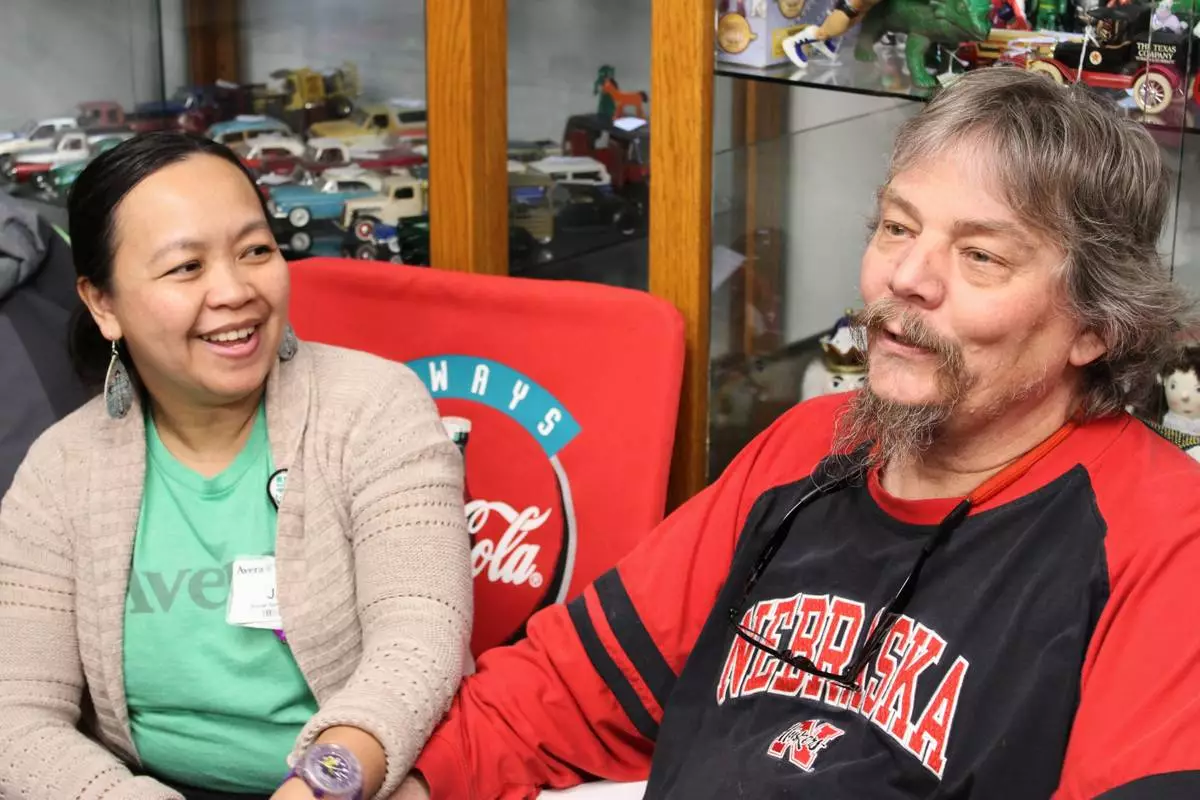
Jane and Rick Saint John discuss how important their local hospital, Avera Creighton Hospital, is in their rural community, Feb. 24, 2026, in Creighton, Neb. (AP Photo/Margery A. Beck)
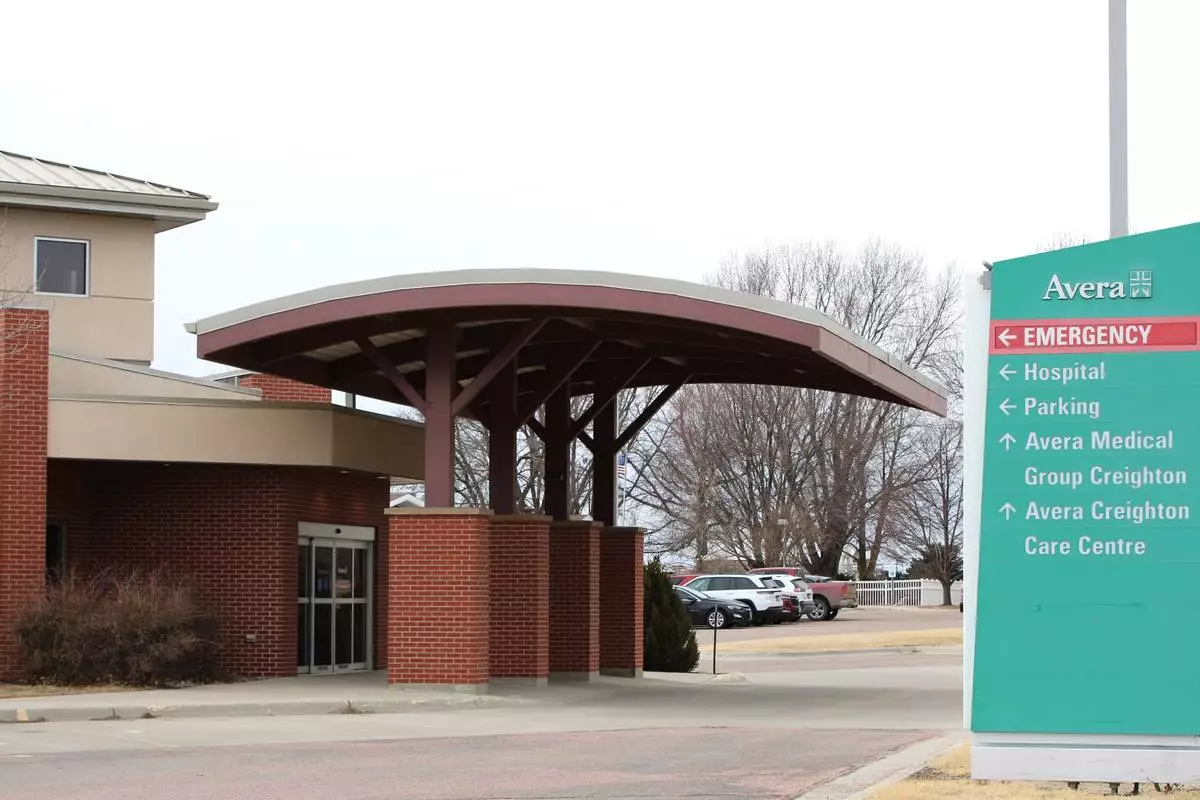
Avera Creighton Hospital is seen on Feb. 24, 2026, in Creighton, Neb. (AP Photo/Margery A. Beck)