MOSCOW, Idaho (AP) — Residents expressed a mix of relief and anger Tuesday in the small Idaho college town where four students were stabbed to death in 2022 after news that the man charged in the killings had agreed to plead guilty to avoid a trial and a possible death penalty.
Bryan Kohberger, 30, is expected to plead guilty on Wednesday to charges that he murdered University of Idaho students Kaylee Goncalves, Ethan Chapin, Xana Kernodle and Madison Mogen at a rental home near the Moscow campus in November 2022.
Click to Gallery
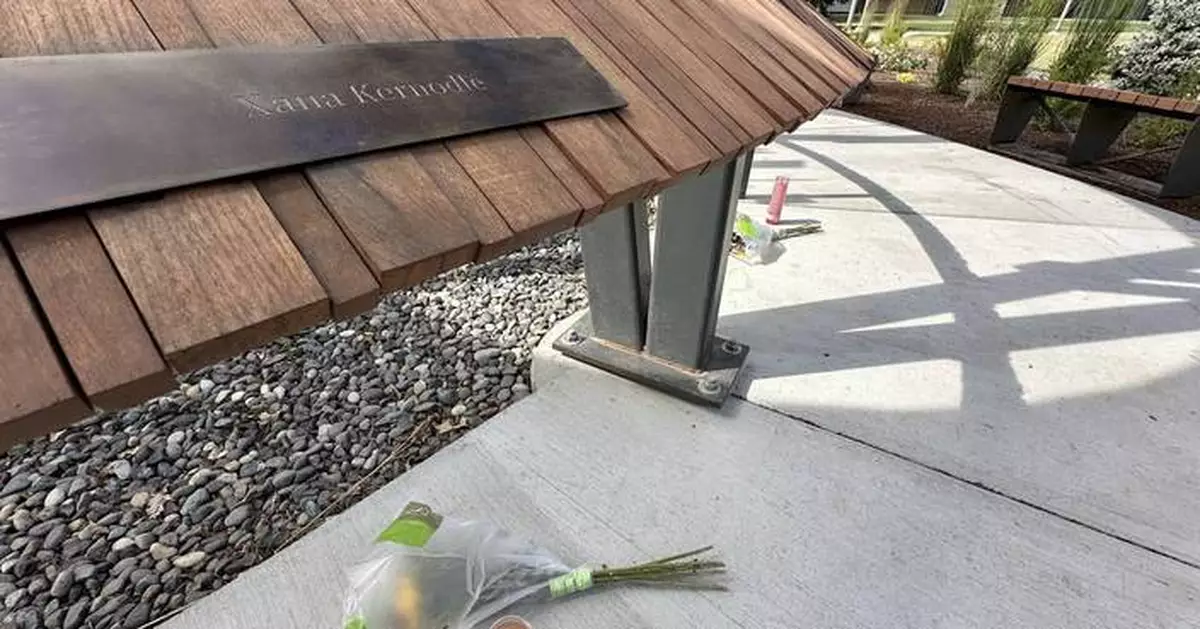
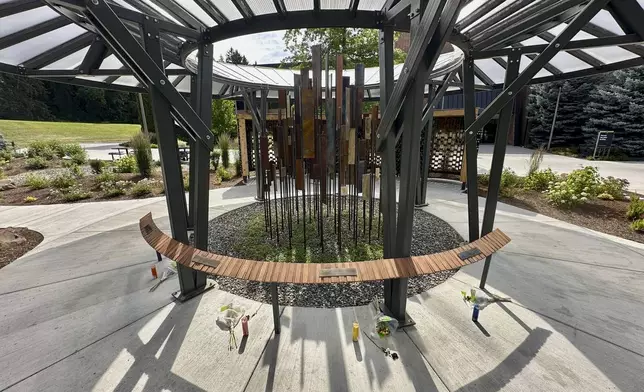
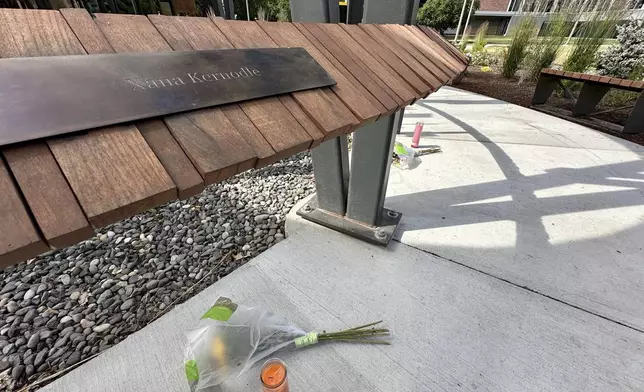
During their memorial, flowers and candles are seen below the names of the University of Idaho students who were killed in November 2022 at their off campus house in Moscow, Idaho, Tuesday, July 1, 2025. (AP Photo/Manuel Valdes)
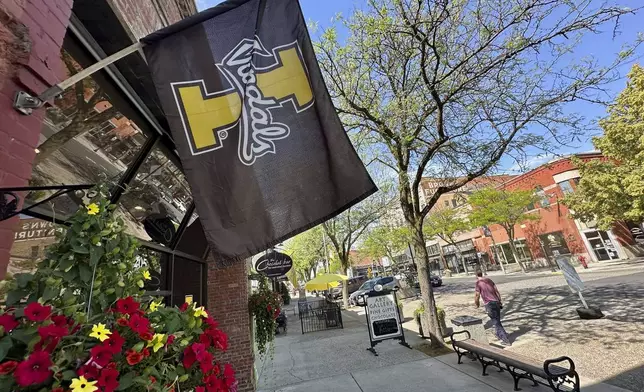
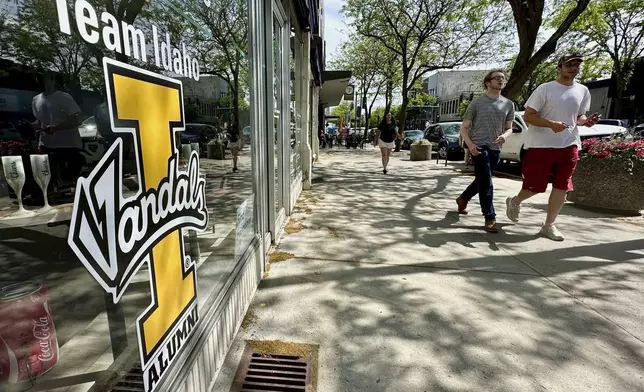
A University of Idaho flag hangs from a storefront in downtown Moscow, Idaho, on Tuesday, July 1, 2025. (AP Photos/Manuel Valdes)
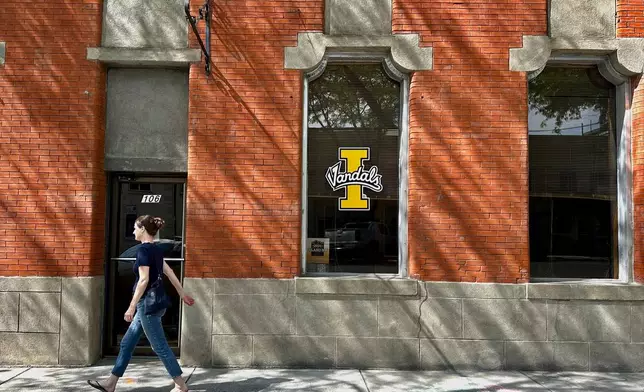
A person walks on a downtown street in Moscow, Idaho, in front of a building with a University of Idaho logo on a window on Tuesday, July 1, 2025. (AP Photos/Manuel Valdes)
People walk on Main Street in downtown Moscow, Idaho, by a storefront with University of Idaho logo on a window on Tuesday, July 1, 2025. (AP Photos/Manuel Valdes)
A flower and a candle were left below the name plaque for Xana Kernodle, one of the four University of Idaho students killed in November 2022 at their off campus house in Moscow, Idaho, on Tuesday, July 1, 2025. (AP Photo/Manuel Valdes)
No motive has emerged for the killings, which stunned a community that's still healing — and news of the plea deal elicited mixed reactions from Moscow residents.
Telisa Swan had thanked authorities with a message on her tattoo shop's marquee after Kohberger was arrested in early 2023. On Tuesday, Swan said she’s disappointed the victims' families may not get full answers if Kohberger ’s quadruple-murder trial doesn’t happen next month.
“But at the same time, I’m glad that he’s admitting his guilt right now, finally,” Swan said, adding that the “death penalty would have been an easy way out for him. He should suffer in prison for a very long time.”
With word of a plea deal, news crews descended Tuesday on Moscow's main street, where every other storefront boasts the University of Idaho's colors, flags and insignia.
The nearby campus was quiet, with summer break in full swing. Bouquets of flowers and candles adorned the names of the victims etched on metal plaques at a campus healing garden and memorial opened in 2024 that honors the four students and others who lost their lives while enrolled at the university.
The off-campus home where the killings took place was demolished in 2023, leaving behind an empty lot with dry grass and weathered mementos from a makeshift memorial there.
Moscow resident Luke Brunaugh, who said he lives less than a mile from where the killings happened, didn’t like that a deal would mean the death penalty option would go away, saying that should be the punishment for murder.
“I think it’s just unfair to the families," said Brunaugh. “It allows him to hide. He never had to really go to trial. He is answering to his crimes, but not to the fullest extent in my opinion.”
In Idaho, judges have the option to reject plea agreements, but that is rare. If Kohberger pleads guilty on Wednesday, he is expected to be sentenced in late July.
Kohberger, who was a criminal justice graduate student at Washington State University at the time of the killings, was arrested after investigators said they matched his DNA to genetic material recovered from a knife sheath found at the crime scene.
Heidi Barnett said she felt trepidation when her son chose the University of Idaho as his college three years ago. Visiting him in Moscow Tuesday, Barnett said a long trial would have been very emotional for the families.
“I would think life in prison sometimes would be harder, so I kind of looked at it that way,” she said. “I’m not the parent, but I would be happy with that.”
Golden reported from Seattle.
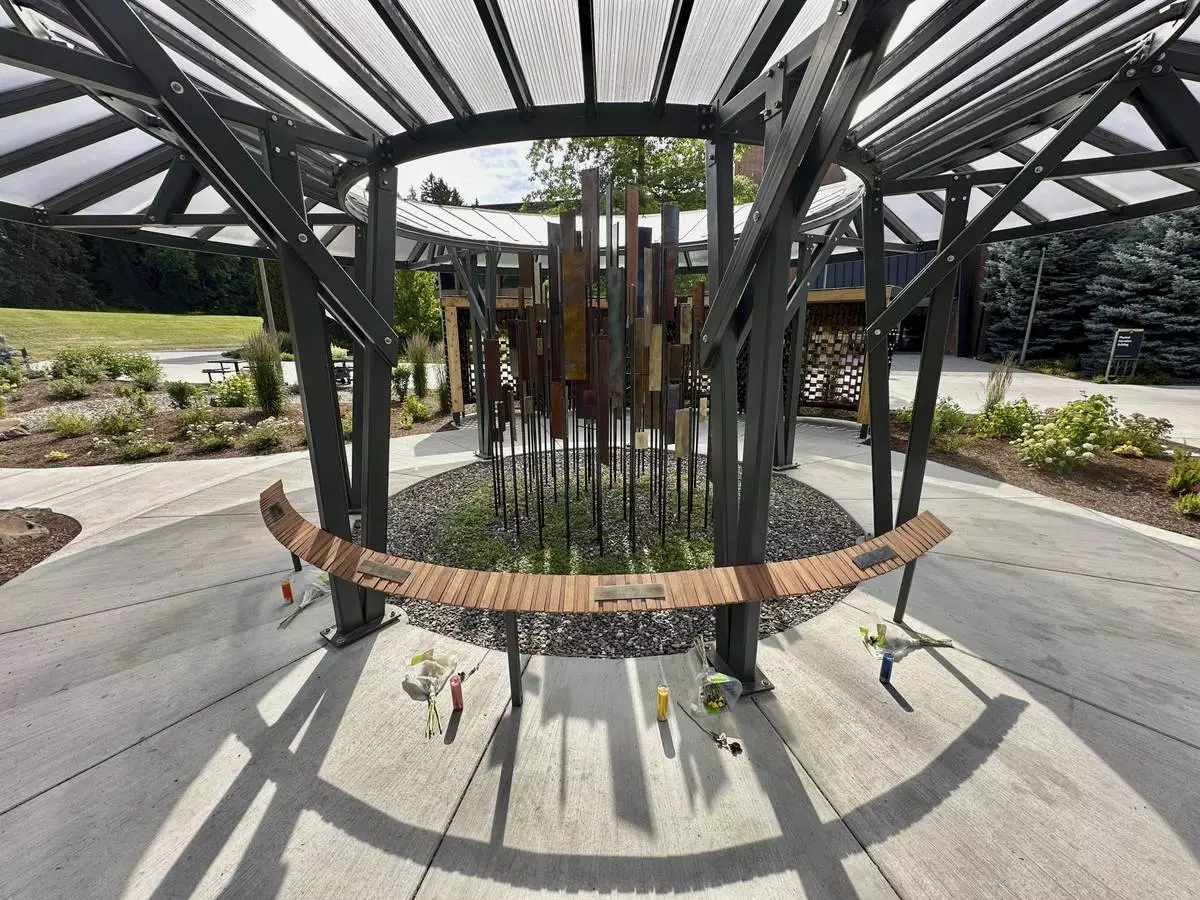
During their memorial, flowers and candles are seen below the names of the University of Idaho students who were killed in November 2022 at their off campus house in Moscow, Idaho, Tuesday, July 1, 2025. (AP Photo/Manuel Valdes)
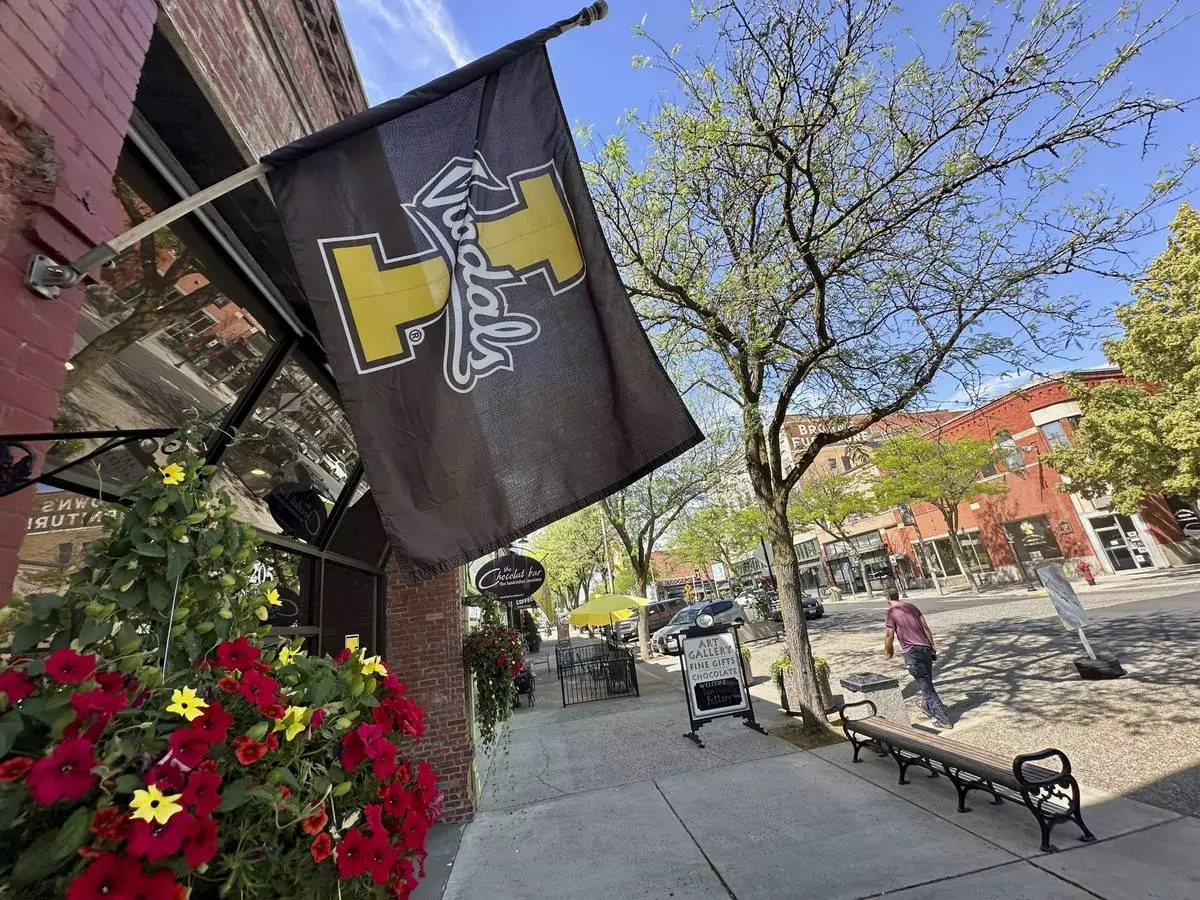
A University of Idaho flag hangs from a storefront in downtown Moscow, Idaho, on Tuesday, July 1, 2025. (AP Photos/Manuel Valdes)
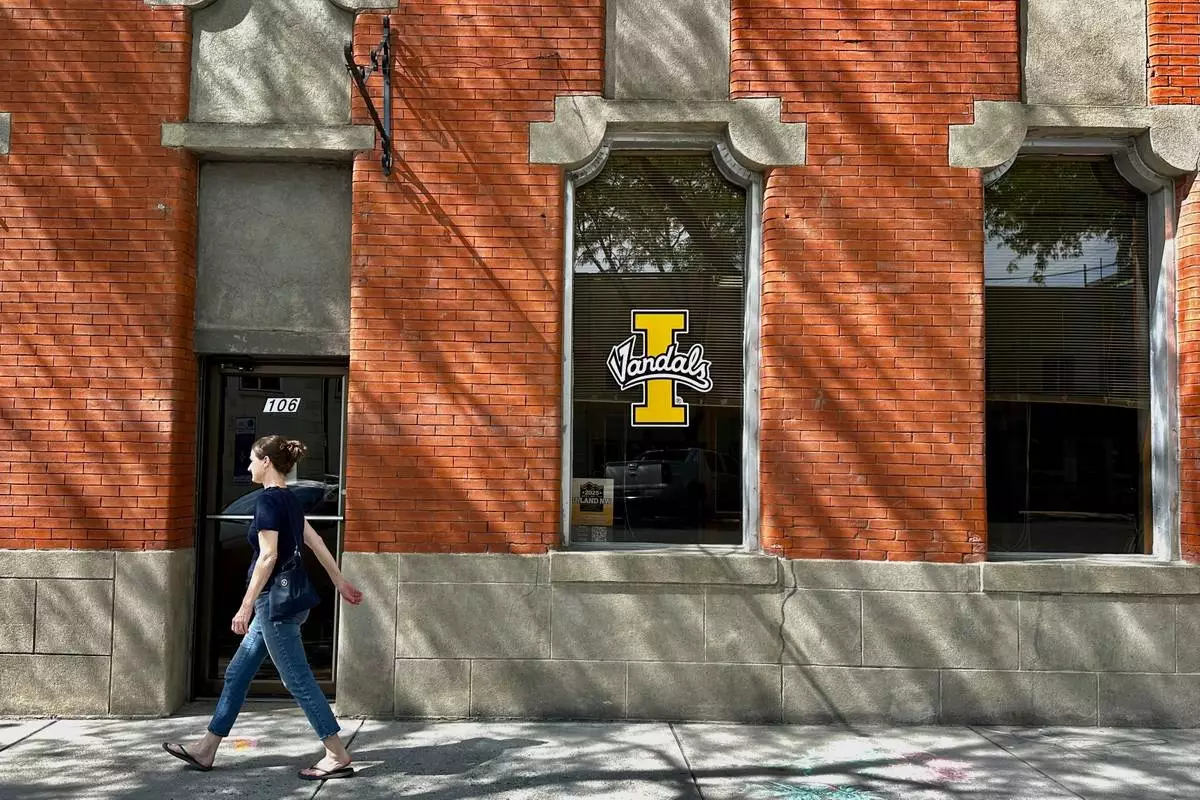
A person walks on a downtown street in Moscow, Idaho, in front of a building with a University of Idaho logo on a window on Tuesday, July 1, 2025. (AP Photos/Manuel Valdes)
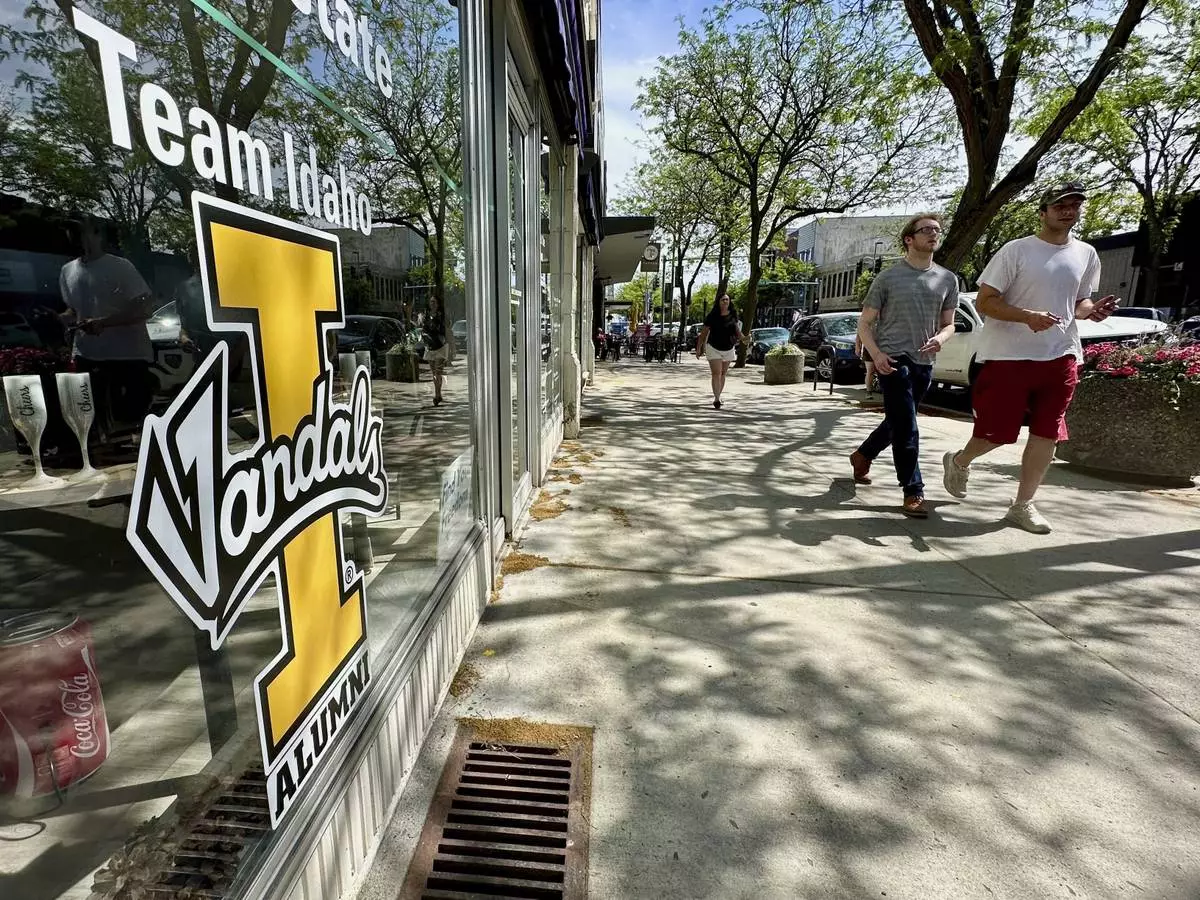
People walk on Main Street in downtown Moscow, Idaho, by a storefront with University of Idaho logo on a window on Tuesday, July 1, 2025. (AP Photos/Manuel Valdes)
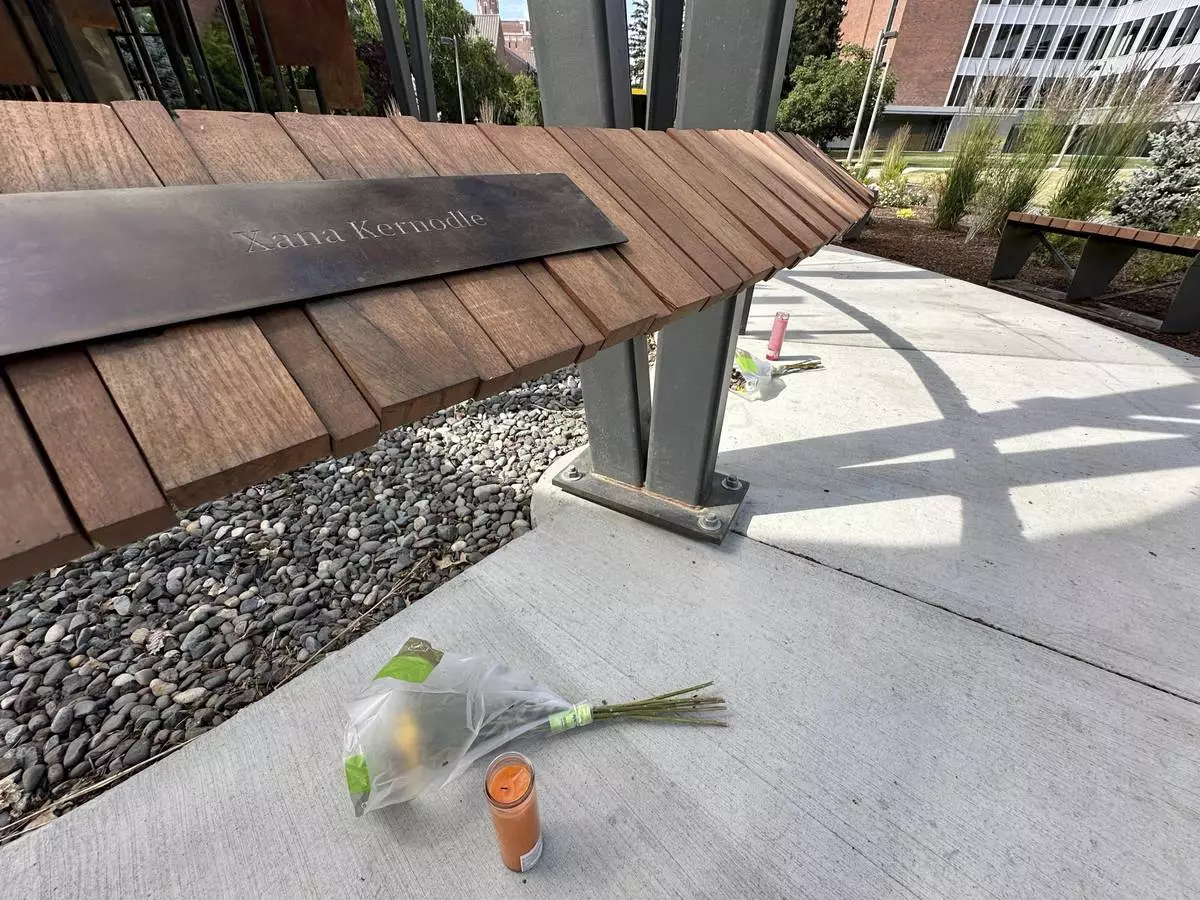
A flower and a candle were left below the name plaque for Xana Kernodle, one of the four University of Idaho students killed in November 2022 at their off campus house in Moscow, Idaho, on Tuesday, July 1, 2025. (AP Photo/Manuel Valdes)
WASHINGTON (AP) — Becky Pepper-Jackson finished third in the discus throw in West Virginia last year though she was in just her first year of high school. Now a 15-year-old sophomore, Pepper-Jackson is aware that her upcoming season could be her last.
West Virginia has banned transgender girls like Pepper-Jackson from competing in girls and women's sports, and is among the more than two dozen states with similar laws. Though the West Virginia law has been blocked by lower courts, the outcome could be different at the conservative-dominated Supreme Court, which has allowed multiple restrictions on transgender people to be enforced in the past year.
The justices are hearing arguments Tuesday in two cases over whether the sports bans violate the Constitution or the landmark federal law known as Title IX that prohibits sex discrimination in education. The second case comes from Idaho, where college student Lindsay Hecox challenged that state's law.
Decisions are expected by early summer.
President Donald Trump's Republican administration has targeted transgender Americans from the first day of his second term, including ousting transgender people from the military and declaring that gender is immutable and determined at birth.
Pepper-Jackson has become the face of the nationwide battle over the participation of transgender girls in athletics that has played out at both the state and federal levels as Republicans have leveraged the issue as a fight for athletic fairness for women and girls.
“I think it’s something that needs to be done,” Pepper-Jackson said in an interview with The Associated Press that was conducted over Zoom. “It’s something I’m here to do because ... this is important to me. I know it’s important to other people. So, like, I’m here for it.”
She sat alongside her mother, Heather Jackson, on a sofa in their home just outside Bridgeport, a rural West Virginia community about 40 miles southwest of Morgantown, to talk about a legal fight that began when she was a middle schooler who finished near the back of the pack in cross-country races.
Pepper-Jackson has grown into a competitive discus and shot put thrower. In addition to the bronze medal in the discus, she finished eighth among shot putters.
She attributes her success to hard work, practicing at school and in her backyard, and lifting weights. Pepper-Jackson has been taking puberty-blocking medication and has publicly identified as a girl since she was in the third grade, though the Supreme Court's decision in June upholding state bans on gender-affirming medical treatment for minors has forced her to go out of state for care.
Her very improvement as an athlete has been cited as a reason she should not be allowed to compete against girls.
“There are immutable physical and biological characteristic differences between men and women that make men bigger, stronger, and faster than women. And if we allow biological males to play sports against biological females, those differences will erode the ability and the places for women in these sports which we have fought so hard for over the last 50 years,” West Virginia's attorney general, JB McCuskey, said in an AP interview. McCuskey said he is not aware of any other transgender athlete in the state who has competed or is trying to compete in girls or women’s sports.
Despite the small numbers of transgender athletes, the issue has taken on outsize importance. The NCAA and the U.S. Olympic and Paralympic Committees banned transgender women from women's sports after Trump signed an executive order aimed at barring their participation.
The public generally is supportive of the limits. An Associated Press-NORC Center for Public Affairs Research poll conducted in October 2025 found that about 6 in 10 U.S. adults “strongly” or “somewhat” favored requiring transgender children and teenagers to only compete on sports teams that match the sex they were assigned at birth, not the gender they identify with, while about 2 in 10 were “strongly” or “somewhat” opposed and about one-quarter did not have an opinion.
About 2.1 million adults, or 0.8%, and 724,000 people age 13 to 17, or 3.3%, identify as transgender in the U.S., according to the Williams Institute at the UCLA School of Law.
Those allied with the administration on the issue paint it in broader terms than just sports, pointing to state laws, Trump administration policies and court rulings against transgender people.
"I think there are cultural, political, legal headwinds all supporting this notion that it’s just a lie that a man can be a woman," said John Bursch, a lawyer with the conservative Christian law firm Alliance Defending Freedom that has led the legal campaign against transgender people. “And if we want a society that respects women and girls, then we need to come to terms with that truth. And the sooner that we do that, the better it will be for women everywhere, whether that be in high school sports teams, high school locker rooms and showers, abused women’s shelters, women’s prisons.”
But Heather Jackson offered different terms to describe the effort to keep her daughter off West Virginia's playing fields.
“Hatred. It’s nothing but hatred,” she said. "This community is the community du jour. We have a long history of isolating marginalized parts of the community.”
Pepper-Jackson has seen some of the uglier side of the debate on display, including when a competitor wore a T-shirt at the championship meet that said, “Men Don't Belong in Women's Sports.”
“I wish these people would educate themselves. Just so they would know that I’m just there to have a good time. That’s it. But it just, it hurts sometimes, like, it gets to me sometimes, but I try to brush it off,” she said.
One schoolmate, identified as A.C. in court papers, said Pepper-Jackson has herself used graphic language in sexually bullying her teammates.
Asked whether she said any of what is alleged, Pepper-Jackson said, “I did not. And the school ruled that there was no evidence to prove that it was true.”
The legal fight will turn on whether the Constitution's equal protection clause or the Title IX anti-discrimination law protects transgender people.
The court ruled in 2020 that workplace discrimination against transgender people is sex discrimination, but refused to extend the logic of that decision to the case over health care for transgender minors.
The court has been deluged by dueling legal briefs from Republican- and Democratic-led states, members of Congress, athletes, doctors, scientists and scholars.
The outcome also could influence separate legal efforts seeking to bar transgender athletes in states that have continued to allow them to compete.
If Pepper-Jackson is forced to stop competing, she said she will still be able to lift weights and continue playing trumpet in the school concert and jazz bands.
“It will hurt a lot, and I know it will, but that’s what I’ll have to do,” she said.
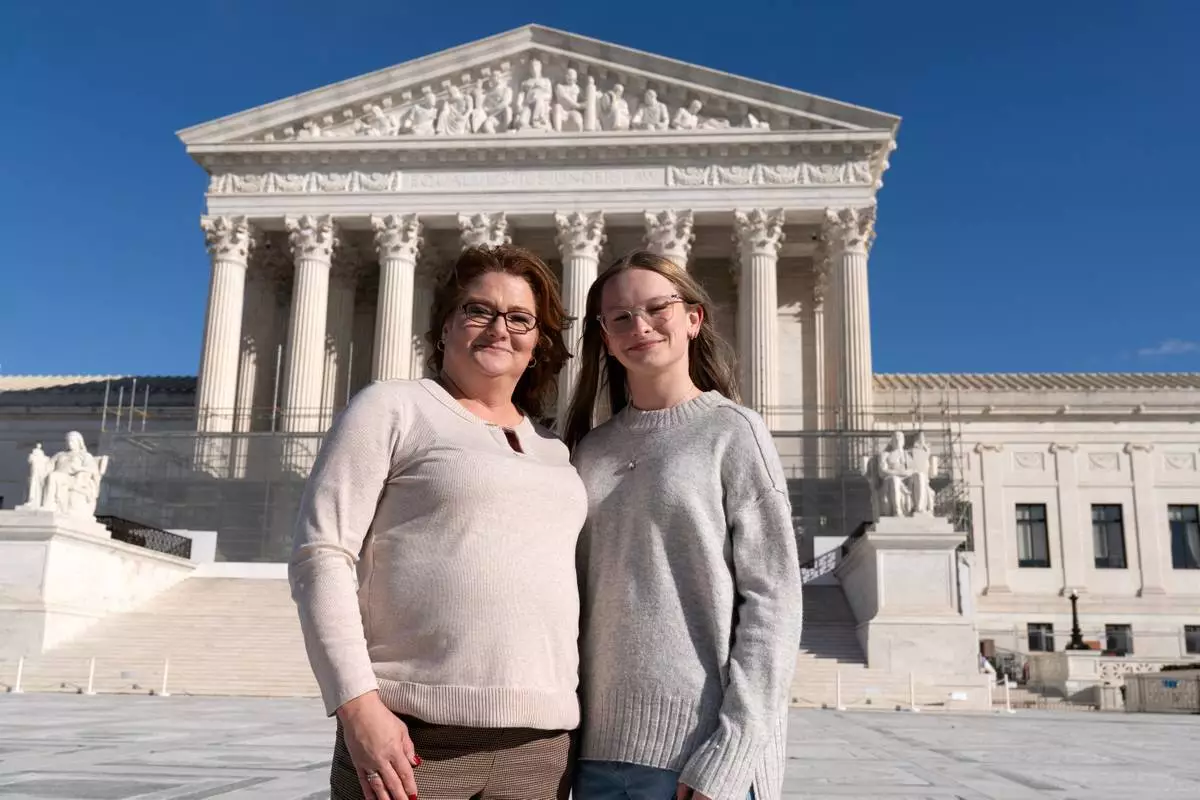
Heather Jackson, left, and Becky Pepper-Jackson pose for a photograph outside of the U.S. Supreme Court in Washington, Sunday, Jan. 11, 2026. (AP Photo/Jose Luis Magana)
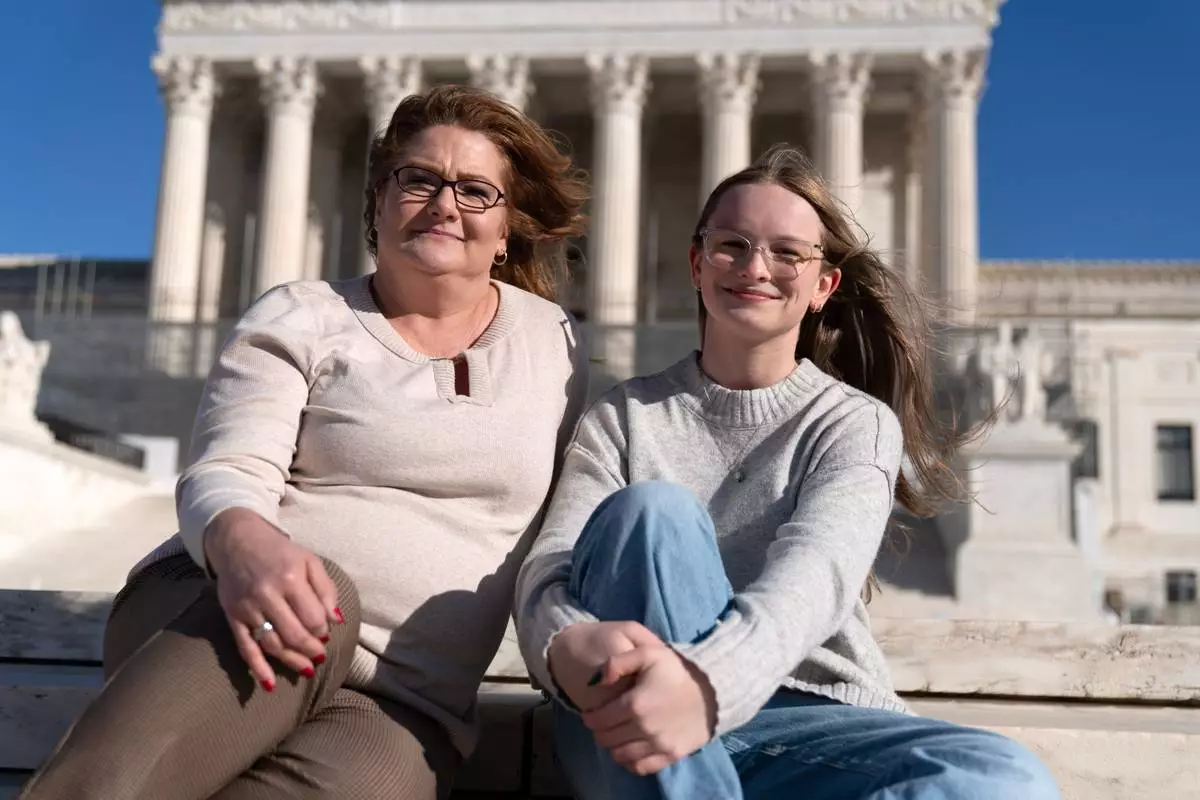
Heather Jackson, left, and Becky Pepper-Jackson pose for a photograph outside of the U.S. Supreme Court in Washington, Sunday, Jan. 11, 2026. (AP Photo/Jose Luis Magana)
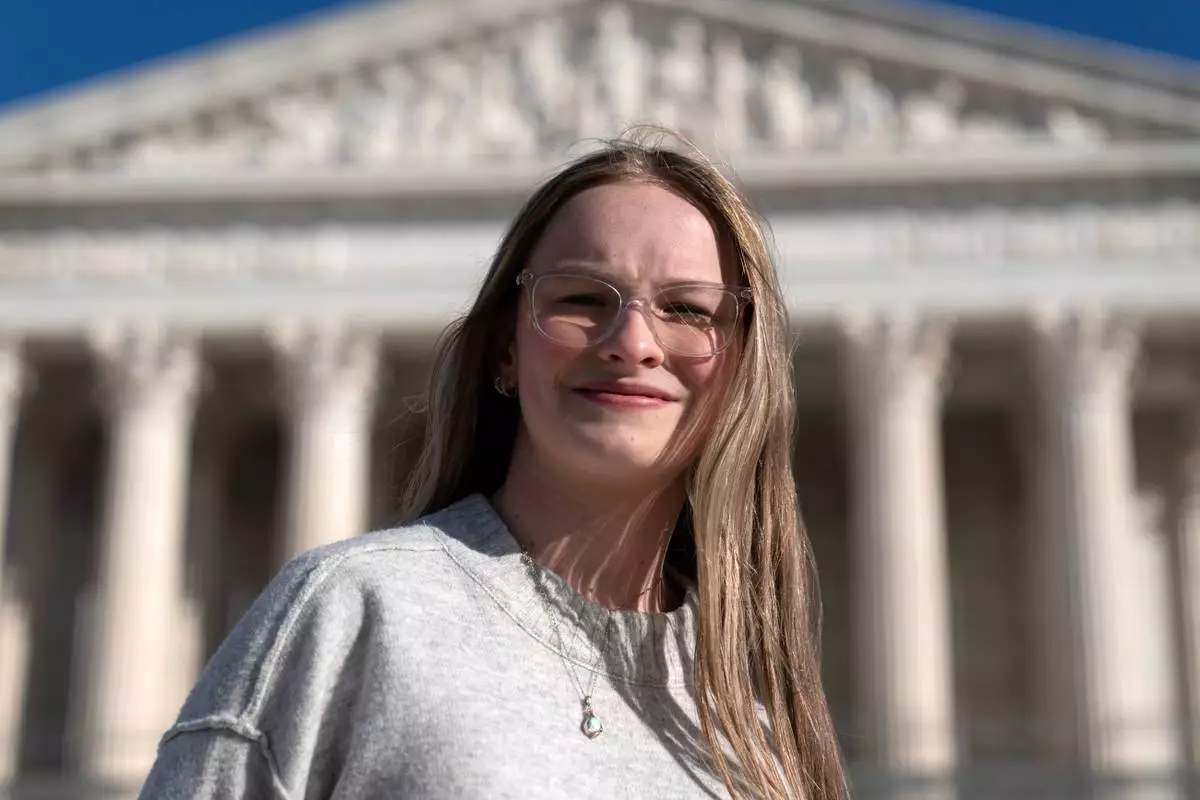
Becky Pepper-Jackson poses for a photograph outside of the U.S. Supreme Court in Washington, Sunday, Jan. 11, 2026. (AP Photo/Jose Luis Magana)
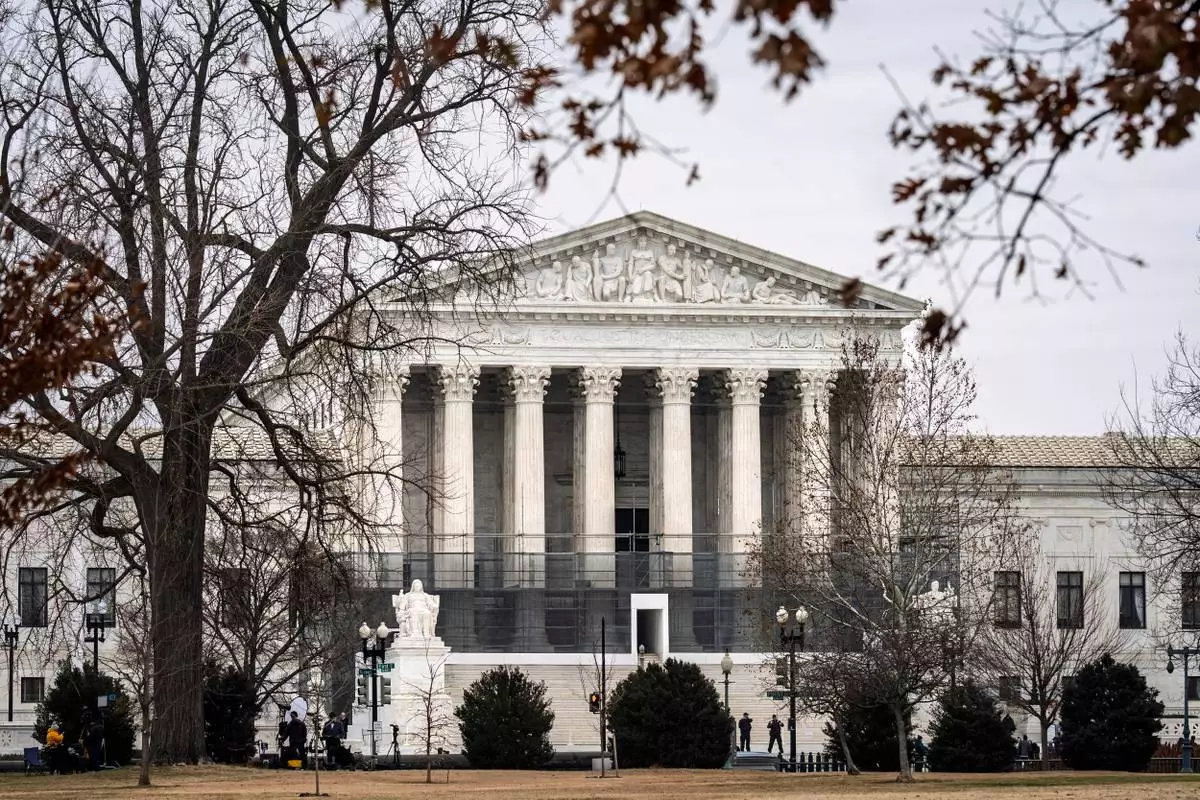
The Supreme Court stands is Washington, Friday, Jan. 9, 2026. (AP Photo/J. Scott Applewhite)
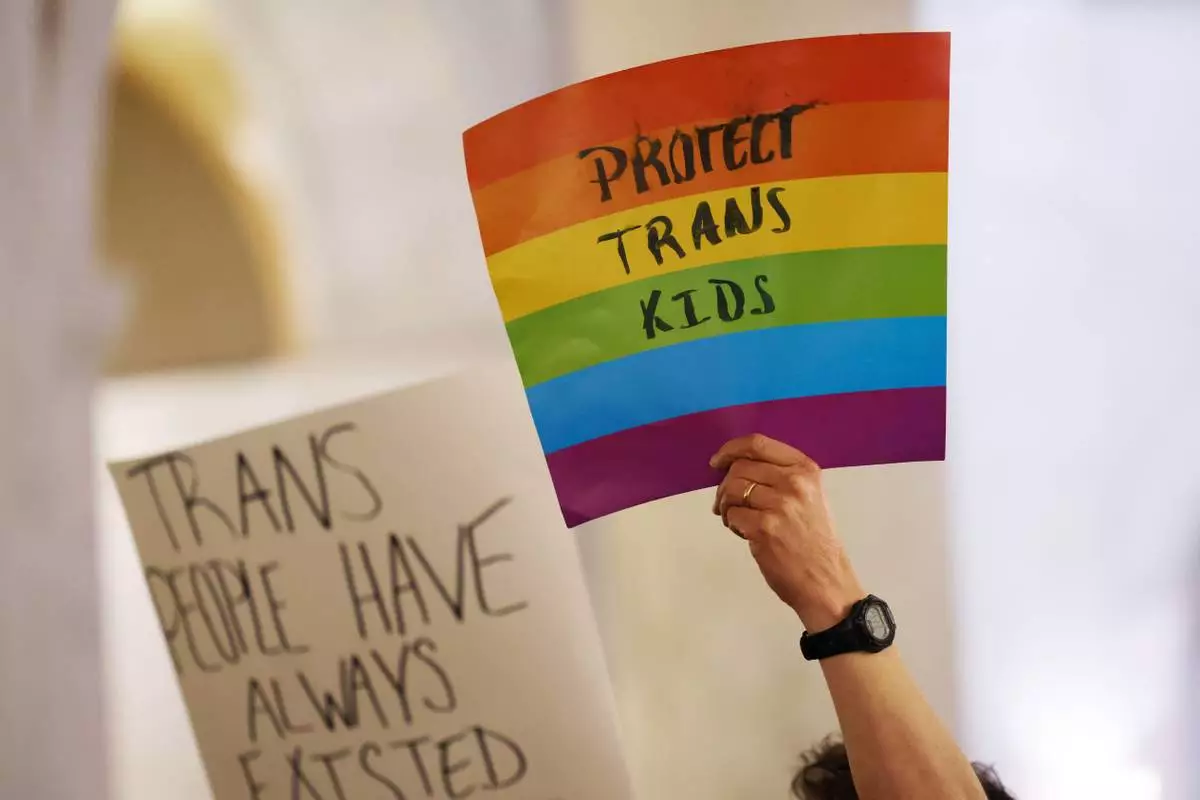
FILE - Protestors hold signs during a rally at the state capitol in Charleston, W.Va., on March 9, 2023. (AP Photo/Chris Jackson, file)