Deaths of ethnic Azerbaijanis rounded up by police for decades-old murders in a Russian city. The crash of an Azerbaijan Airlines passenger jet that Baku blamed on Moscow. Growing ties between Azerbaijan and Turkey, along with waning Russian influence in the troubled South Caucasus region.
These are among the factors that have led to the escalating tensions between Russia and Azerbaijan, the oil-rich Caspian Sea country where President Ilhan Aliyev has been in power since 2003 -- almost as long as the 25-year rule of Vladimir Putin in Russia.
Click to Gallery
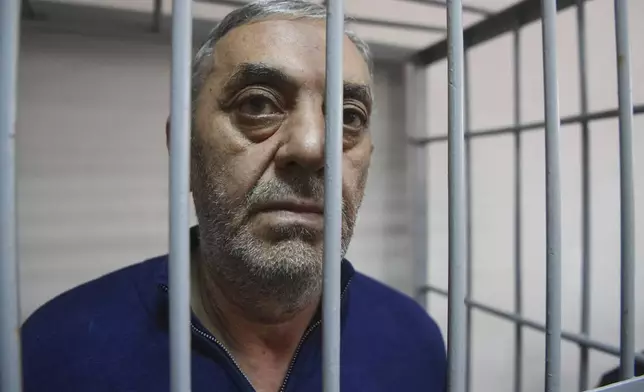
FILE - Bakir Safarov, a native of Azerbaijan, who faces murder charges as part of a Russian probe into several murders that caused outrage in Azerbaijan, attends a court hearing in Yekaterinburg, Russia, Tuesday, July 1, 2025. (AP Photo, File)
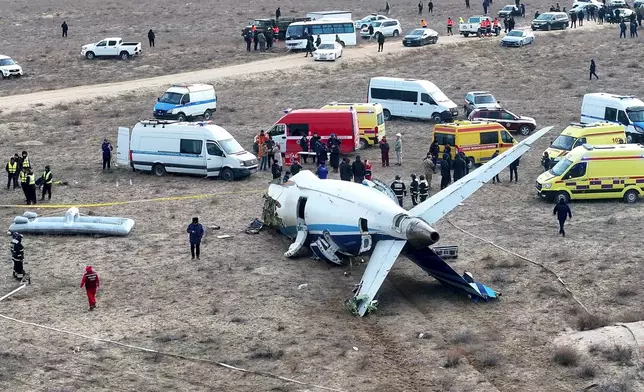
FILE - The wreckage of an Azerbaijan Airlines passenger jet lies on the ground near the airport in Aktau, Kazakhstan, where it crash-landed on Dec. 25, 2024. (AP Photo/Azamat Sarsenbayev, File)
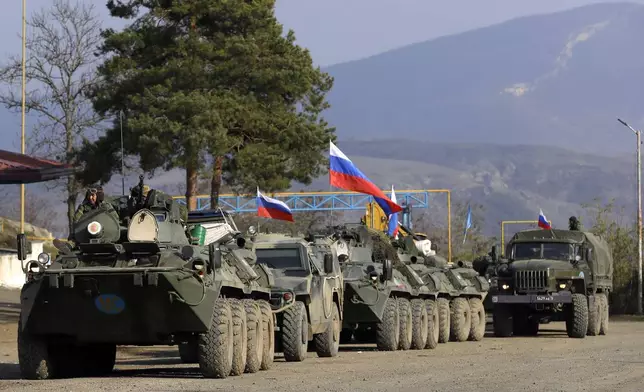
FILE - Vehicles used by Russian peacekeepers are seen parked at a checkpoint on the road in the region of Karabakh in the South Caucasus, Nov. 17, 2020. (AP Photo/Sergei Grits, File)
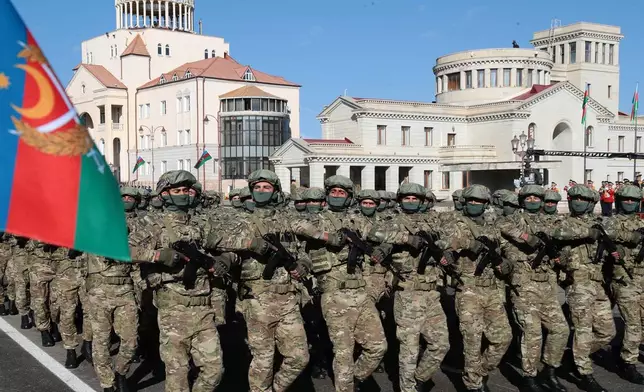
FILE - In this photo provided by the Azerbaijan Presidential Press Office, Azerbaijan President Ilham Aliyev holds a parade in Khankendi, the capital of Karabakh, Azerbaijan, on Nov. 8, 2023. (Azerbaijani Presidential Press Office via AP, File)
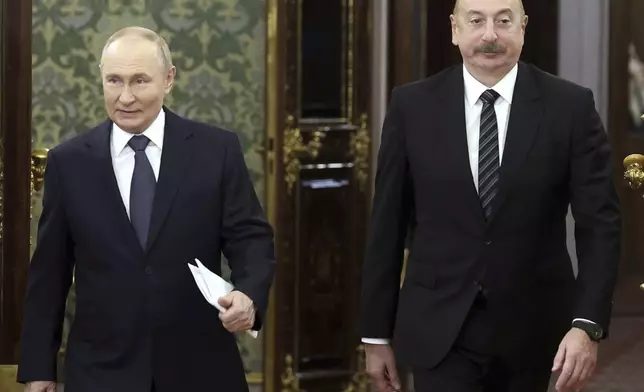
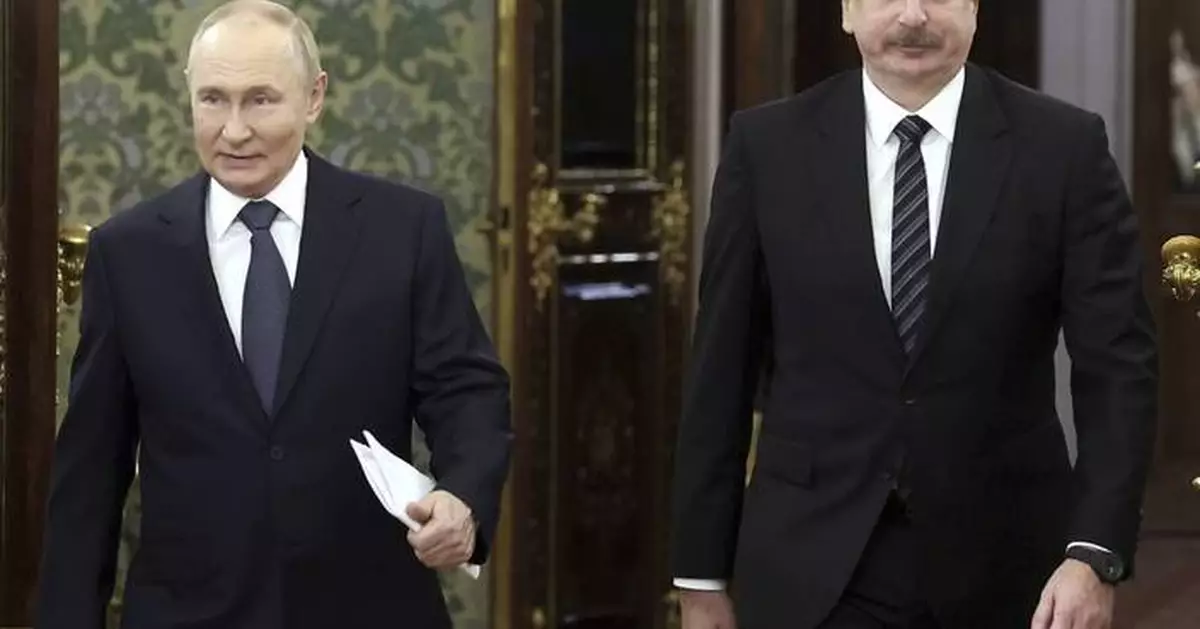
FILE - Russian President Vladimir Putin, left, and Azerbaijani President Ilham Aliyev enter a hall during a meeting at the Kremlin in Moscow, Russia, Oct. 8, 2024. (Valery Sharifulin, Sputnik, Kremlin Pool Photo via AP, File)
Here is a look at the previously warm relationship between Russia and Azerbaijan and what has happened:
Russia and Azerbaijan developed strong economic and cultural ties after 1993 when Aliyev’s father, Heydar, who also was Azerbaijan’s Soviet-era Communist boss, became president. Like Putin, the younger Aliyev has suppressed political foes and restricted independent media.
Azerbaijan has bought oil and natural gas from Russia to meet internal demand while exporting its own energy riches to the West. Russia also has been the main market for Azerbaijan’s fruit and vegetable exports. It also is a key transport corridor for Russia’s trade with Iran and other partners in the Middle East.
Azerbaijani businessmen control significant assets in construction, real estate, trade and other sectors of the Russian economy.
Russia is home to a sizable Azerbaijani diaspora. A 2021 census listed about a half-million ethnic Azerbaijanis living in Russia, but unofficial estimates put that number as high as 2 million.
Relations with Baku have become increasingly important for the Kremlin since it sent troops into Ukraine in 2022, especially as Turkey has become a key economic partner for Russia as it faced sweeping Western sanctions.
Just before the Soviet Union collapsed in 1991, an open confrontation erupted between two of its former republics in the South Caucasus — Azerbaijan and its neighbor, Armenia. After years of fighting, Armenian-backed separatists won control of Azerbaijan’s region of Karabakh and nearby territories.
Russia claimed neutrality in the conflict even though it provided economic assistance and supplied weapons to Armenia that hosted its military base. Moscow cosponsored peace talks under the auspices of the Organization for Security and Cooperation in Europe, but they didn't produce a deal.
In 2020, Azerbaijan's military, bolstered by weapons supplied by ally Turkey, recaptured broad swaths of territory that were held for nearly three decades by Armenian forces. Russia brokered a truce and deployed about 2,000 peacekeepers to the region.
Azerbaijan reclaimed full control of Karabakh in September 2023 after a lightning military campaign. Russia, busy with its war in Ukraine, didn’t intervene, angering Armenia's leadership that responded by scaling down its ties with Moscow and bolstering relations with the West.
The victory in Karabakh has fueled Azerbaijan’s ambitions and prompted Aliyev to take a more assertive stand in relations with his neighbors.
On Dec. 25, 2024, an Azerbaijan Airlines passenger jet crashed while on a flight from Baku to Grozny, the regional capital of the Russian republic of Chechnya. Azerbaijani authorities said the jet was accidentally hit by fire from Russian air defenses, then tried to land in western Kazakhstan when it crashed, killing 38 of 67 people aboard.
Putin apologized to Aliyev for what he called a “tragic incident” but stopped short of acknowledging responsibility. Aliyev, meanwhile, criticized Moscow for trying to “hush up” the incident.
In May, Aliyev declined to attend Russia’s Victory Day parade in Moscow alongside other leaders of ex-Soviet nations. Later that month, a Ukrainian foreign minister visited Baku, a sign of closer ties with Kyiv.
On June 27, police raided the homes of several ethnic Azerbaijanis in Yekaterinburg, Russia's fourth-largest city, in what authorities said was part of an investigation into murders dating back decades. Brothers Huseyn and Ziyaddin Safarov died and several other ethnic Azerbaijanis were seriously injured.
The bodies were sent to Azerbaijan, where authorities attributed the deaths to “post-traumatic shock caused by multiple injuries.” The Prosecutor General’s Office said the brothers were subjected to beatings and other physical abuse by Russian police.
Azerbaijan responded by calling off previously scheduled Russian official visits and cultural events.
On Monday, masked police stormed the Baku offices of Sputnik Azerbaijan, a Kremlin-funded media outlet, and arrested seven of its employees. Police also rounded up eight other Russian IT experts and other professionals, who were accused of drug trafficking and cybercrime. Images of the detainees, who didn't have any known criminal record, showed their faces were badly bruised. The images caused outrage in Russia where many hawkish commentators accused Azerbaijan of treating Russians as hostages and urged a tough response.
Russia on Tuesday briefly detained the leader of the Azerbaijani community in Yekaterinburg for interrogation. A video on Russian social media showed special forces breaking the windows of his vehicle, dragging him and his son out, and making them lie face down on the pavement. A prominent member of the Azerbaijani diaspora also was arrested in Voronezh in southern Russia.
Azerbaijan strongly condemned what it called “the demonstrative and deliberate acts of extrajudicial killing and violence” by Russian police following the deaths in Yekaterinburg.
After the arrests of the Sputnik employees and other Russians in Baku, the Russian Foreign Ministry summoned Azerbaijan's ambassador to protest “the recent unfriendly actions of Baku and the intentional steps of the Azerbaijani side aimed to dismantle bilateral relations.”
Azerbaijan shot back by summoning the Russian ambassador to demand a probe into the deaths, punishment for those responsible and compensation for the victims — steps it said were “crucial for eliminating the negative atmosphere in bilateral relations.” It shrugged off Moscow's complaints about the arrests of Russians in Baku
Aliyev discussed the tensions with Russia in a call with Ukrainian President Volodymyr Zelenskyy, an act that seemed designed to rile the Kremlin. Zelenskyy said he expressed support for Baku “in a situation where Russia is bullying Azerbaijani citizens and threatening the Republic of Azerbaijan.”
Asked about the call, Kremlin spokesman Dmitry Peskov said Wednesday that “Ukraine will do everything possible to add fuel to the fire and provoke the Azerbaijani side to continue emotional actions.”
Peskov noted that the head of Russia’s top investigative agency has been in contact with Azerbaijan’s chief prosecutor. He wouldn’t say if Putin would speak to Aliyev to defuse the crisis.
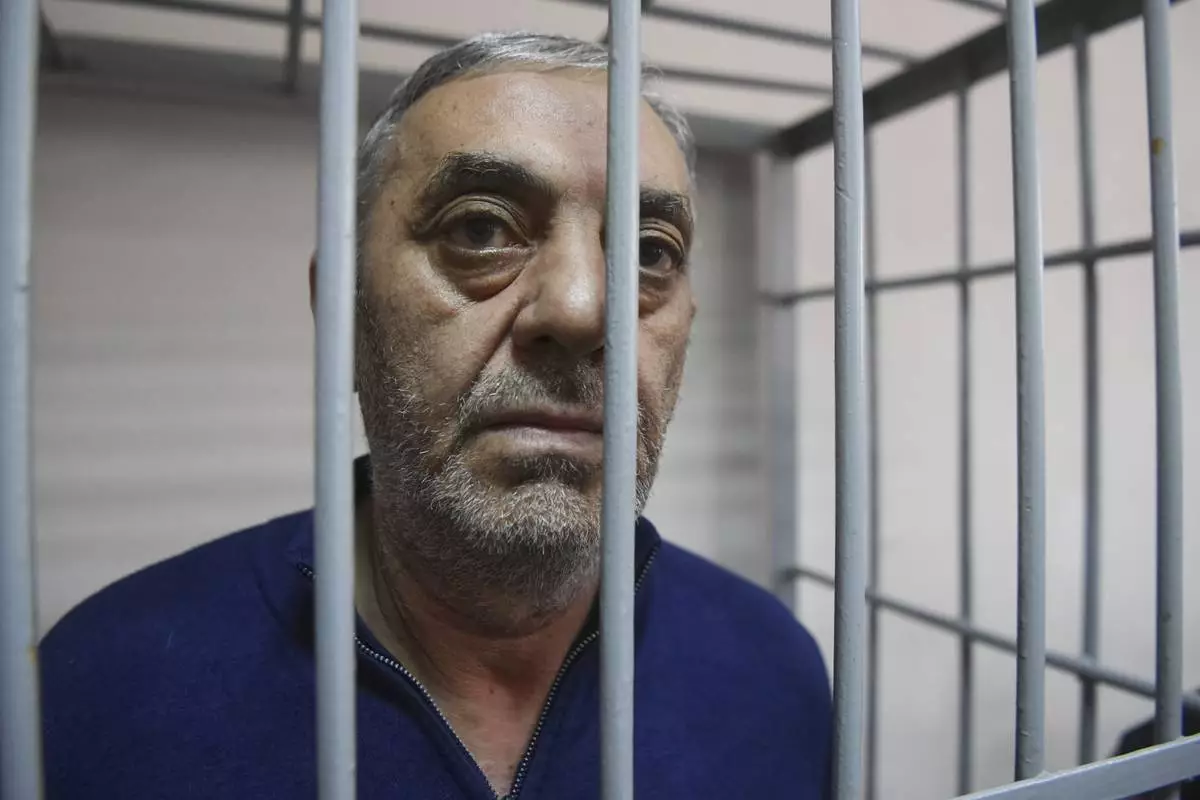
FILE - Bakir Safarov, a native of Azerbaijan, who faces murder charges as part of a Russian probe into several murders that caused outrage in Azerbaijan, attends a court hearing in Yekaterinburg, Russia, Tuesday, July 1, 2025. (AP Photo, File)
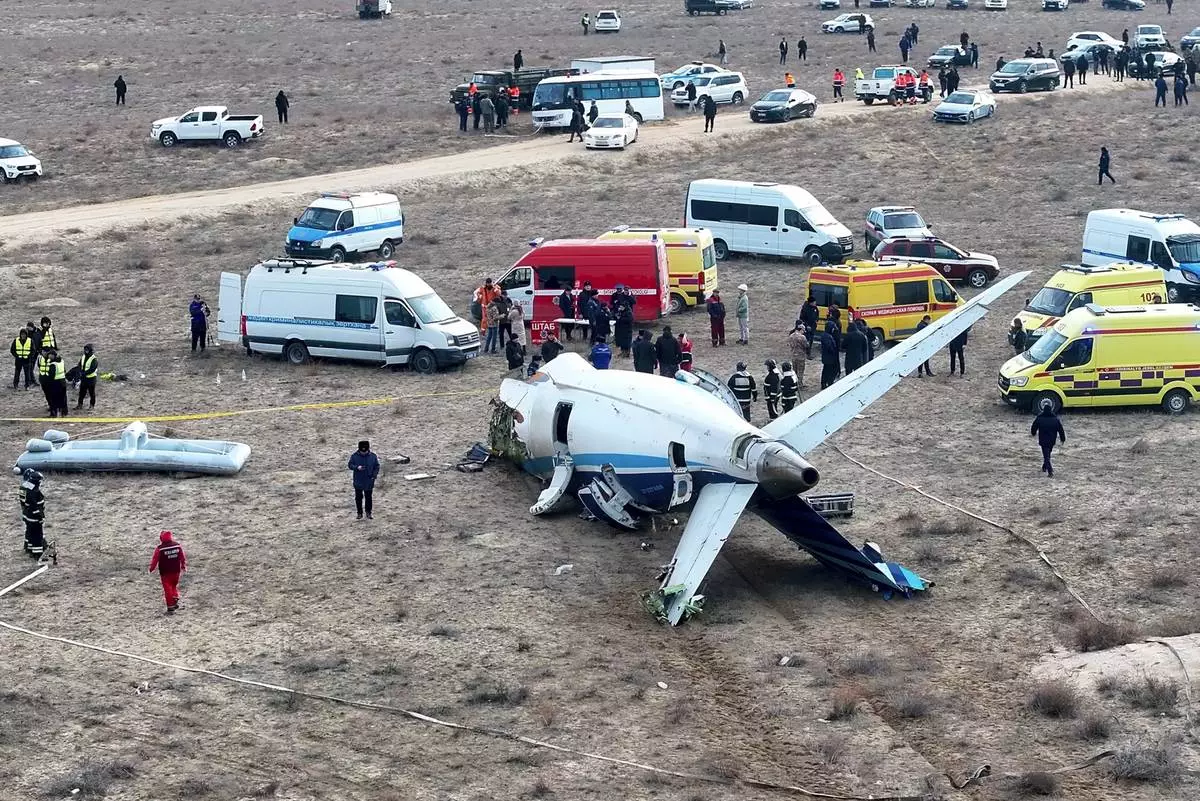
FILE - The wreckage of an Azerbaijan Airlines passenger jet lies on the ground near the airport in Aktau, Kazakhstan, where it crash-landed on Dec. 25, 2024. (AP Photo/Azamat Sarsenbayev, File)
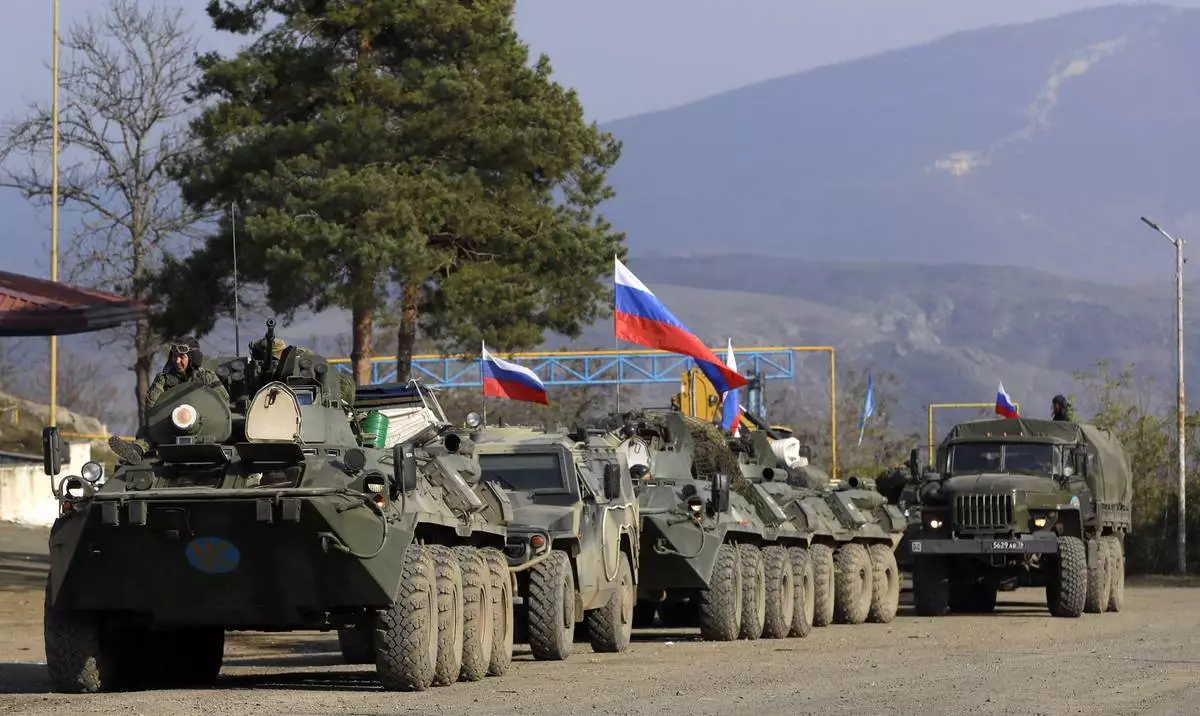
FILE - Vehicles used by Russian peacekeepers are seen parked at a checkpoint on the road in the region of Karabakh in the South Caucasus, Nov. 17, 2020. (AP Photo/Sergei Grits, File)
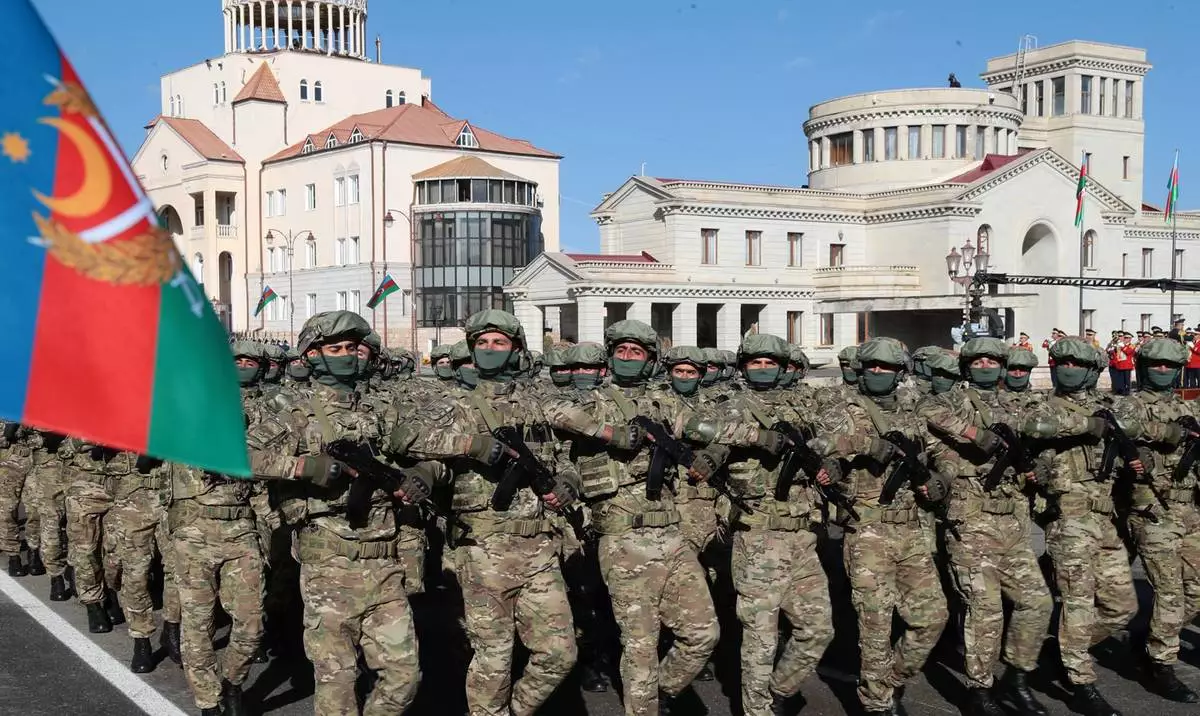
FILE - In this photo provided by the Azerbaijan Presidential Press Office, Azerbaijan President Ilham Aliyev holds a parade in Khankendi, the capital of Karabakh, Azerbaijan, on Nov. 8, 2023. (Azerbaijani Presidential Press Office via AP, File)
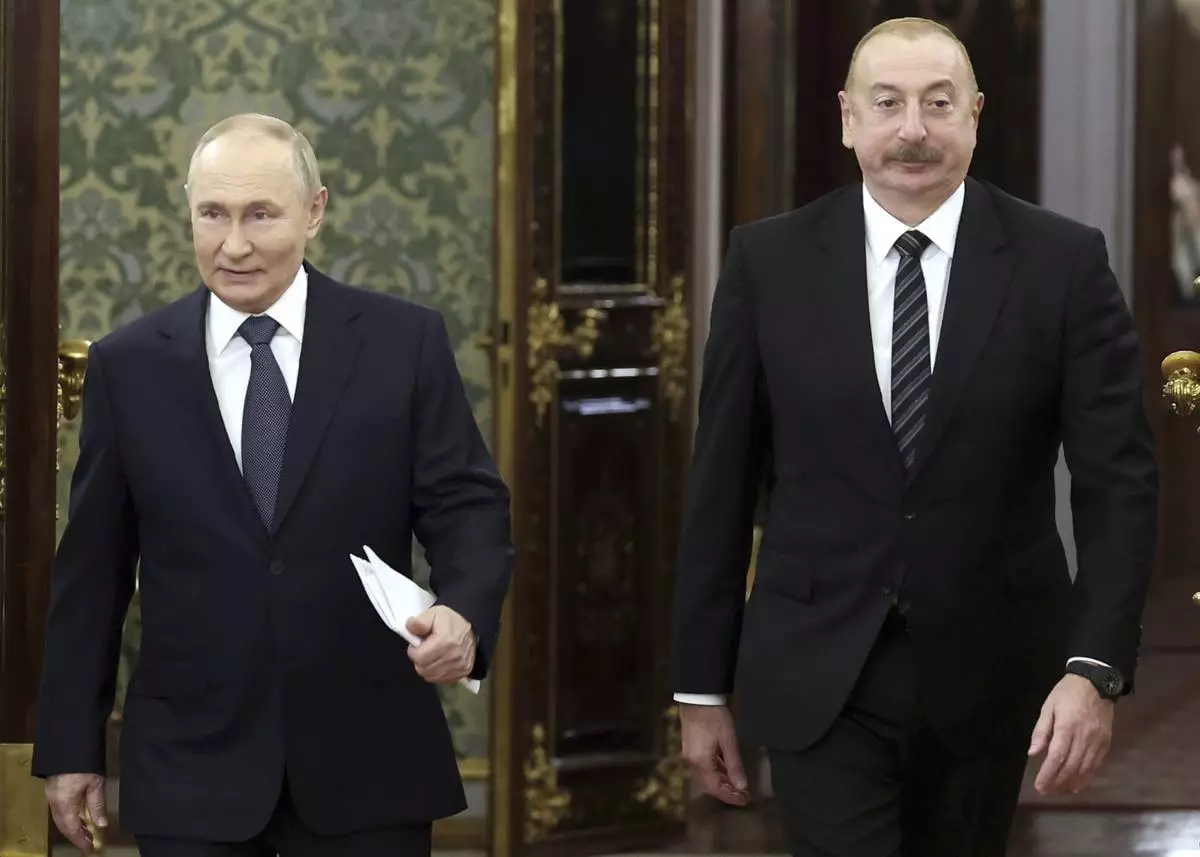
FILE - Russian President Vladimir Putin, left, and Azerbaijani President Ilham Aliyev enter a hall during a meeting at the Kremlin in Moscow, Russia, Oct. 8, 2024. (Valery Sharifulin, Sputnik, Kremlin Pool Photo via AP, File)