RALEIGH, N.C. (AP) — North Carolina Gov. Josh Stein vetoed legislation Wednesday that in part would repeal an interim greenhouse gas reduction mandate set for power generation in a 2021 law, arguing that the bill would have discouraged diverse energy sources and harmed consumers.
The measure, which largely addresses activities involving Duke Energy — the state's dominant electric utility — would get rid of the current requirement that electric regulators take “all reasonable steps to achieve” reducing carbon dioxide output 70% from 2005 levels by 2030.
A directive in the 2021 law to meet a carbon neutrality standard by 2050 stays in place with or without the legislation.
Environmental critics who want cleaner energy sources to come online sooner urged Stein to veto the bill. They also were unhappy with other bill provisions that they argue will make Duke Energy more profitable and shift costs of producing or purchasing electricity to residential customers.
The bill “walks back our state’s commitment to reduce carbon emissions, sending the wrong signal to businesses that want to be a part of our clean energy economy,” Stein said in a news release. “My job is to do everything in my power to lower costs and grow the economy. This bill fails that test.”
Stein, a former attorney general who took office in January, also vetoed two more bills Wednesday from dozens still on his desk left by the GOP-controlled legislature.
These and four other recent Stein vetoes are subject to potential override votes, perhaps coming as soon as later this month. Speaking Wednesday only on the energy bill, House Speaker Destin Hall and Senate leader Phil Berger expressed confidence in successful overrides. Over a dozen House and Senate Democrats voted for the measure in June.
The 2021 greenhouse gas law was the result of a rare agreement on environmental issues by then-Democratic Gov. Roy Cooper and Republican lawmakers.
Now GOP supporters of the current bill say the 70% reduction mandate is unnecessary and will needlessly raise customer rates by requiring outsize growth for renewable sources like solar and wind power. The state Utilities Commission already pushed back the 2030 deadline — as the 2021 law allows — by at least four years.
By focusing on meeting the 2050 carbon-neutrality mandate, bill supporters say, regulators can direct Duke Energy, which backed the measure, to assemble less expensive power sources now and moderate electricity rate increases.
They cite an analysis performed by a state agency that represents utility customers that calculated the repeal would reduce by at least $13 billion what Duke Energy would have to spend on energy sources for the next 25 years.
Bill opponents, which include several environmental groups, question the savings figure. And Stein cited another study in saying the bill could cost utility customers more through 2050 due to higher fuel costs.
“We need to diversify our energy portfolio so that we are not overly reliant on natural gas and its volatile fuel markets,” Stein added.
At least 17 other states, most of them controlled by Democrats, have laws setting similar net-zero power plant emissions or 100% renewable energy targets, according to the Natural Resources Defense Council.
The bill also contains language that would help Duke Energy seek higher electric rates to cover financing costs to build nuclear or gas-powered plants incrementally, rather than wait until the project’s end.
Environmentalists praised Stein's action and urged lawmakers to uphold the veto. “Stand instead for affordable energy and economic opportunity for all,” said Dan Crawford of the North Carolina League of Conservation Voters.
Donald Bryson of the conservative-leaning John Locke Foundation urged an override, saying Stein “has chosen ideology over affordability.”
Another vetoed measure Wednesday attempted to clarify and adjust powers of the state auditor — currently Republican Dave Boliek — including his ability to investigate alleged improper governmental activities of individuals, nonprofits and other groups that receive government funds.
Stein's veto message said the auditor's “sweeping access” in the bill to records of “any private corporation that accepts any amount of state funding” could undermine business recruitment efforts.
Boliek said in a statement that Stein's veto “undercuts the important principles of accountability and transparency that taxpayers expect from their government.”
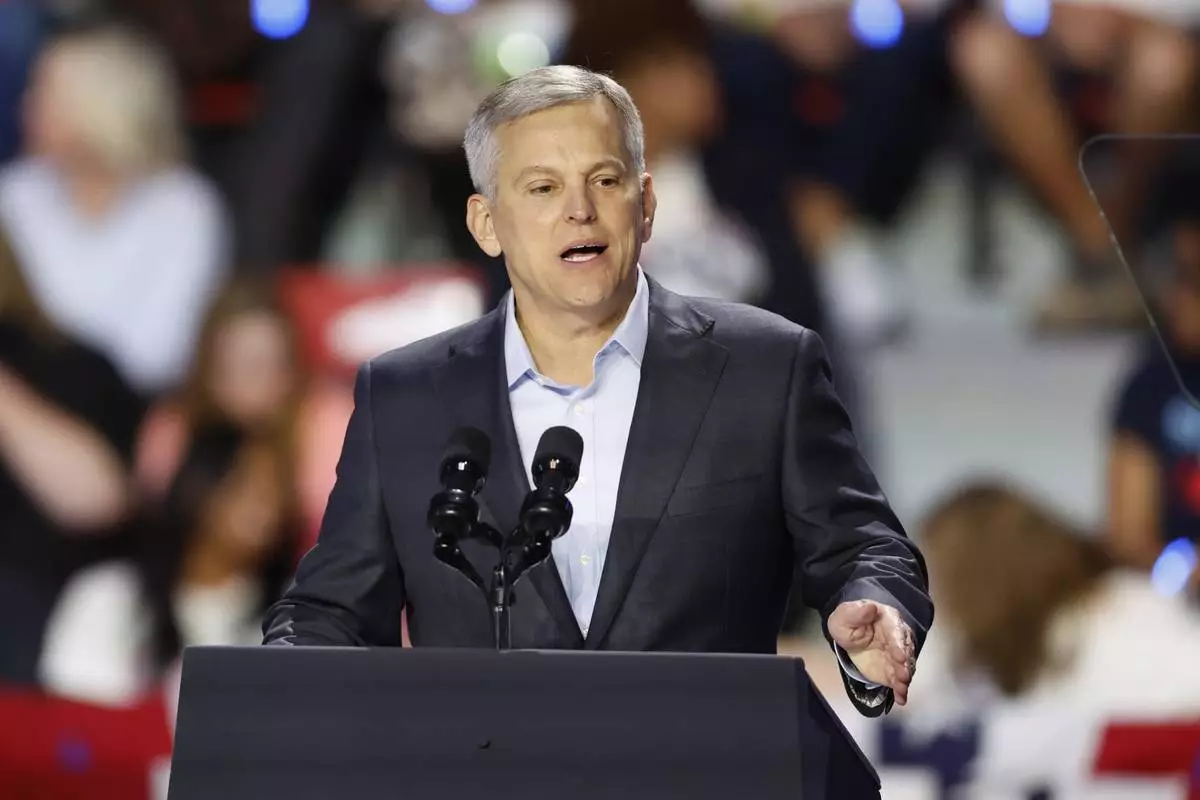
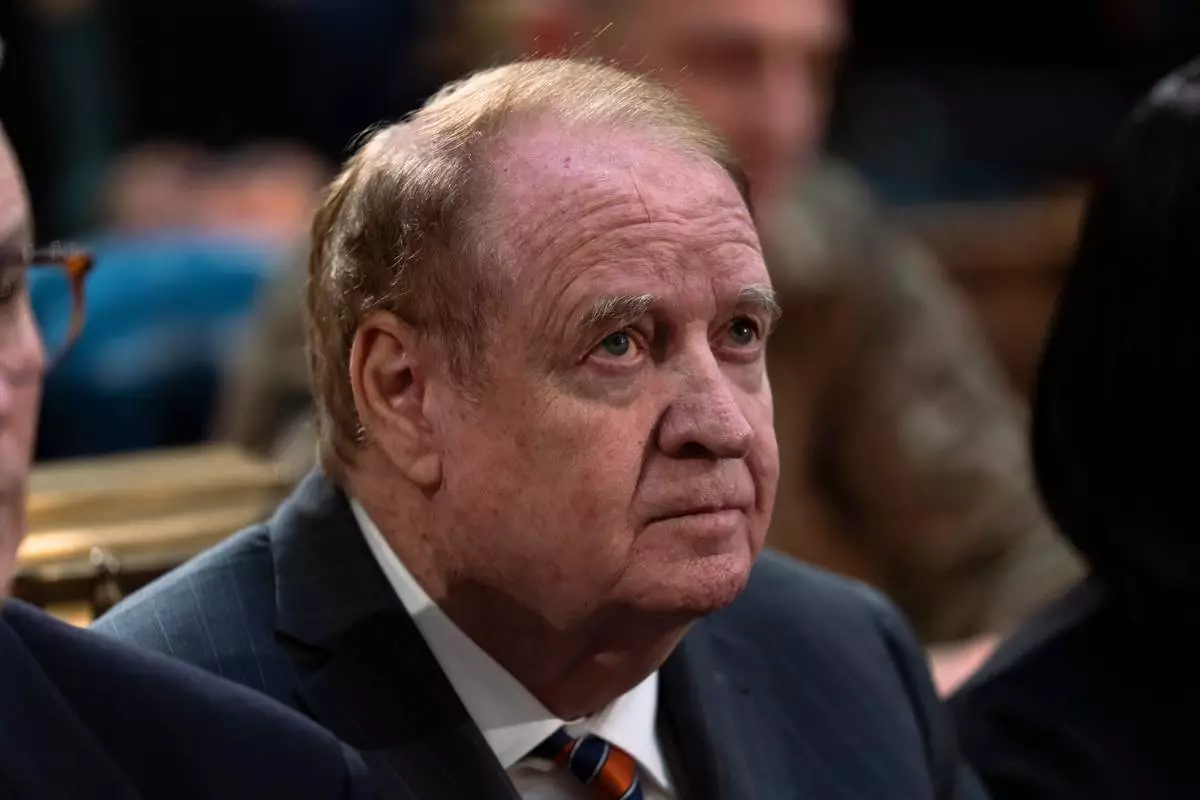
FILE - North Carolina Gov. Josh Stein speaks at a campaign event for Democratic presidential nominee Vice President Kamala Harris in Charlotte, N.C., Sept. 12, 2024. (AP Photo/Nell Redmond, File)
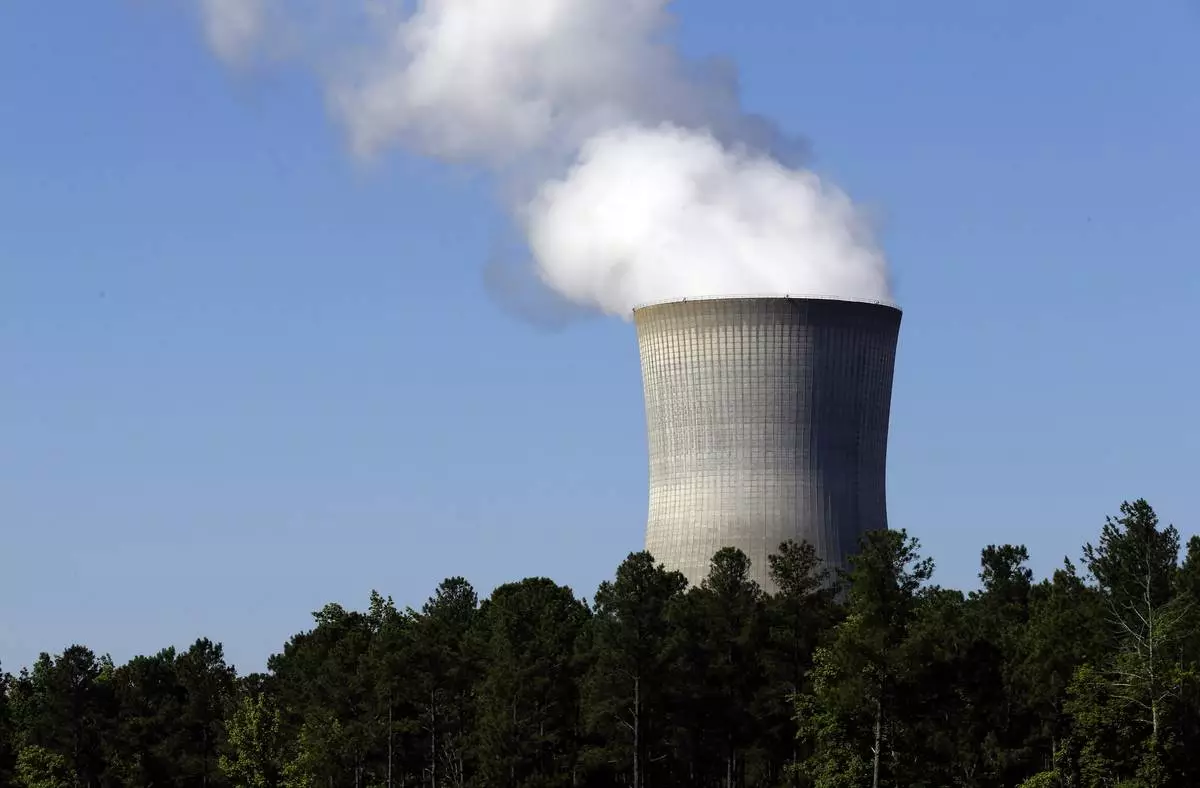
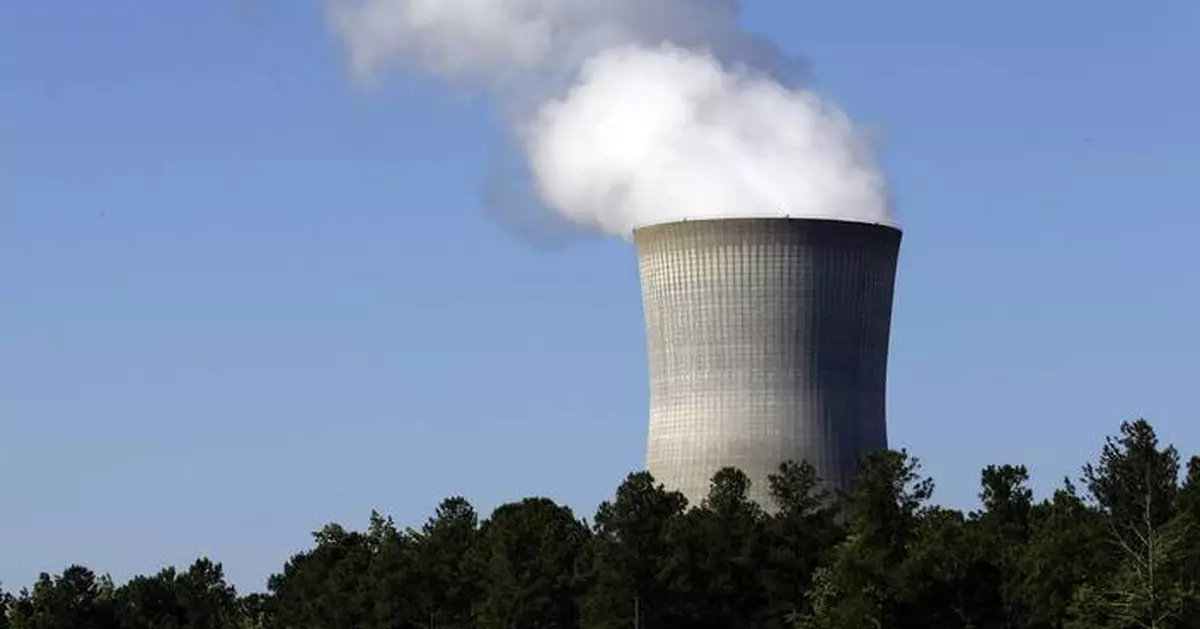
FILE - The Shearon Harris nuclear plant is seen in Holly Springs, N.C., on June 14, 2013. (AP Photo/Gerry Broome, File)