TORONTO (AP) — Yankees catcher Austin Wells returned to action Wednesday following a three-game absence, coming on as a pinch runner in the eight inning of New York's 11-9 loss at Toronto.
The Yankees are 13-18 since May 28, losing six of the past 10 series.
“We've got to play better,” slugger Aaron Judge said. “That's what it comes down to. If we play better, we'll put ourselves in a better position."
Outfielder Trent Grisham also returned, coming in to pinch hit for DJ LeMahieu earlier in the eighth and playing center field. Grisham left Monday’s game after a cleat caught the turf.
Wells had been sidelined since Saturday as Yankees manager Aaron Boone said the catcher was recovering from an invasive test for a circulatory issue in his left index finger. He ran for Giancarlo Stanton after the DH walked.
Ben Rice started at catcher against Toronto on Wednesday night after making his second and third starts behind the plate this season against the Athletics last weekend. Rice couldn't come up with a wild pitch from Devin Williams in the bottom of the eighth that allowed George Springer to score the tiebreaking run.
“That on me there,” Rice said. “I've got to find a way to keep it in front.”
Williams said Rice wasn't to blame.
“I've got to make a better pitch there,” Williams said. “It wasn't the easiest one to block for Ben.”
Right-hander Luis Gil missed a scheduled throwing session Tuesday because his wife was giving birth, Boone said before the game. The 2024 AL Rookie of the Year instead will throw on Thursday.
Gil has not pitched for the Yankees this season because of a high-grade lat strain in his pitching shoulder.
The Yankees recalled right-hander Clayton Beeter from Triple-A Scranton/Wilkes-Barre on Wednesday and righty Geoff Hartlieb was designated for assignment.
Beeter was 0-0 with a 1.02 ERA in 16 games at Triple-A, where he struck out 29 batters in 17 2/3 innings. Beeter had two saves in three chances.
“He’s been on our board now for a couple of years kind of pushing the envelope to be part of the mix,” Boone said. “He’s really talented. Hopefully he can come up here and carve out a spot for himself in the bullpen.”
Hartlieb made his only Yankees appearance in Tuesday's 12-5 loss, allowing three runs in one inning.
AP MLB: https://apnews.com/hub/mlb

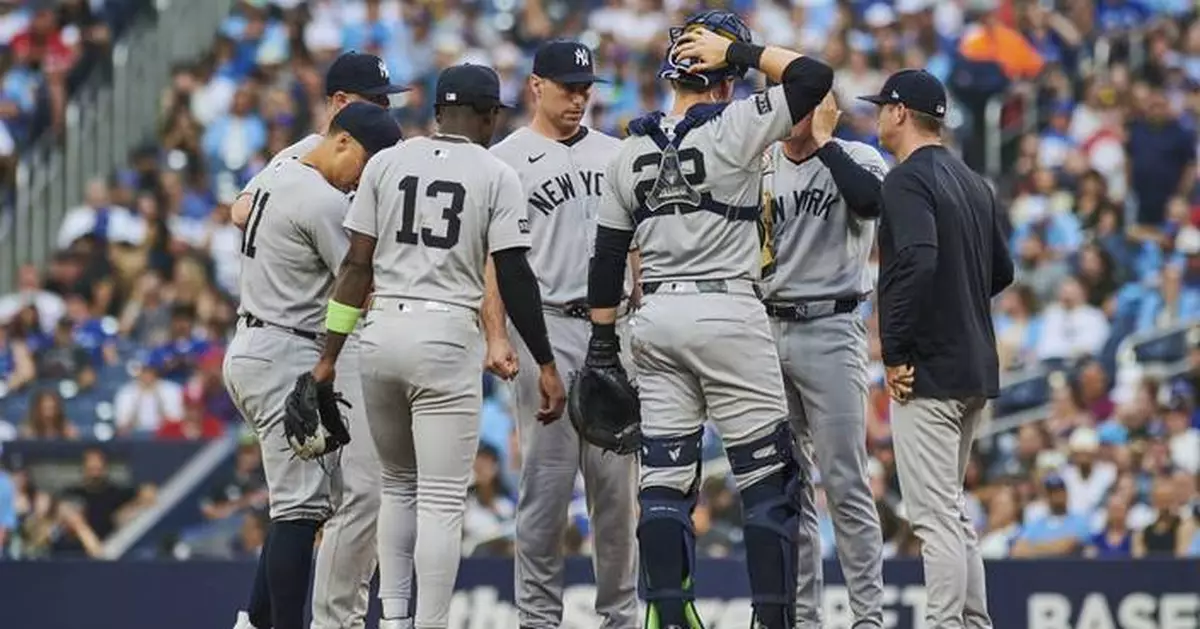
New York Yankees players talk on the mound during the first inning of a baseball game against the Toronto Blue Jays in Toronto, Wednesday, July 2, 2025. (Sammy Kogan/The Canadian Press via AP)
NEW DELHI (AP) — India has begun the world’s largest national population count, which could reshape welfare programs and political representation across the country.
The previous census in 2011 recorded a population of 1.21 billion. It's now estimated to be more than 1.4 billion, making India the most populous nation.
The new census had been planned for 2021 but was postponed due to the COVID-19 pandemic and logistical challenges.
Here’s how India’s census works and why it is significant:
The first phase of the count started Wednesday and will roll out around the country through September. The workers will spend about a month in each area collecting information on homes and available facilities and will document housing stock and living conditions.
The exercise will blend in-person surveys with a digital option where residents can submit information through a multilingual smartphone application that integrates satellite-based mapping.
The second phase to be conducted from September to next April 1 will record more detailed information like people's social and economic characteristics, including religion and caste.
More than 3 million government workers are expected to be deployed over the course of the year. In 2011, nearly 2.7 million enumerators surveyed more than 240 million households nationwide.
The second phase of the census will attempt a broader accounting of caste beyond historically marginalized groups.
Caste is an ancient system of social hierarchy in India and is influential in defining social standing and deciding who gets access to resources, education and economic opportunity. There are hundreds of caste groups based on occupation and economic status across India, particularly among Hindus, but the country has limited or outdated data on how many people belong to them.
The last attempt to gather detailed caste information through a census dates to 1931, during British colonial rule. Since independent India’s first census in 1951, it counted only Dalits and Adivasis, members of marginalized groups known as scheduled castes and tribes.
Successive governments have resisted conducting a full caste count, arguing it could heighten social tensions and trigger unrest.
Population data collected through the census underpins the distribution of government welfare programs and a wide range of public policies.
It could also prompt a redrawing of India’s political map, as seats in the lower house of Parliament and state legislatures may be increased to reflect population growth. A 2023 law reserves one-third of legislative seats for women, so any expansion would raise the number of seats set aside for female representatives.
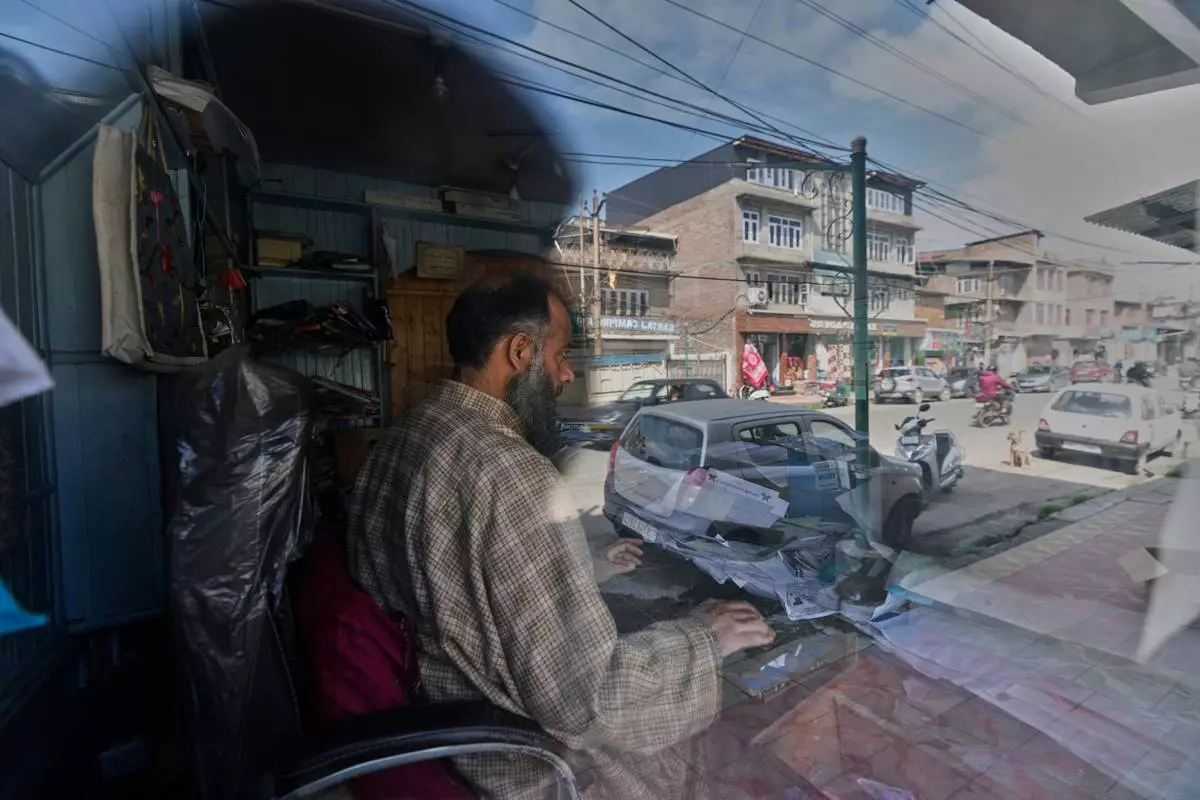
Irfan Ahmad checks census registration online at a registration center as the street is reflected on the glass in Srinagar, Indian controlled Kashmir, April 1, 2026. (AP Photo/Mukhtar Khan)
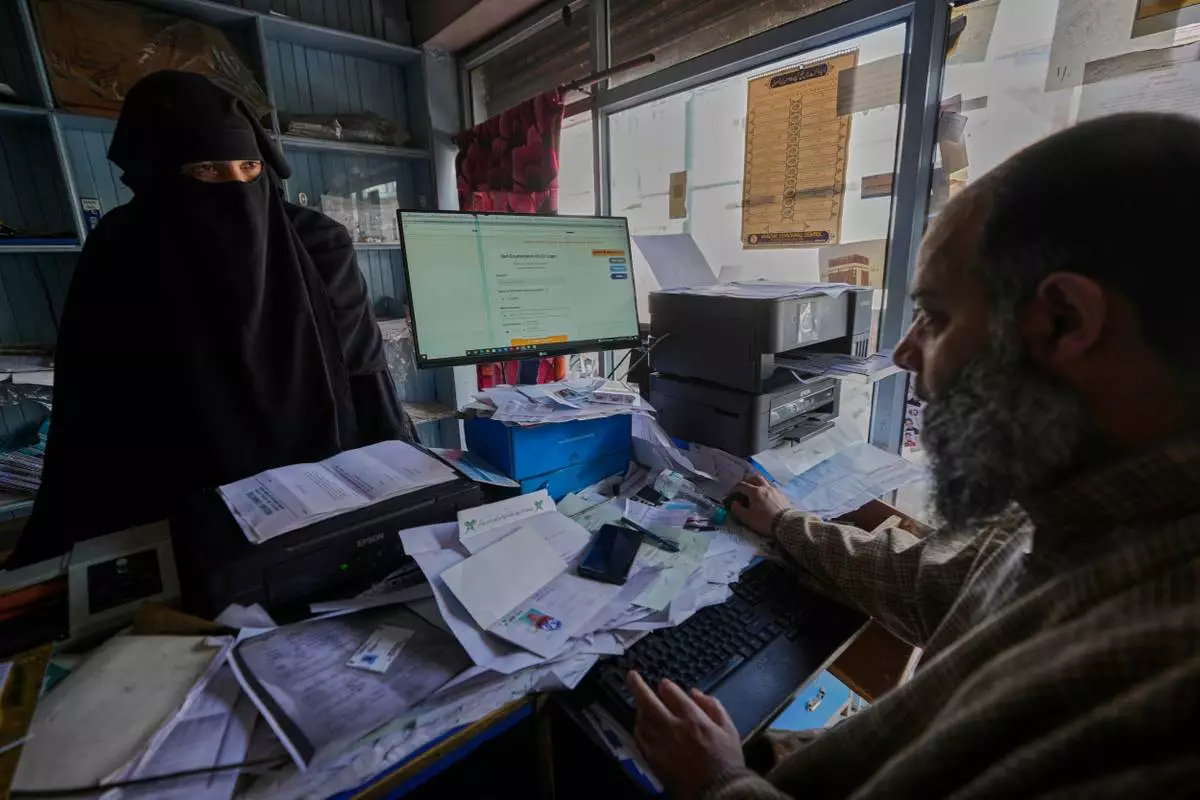
A Muslim woman checks her census registration online at a registration center in Srinagar, Indian controlled Kashmir, April 1, 2026. (AP Photo/Mukhtar Khan)
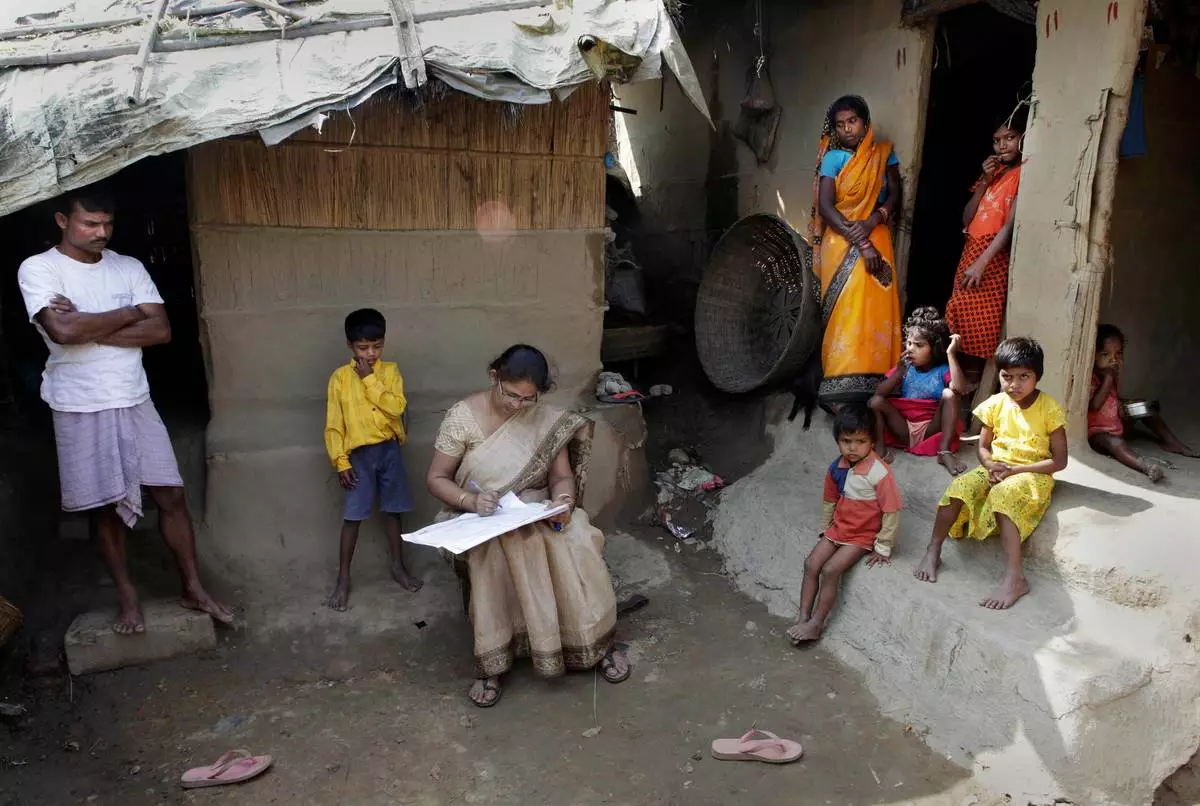
FILE -Mahesh Shah, left, stands as his family members look while census worker Rumima Das, writes the information on a paper on the first day of the national census at Ramsingh Chapori village, east of Gauhati, India, April 1, 2010. (AP Photo/Anupam Nath, File)
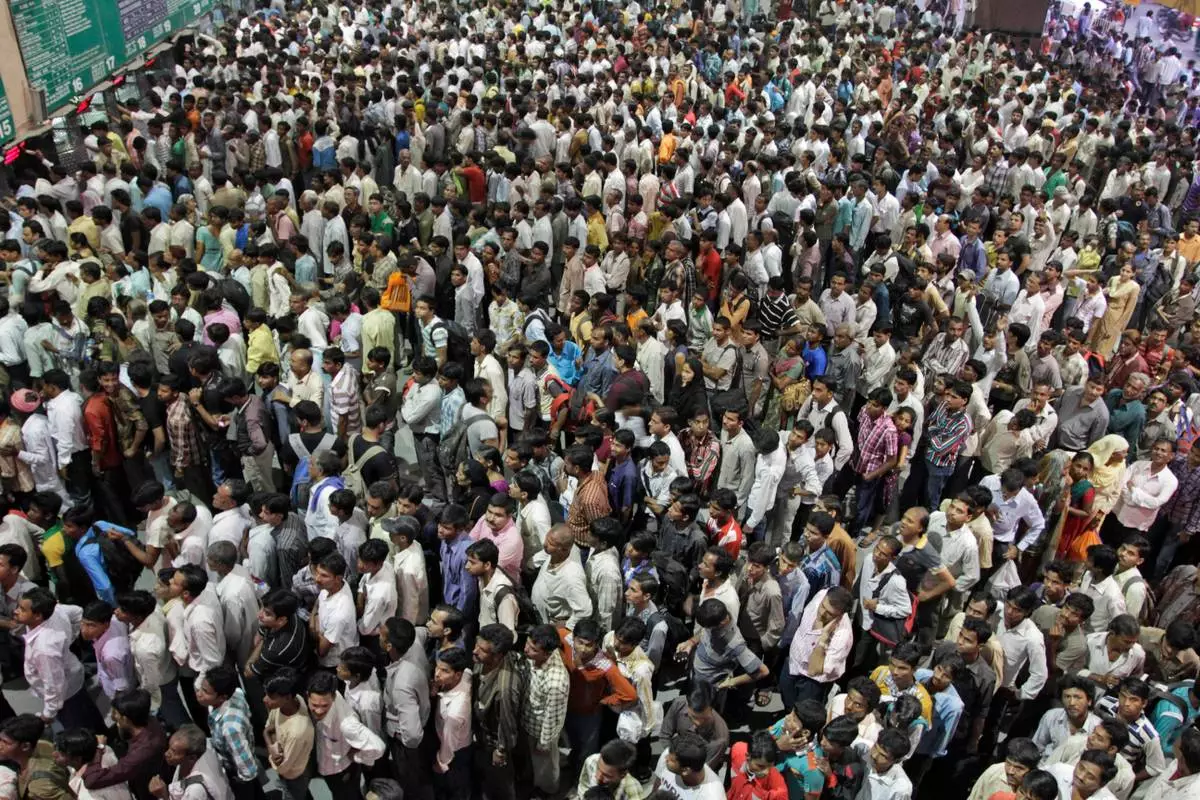
FILE - Indians crowd ticket counters at a railway station in Ahmadabad, India, Oct. 23, 2011. (AP Photo/Ajit Solanki, File)