Germany experienced its hottest day of the summer on Tuesday, with temperatures reaching 40 Celsius degrees in parts of the west and south, and the national weather service issuing a nationwide heat alert.
In major cities across Germany, temperatures surpassed 30 Celsius degrees. A high-level forest fire alert remains in effect nationwide. Some public facilities offer free spaces for cooling, while some zoos were closed to the public due to the extreme heat.
Meanwhile, demand for fans, air conditioners, and temperature-control devices has surged.
Health authorities have urged the public to pay attention to health risks due to high temperature and called on medical institutions to prepare for such extreme weather.
"It's extremely hot today. You must use sunscreen, or you'll get sunburned. With temperatures above 37 Celsius degrees wearing a hat is essential," said Maxim, a student in Germany.
Transport networks have been affected, with train cancellations and delays affecting over 30 routes in western Germany.
Additionally, road infrastructure has also been impacted. The government of Lower Saxony warned that high temperatures had melted binding agents on some roads. Older concrete roads are more vulnerable to heat, increasing risks of vehicle tire blowouts.

Germany swelters under record summer heatwave
The hantavirus outbreak linked to the cruise ship, MV Hondius, has now reached 12 confirmed cases, with three reported deaths, World Health Organization (WHO) Director-General Tedros Adhanom Ghebreyesus said on Friday.
Speaking at a press briefing in Geneva, Tedros said the Netherlands had confirmed an additional case involving a crew member who disembarked in Tenerife, Spain, was repatriated to the Netherlands and has been isolating since then.
No deaths have been reported since May 2, when the outbreak was first reported to WHO, said Tedros.
He urged the affected countries to continue carefully monitoring all passengers and crew members for the remainder of the quarantine period.
More than 600 contacts continue to be followed in 30 countries, and a small number of high-risk contacts are still being located, according to the WHO chief.
He also thanked the countries cooperating in the international response and epidemiological investigation.
The cruise, operated by Oceanwide Expeditions, departed from Argentina on April 1, carrying around 150 passengers and crew members from more than 20 countries.
The ship arrived at the Dutch port city of Rotterdam on Monday for disinfection, ending a voyage that had drawn the attention of international health authorities over hantavirus infections on board.
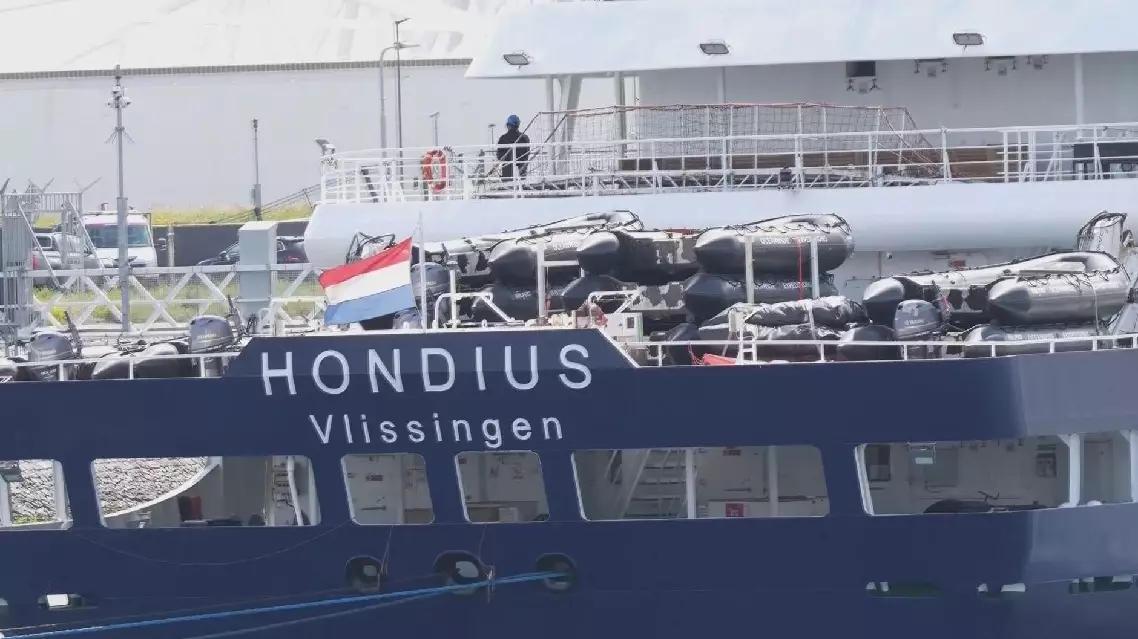
Hantavirus cases linked to cruise ship rise to 12 after crew member tests positive: WHO