Chinese Foreign Minister Wang Yi's visit to Europe reflects renewed efforts to bridge disputes over trade and supply chain security, while promoting deeper intergovernmental dialogue and collaboration on global challenges, said a Chinese scholar in Beijing on Thursday.
Wang Yi met with European Council President Antonio Costa in Brussels on Wednesday, reaffirming both sides' commitment to multilateralism and expanded cooperation. Later, Wang co-chaired the 13th round of the China-EU High-Level Strategic Dialog alongside European Union High Representative for Foreign Affairs and Security Policy Kaja Kallas, focusing on shared economic and security interests.
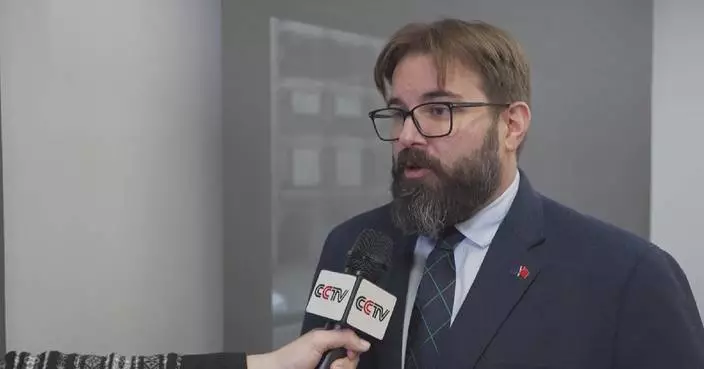
Zhang Biao, an associate professor at the China University of Political Science and Law, noted that the meeting comes as China and the European Union mark the 50th anniversary of diplomatic ties. He emphasized that this historic milestone presents an opportunity to strengthen bilateral relations and lay the groundwork for future summits.
"I think the visit is really important in two sides for the bilateral ties. One is that in the past, China and the European Union has been disputing over electrical vehicles, market access of Chinese companies to Europe, dumping of Chinese goods to Europe and also the security of supply chain and minerals. So, Wang Yi's visit is really important for both sides to strengthen intergovernmental dialog between themselves. The other is that in the future, EU leaders are expected to travel to China for China-EU Summit. So, Wang Yi's visit really paves the way for their return visit. But of course, in addition to bilateral ties, China and EU are two biggest global players. They are also two of the biggest economies in the world. They have common interests in Iran and Ukraine, in climate change, in global health issues. So, in that sense the meeting is of course bilateral. But the impact will be more than that," said Zhang.
Zhang believes strategic cooperation in agriculture and green technology could help China and the EU manage disputes as major economic powers.
"I think it's very important to understand that the bigger economy you have, the more likely you are going to have disputes with each other. But the important thing here is not to have the disputes larger and larger, but rather to manage the disputes. I think there are two particular fields that can unfold for China and EU to cooperate. One is agricultural products. In the last few years, China has been importing more and more agricultural products from the European Union, French wine and cheese, Spanish ham is served on the Chinese table. The other is about green technology, both China and the EU have pledged to combating climate change. So, in that case, both China and EU can use the two fields to strengthen their cooperation," he said.
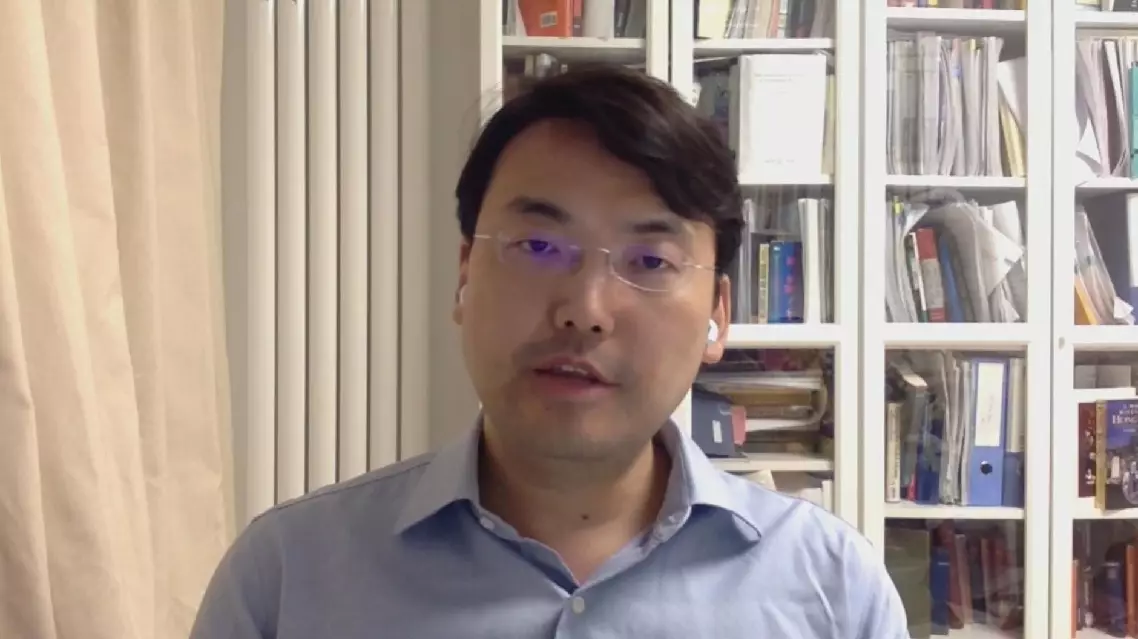
Wang Yi's visit advances strategic China-EU dialog amid global challenges: scholar
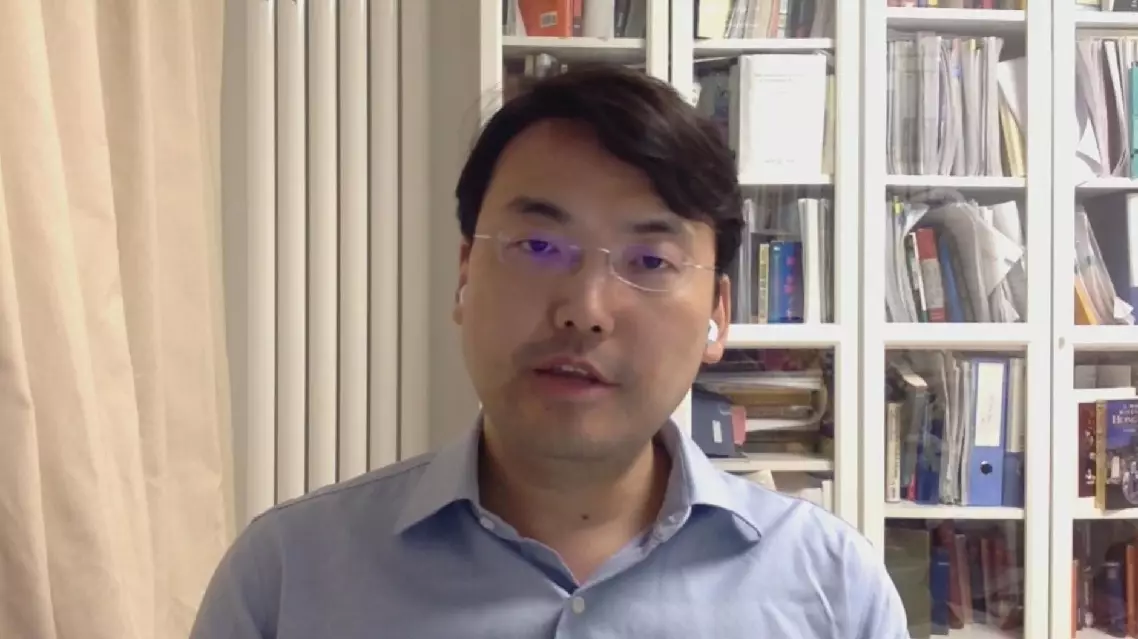
Wang Yi's visit advances strategic China-EU dialog amid global challenges: scholar