Update on dengue fever
The Centre for Health Protection (CHP) of the Department of Health today (July 4) reported the latest number of dengue fever (DF) cases. The Controller of the CHP, Dr Edwin Tsui, reminded the public that with the arrival of summer and the gradual increase in temperature and rainfall, the mosquito infestation is expected to aggravate in Hong Kong. In addition, members of the public will travel to DF-endemic regions more frequently during the summer holiday. Therefore, the risk of DF in Hong Kong is increasing.
From June 27 to yesterday (July 3), the CHP recorded one imported DF case. The patient had travelled to India during the incubation period.
As of yesterday, 29 imported DF cases have been recorded so far this year. A total of 161 cases of DF were recorded in 2024, including 156 imported and five local cases. In 2023, 62 imported cases of DF were recorded.
According to the World Health Organization (WHO), the global incidence of DF has markedly increased over the past two decades, posing a substantial public health challenge. In 2023, over 6.5 million cases and more than 7 300 dengue-related deaths were reported in over 80 countries/territories. In 2024, the WHO recorded over 14 million cases, which was a record number.
DF is prevalent in many neighboring tourist destinations. Indonesia, Malaysia, Thailand and Vietnam have each recorded over 10 000 cases so far this year. Singapore also recorded over 2 500 cases. Meanwhile, according to the Guangdong Provincial Center for Disease Control and Prevention, Guangdong Province has recorded a total of 49 locally infected cases so far this year. Among these cases, 18 locally infected cases were recorded in Zhongshan, Foshan, Yunfu and Guangzhou in a week between June 16 and 22.
Detailed information on the latest DF situation in Hong Kong, as well as neighbouring and overseas countries and areas, has been uploaded to the CHPwebsite.
"There have been frequent imported cases of dengue fever in Hong Kong, as well as occasional sporadic local cases every year. The presence of Aedes albopictus in Hong Kong makes our population vulnerable. Mosquitoes breed quickly during the hot, rainy spring and summer months. There are risks of DF outbreaks if mosquito control is inadequate. Hence, mosquito control is of paramount importance. Members of the public are advised to maintain strict environmental hygiene, mosquito control and personal protective measures both locally and when travelling outside of Hong Kong. The public is reminded that eliminating mosquito breeding sites and avoiding mosquito bites are key to preventing DF. Those returning from areas affected by DF should apply insect repellent for 14 days upon arrival in Hong Kong. If feeling unwell, they should seek medical advice promptly and provide their travel details to a doctor," Dr Tsui added.
Members of the public are also reminded to take heed of the following advice on mosquito control:
Thoroughly check all gully traps, roof gutters, surface channels and drains to prevent blockage;
Scrub and clean drains and surface channels with an alkaline detergent compound at least once a week to remove any deposited mosquito eggs;
Properly dispose of refuse, such as soft drink cans, empty bottles and boxes, in covered litter containers;
Completely change the water of flowers and plants at least once a week. The use of saucers should be avoided if possible;
Level irregular ground surfaces before the rainy season;
Avoid staying in shrubby areas; and
Take personal protective measures such as wearing light-coloured long-sleeved clothes and trousers, and apply insect repellent containing DEET to clothing or uncovered areas of the body when doing outdoor activities.
DEET-containing insect repellents are effective and the public should take heed of the tips below:
Read the label instructions carefully first;
Apply right before entering an area with risk of mosquito bites;
Apply on exposed skin and clothing;
Use DEET of up to 30 per cent for pregnant women and up to 10 per cent for children*;
Apply sunscreen first, then insect repellent; and
Reapply only when needed and follow the instructions.
* For children who travel to countries or areas where mosquito-borne diseases are endemic or epidemic and where exposure is likely, those aged 2 months or above can use DEET-containing insect repellents with a DEET concentration of up to 30 per cent.
The public should call 1823 in case of mosquito problems and may visit the following pages for more information: the DF page of theCHPand theTravel Health Service, the latestTravel Health News,tips for using insect repellents, and the CHPFacebook PageandYouTube Channel.
HAD opens temporary cold shelters
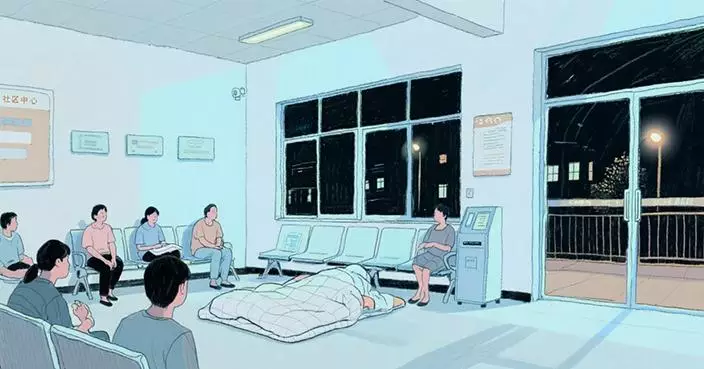
In view of the cold weather, the Home Affairs Department has opened 18 temporary cold shelters in various districts today (January 10) for people in need of the service. The temporary shelters will remain open when the Cold Weather Warning is in force.
Clean mattresses and blankets/quilts, hot meals and hot water will be provided to shelter users free of charge during the opening of the temporary shelters.
To ensure that cold shelter users can rest in a quiet and undisturbed environment, members of the public or agencies wishing to make donations to shelter users are requested to register with the staff of the shelter first. Donors will then be directed to place the donated items at a specified indoor location. The staff will help notify the shelter users to collect the items on their own.
Anyone seeking temporary refuge, or those with any questions about the donation arrangements at the cold shelters, may call the department's hotline 25728427 for more information.
The 18 temporary cold shelters are located at:
Hong Kong Island:
--------------------
Central and Western:
Sai Ying Pun Community Complex Community Hall
3/F, Sai Ying Pun Community Complex,
2 High Street, Sai Ying Pun
Eastern:
Causeway Bay Community Centre
3/F, 7 Fook Yum Road, Causeway Bay
Southern:
Lei Tung Community Hall
Lei Tung Estate, Ap Lei Chau
Wan Chai:
Wan Chai Activities Centre
LG/F, Wan Chai Market, 258 Queen's Road East, Wan Chai
Kowloon:
------------------
Kowloon City:
Hung Hom Community Hall
1/F, Kowloon City Government Offices,
42 Bailey Street, Hung Hom
Kwun Tong:
Lam Tin (West) Estate Community Centre
71 Kai Tin Road, Lam Tin
Sham Shui Po:
Nam Cheong District Community Centre
1 Cheong San Lane, Sham Shui Po
Wong Tai Sin:
Tsz Wan Shan (South) Estate Community Centre
45 Wan Wah Street, Tsz Wan Shan
Yau Tsim Mong:
Henry G Leong Yaumatei Community Centre
60 Public Square Street, Yau Ma Tei
New Territories:
----------------
Islands:
Tung Chung Community Hall
G/F, Tung Chung Municipal Services Building, 39 Man Tung Road, Tung Chung
Kwai Tsing:
Tai Wo Hau Estate Community Centre
15 Tai Wo Hau Road, Kwai Chung
North:
Cheung Wah Community Hall
Cheung Wah Estate, Fanling
Sai Kung:
Hang Hau Community Hall
G/F, Sai Kung Tseung Kwan O Government Complex,
38 Pui Shing Road, Hang Hau, Tseung Kwan O
Sha Tin:
Lung Hang Estate Community Centre
Lung Hang Estate, Sha Tin
Tai Po:
Tai Po Community Centre
2 Heung Sze Wui Street, Tai Po
Tsuen Wan:
Lei Muk Shue Community Hall
G/F, Hong Shue House, Lei Muk Shue Estate, Tsuen Wan
Tuen Mun:
Butterfly Bay Community Centre
Butterfly Estate (near Tip Sum House), Tuen Mun
Yuen Long:
Long Ping Community Hall
Long Ping Estate, Yuen Long
Source: AI-found images