Quanzhou string puppetry shows, a traditional form of performance art inscribed into China's national list of intangible cultural heritage since 2006, has become a major drawing card for cultural and tourism consumption in the east China coastal city.
Chinese string puppetry originated in Quanzhou during the Han Dynasty (202-220 B.C.). Passed down and developed over thousands of years, more than 700 traditional plays have been preserved, embodying folk beliefs and customs such as marriages and funerals.
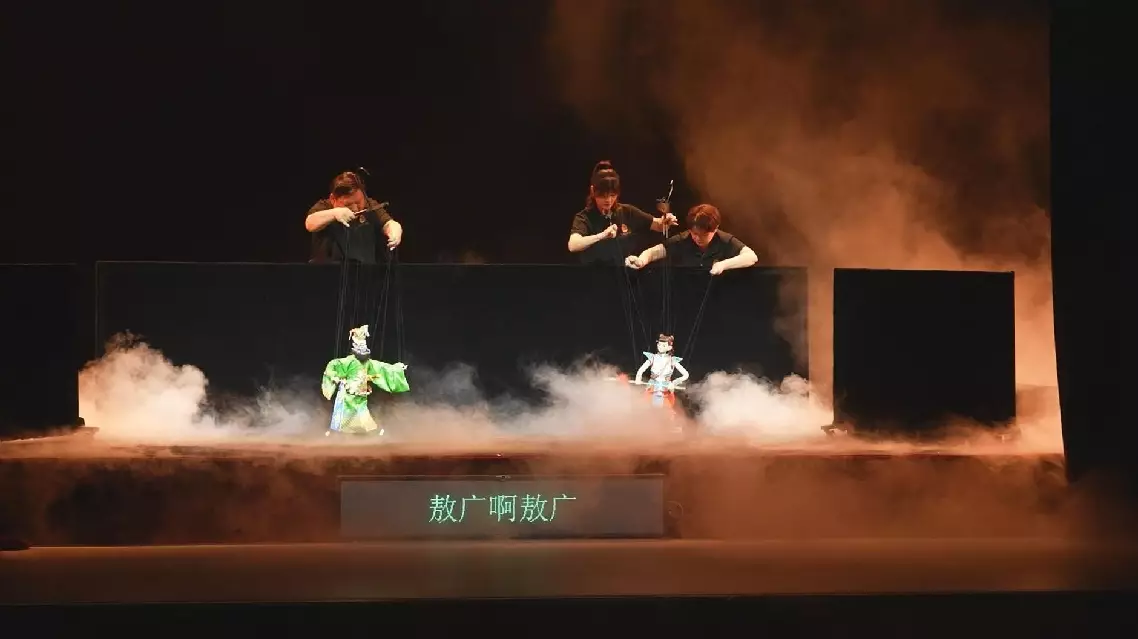
Each puppet, crafted with exquisite workmanship, is typically equipped with 8 to 16 strings, while more complex performances may require up to 36 strings. The strings allow puppeteers to control all of the puppets' movements solely with the use of their hands.
Last year alone, over 900 puppetry shows were staged in the city's theaters, attracting more than 400,000 spectators.
Following the global success of the animated film Ne Zha 2, the Quanzhou Puppet Theater has launched its own show about Nezha, the young deity who represents courage, renewal and protection in Chinese folklore. The stage performance sold out quickly and has thoroughly impressed audiences.
"The puppets are so lifelike. Everybody had a wonderful time," said Wang Qiaofeng, a spectator.
Lin Jianyu, deputy director of Quanzhou String Puppet Art Inheritance and Protection Center, highlighted that the shows reflect the Chinese public's growing passion for history and traditional culture.
"Nowadays, the spectators for Quanzhou string puppetry are mainly young people, particularly those born in the 1990s and 2000s. Around 90 percent of spectators belong to this demographic, with many visiting our city specifically for a single show," said Lin.
The shows have become so popular that visitors from outside the city will often book their tickets to the theaters before booking their flights. To accommodate the growing tourism, the Quanzhou Puppet Troupe has expanded both the frequency of performances and seating capacity. This strategy led to a surge of over 60 percent in performance revenue last year compared to the previous year.
"In addition to theater performances, we also frequently conduct free public shows and perform on tour at several world heritage sites. This allows visitors to experience the art and unique charm of our traditional puppetry regardless of place or time," said Guo Yajing, director of the art department at the Quanzhou Municipal Bureau of Culture, Radio, Television and Tourism.
Traditional Chinese puppetry shows energize cultural tourism in art form's home town
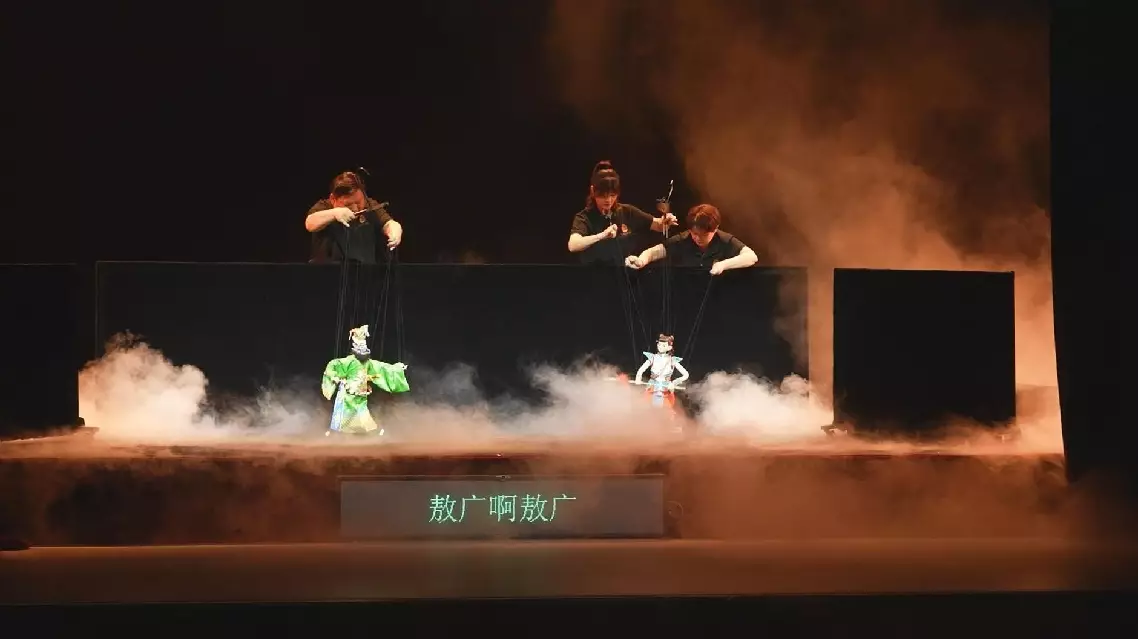
Traditional Chinese puppetry shows energize cultural tourism in art form's home town
Traditional Chinese puppetry shows energize cultural tourism in art form's home town