Iranian security forces used tear gas on Tuesday to disperse anti-government protesters at the historic Grand Bazaar in central Tehran, according to footage captured by a China Global Television Network (CGTN) correspondent on the ground.
The video footage shows thick clouds of tear gas billowing through the centuries-old marketplace as demonstrators scrambled to flee the area.
On the same day, Iran's intelligence department issued a statement saying that, with effective public cooperation and intelligence support, Iranian security agencies have continued operations in Tehran and arrested a group of key individuals suspected of organizing and commanding activities during the recent unrest.
The statement said that the arrested individuals had previously carried out "acts of sabotage and terrorism" against public facilities, religious sites, and security forces in multiple areas of the capital.
The development came as protests have erupted in many Iranian cities since Dec. 28. They initially began with Tehran bazaar merchants demonstrating against the sharp devaluation of the national currency, the rial, and soaring inflation, before spreading to other cities. The unrest has led to casualties among both security forces and civilians.
On Monday, Iranian authorities said that they had obtained evidence of U.S. and Israeli involvement in domestic "terrorist activities," including footage showing weapons being distributed to protesters, and that they would soon release confessions of detainees.
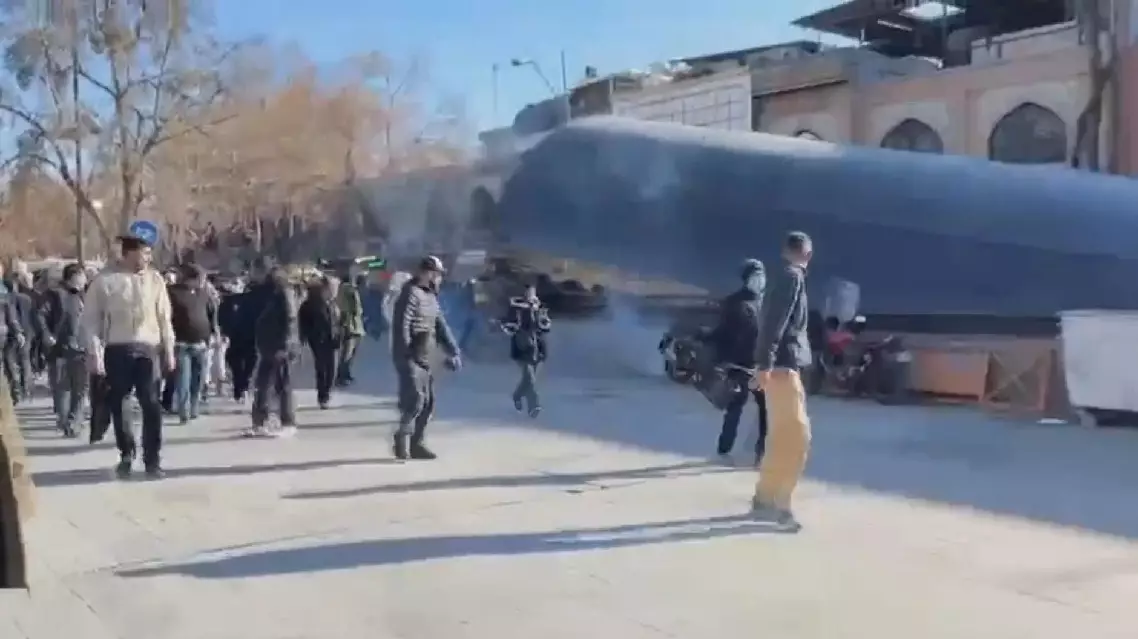
Iranian security forces disperse anti-government demonstrators
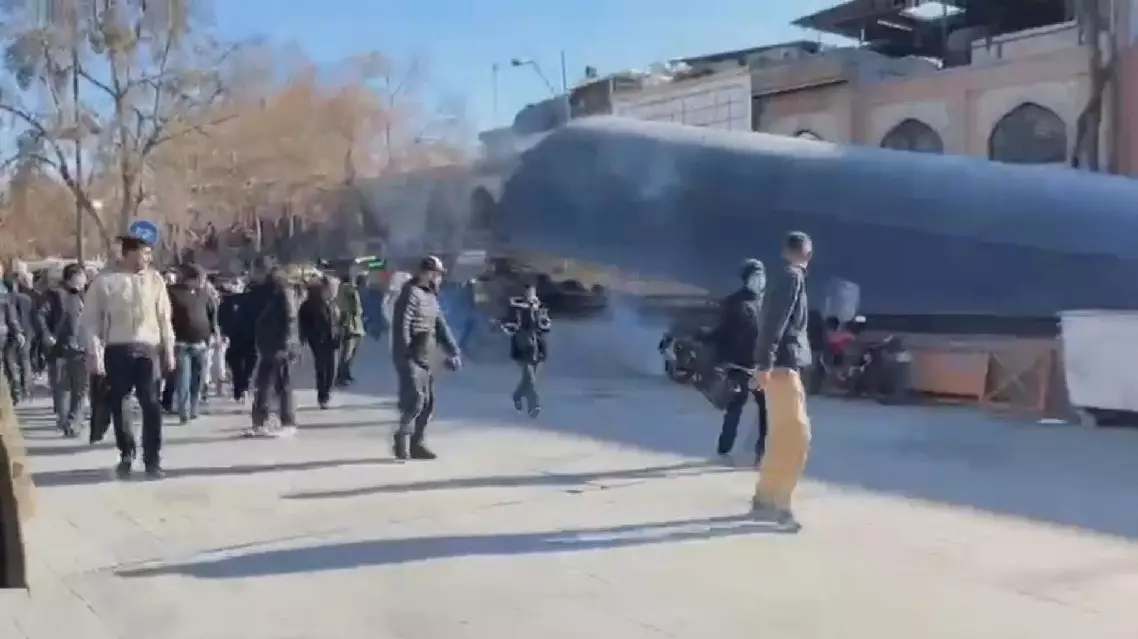
Iranian security forces disperse anti-government demonstrators
China's blue-chip CSI 300 Index made modest gains in the past week thanks to the huge electrification campaign that reduces the country's exposure to the volatile oil price as the continuing conflict in the Middle East enters the second week, said an analyst on Friday.
Chinese stocks closed lower on Friday, with the benchmark Shanghai Composite Index down 0.81 percent to 4,095.45 points.
Timothy Pope, a market analyst for China Global Television Network, said the CSI 300 Index made modest gains despite a rough week for both Chinese and global stock markets.
"The conflict in the Middle East really shows no sign of winding down and it has been as you said another rough week for the global markets. Today the Shanghai Composite Index closed down 0.8 percent, and ended lower for the week as well, but the blue-chip CSI 300 Index actually managed to make some modest gains this week. And that fits what we've been hearing from analysts and investment banks, including Morgan Stanley and UBS. They've said that China's got less oil exposure than other economies. This is partly because of the huge electrification campaign which has been happening in China from family cars to road haulage, and also just the total energy mix here. But we know that oil isn't the only thing that's not getting out of the Middle East at the moment. Fertilizer has emerged as another big disruption point and we have seen in the last 48 hours China already begin early releases of fertilizer reserves ahead of the spring planting season. With all that in the mix we have seen the likes of Morgan Stanley and UBS touting A-shares as a diversification option and a resilient market in this risk-off investment environment," said Pope.
"Sector-wise today we saw some consumer stocks rising -- led by liquor makers, in particular, Kweichow Moutai. There were also some limited gains for Chinese real estate and financial firms. But with the oil price still extremely volatile, Chinese resources and energy shares pulled back today to become the two worst-performing sectors," said Pope.
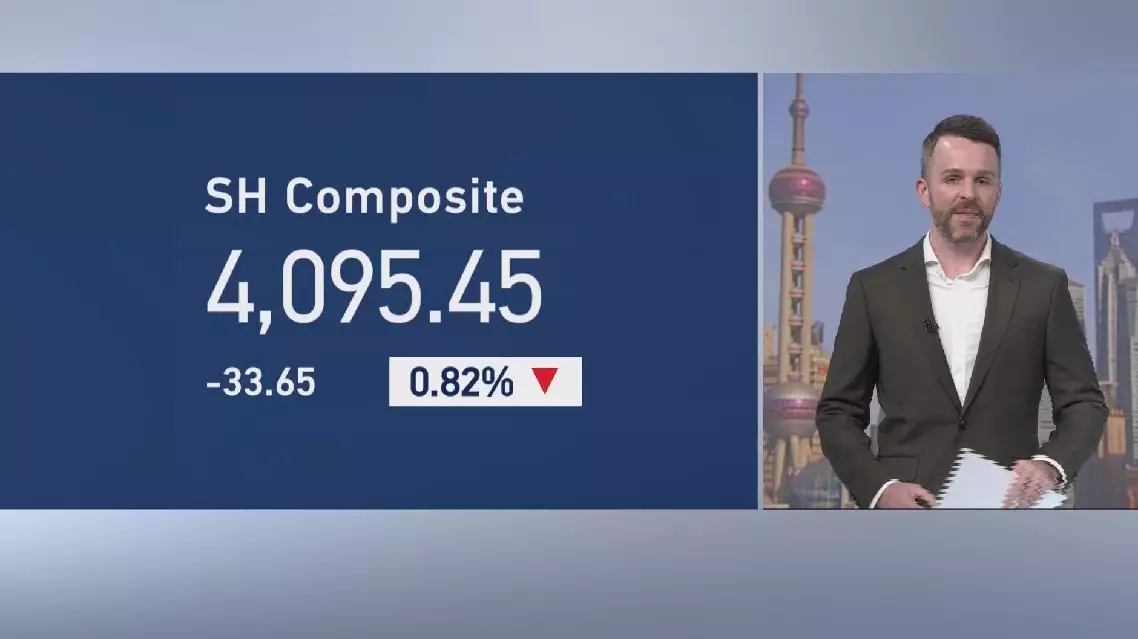
Chinese blue-chip stocks make gains amid a rough week for global markets: analyst