Despite a federal judge briefly halting deportations of eight immigrants to war-torn South Sudan, he and a second judge eventually cleared the way for the Trump administration to relocate the immigrants the day after the Supreme Court greenlighted their removal.
The unusually-busy Fourth of July court schedule began with District Judge Randolph Moss in Washington, D.C., putting a temporary hold on the deportations while he evaluated a last-ditch appeal by the immigrants' lawyers. In an afternoon hearing, he decided he was powerless to halt their removals and that the person best positioned to rule on the request was Brian Murphy, the federal judge in Boston whose rulings led to the initial halt of the administration's effort to begin deportations to the eastern African country.
But on Friday evening, Murphy issued a brief ruling concluding that the Supreme Court had tied his hands. “This Court interprets these Supreme Court orders as binding on this new petition, as Petitioners are now raising substantially similar claims, and therefore Petitioners motion is denied,” Murphy wrote.
The administration had earlier said it intended Friday to move the immigrants from the U.S. naval base in Djibouti, where they and their guards have lingered for weeks as their case has ricocheted through the courts, to South Sudan.
The administration has been trying to deport the immigrants for weeks. None are from South Sudan, which is enmeshed in civil war and where the U.S. government has advised against travel. The government flew them to Djibouti but couldn't move them further because Murphy had ruled no immigrant could be sent to a new country without a chance to have a court hearing.
The Supreme Court vacated that decision last month, then issued a new order Thursday night clarifying that it meant the immigrants could be moved to South Sudan. Lawyers for the immigrants, who hail from Laos, Mexico, Myanmar, Vietnam and other countries, filed the ultimately unsuccessful emergency request to halt their removal later that night.
The temporary stay was first reported by legal journalist Chris Geidner.
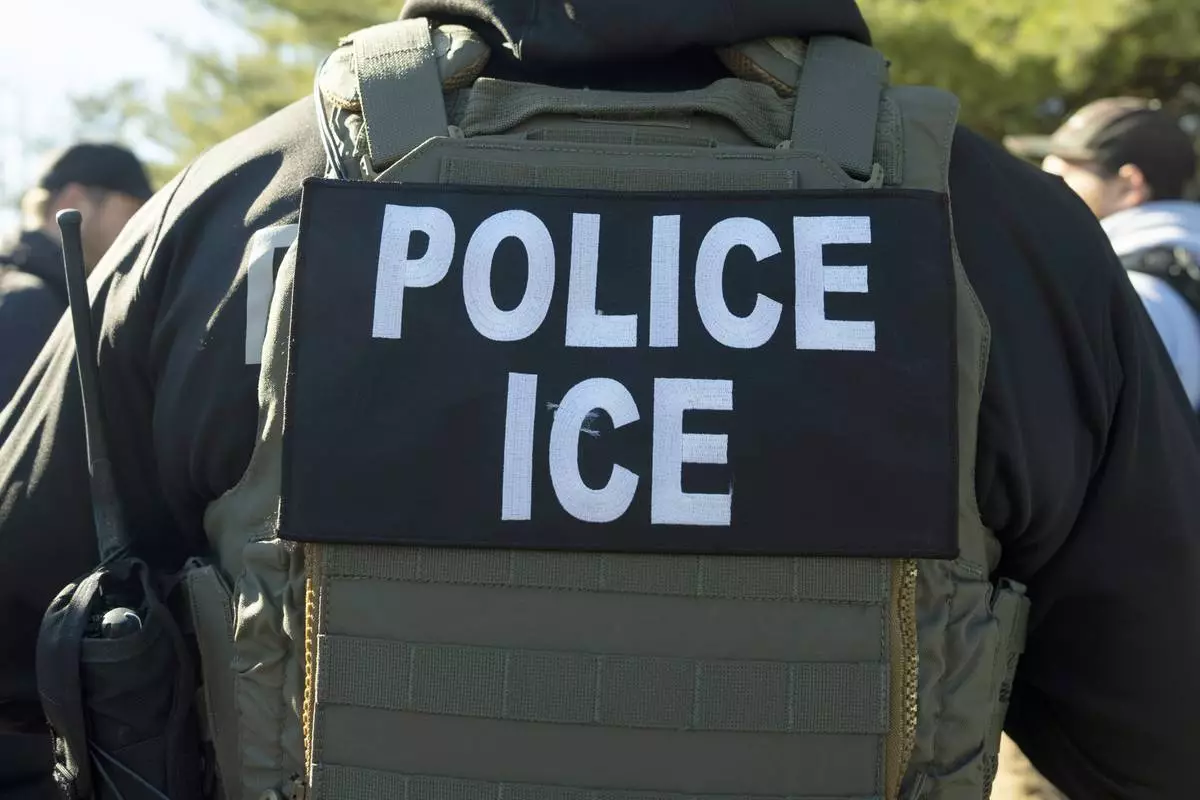
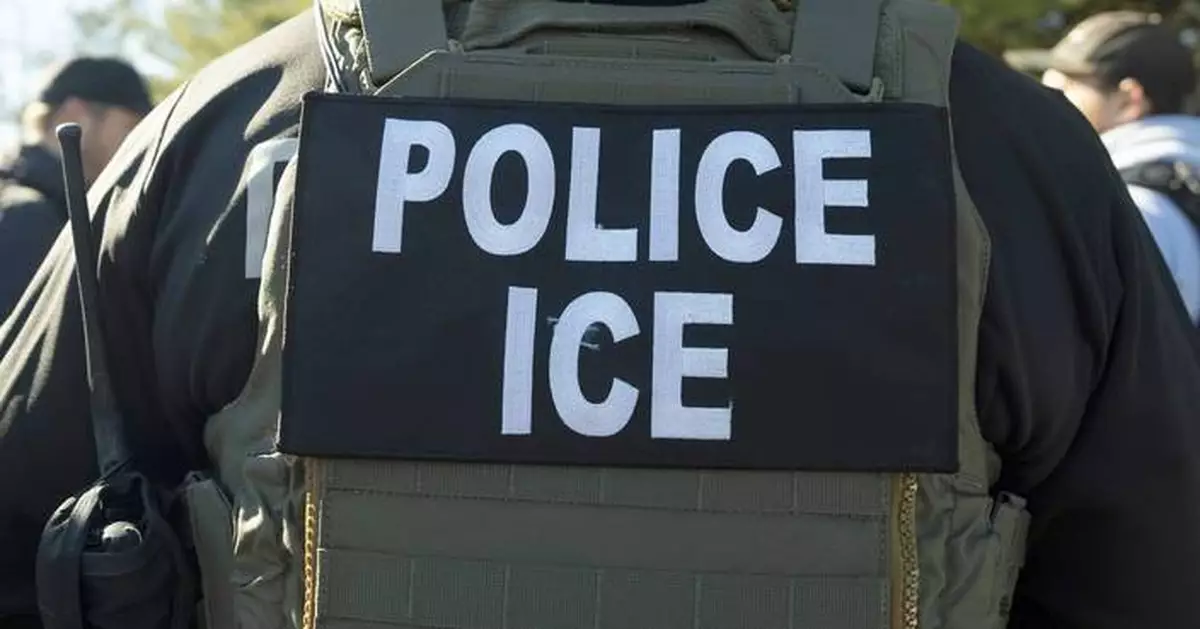
FILE - A U.S. Immigration and Customs Enforcement officer listens during a briefing, Jan. 27, 2025, in Silver Spring, Md. (AP Photo/Alex Brandon, File)
Retired professional baseball player Lenny Dykstra faces charges after Pennsylvania State Police said a trooper found drugs and paraphernalia in his possession during a traffic stop on New Year's Day.
Dykstra, 62, was a passenger when the vehicle was pulled over by a trooper with the Blooming Grove patrol unit in Pike County, about 25 miles (40 kilometers) east of Scranton, where Dykstra lives.
Police said in a statement that charges will be filed but did not specify what they may be or what drugs were allegedly involved.
Matthew Blit, Dykstra’s lawyer, said in a statement that the vehicle did not belong to Dykstra and he was not accused of being under the influence of a substance at the scene.
“To the extent charges are brought against him, they will be swiftly absolved,” Blit said.
Dykstra's gritty style of play over a long career with the New York Mets and Philadelphia Phillies earned him the nickname “Nails.” He spent years as a businessman before running into a series of legal woes.
Dykstra served time in a California prison for bankruptcy fraud, sentenced to more than six months for hiding baseball gloves and other items from his playing days. That ran concurrent with a three-year sentence for pleading no contest to grand theft auto and providing a false financial statement. He claimed he owed more than $31 million and had only $50,000 in assets.
In April 2012, Dykstra pleaded no contest to exposing himself to women he met through Craigslist.
In 2019, Dykstra pleaded guilty on behalf of his company, Titan Equity Group, to illegally renting out rooms in a New Jersey house that it owned. He agreed to pay about $3,000 in fines.
That same year a judge dropped drug and terroristic threat charges against Dykstra after an altercation with an Uber driver. Police said they found cocaine, MDMA and marijuana among his belongings. Dykstra's lawyer called that incident “overblown” and said he was innocent.
And in 2020 a New York Supreme Court judge dismissed a defamation lawsuit that Dykstra filed against former Mets teammate Ron Darling over his allegation that Dykstra made racist remarks toward an opponent during the 1986 World Series.
Justice Robert D. Kalish said Dykstra’s reputation “for unsportsmanlike conduct and bigotry” had already been so tarnished that it could not be damaged further.
“Based on the papers submitted on this motion, prior to the publication of the book, Dykstra was infamous for being, among other things, racist, misogynist, and anti-gay, as well as a sexual predator, a drug-abuser, a thief, and an embezzler,” Kalish wrote.
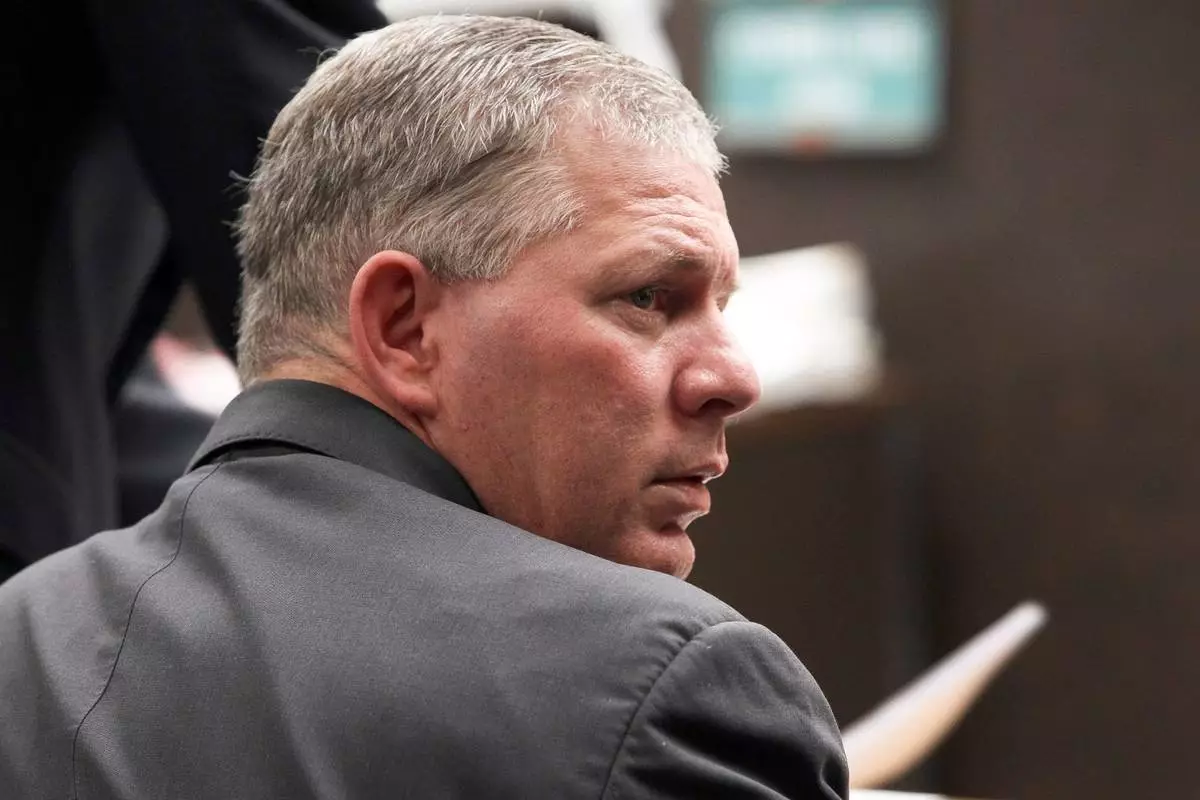
FILE - Former baseball player Lenny Dykstra sits during his sentencing for grand theft auto in Los Angeles, on Dec. 3, 2012. (AP Photo/Nick Ut, File)