Skip to Content Facebook Feature Image

30% US tariff on European goods threatens to shake up a key trade relationship

News

30% US tariff on European goods threatens to shake up a key trade relationship
News

News

30% US tariff on European goods threatens to shake up a key trade relationship

2025-07-12 21:58 Last Updated At:22:01

FRANKFURT, Germany (AP) — President Donald Trump announced 30% tariffs Saturday on the European Union, a move that will have repercussions for companies and consumers on both sides of the Atlantic.

The tariffs could make everything from French cheese and Italian leather goods to German electronics and Spanish pharmaceuticals more expensive in the U.S.

More Images
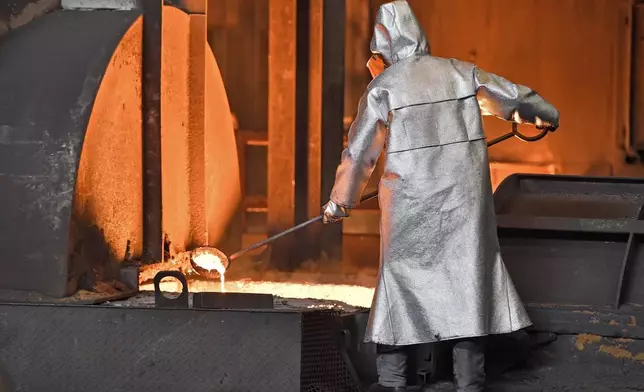
FILE - A handles molten metal at the Thyssenkrupp steel factory in Duisburg, Germany, April 27, 2018. (AP Photo/Martin Meissner, File)

FILE - A handles molten metal at the Thyssenkrupp steel factory in Duisburg, Germany, April 27, 2018. (AP Photo/Martin Meissner, File)

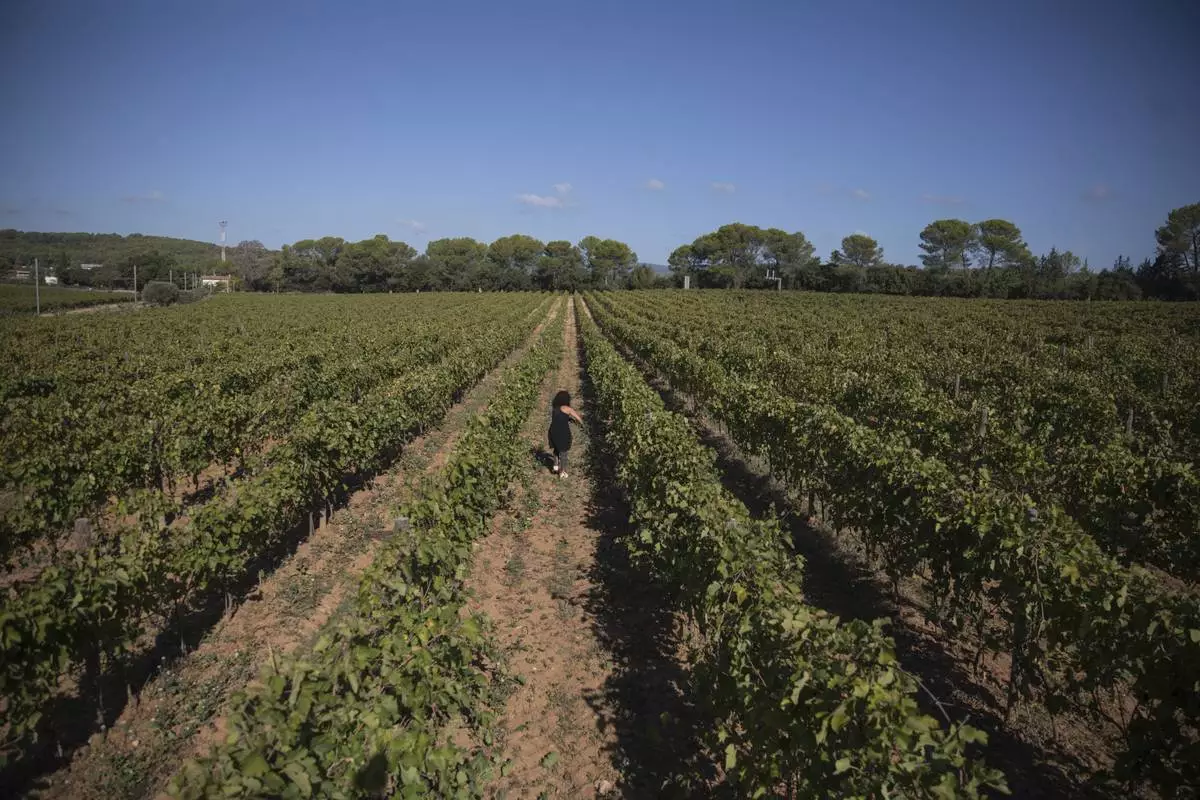
FILE - A worker tends to a vineyard in the southern France region of Provence, Friday Oct. 11, 2019. (AP Photo/Daniel Cole, File)
FILE - A worker tends to a vineyard in the southern France region of Provence, Friday Oct. 11, 2019. (AP Photo/Daniel Cole, File)

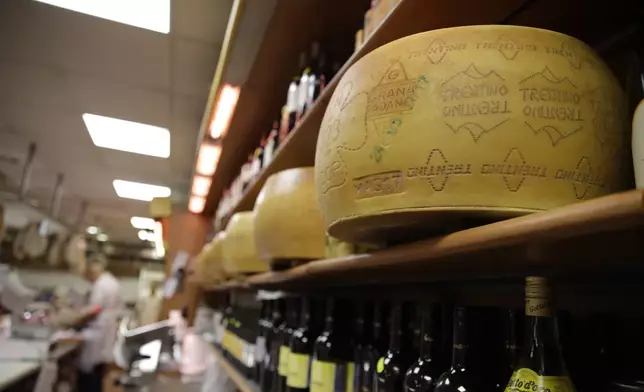
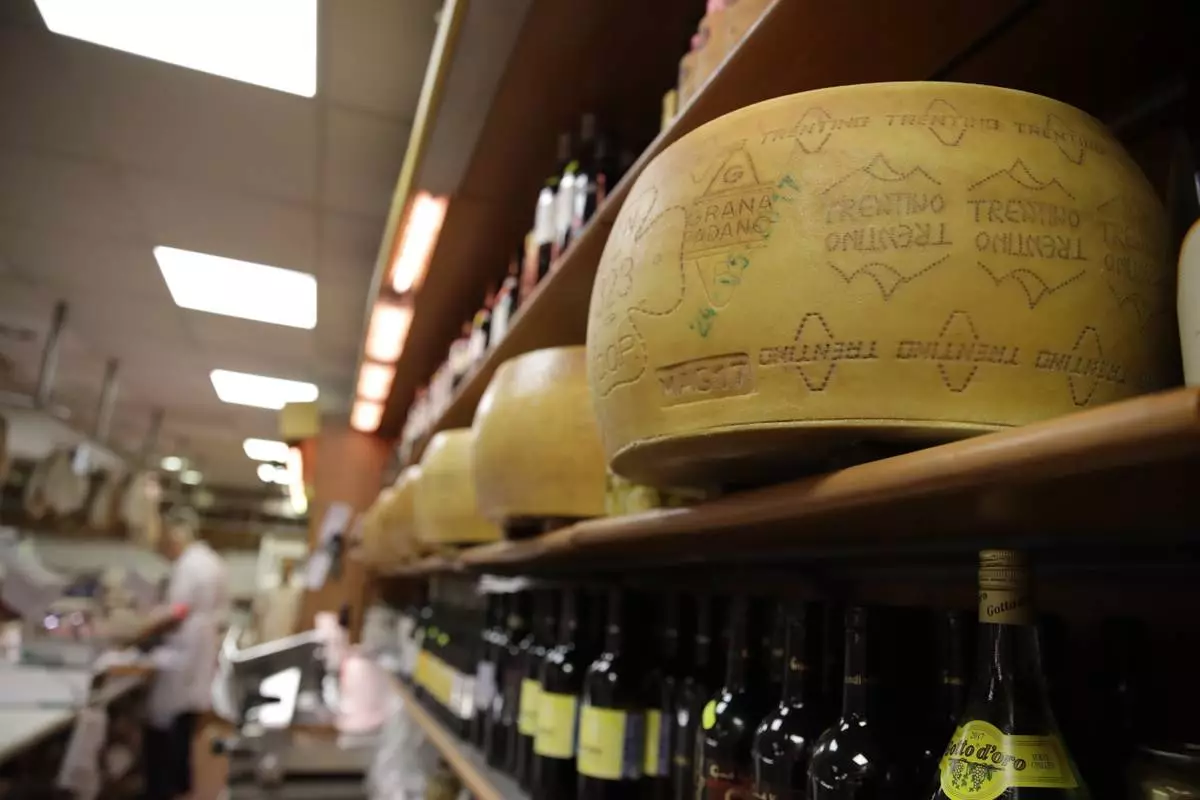
FILE - Wheels of Parmesan cheese are stored in a deli in Rome, Thursday, Oct. 3, 2019. (AP Photo/Alessandra Tarantino, File)
FILE - Wheels of Parmesan cheese are stored in a deli in Rome, Thursday, Oct. 3, 2019. (AP Photo/Alessandra Tarantino, File)

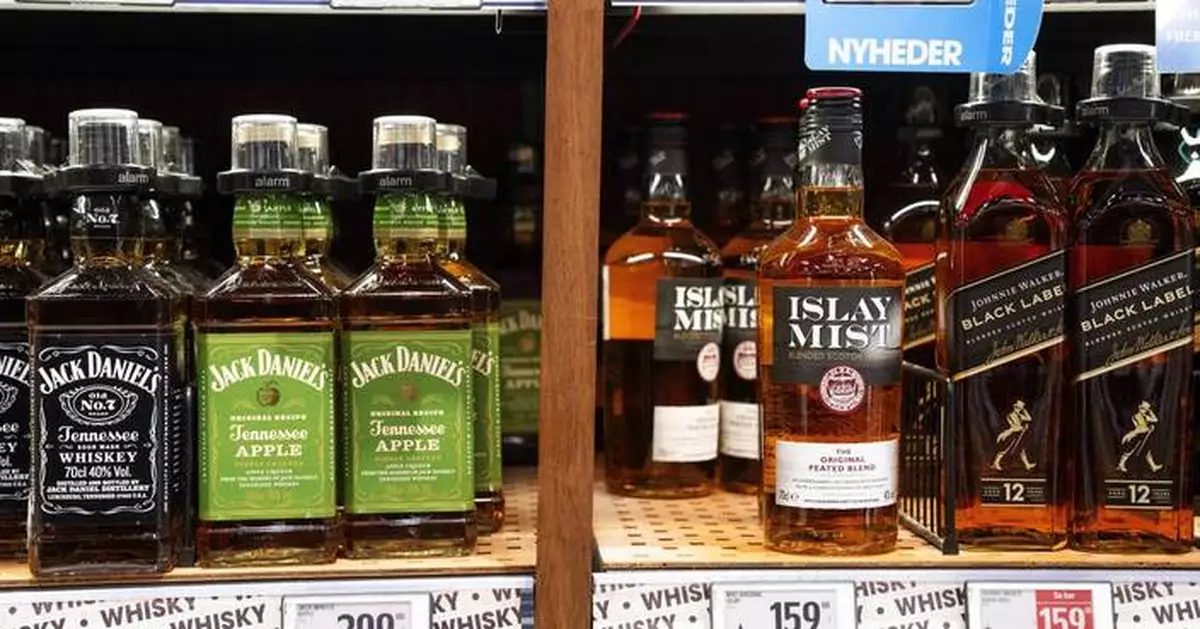
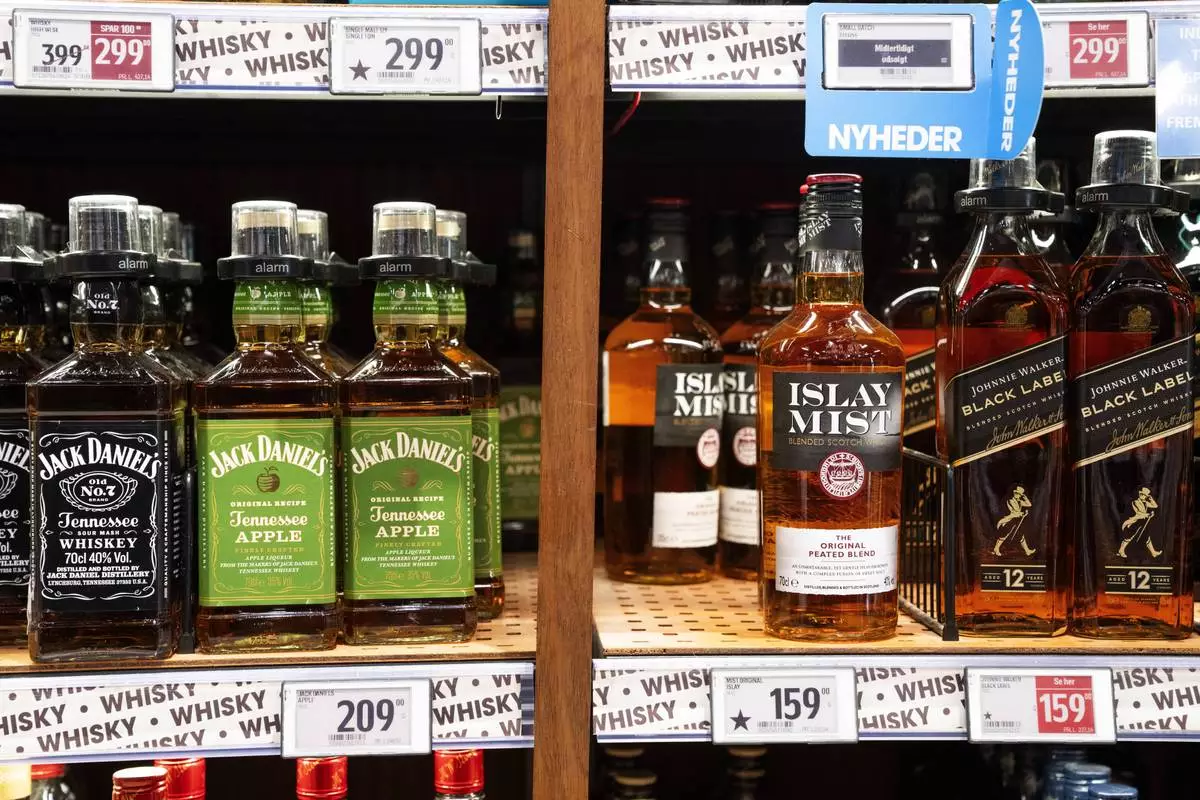
FILE - Bottles of spirits are labeled with a star in Bilka in Randers, Denmark, making it easier for customers to buy European goods, Monday, March 17, 2025. (Bo Amstrup/Ritzau Scanpix via AP, File)

FILE - Bottles of spirits are labeled with a star in Bilka in Randers, Denmark, making it easier for customers to buy European goods, Monday, March 17, 2025. (Bo Amstrup/Ritzau Scanpix via AP, File)

In April, had Trump proposed a 20% tariff for EU goods as part of a set of tariffs targeting countries with which the United States has a trade imbalance. He later threatened to raise that to 50% after negotiations did not move as fast as he would have liked.

As of earlier this week, the EU's executive commission, which handles trade issues for the bloc's 27-member nations, said its leaders were still hoping to strike a deal with the Trump administration. Without one, the EU said it was prepared to retaliate with tariffs on hundreds of American products, ranging from beef and auto parts to beer and Boeing airplanes.

Here's what to know about trade between the United States and the European Union:

The European Commission describes the trade between the U.S. and the EU as "the most important commercial relationship in the world.”

The value of EU-U.S. trade in goods and services amounted to 1.7 trillion euros ($2 trillion) in 2024, or an average of 4.6 billion euros a day, according to EU statistics agency Eurostat.

The biggest U.S. export to Europe was crude oil, followed by pharmaceuticals, aircraft, automobiles, and medical and diagnostic equipment.

Europe's biggest exports to the U.S. were pharmaceuticals, cars, aircraft, chemicals, medical instruments, and wine and spirits.

Trump has complained about the EU's 198 billion-euro trade surplus in goods, which shows Americans buy more from European businesses than the other way around.

However, American companies fill some of the gap by outselling the EU when it comes to services such as cloud computing, travel bookings, and legal and financial services.

The U.S. services surplus took the nation's trade deficit with the EU down to 50 billion euros ($59 billion), which represents less than 3% of overall U.S.-EU trade.

Before Trump returned to office, the U.S. and the EU maintained a generally cooperative trade relationship and low tariff levels on both sides. The U.S. rate averaged 1.47% for European goods, while the EU's averaged 1.35% for American products.

But the White House has taken a much less friendly posture toward the longstanding U.S. ally since February. Along with the fluctuating tariff rate on European goods Trump has floated, the EU has been subject to his administration's 50% tariff on steel and aluminum, and a 25% tax on imported automobiles and parts.

Trump administration officials have raised a slew of issues they want to see addressed, including agricultural barriers such as EU health regulations that include bans on chlorine-washed chicken and hormone-treated beef.

Trump has also criticized Europe's value-added taxes, which EU countries levy at the point of sale at rates of 17% to 27%. But many economists see VAT as trade-neutral since they apply to domestic goods and services as well as imported ones. Because national governments set the taxes through legislation, the EU has said they aren't on the table during trade negotiations.

“On the thorny issues of regulations, consumer standards and taxes, the EU and its member states cannot give much ground,” said Holger Schmieding, chief economist at Germany's Berenberg bank. “They cannot change the way they run the EU’s vast internal market according to U.S. demands, which are often rooted in a faulty understanding of how the EU works.”

Economists and companies say higher tariffs will mean higher prices for U.S. consumers on imported goods. Importers must decide how much of the extra tax costs to absorb through lower profits and how much to pass on to customers.

Mercedes-Benz dealers in the U.S. have said they are holding the line on 2025 model year prices “until further notice.” The German automaker has a partial tariff shield because it makes 35% of the Mercedes-Benz vehicles sold in the U.S. in Tuscaloosa, Alabama, but the company said it expects prices to undergo “significant increases” in coming years.

Simon Hunt, CEO of Italian wine and spirits producer Campari Group, told investment analysts that prices could increase for some products or stay the same depending what rival companies do. If competitors raise prices, the company might decide to hold its prices on Skyy vodka or Aperol aperitif to gain market share, Hunt said.

Trump has argued that making it more difficult for foreign companies to sell in the U.S. is a way to stimulate a revival of American manufacturing. Many companies have dismissed the idea or said it would take years to yield positive economic benefits. However, some corporations have proved willing to shift some production stateside.

France-based luxury group LVMH, whose brands include Tiffany & Co., Luis Vuitton, Christian Dior and Moet & Chandon, could move some production to the United States, billionaire CEO Bernaud Arnault said at the company’s annual meeting in April.

Arnault, who attended Trump's inauguration, has urged Europe to reach a deal based on reciprocal concessions.

“If we end up with high tariffs, ... we will be forced to increase our U.S.-based production to avoid tariffs,” Arnault said. “And if Europe fails to negotiate intelligently, that will be the consequence for many companies. ... It will be the fault of Brussels, if it comes to that.”

Some forecasts indicate the U.S. economy would be more at risk if the negotiations fail.

Without a deal, the EU would lose 0.3% of its gross domestic product and U.S. GDP would fall 0.7%, if Trump slaps imported goods from Europe with tariffs of 10% to 25%, according to a research review by Bruegel, a think tank in Brussels.

The most likely outcome of the trade talks is that “the U.S. will agree to deals in which it takes back its worst threats of ‘retaliatory’ tariffs well beyond 10%,” Schmieding said. “However, the road to get there could be rocky.”

The U.S. offering exemptions for some goods might smooth the path to a deal. The EU could offer to ease some regulations that the White House views as trade barriers.

“While Trump might be able to sell such an outcome as a ‘win’ for him, the ultimate victims of his protectionism would, of course, be mostly the U.S. consumers,” Schmieding said.
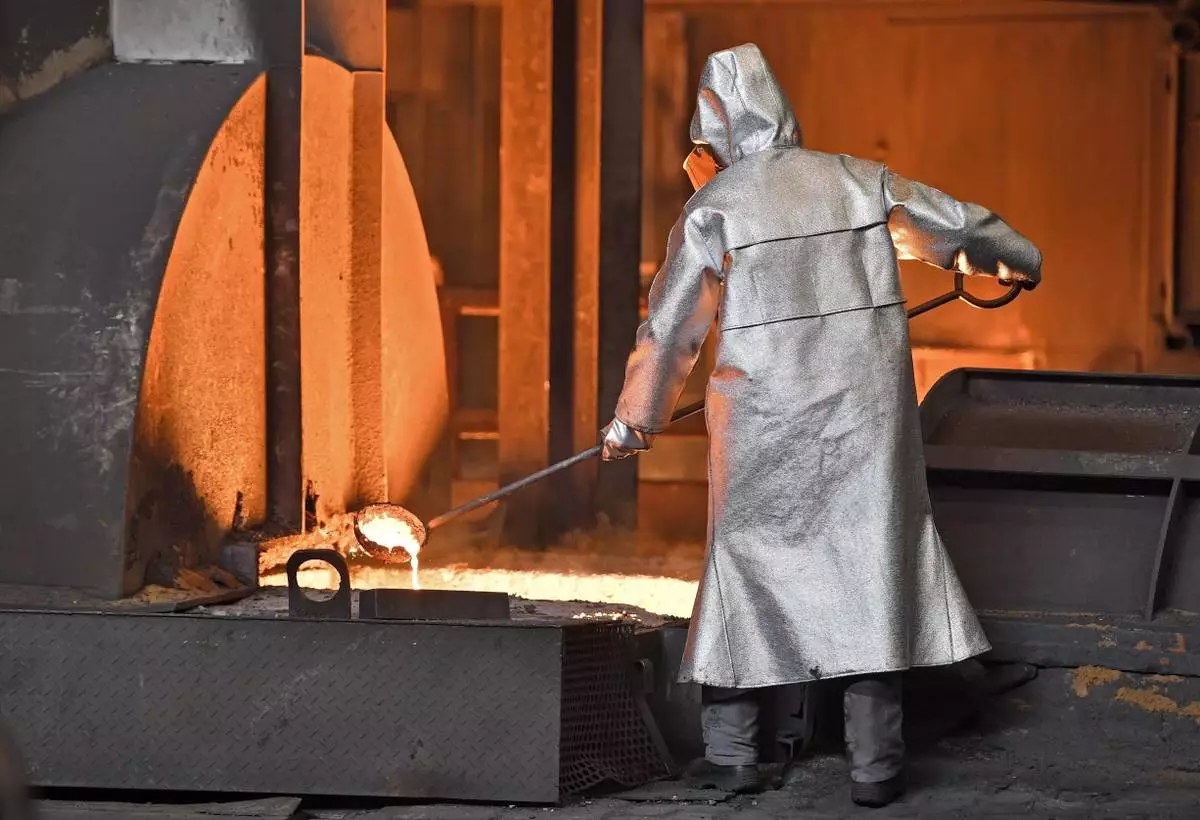
FILE - A handles molten metal at the Thyssenkrupp steel factory in Duisburg, Germany, April 27, 2018. (AP Photo/Martin Meissner, File)
FILE - A handles molten metal at the Thyssenkrupp steel factory in Duisburg, Germany, April 27, 2018. (AP Photo/Martin Meissner, File)

FILE - A worker tends to a vineyard in the southern France region of Provence, Friday Oct. 11, 2019. (AP Photo/Daniel Cole, File)
FILE - A worker tends to a vineyard in the southern France region of Provence, Friday Oct. 11, 2019. (AP Photo/Daniel Cole, File)

FILE - Wheels of Parmesan cheese are stored in a deli in Rome, Thursday, Oct. 3, 2019. (AP Photo/Alessandra Tarantino, File)
FILE - Wheels of Parmesan cheese are stored in a deli in Rome, Thursday, Oct. 3, 2019. (AP Photo/Alessandra Tarantino, File)

FILE - Bottles of spirits are labeled with a star in Bilka in Randers, Denmark, making it easier for customers to buy European goods, Monday, March 17, 2025. (Bo Amstrup/Ritzau Scanpix via AP, File)

FILE - Bottles of spirits are labeled with a star in Bilka in Randers, Denmark, making it easier for customers to buy European goods, Monday, March 17, 2025. (Bo Amstrup/Ritzau Scanpix via AP, File)
SEOUL, South Korea (AP) — A South Korean court sentenced former President Yoon Suk Yeol to five years in prison Friday in the first verdict from eight criminal trials over the martial law debacle that forced him out of office and other allegations.

Yoon was impeached, arrested and dismissed as president after his short-lived imposition of martial law in December 2024 triggered huge public protests calling for his ouster.

The most significant criminal charge against him alleges that his martial law enforcement amounted to a rebellion, and the independent counsel has requested the death sentence in the case that is to be decided in a ruling next month.

Yoon has maintained he didn’t intend to place the country under military rule for an extended period, saying his decree was only meant to inform the people about the danger of the liberal-controlled parliament obstructing his agenda. But investigators have viewed Yoon’s decree as an attempt to bolster and prolong his rule, charging him with rebellion, abuse of power and other criminal offenses.

In Friday’s case, the Seoul Central District Court sentenced Yoon for defying attempts to detain him, fabricating the martial law proclamation, and sidestepping a legally mandated full Cabinet meeting and thus depriving some Cabinet members who were not convened of their due rights to deliberate on his decree.

Judge Baek Dae-hyun said in the televised ruling that imposing “a grave punishment” was necessary because Yoon hasn’t shown remorse and has only repeated “hard-to-comprehend excuses.” The judge also restoring legal systems damaged by Yoon’s action was necessary.

Yoon’s defense team said they will appeal the ruling, which they believe was “politicized” and reflected “the unliberal arguments by the independent counsel.” Yoon’s defense team argued the ruling “oversimplified the boundary between the exercise of the president’s constitutional powers and criminal liability.”

Prison sentences in the multiple, smaller trials Yoon faces would matter if he is spared the death penalty or life imprisonment at the rebellion trial.

Park SungBae, a lawyer who specializes in criminal law, said there is little chance the court would decide Yoon should face the death penalty in the rebellion case. He said the court will likely issue a life sentence or a sentence of 30 years or more in prison.

South Korea has maintained a de facto moratorium on executions since 1997 and courts rarely hand down death sentences. Park said the court would take into account that Yoon’s decree didn’t cause casualties and didn’t last long, although Yoon hasn’t shown genuine remorse for his action.

South Korea has a history of pardoning former presidents who were jailed over diverse crimes in the name of promoting national unity. Those pardoned include strongman Chun Doo-hwan, who received the death penalty at a district court over his 1979 coup, the bloody 1980 crackdowns of pro-democracy protests that killed about 200 people, and other crimes.

Some observers say Yoon will likely retain a defiant attitude in the ongoing trials to maintain his support base in the belief that he cannot avoid a lengthy sentence but could be pardoned in the future.

On the night of Dec. 3, 2024, Yoon abruptly declared martial law in a televised speech, saying he would eliminate “anti-state forces” and protect “the constitutional democratic order.” Yoon sent troops and police officers to encircle the National Assembly, but many apparently didn’t aggressively cordon off the area, allowing enough lawmakers to get into an assembly hall to vote down Yoon’s decree.

No major violence occurred, but Yoon's stunt caused the biggest political crisis in South Korea and rattled its diplomacy and financial markets. For many, his decree, the first of its kind in more than four decades in South Korea, brought back harrowing memories of past dictatorships in the 1970s and 1980s, when military-backed leaders used martial law and emergency measures to deploy soldiers and tanks on the streets to suppress demonstrations.

After Yoon's ouster, his liberal rival Lee Jae Myung became president via a snap election last June. After taking office, Lee appointed three independent counsels to look into allegations involving Yoon, his wife and associates.

Yoon's other trials deal with charges like ordering drone flights over North Korea to deliberately inflame animosities to look for a pretext to declare martial law. Other charges accuse Yoon of manipulating the investigation into a marine’s drowning in 2023 and receiving free opinion surveys from an election broker in return for a political favor.

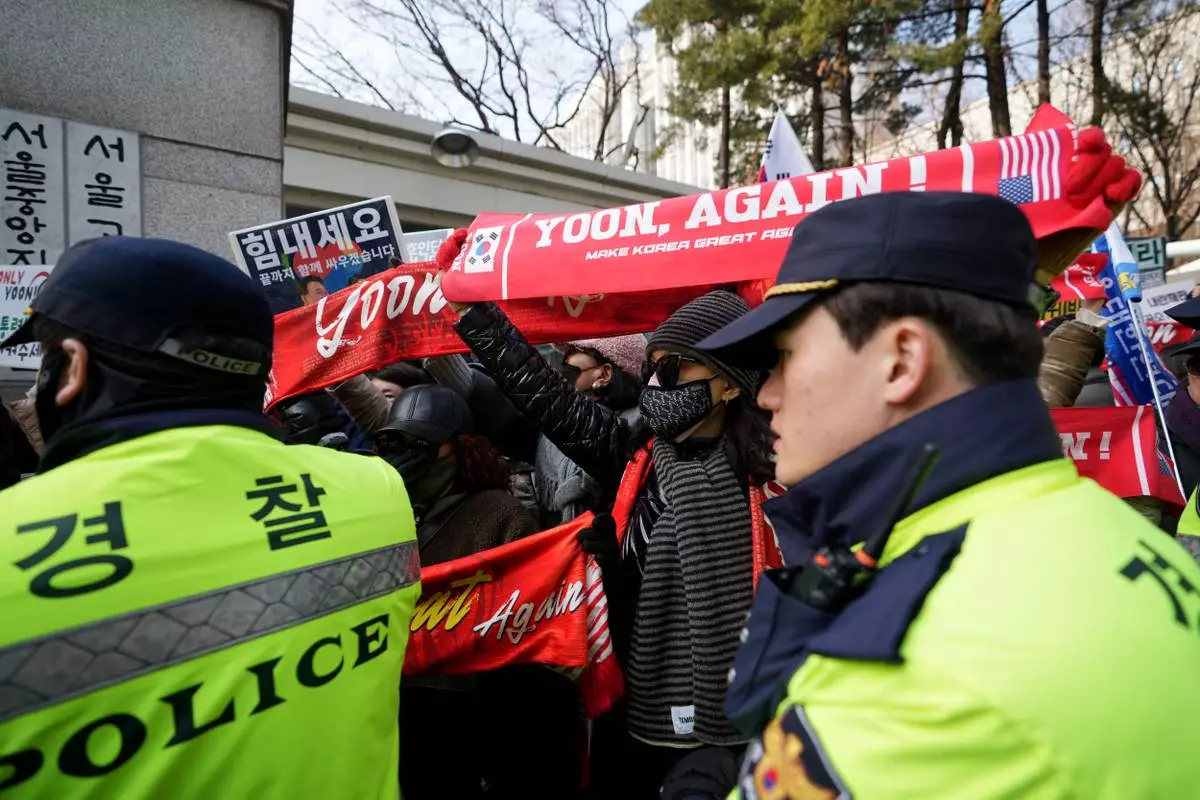
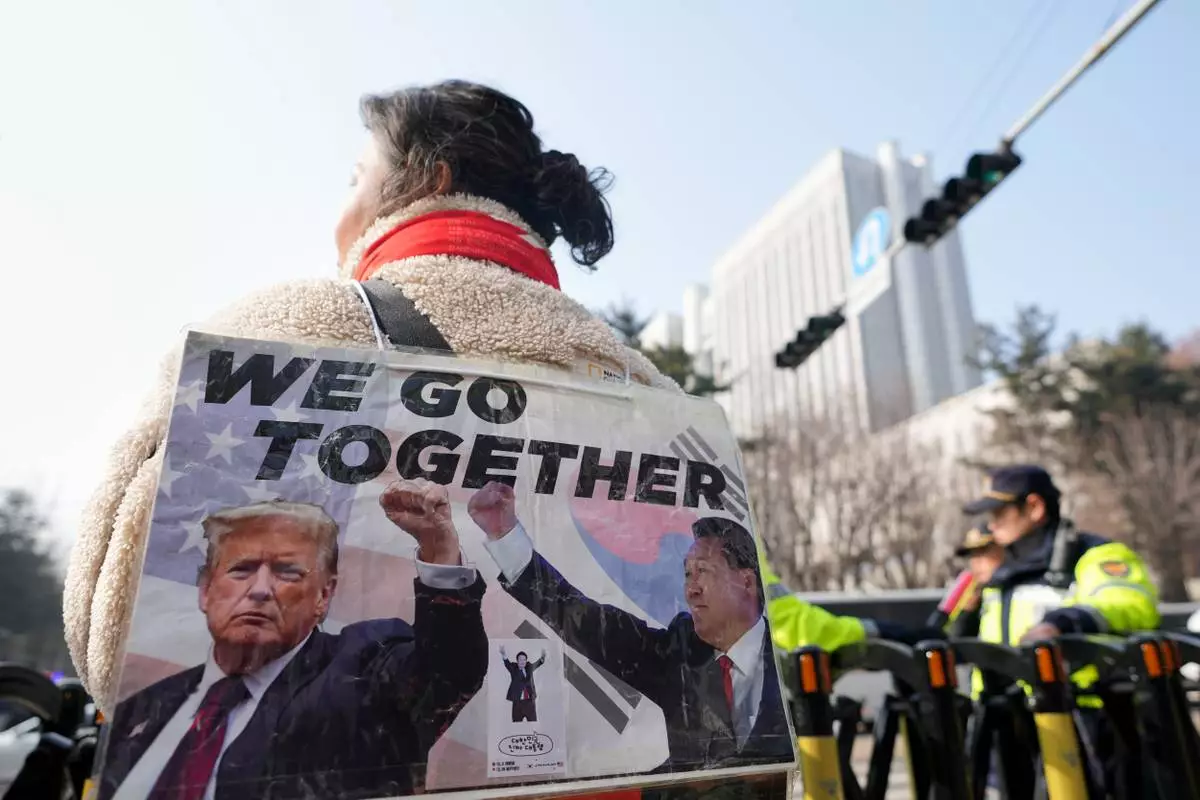
A supporter of former South Korean President Yoon Suk Yeol shouts slogans outside Seoul Central District Court, in Seoul, South Korea, Friday, Jan. 16, 2026. (AP Photo/Lee Jin-man)

A supporter of former South Korean President Yoon Suk Yeol shouts slogans outside Seoul Central District Court, in Seoul, South Korea, Friday, Jan. 16, 2026. (AP Photo/Lee Jin-man)

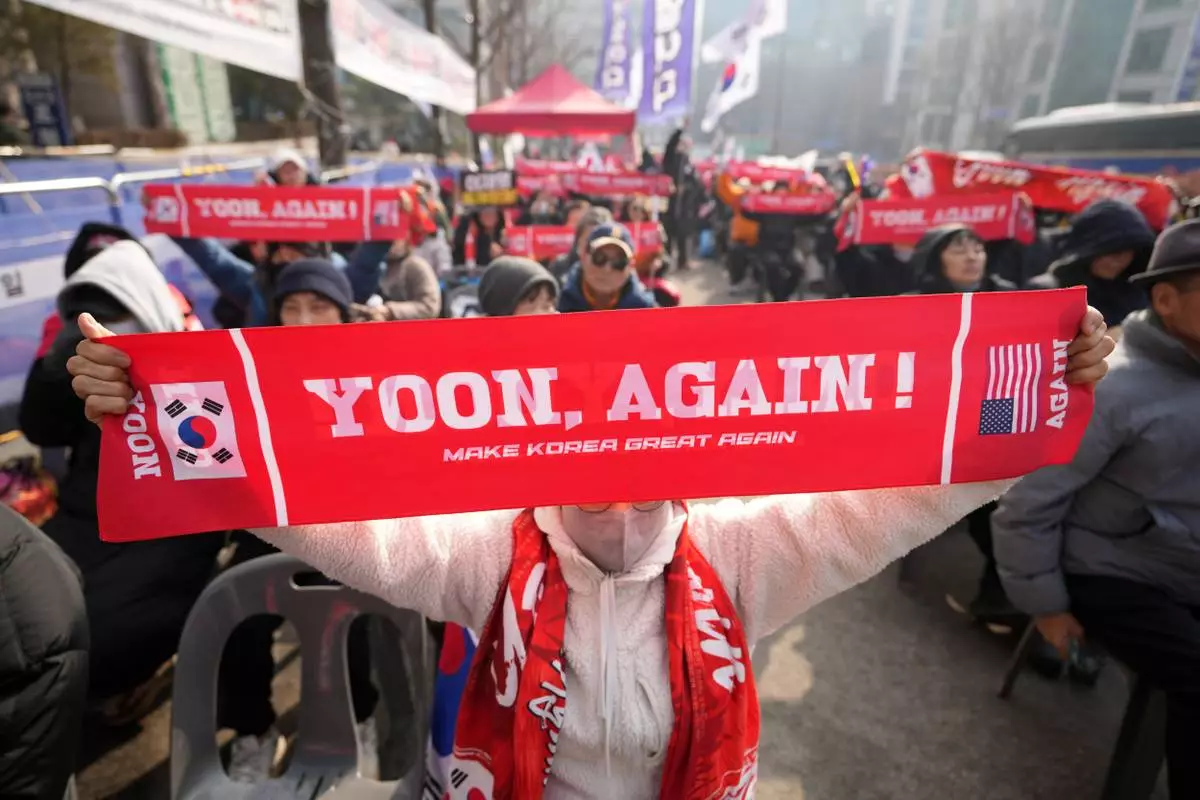
Supporters of former South Korean President Yoon Suk Yeol hold signs and flags outside Seoul Central District Court, in Seoul, South Korea, Friday, Jan. 16, 2026. (AP Photo/Lee Jin-man)

Supporters of former South Korean President Yoon Suk Yeol hold signs and flags outside Seoul Central District Court, in Seoul, South Korea, Friday, Jan. 16, 2026. (AP Photo/Lee Jin-man)

A supporter of former South Korean President Yoon Suk Yeol waits for a bus carrying former South Korean President Yoon Suk Yeol outside Seoul Central District Court, in Seoul, South Korea, Friday, Jan. 16, 2026. (AP Photo/Lee Jin-man)

A supporter of former South Korean President Yoon Suk Yeol waits for a bus carrying former South Korean President Yoon Suk Yeol outside Seoul Central District Court, in Seoul, South Korea, Friday, Jan. 16, 2026. (AP Photo/Lee Jin-man)

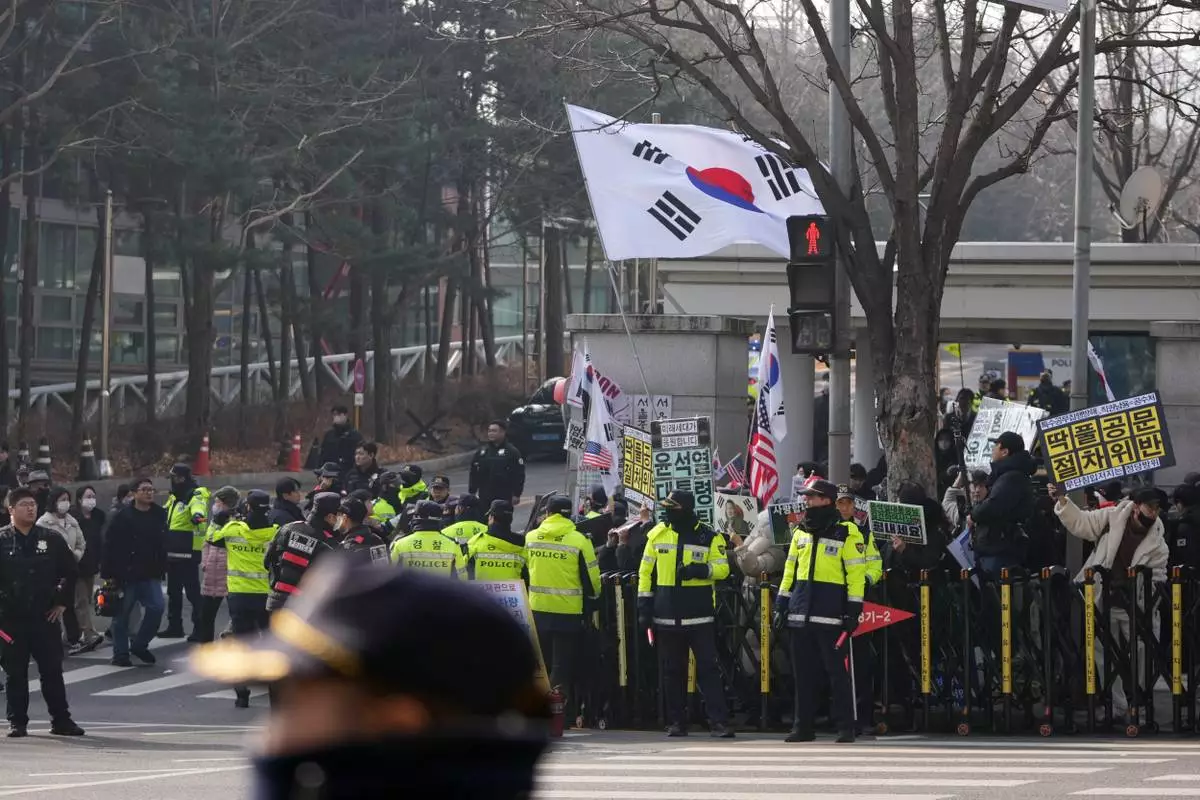
Supporters of former South Korean President Yoon Suk Yeol hold signs as police officers stand guard outside Seoul Central District Court, in Seoul, South Korea, Friday, Jan. 16, 2026. (AP Photo/Lee Jin-man)

Supporters of former South Korean President Yoon Suk Yeol hold signs as police officers stand guard outside Seoul Central District Court, in Seoul, South Korea, Friday, Jan. 16, 2026. (AP Photo/Lee Jin-man)

Supporters of former South Korean President Yoon Suk Yeol hold signs and flags outside Seoul Central District Court, in Seoul, South Korea, Friday, Jan. 16, 2026. (AP Photo/Lee Jin-man)

Supporters of former South Korean President Yoon Suk Yeol hold signs and flags outside Seoul Central District Court, in Seoul, South Korea, Friday, Jan. 16, 2026. (AP Photo/Lee Jin-man)

Supporters of former South Korean President Yoon Suk Yeol hold signs outside Seoul Central District Court, in Seoul, South Korea, Friday, Jan. 16, 2026. (AP Photo/Lee Jin-man)

Supporters of former South Korean President Yoon Suk Yeol hold signs outside Seoul Central District Court, in Seoul, South Korea, Friday, Jan. 16, 2026. (AP Photo/Lee Jin-man)

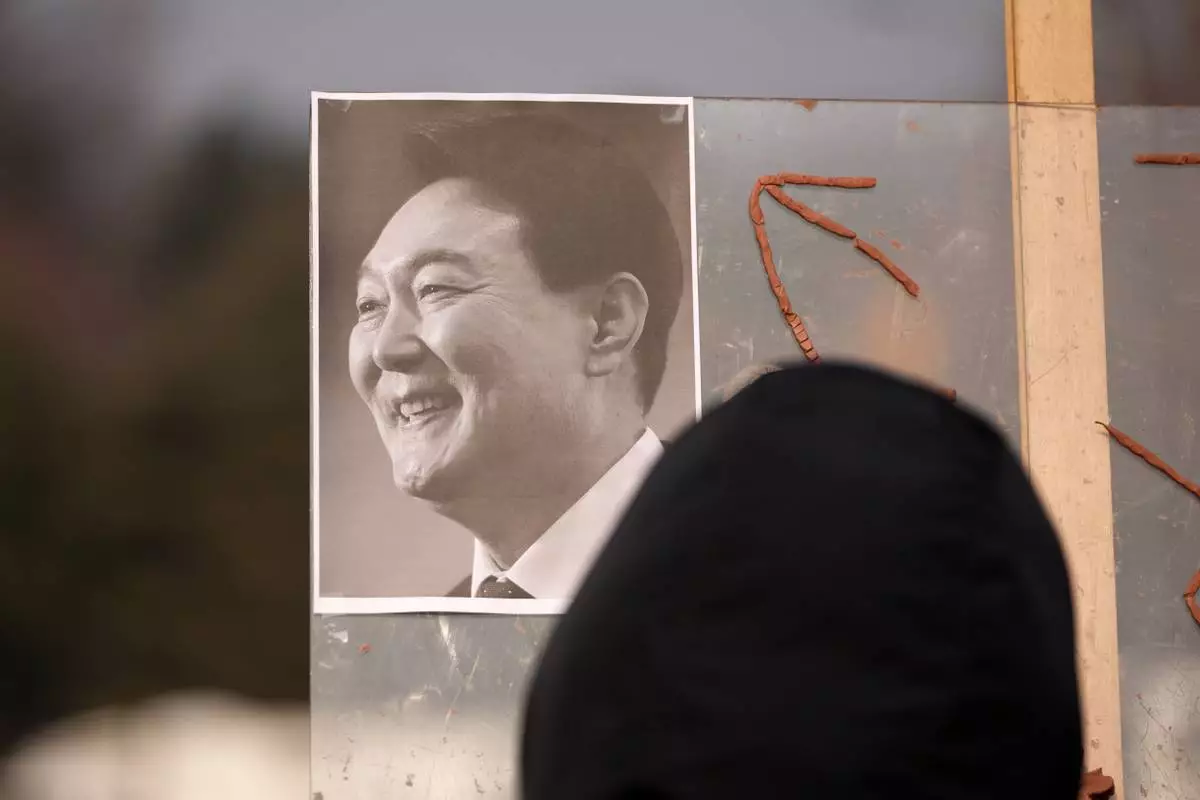
A picture of former South Korean President Yoon Suk Yeol is placed on a board as supporters gather outside Seoul Central District Court, in Seoul, South Korea, Friday, Jan. 16, 2026. (AP Photo/Lee Jin-man)

A picture of former South Korean President Yoon Suk Yeol is placed on a board as supporters gather outside Seoul Central District Court, in Seoul, South Korea, Friday, Jan. 16, 2026. (AP Photo/Lee Jin-man)

Recommended Articles