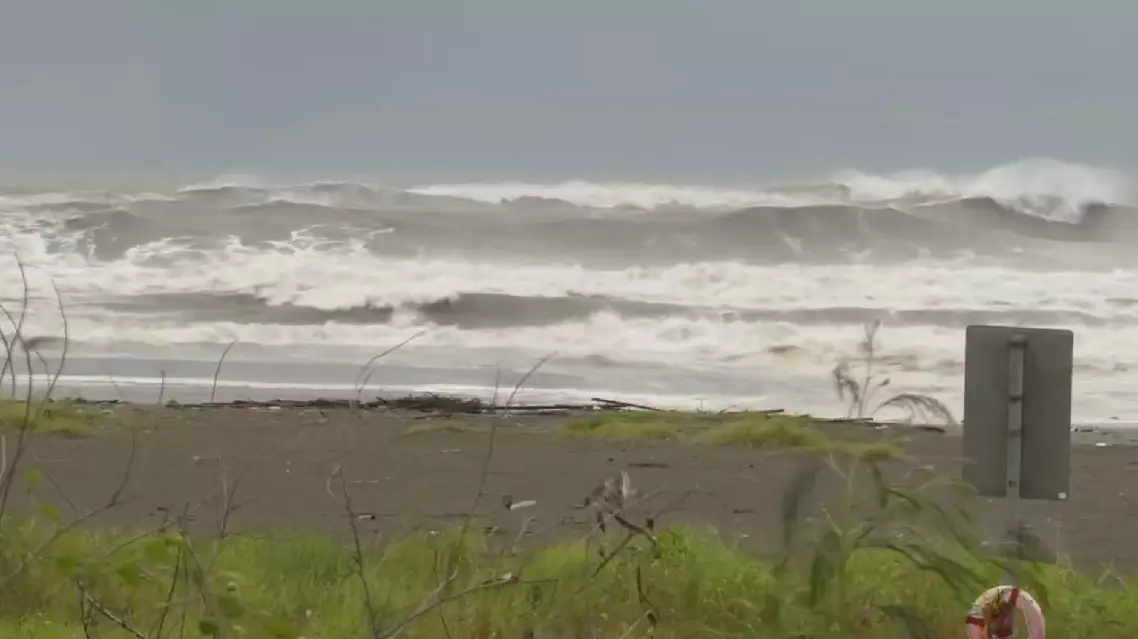
Typhoon Danas made landfall in Chiayi County of China's Taiwan at 23:40 local time on Sunday, causing damage to roads and blackout across the island.
According to China's meteorological authorities, Danas is the fourth typhoon of the year and the first to land on Taiwan's main island this year. Its most severe effects were felt from Sunday night into Monday morning, bringing heavy rainfall and strong winds along its path.
Unlike previous typhoons that approached Taiwan from east and moved westward, Danas made landfall in the island's southwest and moved all the way to its northeast, therefore prompting an expanded warning covering locations across the region.
The typhoon triggered mudslides along highways. Multiple county roads in Pingtung in southern Taiwan were disrupted due to flooding.
Kaohsiung City suffered a major power outage on Sunday night, affecting over 30,000 households.
Strong winds from the typhoon caused damages in Tainan City, according to reports. Pedestrians were injured by falling tree branches and signboards, while the exterior glass of department stores shattered. Additionally, residential electrical wires caught fire and exploded, leading to the collapse of building walls.
A total of 13 cities and counties in Taiwan suspended work and classes on Monday, while the frequency of high-speed train services was significantly reduced.
Strong winds and heavy rainfall started to hit Taiwan before Danas made landfall, prompting several ports to halt operations.
"All ships have been suspended, so no one will come in today. The rain is getting heavier as the typhoon approaches," said Mr. Zhang, a taxi driver.
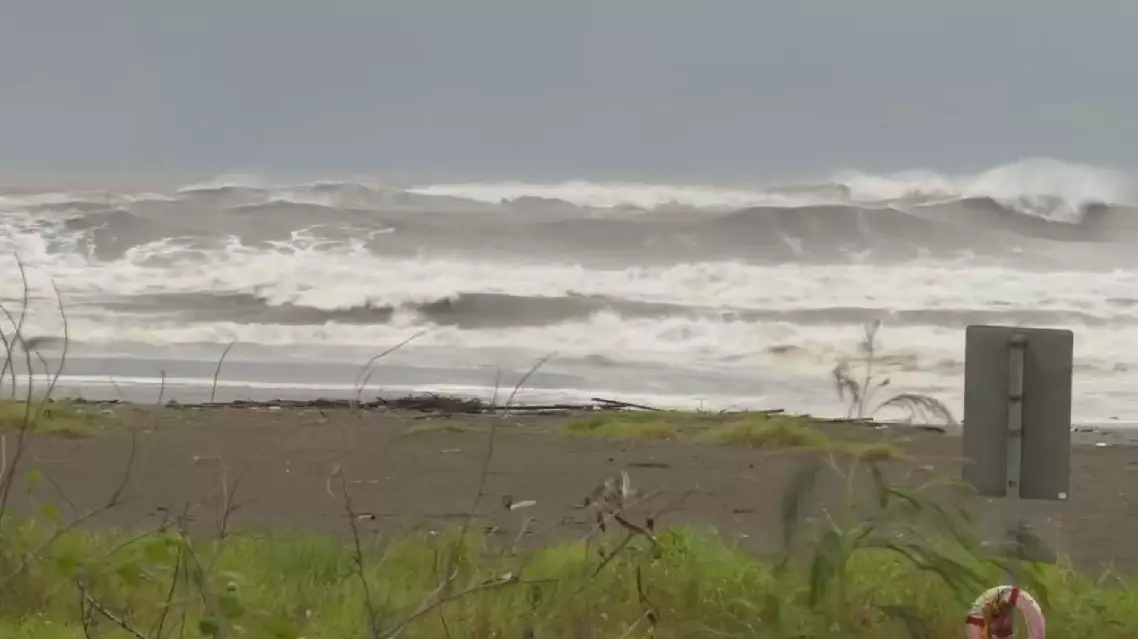
Typhoon Danas causes damage in China's Taiwan
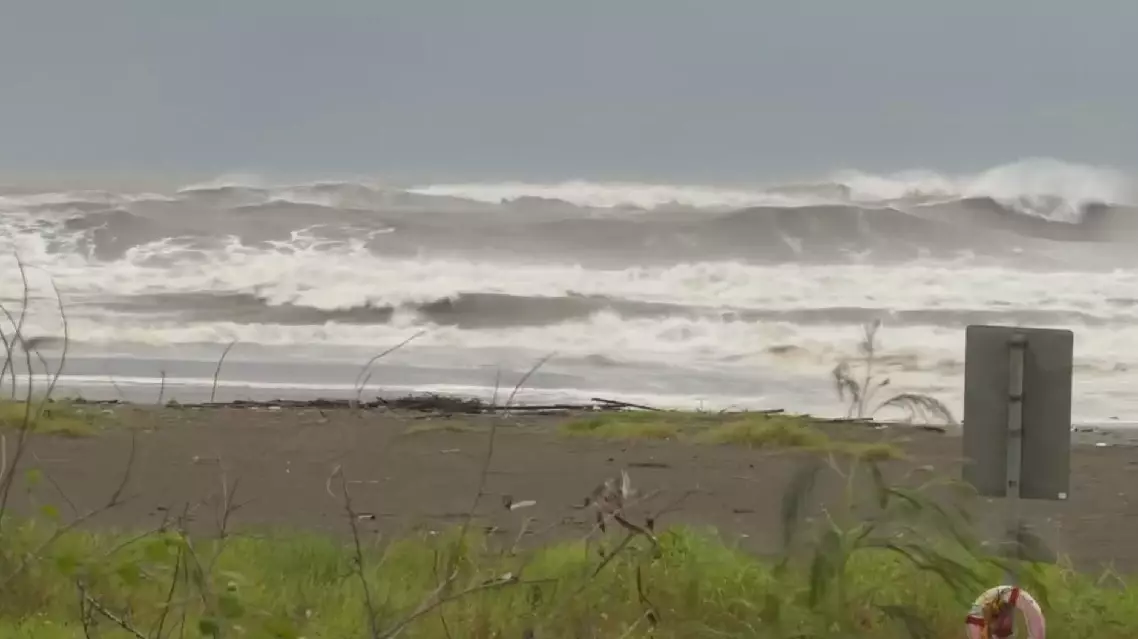
Typhoon Danas causes damage in China's Taiwan
Typhoon Danas causes damage in China's Taiwan
Airstrikes and explosions continued on Sunday, the 23rd day of the U.S.-Israel-Iran conflict, as Iran has warned of broader retaliation if U.S. targets its power facilities.
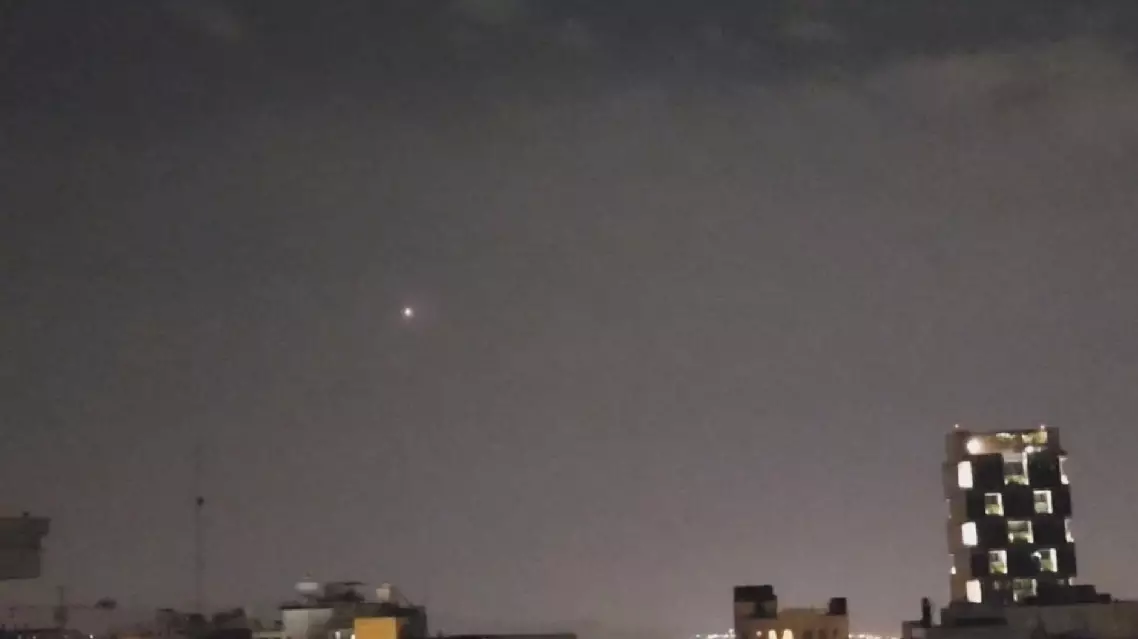
Explosions were heard in eastern and western Tehran on Sunday night, according to a China Media Group reporter. Footage from the reporter showed that Tehran's air defense system was continuously activating to intercept incoming projectiles.
The reporter also said that the sound of the air defense system in operation was heard in northeastern Tehran on Sunday afternoon.
On Sunday, Iran's primary military command, Khatam al-Anbiya Central Headquarters, issued a statement warning that power plants in countries hosting U.S. bases would be considered legitimate targets if the United States attacks Iran's power facilities.
The statement came in response to remarks by U.S. President Donald Trump threatening to target Iran's power infrastructure, according to Iranian state media Islamic Republic of Iran Broadcasting.
Trump threatened on Saturday to "hit and obliterate" Iranian power plants if the country fails to fully open the Strait of Hormuz within 48 hours.
The Strait of Hormuz has not been fully closed and remains under Iran's "smart control," with non-harmful transit continuing under specific regulations to ensure national security and interests, the statement from Khatam al-Anbiya Central Headquarters said.
If U.S. threats are carried out, Iran would immediately adopt several punitive measures, including the full closure of the Strait of Hormuz until damaged Iranian facilities are rebuilt, it said.
Other measures would include large-scale strikes on Israel's power, energy and communications infrastructure, attacks on regional companies with U.S. capital ties, and targeting power facilities in countries hosting U.S. military bases, the statement said, adding that Iran would take "all necessary measures" to defend its national interests.
On Sunday, Iran's President Masoud Pezeshkian said the Strait of Hormuz is open to all "except those who violate Iran's territory."
The Israel Defense Forces (IDF) said on Sunday that the Israeli military struck Iranian weapons production and storage facilities.
Iran warns of broader retaliation if U.S. targets its power facilities