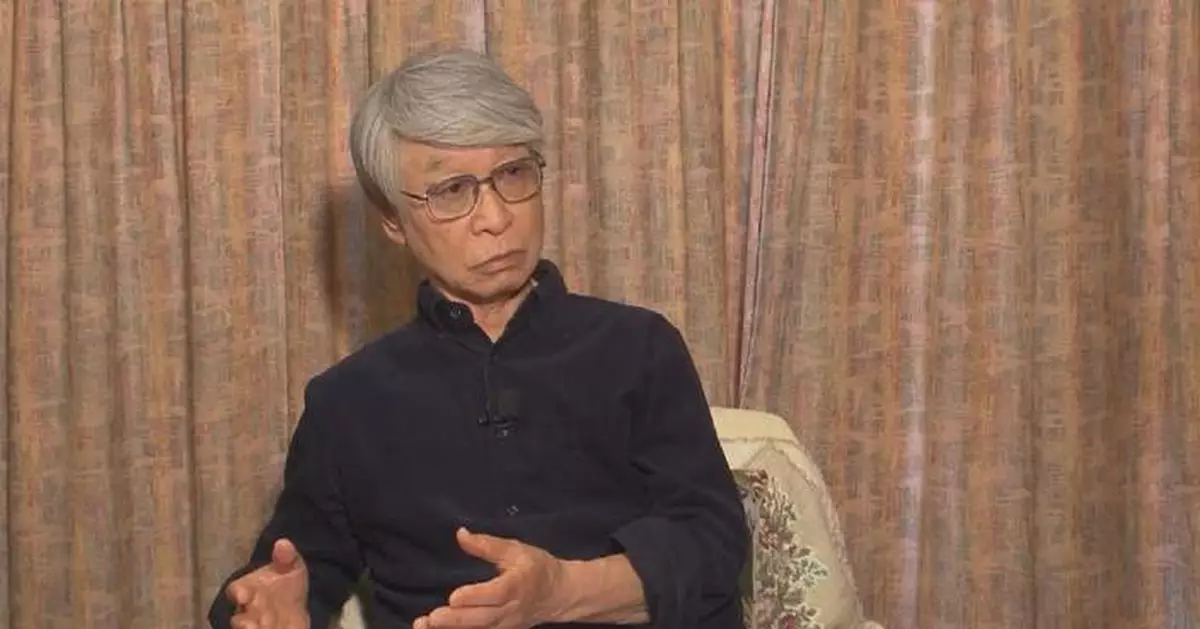
A Japanese scholar specializing in the history of Japan's germ warfare during World War II is committed to revealing the truth about the country's wartime atrocities to more people.
Masataka Mori, a former professor of irenology at Shizuoka University, has spent decades in researching on the notorious Unit 731 and Japan's germ warfare against other countries. He has interviewed many Unit 731 members and victims in an effort to recover the historical truth.
To achieve this, Mori has traveled extensively between China and Japan, gathering testimonies from both former Japanese soldiers and Chinese victims. He produced a series of documentaries detailing the crimes committed by the Japanese invaders in China.
Mori, 82, who now lives in Shizuoka Prefecture, became aware of World War II history during his student years, which led him to question the narratives taught in Japanese schools.
"I learned about the war and gained some knowledge in elementary and middle school education. However, the histories of what our country did to China, the Korean Peninsula, and Southeast Asia - histories of harming other countries - were not covered at all. Back then, I believed that the war was only about 'the Japanese experience of suffering'. This was the education I received. But later I realized that this viewpoint was very biased and did not face up to the true history," said Mori.
In the 1980s, Mori read Japanese writer Katsuichi Honda's "Travels in China," which features a series of articles on the atrocities committed by Imperial Japanese soldiers during World War II.
Moved by these accounts, Mori decided to make a documentary to present the history through real images.
He began to visit libraries to search for historical materials and knocked on the doors of former Japanese soldiers, asking them to come forward and recount their cruel actions before camera.
After eight years of diligent work, Mori completed his first documentary, "Invasion: Untold History."
"I asked the soldiers to tell the crimes they had committed in China, not only to me but also in front of the camera, which took a lot of courage. At first, most of them refused and were resistant. But gradually a few recognized that it was time to break their silence and not take the truth to the grave. They decided to tell their stories," said Mori.
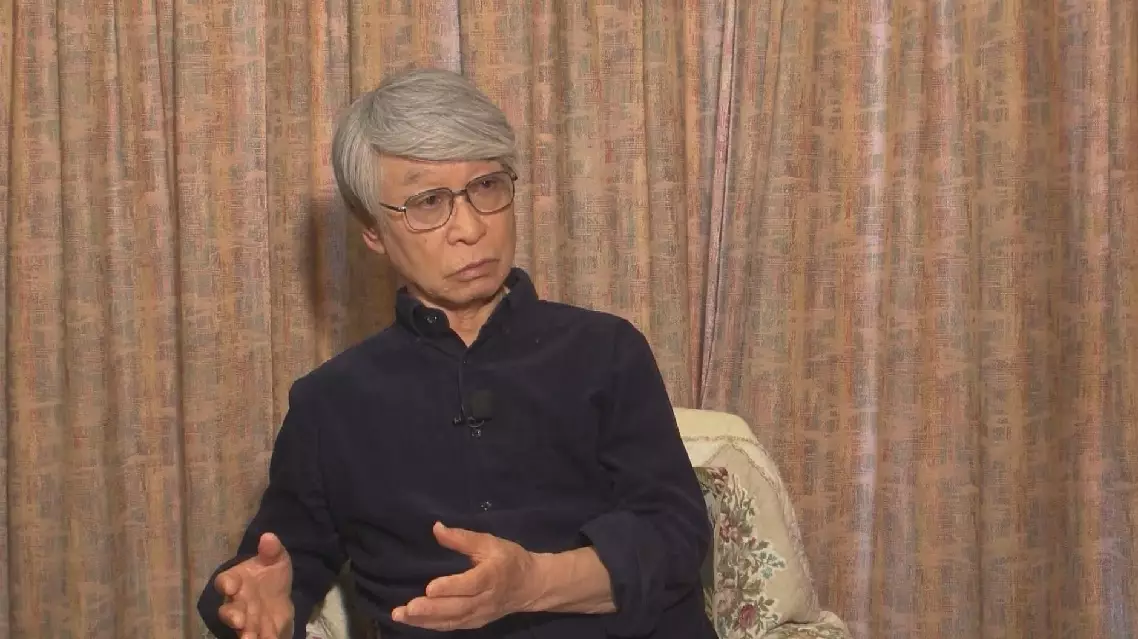
Japanese scholar committed to revealing truth on Japan's wartime atrocities