Severe flooding in central Texas, USA has resulted in significant casualties and damages, particularly in Kerr County, due to a combination of geographic, meteorological, and systemic factors.
Kerr County, located in central Texas, is known for its rugged and low-lying terrain, making it one of the most flash flood-prone regions in the United States. Many homes and summer camps are built along riverbanks in this area, increasing their vulnerability when water levels rise.
The second contributing factor was the intense burst of rainfall in a short time. According to the local emergency management office, the river level rose more than 8 meters in just 45 minutes during the early morning hours of July 4. The rushing water swept away debris, trees, and even crossed over roadways, endangering anyone nearby.
Local warning systems are also being questioned. Volunteers at one of the hardest-hit summer camps reported that they received alert messages only minutes before floodwaters began to submerge parts of the camp. Many people were still asleep and had little time to react.
Lastly, the riverbanks in the region lack proper flood control infrastructure. Over a 10-kilometer stretch of the river surveyed by reporters, the banks are lined with only natural vegetation, dirt, and rocks. With no effective barriers, the river quickly overflowed, uprooting trees and sweeping sediment downstream, damaging homes and camps located in low-lying areas.
The death toll from flash flooding in central Texas has risen to 104, with dozens still missing as search and rescue efforts entered the fourth day on Monday, according to local authorities.
Kerr County, the hardest hit among 20 affected counties in the region, alone accounts for at least 84 of the fatalities, including 28 children.
Camp Mystic, an all-girls Christian summer camp along the Guadalupe River in Kerr County, Monday grieved the loss of at least 27 campers as well as counselors.
As of Monday evening local time, 10 girls and a counselor from the camp were still unaccounted.
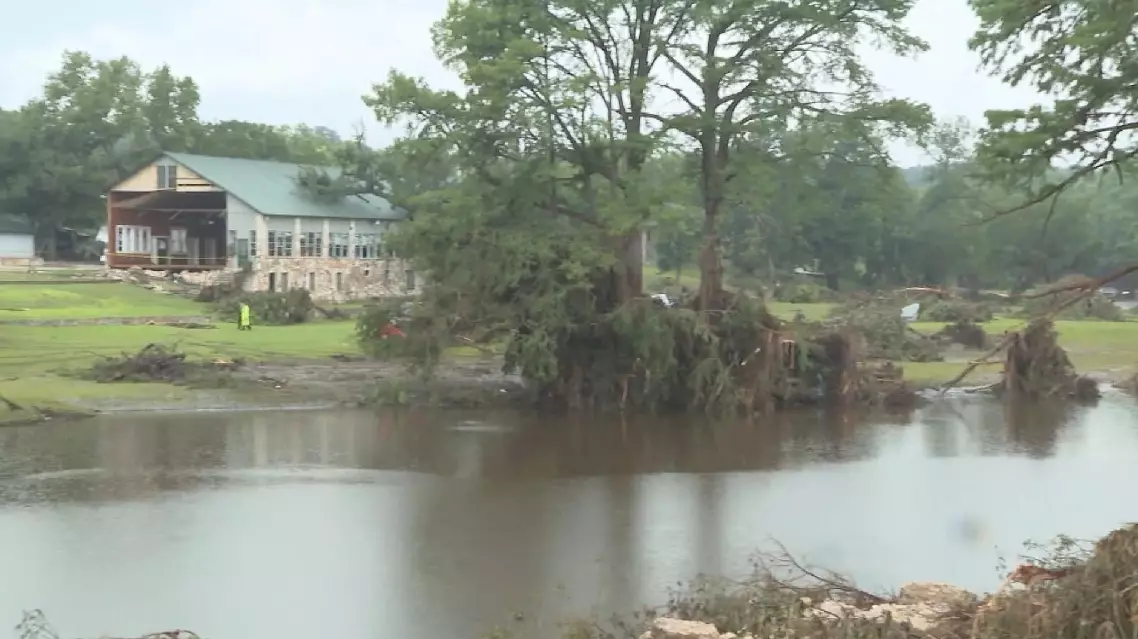
Terrain, intense rain, weak warnings among catalysts to deadly Texas floods