As over 20 percent of China's population is now aged 60 and above, the "silver economy" is emerging as a significant opportunity in response to this aging trend.
In recent years, the information and communications sector has conducted more than 300,000 digital lessons, which not only assist older adults in learning how to use digital technologies and products, but also promote a range of age-friendly products and services.
In a smart experience center in Beijing, the elderly can engage in AI interactive fitness activities.
"This is great! It's better than dancing in square, which has its limitations. Here at home, I can practice whenever I want, without any restrictions," said Xu Jing, a resident in Beijing.
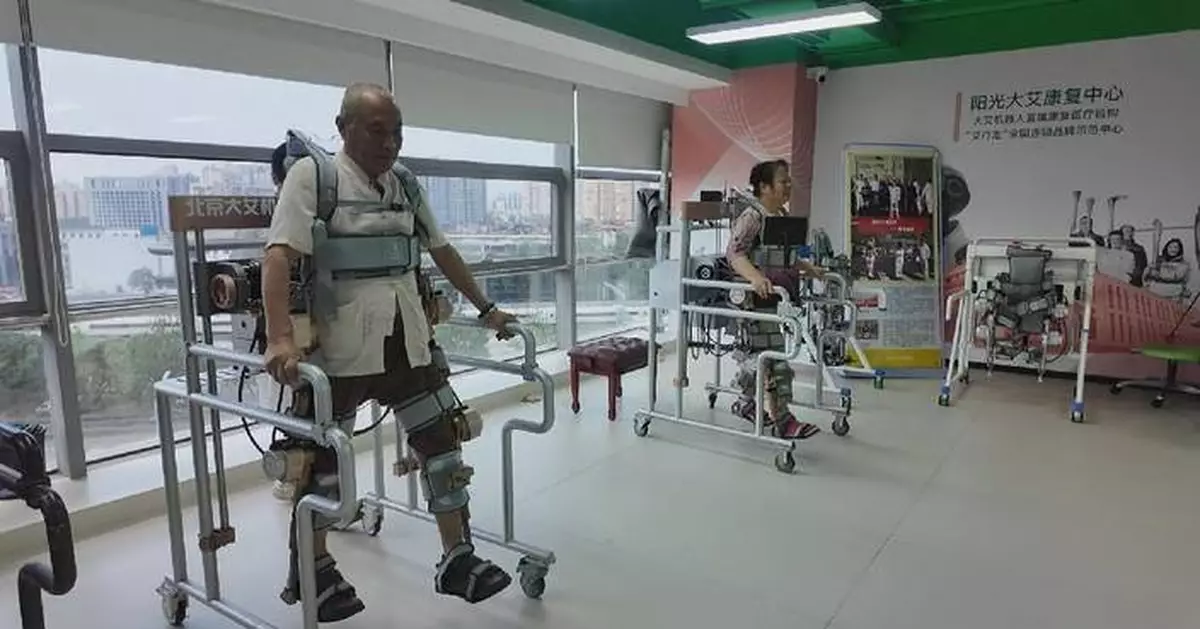
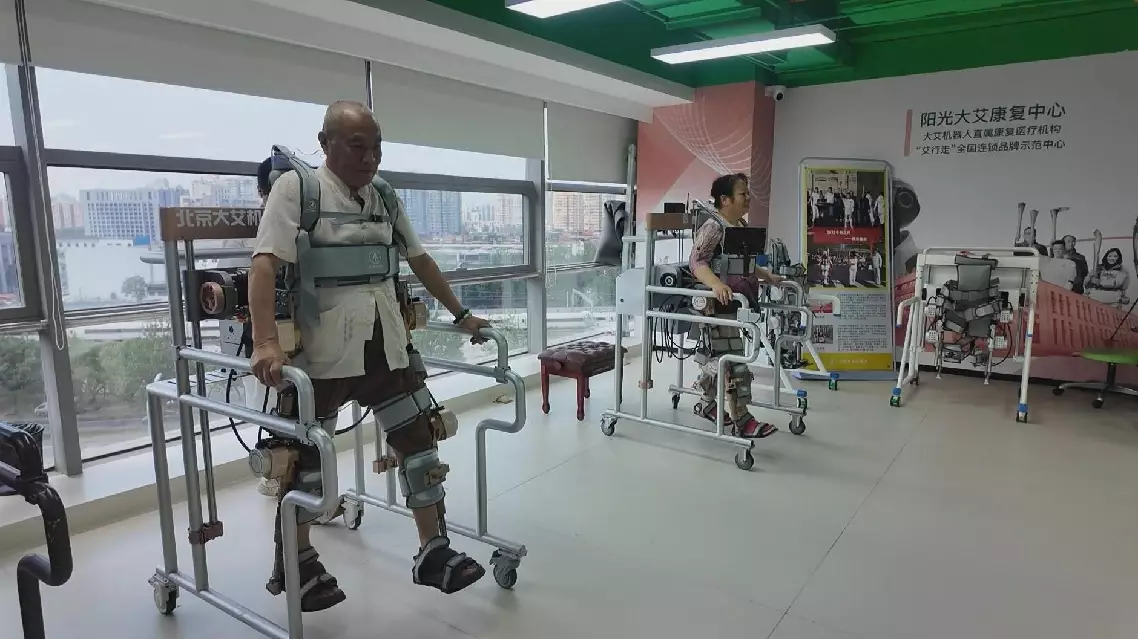
In an exoskeleton rehabilitation training center, some elderly volunteers were experiencing a walking assistance exoskeleton robot.
"It feels fine. The robot is helping me bend and lift my legs," said Hou Yu, another resident.
The technicians are working to expand the test sample and gather more data to adjust and improve the product and technology.
"The elderly users prefer a design that is simpler and easier to be put on, enabling them to dress themselves. Additionally, the volunteers felt that the device was a bit heavy, so we have planned to reduce its weight in future versions," said Zhang Hongye, assistant engineer at Beijing AI-robotics Technology Co., Ltd.
At the end of 2023, the Ministry of Industry and Information Technology issued a plan to promote the high-quality development of aging-friendly digital technology, encouraging the integration of new information technology with the aging sector.
China has developed a framework for standards in digital assistance for the elderly and disabled, including national, industry, group, and local standards. More than 70 standards have been released to guide enterprises in this area.
Aging population sparks new landscape for "silver economy"