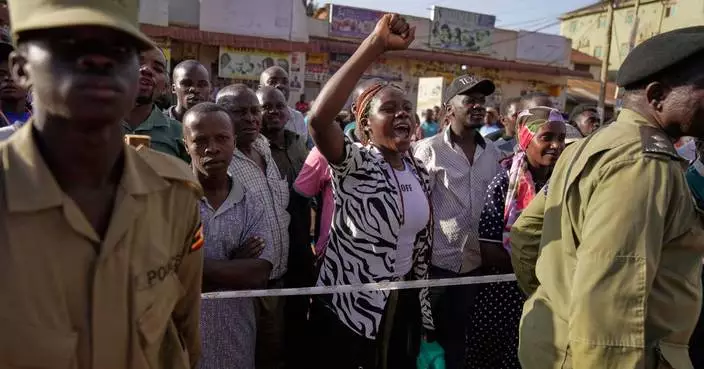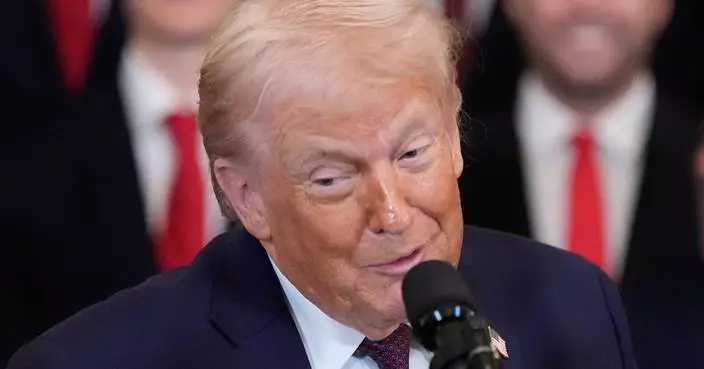
President Donald Trump has sent letters this week outlining higher tariffs countries will face if they don't make trade deals with the U.S. by Aug. 1.
Some mirror the so-called “reciprocal" rates Trump unveiled against dozens of trading partners in April — the bulk of which were later postponed just hours after taking effect. But many are higher or lower than those previously announced amounts.
So far, Trump has warned the European Union and 24 nations, including major trading partners like South Korea and Japan, that steeper tariffs will be imposed starting Aug. 1.
Nearly all of these letters took the same general tone with the exception of Brazil, Canada, the EU and Mexico, which included more specifics about Trump's issues with those countries.
Nearly every country has faced a minimum 10% levy on goods entering the U.S. since April, on top of other levies on specific products like steel and automobiles. And future escalation is still possible. In his letters, which were posted on Truth Social, Trump warned countries that they would face even higher tariffs if they retaliated by increasing their own import taxes.
Here's a look at the countries that have gotten tariff letters so far — and where things stand now:
Tariff rate: 50% starting Aug. 1. Brazil wasn't threatened with an elevated “reciprocal” rate in April — but, like other countries, has faced Trump's 10% baseline over the last three months.
Key exports to the U.S.: Petroleum, iron products, coffee and fruit juice.
Response: In a forceful response, Brazilian President Luiz Inacio Lula da Silva said Trump’s tariffs would trigger the country’s economic reciprocity law — which allows trade, investment and intellectual property agreements to be suspended against countries that harm Brazil’s competitiveness. He also noted that the U.S. has had a trade surplus of more than $410 billion with Brazil over the past 15 years.
Tariff rate: 40% starting Aug. 1. That's down from 44% announced in April.
Key exports to the U.S.: Clothing, leather goods and seafood
Response: Maj. Gen. Zaw Min Tun, the spokesperson for Myanmar’s military government said it will follow up with negotiations.
Tariff rate: 40% starting Aug. 1. That's down from 48% announced in April.
Key exports to the U.S.: Shoes with textile uppers, wood furniture, electronic components and optical fiber
Tariff rate: 36% starting Aug. 1. That's down from 49% announced in April.
Key exports to the U.S.: Textiles, clothing, shoes and bicycles
Response: Cambodia's chief negotiator, Sun Chanthol, said the country successfully got the tariff dropped from the 49% Trump announced in April to 36% and is ready to hold a new round of negotiations. He appealed to investors, especially factory owners, and the country's nearly 1 million garment workers not to panic about the tariff rate announced Monday.
Tariff rate: 36% starting Aug. 1. That's the same rate that was announced in April.
Key exports to the U.S.: Computer parts, rubber products and gemstones
Response: Thailand’s Deputy Prime Minister Pichai Chunhavajira said Thailand will continue to push for tariff negotiations with the United States. Thailand on Sunday submitted a new proposal that includes opening the Thai market for more American agricultural and industrial products and increasing imports of energy and aircraft.
Tariff rate: 35% starting Aug. 1. That's down from 37% announced in April.
Key export to the U.S.: Clothing
Response: Bangladesh’s finance adviser Salehuddin Ahmed said Bangladesh hopes to negotiate for a better outcome. There are concerns that additional tariffs would make Bangladesh’s garment exports less competitive with countries like Vietnam and India.
Tariff rate: 35% starting Aug. 1. That's up from 25% imposed earlier this year on goods that don't comply with a North American trade agreement covering the U.S., Canada and Mexico. Some of Canada's top exports to the U.S. are subject to different industry-specific tariffs.
Key exports to the U.S.: Oil and petroleum products, cars and trucks
Response: Canadian Prime Minister Mark Carney posted on X early Friday that the government will continue to work toward a trade deal by the new Aug. 1 deadline.
Tariff rate: 35% starting Aug. 1. That's down from 37% announced in April.
Key exports to the U.S.: Software and IT services; car tires
Tariff rate: 32% starting Aug. 1. That’s the same rate that was announced in April.
Key exports to the U.S.: Palm oil, cocoa butter and semiconductors
Tariff rate: 30% starting Aug. 1. That’s the same rate that was announced in April.
Key exports to the U.S.: Petroleum, cement and iron products
Tariff rate: 30% starting Aug. 1. That's down from 35% announced in April.
Key exports to the U.S.: Weapons and ammunition
Tariff rate: 30% starting Aug. 1. That's up from 20% announced in April but less than the 50% Trump later threatened.
Key exports to the U.S.: Pharmaceuticals, cars, aircraft, chemicals, medical instruments, and wine and spirits.
Tariff rate: 30% starting Aug. 1. That's down from 39% announced in April.
Key exports to the U.S.: Crude oil and petroleum products
Response: European Commission President Ursula von der Leyen said the tariffs would disrupt essential supply chains “to the detriment of businesses, consumers and patients on both sides of the Atlantic.” She said the EU remains ready to continue working toward an agreement but will take necessary steps to safeguard EU interests, including countermeasures if required.
Tariff rate: 30% starting Aug. 1. That's down from 31% announced in April.
Key exports to the U.S.: Petroleum products
Tariff rate: 30% starting Aug. 1. That's up from 25% imposed earlier this year on goods that don't comply with the free trade agreement covering the U.S., Mexico and Canada. Some of Mexico's top exports to the U.S. are subject to other sector-specific tariffs.
Key exports to the U.S.: Cars, motor vehicle parts and accessories, crude oil, delivery trucks, computers, agricultural products
Tariff rate: 30% starting Aug. 1. That’s the same rate that was announced in April.
Key exports to the U.S.: Platinum, diamonds, vehicles and auto parts
Response: The office of South African President Cyril Ramaphosa said in a statement that the tariff rates announced by Trump mischaracterized the trade relationship with the U.S., but it would “continue with its diplomatic efforts towards a more balanced and mutually beneficial trade relationship with the United States” after having proposed a trade framework on May 20.
Tariff rate: 30% starting Aug. 1. That's down from 44% announced in April.
Key exports to the U.S.: Clothing and rubber products
Tariff rate: 25% starting Aug. 1. That's up from 24% announced in April.
Key exports to the U.S.: Mineral fuels and machinery equipment
Tariff rate: 25% starting Aug. 1. That's down from 31% announced in April.
Key exports to the U.S.: Fruit juice, wine, clothing and plastic products
Tariff rate: 25% starting Aug. 1. That's up from 24% announced in April.
Key exports to the U.S.: Autos, auto parts, electronic
Response: Japanese Prime Minister Shigeru Ishiba called the tariff “extremely regrettable” but said he was determined to continue negotiating.
Tariff rate: 25% starting Aug. 1. That's down from 27% announced in April.
Key exports to the U.S.: Oil, uranium, ferroalloys and silver
Tariff rate: 25% starting Aug. 1. That's up from 24% announced in April.
Key exports to the U.S.: Electronics and electrical products
Response: Malaysia's government said it will pursue talks with the U.S. A cabinet meeting is scheduled for Wednesday.
Tariff rate: 25% starting Aug. 1. That's the same rate that was announced in April.
Key exports to the U.S.: Vehicles, machinery and electronics
Response: South Korea’s Trade Ministry said early Tuesday that it will accelerate negotiations with the United States to achieve a deal before the 25% tax goes into effect.
Tariff rate: 25% starting Aug. 1. That's down from 28% announced in April.
Key exports to the U.S.: Animal and vegetable fats, clothing, fruit and nuts
Tariff rate: 20% starting Aug. 1. That's down from 17% announced in April.
Key exports to the U.S.: Electronics and machinery, clothing and gold
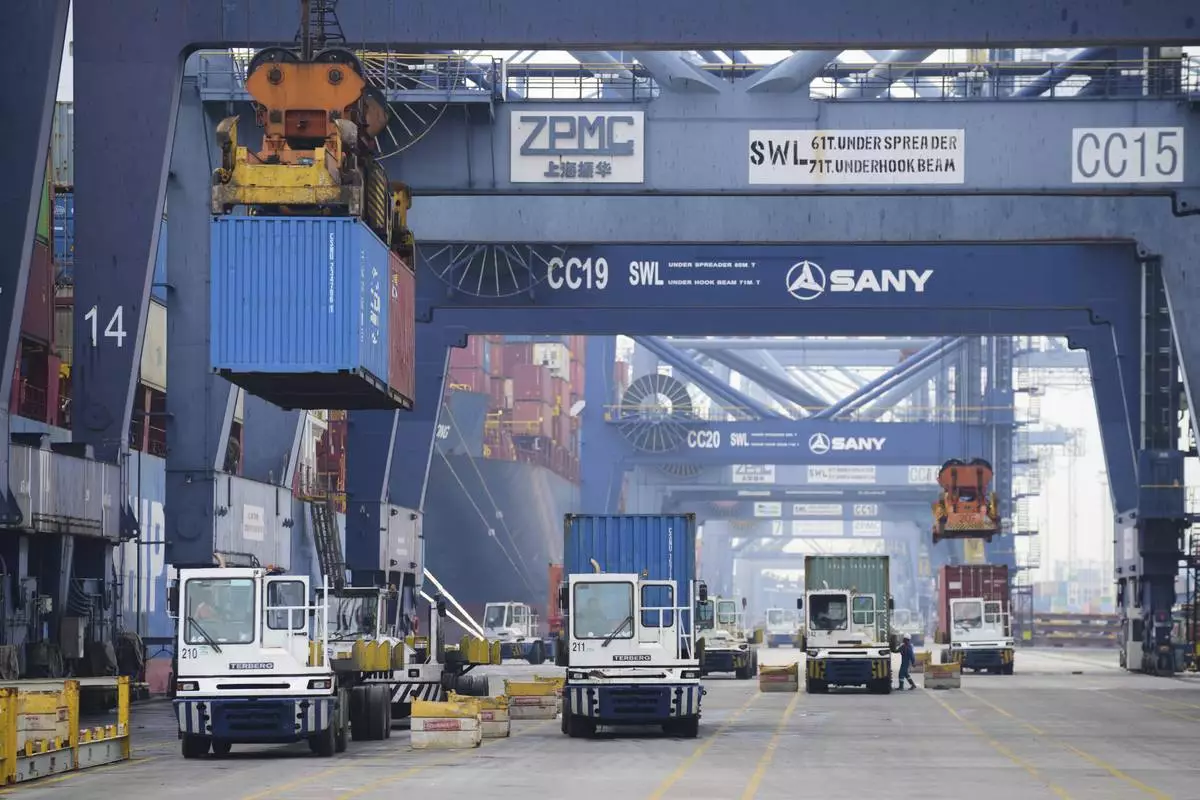
Cranes unload shipping containers from trucks at Jakarta International Container Terminal (JICT) at Tanjung Priok Port in Jakarta, Indonesia, Wednesday, July 9, 2025. (AP Photo/Tatan Syuflana)
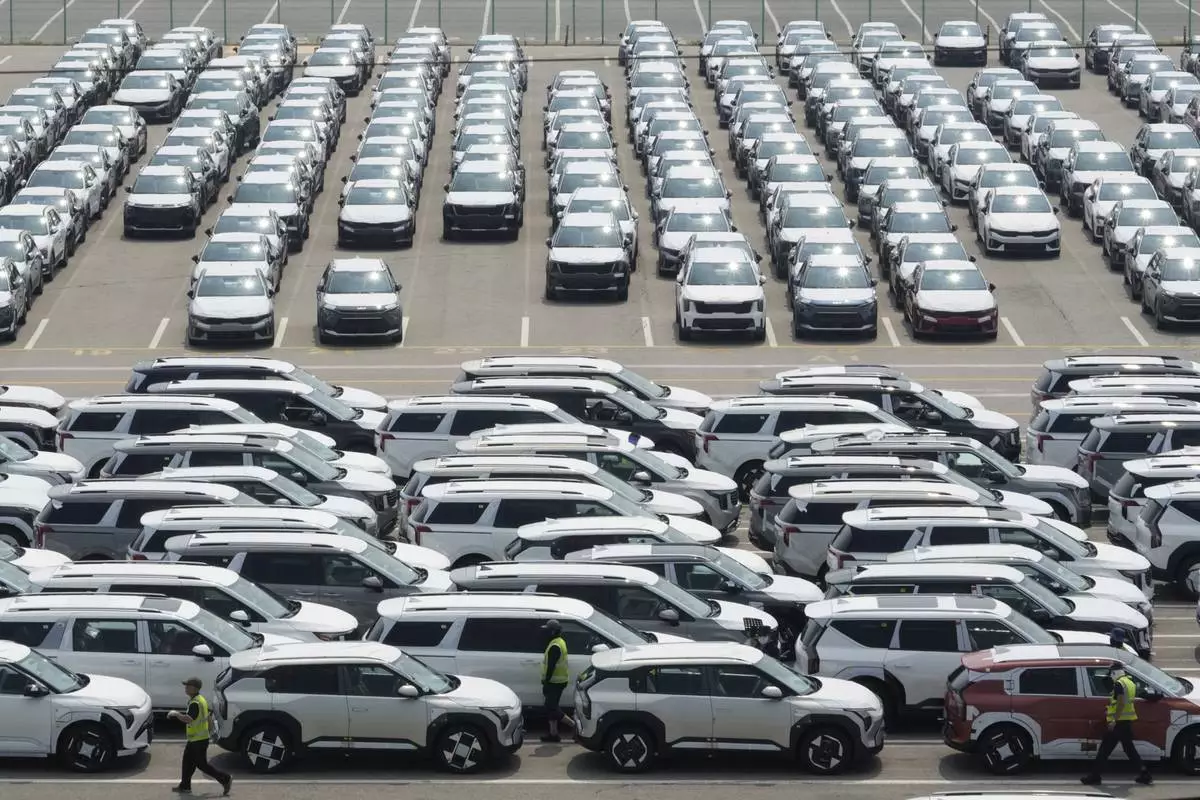
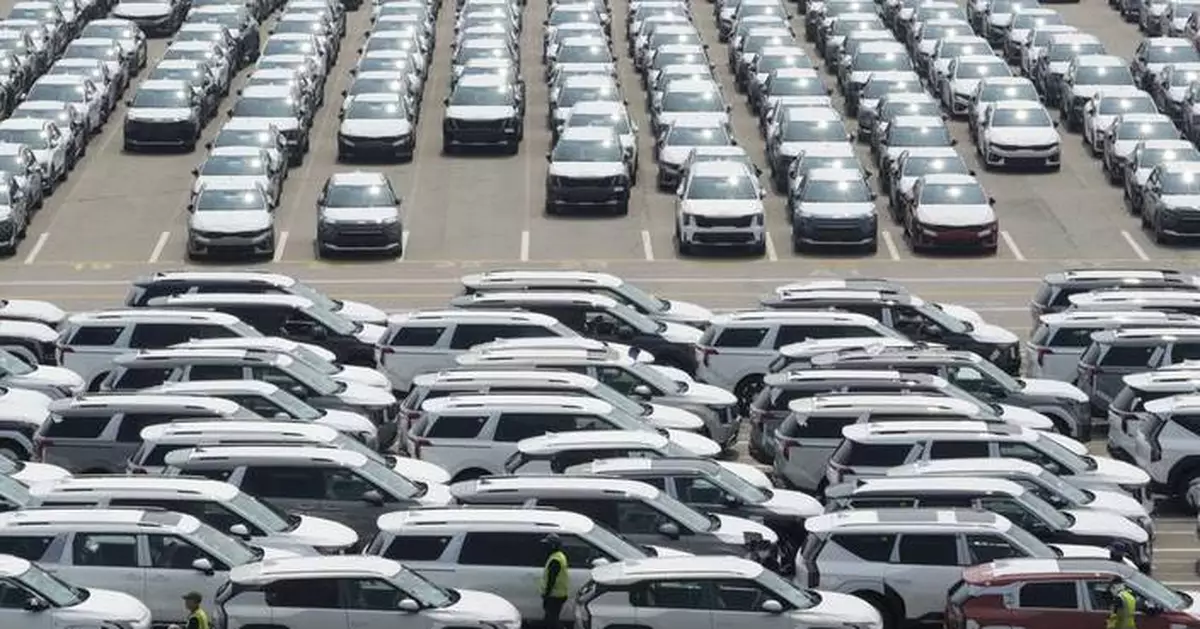
Vehicles for export are parked at a port in Pyeongtaek, South Korea, Tuesday, July 8, 2025. (AP Photo/Ahn Young-joon)