TE WAIPOUNAMU/SOUTH ISLAND, New Zealand--(BUSINESS WIRE)--Jul 8, 2025--
In a historic indigenous-coordinated initiative, the Ngāi Tahu Research Centre has entered into a collaboration with Colossal Biosciences, a Texas-based genetic engineering and de-extinction company, and acclaimed filmmaker Sir Peter Jackson, to work together to resurrect the extinct South Island Giant Moa.
This press release features multimedia. View the full release here: https://www.businesswire.com/news/home/20250708706550/en/
The Ngāi Tahu Research Centre was established in 2011 to support the intellectual growth and development of Ngāi Tahu, the principal iwi (Māori tribe) of the southern region of New Zealand. A multi-disciplinary hub based at the University of Canterbury; the Ngāi Tahu Research Centre will direct all aspects of this project. This extends longstanding Ngāi Tahu involvement with species protection and ecological restoration and builds on the Research Centre’s strong record of international collaboration.
The partners aim to place Māori values, cultural heritage, and ecological knowledge at the center of de-extinction and species preservation efforts, thereby producing a world-leading model of scientific collaboration with indigenous people. In doing so, Ngai Tahu communities and whānau (families) will have opportunities to help guide this project: from laboratory research to conservation planning and implementation.
This ambitious partnership, which integrates mātauranga Māori (traditional knowledge) with advanced genetic engineering to support ecological restoration and revolutionary conservation tools for taonga (treasured) species, signals a new era of indigenous leadership in scientific innovation. Moreover, the technology will be open sourced and available to anyone who wants to use it for conservation purposes at the direction of the Ngāi Tahu Research Centre.
Colossal Biosciences has committed a large investment to New Zealand to build biotechnology within and protect its unique biological heritage, including flora and fauna found nowhere else on Earth. New Zealand is a biodiversity hotspot due to its isolation and natural history, with a high proportion of endemic species. In the partnership, Colossal:
Colossal scientists recently joined Ngāi Tahu archaeologist Kyle Davis on a visit to caves and other sites known to contain significant moa subfossil deposits within the Ngāi Tahu takiwā. Davis remarked, “our earliest ancestors in this place lived alongside moa and our records, both archaeological and oral, contain knowledge about these birds and their environs. We relish the prospect of bringing that into dialogue with Colossal’s cutting-edge science as part of a bold vision for ecological restoration.”
Director of the Ngāi Tahu Research Centre, Professor Mike Stevens similarly notes that moa harvesting was one of the things that transformed tropical East Polynesian explorers into subtropical South Polynesia Māori. “During the fourteenth and fifteenth centuries, moa provided meat for sustenance, and bones and feathers for tools and decoration, especially in Te Waipounamu. And the loss of moa, through over-harvesting and habitat modification, was a salutary lesson as to the New Zealand archipelago’s ‘fragile plenty’.” Stevens further comments that, “we Ngāi Tahu have successfully partnered with the New Zealand government over many decades to protect and enhance endangered species, especially bird species. However, we are particularly excited by this project because of the extent to which it enables us to exercise our rangatiratanga (leadership) and tikanga (customs) and the potential to bring ecological and economic aspirations into a singular frame. We also see huge importance in this technology as we enter the Anthropocene.”
Collaborating scientist Paul Scofield, Senior Curator Natural History at Canterbury Museum, and an Adjunct Professor in the Department of Earth and Environment at the University of Canterbury says, “The gigantic moa were a cornerstone of Aotearoa/New Zealand ecosystems. Colossal Biosciences and the Ngāi Tahu Research Centre are providing New Zealand conservationists with an unprecedented opportunity to recreate lost taonga (treasured) moa species. This Ngāi Tahu Research Centre-led initiative will drive new historical, ecological, and scientific discoveries on the path to recreating moa. The knowledge gained will be beneficial to all of New Zealand, to conservation, and the world.” Scofield has over thirty years of experience in conservation and avian palaeobiology in New Zealand, the Antarctic, Arctic, central Pacific and Caribbean and is one of the leading moa researchers and curator of the largest collection of moa bones in the world.
Ben Lamm, CEO and co-founder of Colossal Biosciences, thanked Peter Jackson for bringing all the parties together and expressed enthusiasm about supporting the initiative: “We are honored to contribute our advanced computational and genetic engineering capabilities under the direction of the Ngāi Tahu Research Centre. This partnership represents a new model where indigenous leadership guides scientific endeavors, recognizing that traditional ecological knowledge and cultural context are essential to responsible de-extinction and species preservation efforts. There is so much knowledge that will be unlocked and shared on the journey to bring back the iconic moa."
“I’m delighted to partner with the Ngāi Tahu Research Centre and Colossal Biosciences on a mission to save some of our most precious taonga. Resources will be put into ensuring some of the most critically endangered species in Aotearoa/New Zealand are protected for future generations,” said Sir Peter Jackson, the acclaimed filmmaker and proud New Zealander who previously invested in Colossal’s de-extinction projects. “With the recent resurrection of the dire wolf, Colossal has also made real the possibility of bringing back lost species. There’s a lot of science still to be done – but we can start looking forward to the day when birds like the moa or the huia are rescued from the darkness of extinction. Exciting times lay ahead! Even the journey will bring incredible insights about the history of this land and enrich discussions as to the potential nature of our future here.”
About the Moa
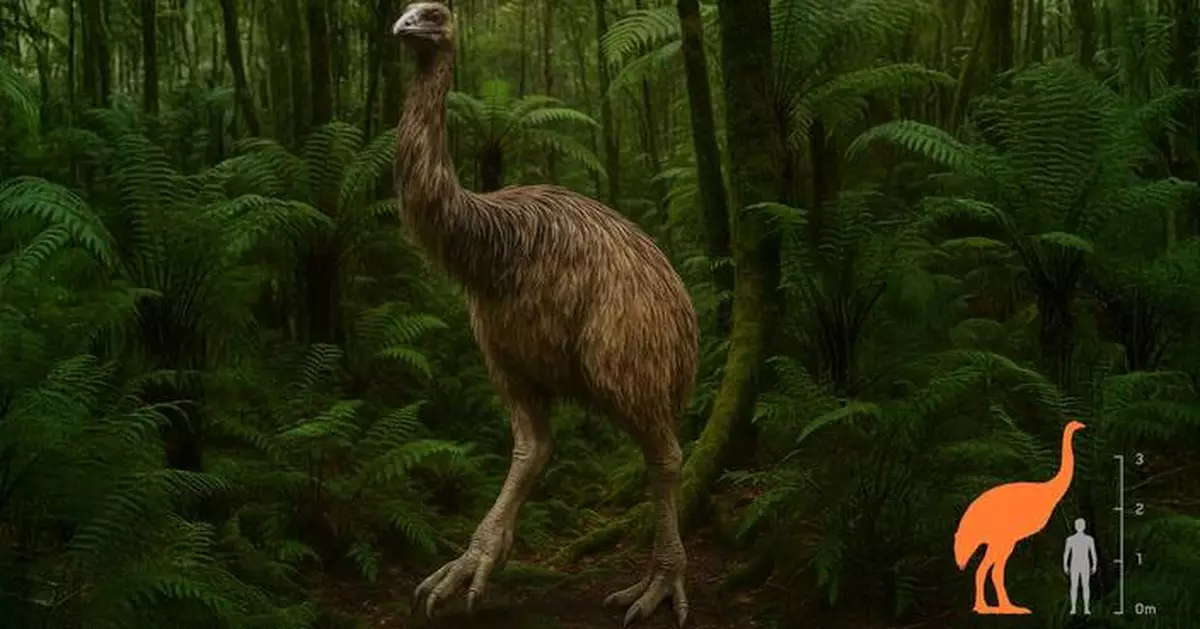
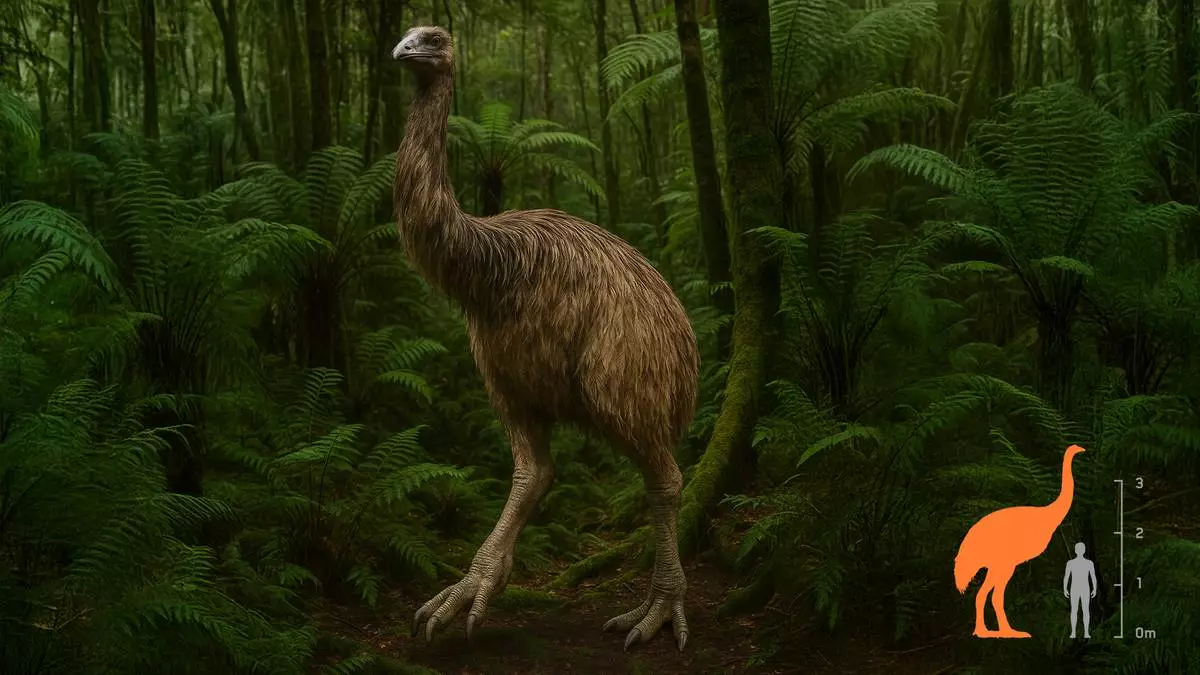
Moa were flightless birds endemic to New Zealand that went extinct approximately 600 years ago, approximately two centuries after Polynesian settlement. These remarkable birds, which consisted of nine distinct species, ranged from turkey-sized species to the South Island Giant Moa ( Dinornis robustus ) which stood up to 3.6 meters tall with neck outstretched and weighed approximately 230 kilograms.
As large herbivores, moa played crucial ecological roles in New Zealand's forests and grasslands for millions of years. Their browsing habits shaped vegetation structure and composition, while their seed dispersal activities influenced plant distribution patterns. The extinction of moa resulted in significant changes to New Zealand's ecosystems, creating cascading effects still evident today.
Recent research has shown that moa populations were stable until human arrival, with extinction occurring within a century of Polynesian settlement, primarily due to hunting and habitat change. This rapid extinction represents one of the most well-documented examples of human impact on megafauna.
“The first time I flew over New Zealand's South Island, I was captivated by the breathtaking landscapes,” said Robert Nelsen, renowned biotechnology investor and Managing Director of ARCH Venture Partners, who has also provided financial support for the project. “I remember hearing incredible stories about the moa – these extraordinary giant birds that once roamed these valleys. My immediate thought was simply, ‘if the Māori people want them back, we should do everything in our power to support their wishes.' It just felt like one of those projects that needed the right collaboration to make happen. I'm excited to support this ambitious scientific endeavor that connects New Zealand’s past with its future.”
The Māori-Directed De-extinction Approach
Dr. Beth Shapiro, Colossal’s Chief Science Officer and renowned evolutionary biologist specializing in ancient DNA, emphasized the scientific and ecological value of the Māori-led approach: “This partnership represents an unprecedented opportunity to combine indigenous ecological knowledge with genomic technology to better understand not just the moa, but the entire ecosystem they inhabited. By studying ancient DNA, we can gain insights into how these keystone species shaped New Zealand's unique biodiversity and apply these lessons to strengthen the resilience of modern ecosystems facing climate change and habitat loss.”
The partnership will follow a deliberate, step-by-step methodology that respects scientific rigor while reflecting Māori values and traditional ecological knowledge. This phased approach begins with expeditions to recover ancient DNA and genomic analysis, followed by gene identification and functional characterization, biological inference from genomic data, and the development of reproductive technologies. Various advancements including deeper comparative genomics across multiple bird families, new PGC culture conditions, interspecies surrogacy, and artificial egg membranes will all advance the next generation conservation toolkits for species preservation of additional taonga (treasured) species. In parallel, the project will incorporate animal husbandry expertise focused on related avian species to better understand developmental requirements and behavioral patterns that would inform any future restoration efforts.
Dr. Anna Keyte, Avian Species Director at Colossal Biosciences, shared her enthusiasm for the collaborative work ahead: “Working with Ngāi Tahu experts to develop technologies that support moa restoration is an incredible scientific opportunity with profound cultural significance. The avian genomics team is particularly excited to apply our expertise in ways that honor Māori values while advancing conservation science. The technologies we develop together on the path to moa de-extinction will have immediate applications for conservation of existing threatened bird species across Aotearoa/New Zealand.”
Educational and Economic Opportunities
Beyond the scientific and ecological dimensions, the Ngāi Tahu Research Centre, along with the Canterbury Museum, both located in Christchurch, New Zealand, are looking to create sustainable economic opportunities to benefit Ngāi Tahu and the wider Te Waipounamu/South Island community. As part of its contribution to the overall project, the Ngāi Tahu Research Centre will explore how best to develop Ngāi Tahu-owned and operated ecotourism ventures and research facilities that showcase Māori leadership in conservation innovation.
The project will also establish educational programs that critically engage with Ngāi Tahu knowledge systems and offer fresh thinking about their relationship with relevant scientific concepts. These programs will ensure that understandings of the moa, and its potential return to the Ngāi Tahu landscape, are grounded in Māori perspectives. These programs will be developed and delivered by Māori researchers and educators, with a view to creating sustainable employment pathways.
For more information, please visit https://colossal.com/moa/.
ABOUT THE NGĀI TAHU RESEARCH CENTRE
Established in 2011, the multi-disciplinary Ngāi Tahu Research Centre will gather relevant cultural and ecological knowledge pertaining to moa, and the landscapes they once roamed, as part of its offering to this partnership. The Centre’s central role in this project will set a new global benchmark for indigenous leadership in scientific innovation and ecological restoration.
ABOUT COLOSSAL BIOSCIENCES
Colossal was founded by emerging technology and software entrepreneur Ben Lamm and world-renowned geneticist and serial biotech entrepreneur George Church, Ph.D., and is the first to apply CRISPR technology for the purposes of species de-extinction. Colossal creates innovative technologies for species restoration, critically endangered species protection and the repopulation of critical ecosystems that support the continuation of life on Earth. Colossal is accepting humanity’s duty to restore Earth to a healthier state, while also solving for the future economies and biological necessities of the human condition through cutting-edge science and technologies. To follow along, please visit: www.colossal.com.
ABOUT CANTERBURY MUSEUM
Canterbury Museum is the largest museum in Te Waipounamu/the South Island of New Zealand. It holds the largest collection of moa remains in the world. The museum's founder, Sir Julius von Haast, was instrumental in building this collection, often exchanging moa bones with overseas museums to acquire other valuable artifacts and specimens. These exchanges, alongside extensive local excavations, made it the pivotal institution for understanding the biology of these gigantic extinct birds.
Website: https://colossal.com/
YouTube: https://www.youtube.com/@itiscolossal
Instagram: https://www.instagram.com/colossal/
Facebook:https://www.facebook.com/itiscolossal
X:https://x.com/colossal
LinkedIn: https://www.linkedin.com/company/itiscolossal/
TikTok: https://www.tiktok.com/@colossal
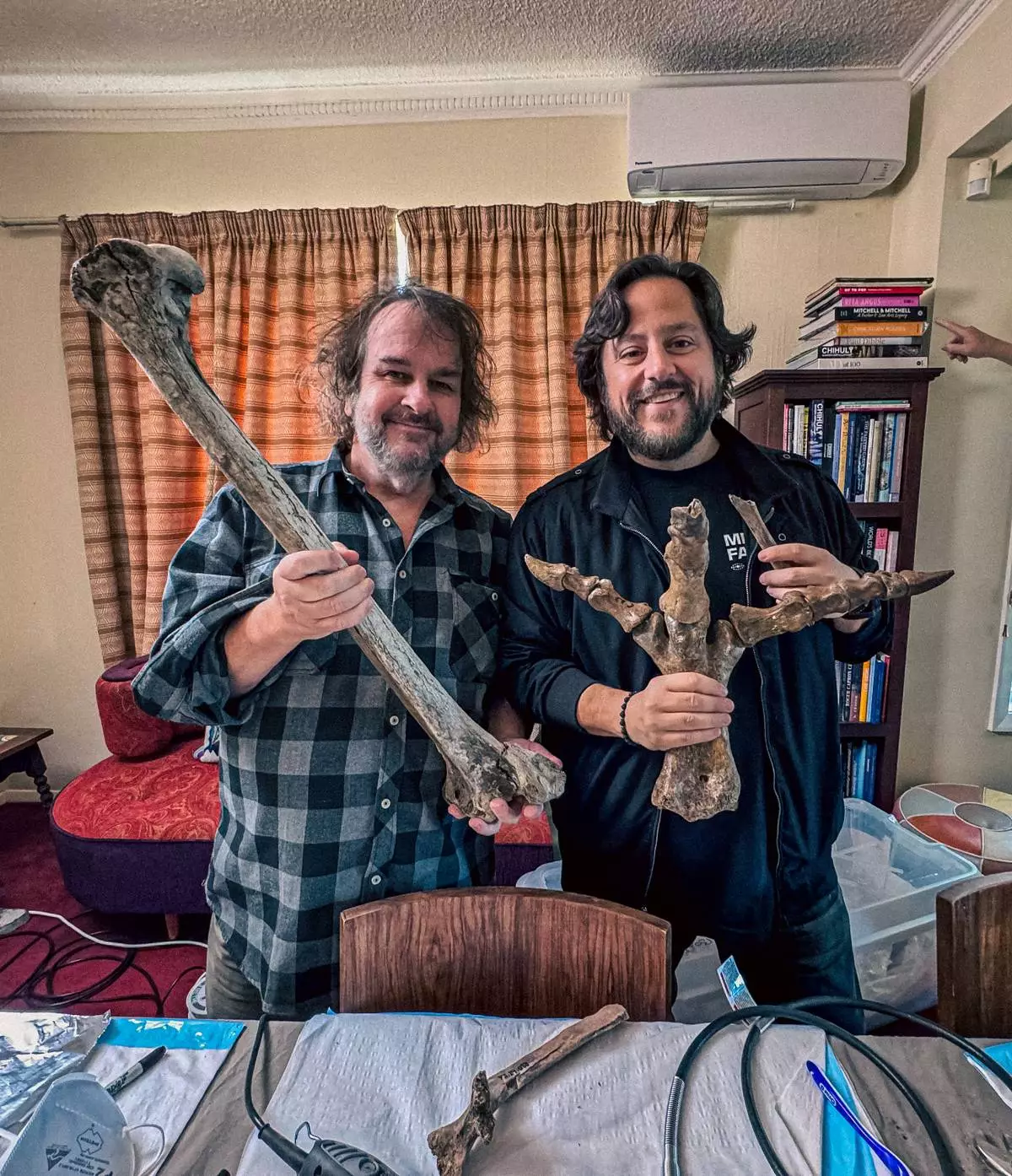
Sir Peter Jackson and Ben Lamm (CEO and Co-Founder of Colossal Biosciences) holding South Island Giant Moa bones.
AI rendering of the South Island Giant Moa