SAN JOSE, Calif.--(BUSINESS WIRE)--Jul 9, 2025--
Cadence (Nasdaq: CDNS) today announced the tapeout of the industry’s first LPDDR6/5X memory IP system solution optimized to operate at 14.4Gbps, up to 50% faster than the previous generation of LPDDR DRAM. The new Cadence ® LPDDR6/5X memory IP system solution is a key enabler for scaling up the AI infrastructure to accommodate the memory bandwidth and capacity demands of next-generation AI LLMs, agentic AI and other compute-heavy workloads for various verticals. Multiple engagements are currently underway with leading AI, high-performance computing (HPC) and data center customers.
This press release features multimedia. View the full release here: https://www.businesswire.com/news/home/20250709175651/en/
The Cadence IP for the JEDEC LPDDR6/5X standard consists of an advanced PHY architecture and a high-performance controller designed to maximize power, performance and area (PPA) while supporting both LPDDR6 and LPDDR5X DRAM protocols for optimal flexibility. The solution supports native integration into traditional monolithic SoCs as well as multi-die system architectures by leveraging the Cadence chiplet framework, enabling heterogeneous chiplet integration. The chiplet framework, including the previous LPDDR generation, was successfully taped out in 2024.
“The evolution of data centers from HPC compute virtualization to AI training and inference at scale has driven a massive buildout of AI infrastructure, and designing for efficient data movement via memory interfaces has never been more crucial. LPDDR6 has emerged as a key enabler of accelerated compute, providing the speed, bandwidth, power profile and capacity needed to efficiently perform AI inference,” said Boyd Phelps, senior vice president and general manager of the Silicon Solutions Group at Cadence. “With this tapeout, Cadence is continuing our track record of memory IP leadership by offering an industry-first LPDDR6 implementation delivered as an integrated subsystem optimized for customer applications.”
The complete PHY and controller memory system boasts a new high-performance, scalable and adaptable architecture based on Cadence’s proven and highly successful DDR5 12.8Gbps, LPDDR5X 10.7Gbps and GDDR7-36G product lines. This first offering in Cadence’s new LPDDR6 IP product line supports the LPDDR6 and LPDDR5X standards, including LPDDR5X CAMM2.
Suitable for the AI, mobile, consumer, enterprise HPC and cloud data center markets, the advanced LPDDR6/5X memory IP system solution allows maximum flexibility for end products with a range of performance, capacity and cost targets—ensuring long production runs. The LPDDR6/5X PHY is customizable for different package and system topologies and available as a drop-in hardened macro. This ensures fast and reliable integration, translating into rapid time to market.
The Cadence LPDDR6/5X controller includes a full set of industry-standard and advanced features for memory interfaces, such as support for the Arm ® AMBA ® AXI bus. The memory controller is provided as a soft RTL macro for maximum flexibility in features, power, area and performance.
The Cadence LPDDR6 solution includes the LPDDR6 Memory Model, which enables engineers to perform comprehensive verification and ensure that system-on-chip (SoC) designs are compatible with the latest JEDEC interface standard, accelerating their adoption of this new technology with confidence. The LPDDR6 Memory Model includes a complete set of protocol checks, functional coverage and a verification plan.
Available now for customer engagements, the new LPDDR6/5X IP is the latest addition to Cadence’s comprehensive family of memory IP system solutions, which also includes DDR, GDDR and HBM. Cadence Memory IP is designed with the company’s industry-leading analog/mixed-signal design tools. When combined with Cadence’s UCIe ™ -based chiplet framework, the new LPDDR6/5X IP and Cadence’s other leading memory and interface IP deliver an optimized solution that enables rapid chiplet realization. For more information on the new LPDDR6/5X IP, please visit the LPDDR landing page on cadence.com.
About Cadence
Cadence is a market leader in AI and digital twins, pioneering the application of computational software to accelerate innovation in the engineering design of silicon to systems. Our design solutions, based on Cadence’s Intelligent System Design ™ strategy, are essential for the world’s leading semiconductor and systems companies to build their next-generation products from chips to full electromechanical systems that serve a wide range of markets, including hyperscale computing, mobile communications, automotive, aerospace, industrial, life sciences and robotics. In 2024, Cadence was recognized by the Wall Street Journal as one of the world’s top 100 best-managed companies. Cadence solutions offer limitless opportunities—learn more at www.cadence.com.
© 2025 Cadence Design Systems, Inc. All rights reserved worldwide. Cadence, the Cadence logo and the other Cadence marks found atwww.cadence.com/go/trademarksare trademarks or registered trademarks of Cadence Design Systems, Inc. Arm and AMBA are registered trademarks of Arm Limited (or its subsidiaries) in the US and/or elsewhere. UCIe is a trademark of UCIe Consortium. All other trademarks are the property of their respective owners.
Category: Featured
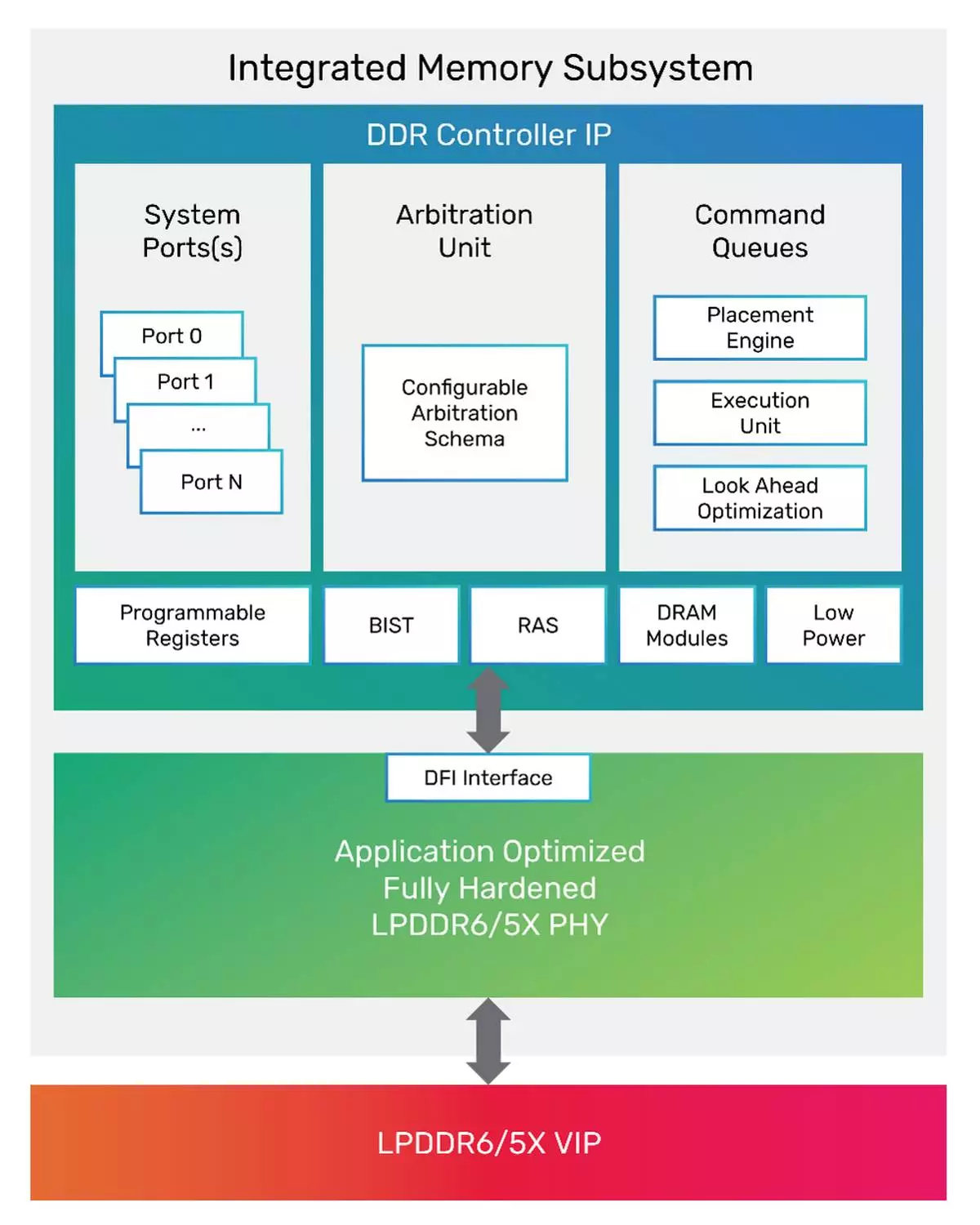
Cadence LPDDR6/5X system solution example
Uvira, CONGO (AP) — A climate of fear reigned Saturday in Uvira, a strategic city in eastern Congo, days after it fell to the Rwanda -backed M23 group, as fighting in the region escalated despite a U.S. mediated peace deal.
The Associated Press gained rare access to the city, which was the Congo government’s last major foothold in South Kivu province after the provincial capital of Bukavu fell to the rebels in February. Its capture allows the rebels to consolidate a broad corridor of influence across the east.
M23 said it took control of Uvira earlier this week, following a rapid offensive launched at the start of the month. Along with the more than 400 people killed, about 200,000 have been displaced, regional officials say.
On Saturday, the situation in Uvira still had not returned to normal. There was absolute silence and no traffic, apart from military jeeps circulating on the empty streets. The banks were closed and people have not resumed their jobs — only a few dared to go out during the day, and no one ventured outside after sunset, with armed M23 fighters patrolling the city.
“Some people left the city, but we stayed," Maria Esther, a 45-year-old mother of 10, told AP. “But the situation hasn’t returned to normal, we haven’t resumed our usual activities because there’s no money circulating.”
Joli Bulambo, another resident of Uvira, said: “People thought that the situation that had happened in Goma with the deaths would be the same here in Uvira, but fortunately, there were not many deaths because God helped."
The rebels’ latest offensive comes despite a U.S.-mediated peace agreement signed last week by the Congolese and Rwandan presidents in Washington.
The United States accused Rwanda of violating the agreement by backing a deadly new rebel offensive in the mineral-rich eastern Congo, and warned that the Trump administration will take action against “spoilers” of the deal.
The accord didn’t include the rebel group, which is negotiating separately with Congo and agreed earlier this year to a ceasefire that both sides accuse the other of violating. However, it obliges Rwanda to halt support for armed groups like M23 and work to end hostilities.
Marco Rubio, U.S. Secretary of State, said on X on Saturday: “Rwanda’s actions in eastern DRC are a clear violation of the Washington Accords signed by President Trump, and the United States will take action to ensure promises made to the President are kept.”
There was no immediate reaction from Rwanda.
The rebels’ advance pushed the conflict to the doorstep of neighboring Burundi, which has maintained troops in eastern Congo for years, heightening fears of a broader regional spillover.
More than 100 armed groups are vying for a foothold in mineral-rich eastern Congo, near the border with Rwanda, most prominently M23. The conflict has created one of the world’s most significant humanitarian crises, with more than 7 million people displaced, according to the U.N. agency for refugees.
Local U.N. partners report that more than 200,000 people have been displaced across the province since Dec. 2. Civilians also have crossed into Burundi, and there have been reports of shells falling in the town of Rugombo, on the Burundian side of the border, raising concerns about the conflict spilling over into Burundian territory.
Congo, the U.S. and U.N. experts accuse Rwanda of backing M23, which has grown from hundreds of members in 2021 to around 6,500 fighters, according to the U.N.
Congo’s Foreign Minister Thérèse Kayikwamba Wagner on Friday accused Rwanda of trampling on the peace agreement, which she described as bringing “hope of a historic turning point.”
She warned, however, that the “entire process … is at stake,” and urged the Security Council to impose sanctions against military and political leaders responsible for the attacks, ban mineral exports from Rwanda and prohibit it from contributing troops to U.N. peacekeeping missions.
“Rwanda continues to benefit, especially financially but also in terms of reputation, from its status as a troop-contributing country to peacekeeping missions,” Wagner told AP.
Bertrand Bisimwa, deputy coordinator of the AFC/M23 rebel movement told AP in an exclusive interview Friday that peace commitments have remained largely theoretical. “Regardless of the ceasefire agreements we sign and the mutual commitments we make, nothing is implemented on the ground,” he said.
Asked about the expansion of M23 operations toward the Uvira region, Bisimwa said the region was a long-standing hot spot of ethnic tensions and violence. “For a long time, people were attacked and killed because of their community affiliation,” he said.
On Friday, Rwanda’s Foreign Minister Olivier Nduhungirehe told diplomats that Congo had declared it would continue fighting in M23 recaptured territories and it was only after M23 retaliated that the international community “suddenly woke up.”
“The DRC has openly declared that it would not observe any ceasefire and would instead continue fighting to recapture territories held by the AFC/M23, even as the peace process unfolded," he said.
While Rwanda denies the claim that it backs M23, it acknowledged last year that it has troops and missile systems in eastern Congo, allegedly to safeguard its security. U.N. experts estimate there are up to 4,000 Rwandan forces in Congo.
Associated Press writers Ruth Alonga in Goma, Congo, and Evelyne Musambi in Nairobi, Kenya, contributed to this report.
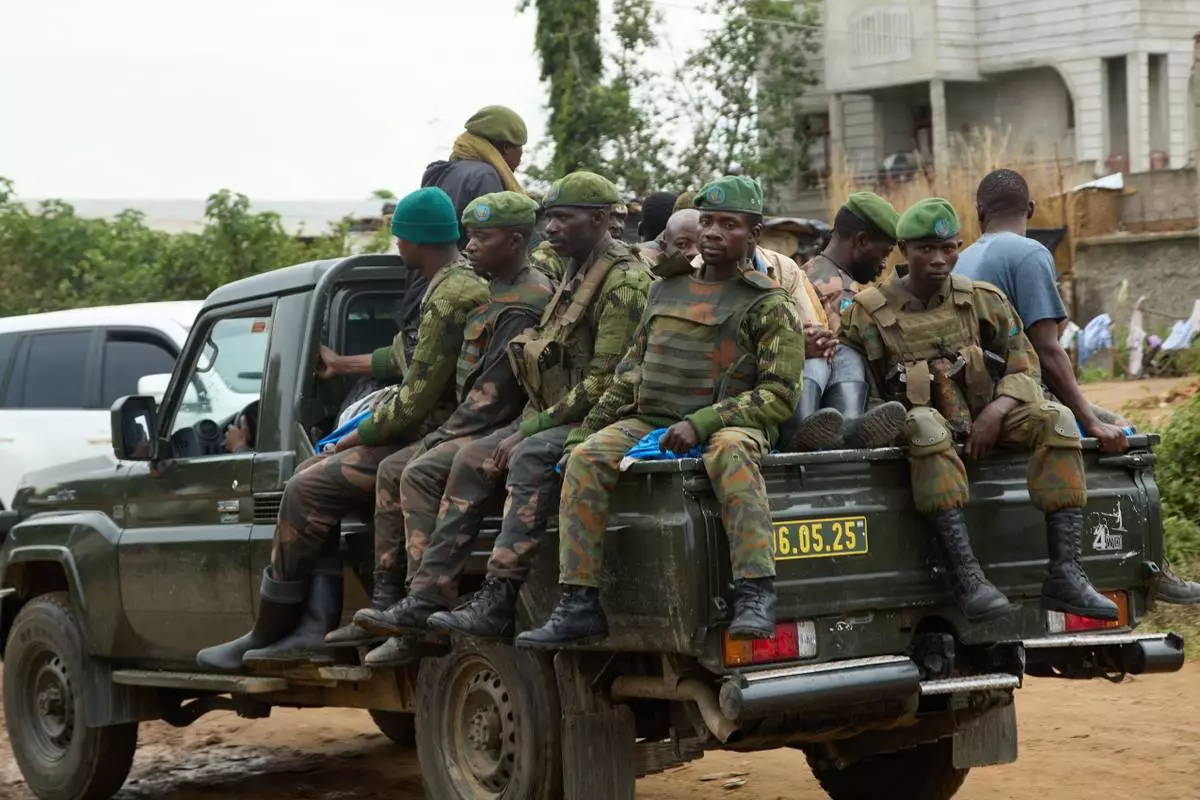
Soldiers patrol as thousands of people fleeing fighting in Congo's South Kivu province arrive in Cibitoke, Kansega, Burundi, Thursday, Dec. 11, 2025. (AP Photo/Berthier Mugiraneza)
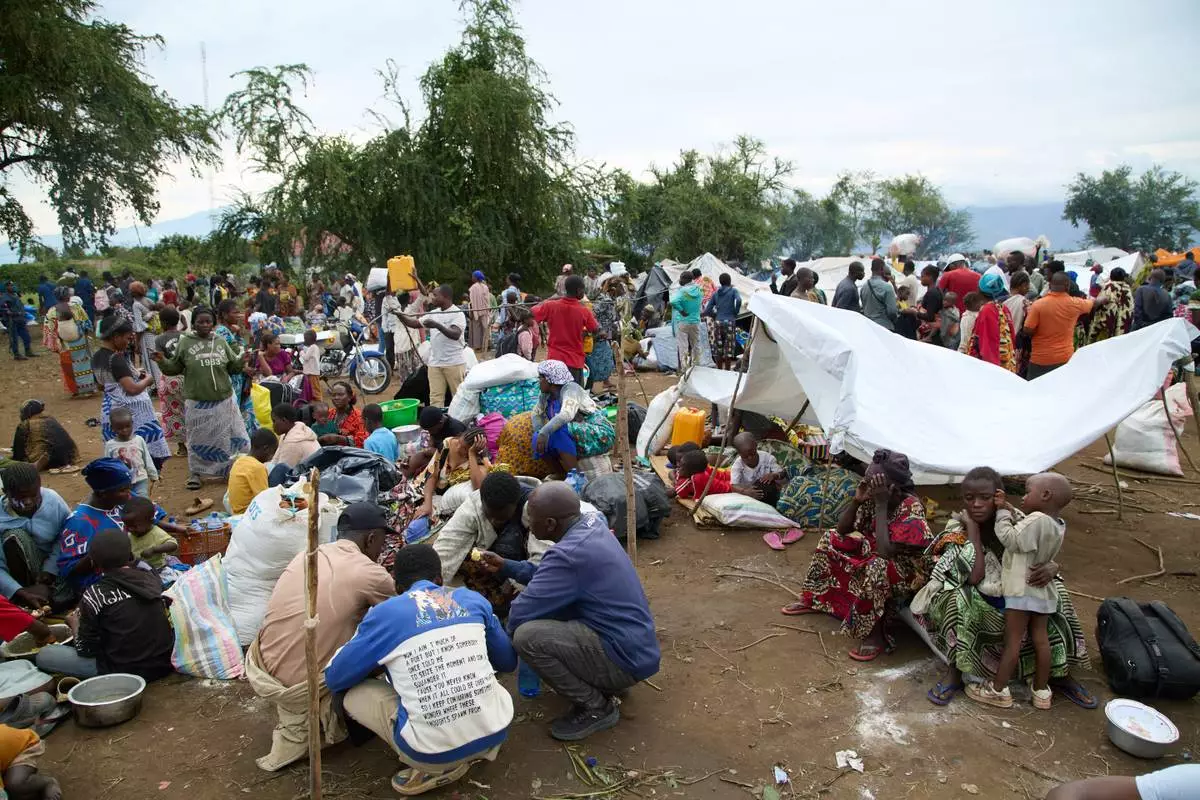
Internally displaced people (IDPs) fleeing fighting in Congo's South Kivu province arrive in Cibitoke, Kansega, Burundi, Thursday, Dec. 11, 2025. (AP Photo/Berthier Mugiraneza)

Internally displaced people (IDPs) who fled fighting in Congo's South Kivu province prepare a meal in Cibitoke, Kansega, Burundi, Thursday, Dec. 11, 2025. (AP Photo/Berthier Mugiraneza)
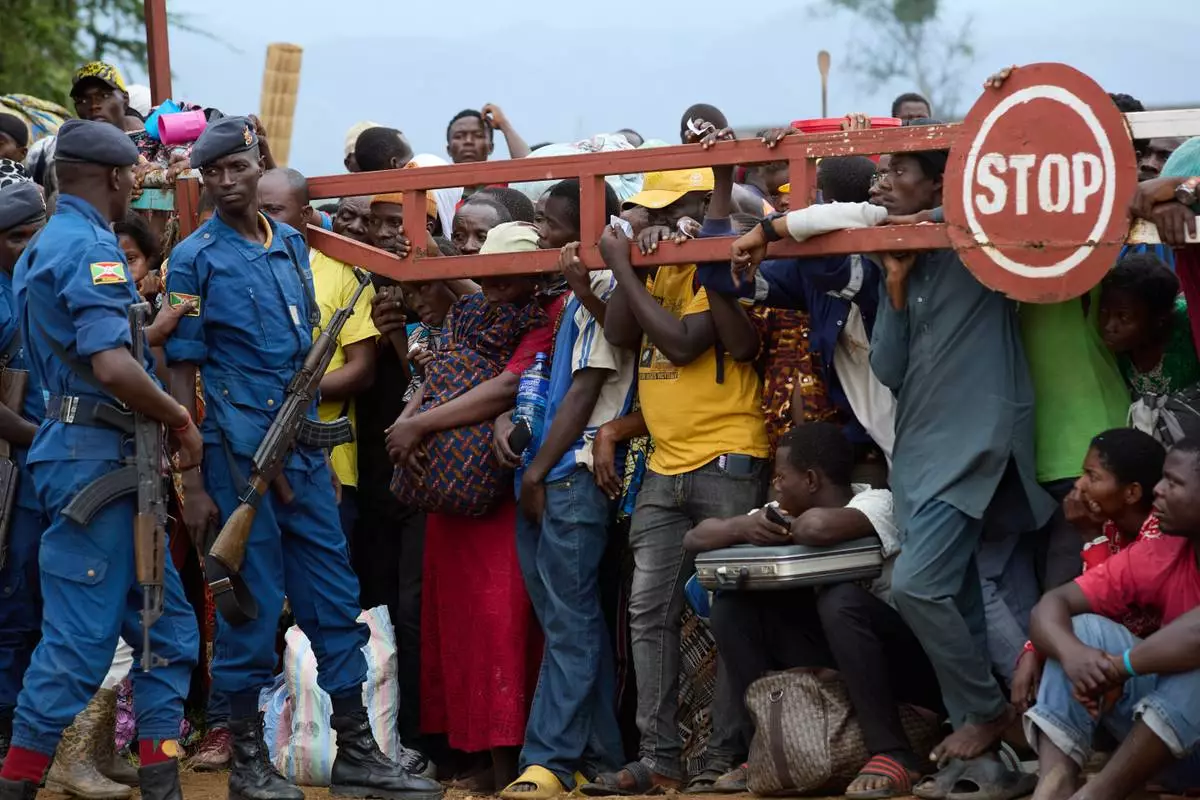
Internally displaced people (IDPs) fleeing fighting in Congo's South Kivu province arrive in Cibitoke, Kansega, Burundi, Thursday, Dec. 11, 2025. (AP Photo/Berthier Mugiraneza)
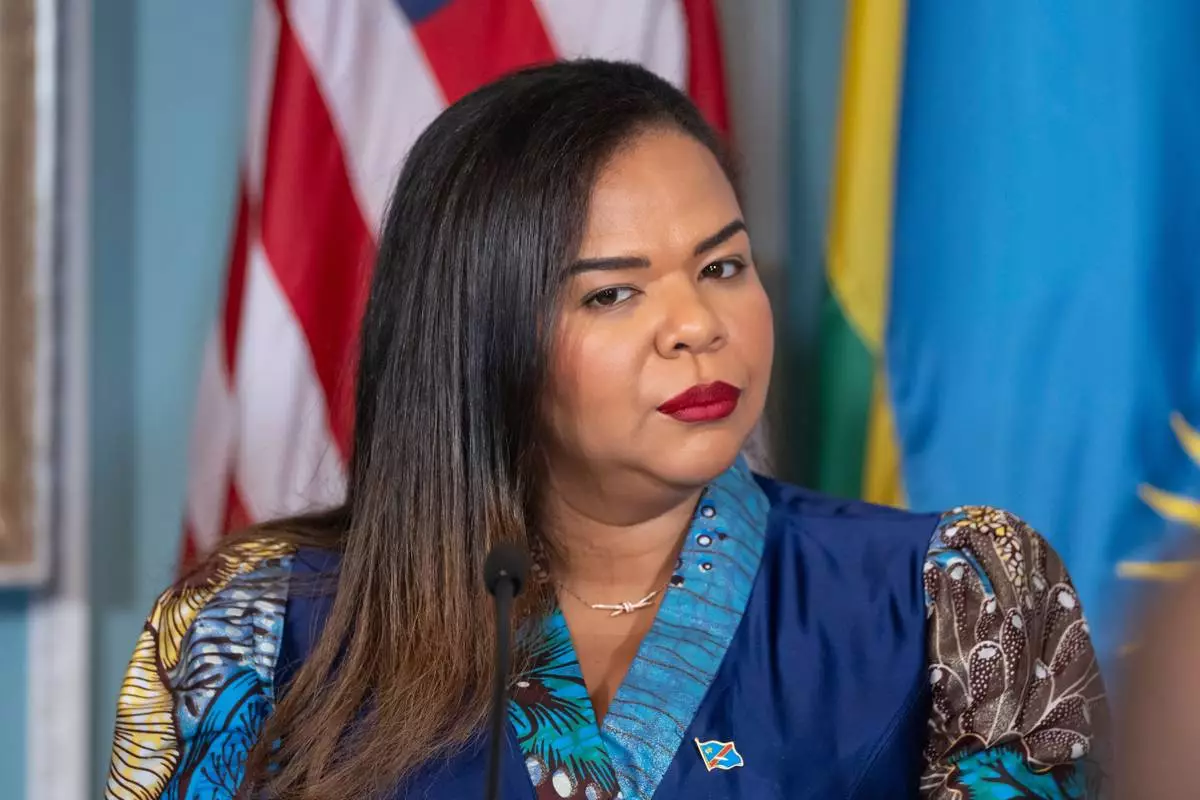
FILE - Democratic Republic of the Congo's Foreign Minister Therese Kayikwamba Wagner attends a signing ceremony for a peace agreement between Rwanda and the Democratic Republic of the Congo at the State Departmentin Washington, June 27, 2025. (AP Pho to/Mark Schiefelbein, File)