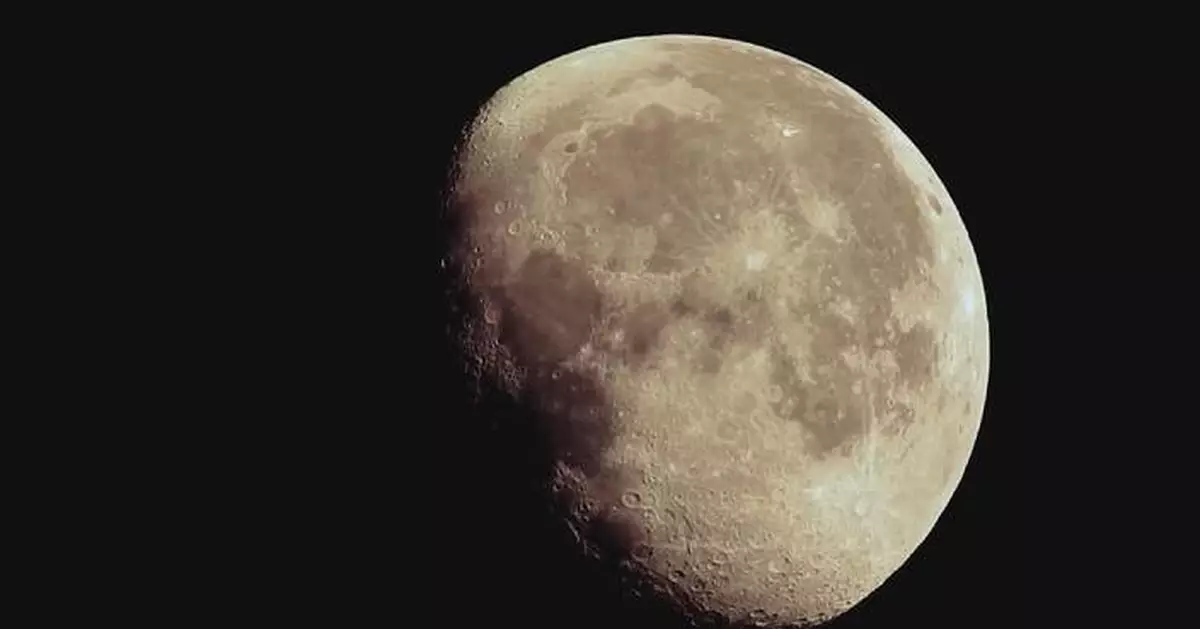
A series of research findings by Chinese scientists on the samples collected by the Chang'e-6 mission from the moon's far side were released on Wednesday in Beijing at a press conference hosted by the Chinese Academy of Sciences (CAS), shedding the first light on the evolutionary history of the moon's dark side.
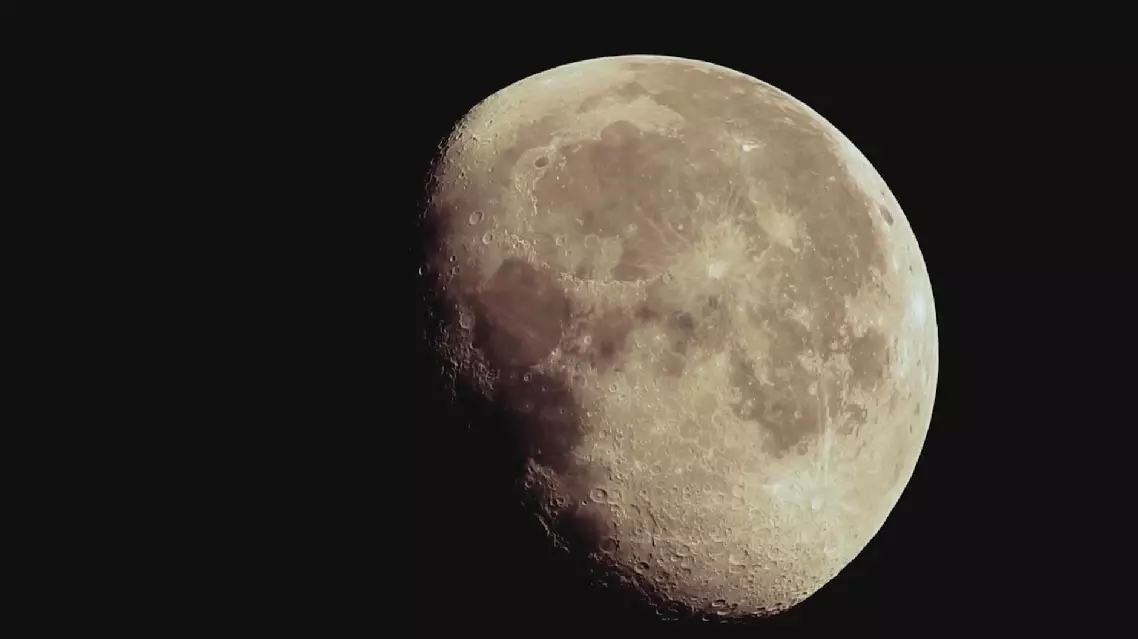
In 2024, Chang'e-6 made history by bringing 1,935.3 grams of lunar far-side samples back to Earth. These samples were collected from the South Pole-Aitken (SPA) Basin, the largest, deepest and oldest basin on the moon, providing a rare opportunity to clarify the compositional differences between the near and far sides of the moon.
They found the evidence of volcanic activity on the moon's far side approximately 4.2 billion and 2.8 billion years ago, indicating such activity had persisted for at least 1.4 billion years.
For the first time, scientists obtained the ancient magnetic field information from the far side of the moon, revealing a possible rebound in the moon's magnetic field intensity around 2.8 billion years ago. This discovery indicates the presence of fluctuations in the driven power of the lunar dynamo.
Scientists have found that the water content in the lunar far-side mantle is significantly lower than that of the near side, indicating a significant difference in water distribution between the two hemispheres.
The researchers have also found for the first time that the mantle source of basalt from the SPA basin is extremely depleted in incompatible elements, underscoring the profound influence of large impacts on the evolution of the moon's deep interior.
Scientists said the SPA Basin is one of the moon's three major tectonic units, measuring approximately 2,500 kilometers in diameter. The energy from the impact that formed this crater is estimated to be 1 trillion times greater than that of an atomic bomb explosion.
Experts also said the exact influence of such a massive collision on the moon's evolution has remained an unsolved mystery.
The four papers published in Nature systematically reveal, for the first time, the effects of this colossal impact, which is the core highlight of these findings.
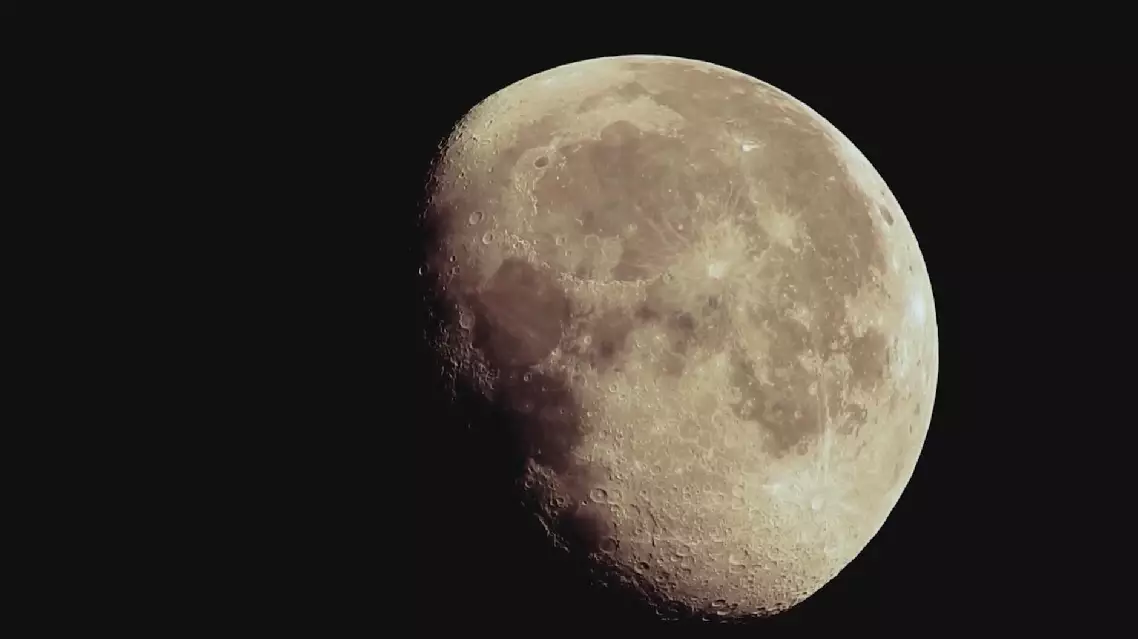
China's Chang'e-6 sheds first light on evolution history of moon's far side
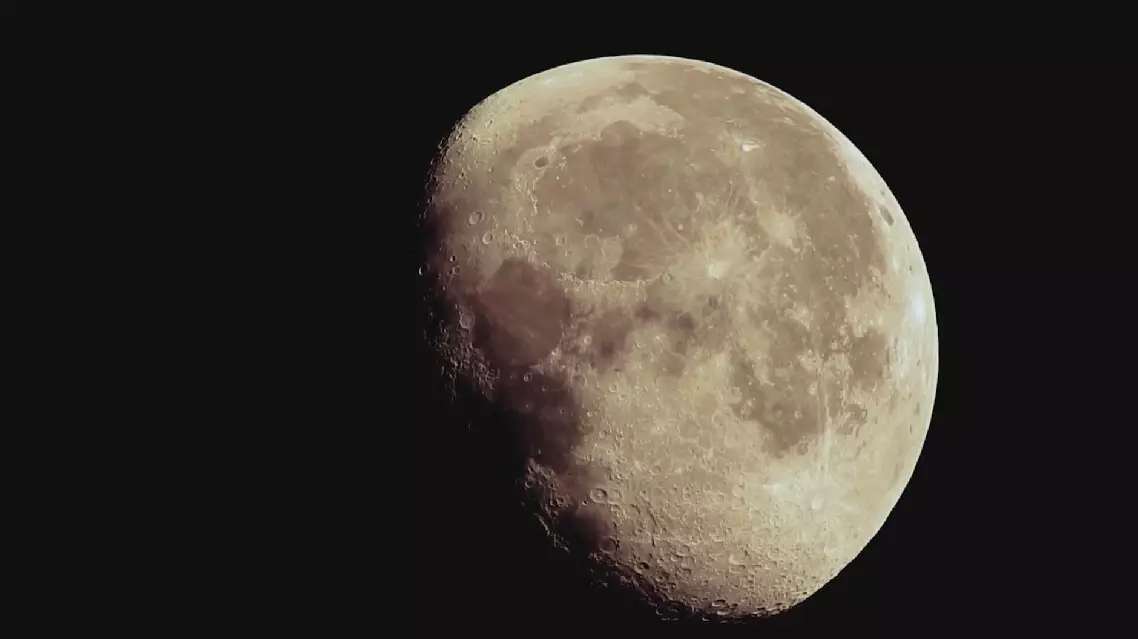
China's Chang'e-6 sheds first light on evolution history of moon's far side
China's Chang'e-6 sheds first light on evolution history of moon's far side