Skip to Content Facebook Feature Image

PharmaJet® Enters into MOU Agreement with Egyptian UPA and EVA Pharma to provide Needle-Free Delivery for Routine Immunization in Egypt

News

PharmaJet® Enters into MOU Agreement with Egyptian UPA and EVA Pharma to provide Needle-Free Delivery for Routine Immunization in Egypt
News

News

PharmaJet® Enters into MOU Agreement with Egyptian UPA and EVA Pharma to provide Needle-Free Delivery for Routine Immunization in Egypt

2025-07-10 14:00 Last Updated At:14:10

GOLDEN, Colo. & CAIRO--(BUSINESS WIRE)--Jul 10, 2025--

PharmaJet®, a company that strives to improve the performance and outcomes of injectables with its enabling needle-free injection technology, today announced that it has signed a Memorandum of Understanding (MOU) agreement with the Egyptian Unified Procurement Authority (UPA) and EVA Pharma, one of the leading pharmaceutical companies driving healthcare innovation and access across the Middle East and Africa, to explore the integration of needle-free delivery of inactivated polio vaccine into Egypt’s routine immunization program. The signing event took place in Cairo at the African Health ExCon healthcare conference on June 26. The agreement includes provisions for distribution, technology transfer, manufacturing, and new pharmaceutical product development, as well as collaborating to increase needle-free access within Egypt and regionally.

This press release features multimedia. View the full release here: https://www.businesswire.com/news/home/20250709513961/en/

The UPA seeks to incorporate new technologies into its portfolio, aiming to expand the benefits of vaccination against certain infectious agents, improve pandemic preparedness, reduce total immunization costs, and improve foreign exchange rates. Tropis ® Needle-free adoption offers several strategic advantages for Egypt including substantial immunization cost savings of 38% or more over six years 1, reduced vaccine hesitancy 2,3, increased coverage 2, and the potential for medical technology localization.

EVA Pharma is a leading pharmaceuticals and medical appliances manufacturing company that has vast experience in manufacturing, registering, marketing, and promoting pharmaceutical products. “This collaboration can transform immunization by making it safer, more accessible, and less painful for children and caregivers,” said Nicolas Boege, Director of Global Commercial & Corporate Development at EVA Pharma. “By introducing this technology, alongside localized technology transfer and manufacturing, EVA Pharma is committed to scaling innovation that strengthens public health systems. We are proud to collaborate with UPA and PharmaJet to localize needle-free delivery and accelerate its integration into Egypt’s immunization programs and beyond.”

The adoption and introduction of Tropis with concurrent manufacturing technology transfer has the potential to advance UPA’s goal of becoming the leader of immunization excellence and a hub of needle-free product manufacturing for the Middle East and Northern Africa. The current initiative will enhance pandemic preparedness, reduce immunization costs, and support Egypt’s Universal Health Insurance project. It also emphasizes the critical importance of the first 1,000 days in a child’s life, building on the earlier efforts of the '1000 Golden Days' presidential initiative.

“This collaboration with UPA and EVA Pharma has the potential to enable the children of Egypt to gain from the benefits of intradermal (ID) delivery with reduced pain and administration time. The UPA would benefit through cost savings and novel pharma product development and manufacturing opportunities with needle-free delivery, and we would be thrilled to expand PharmaJet’s commercial applications into Egypt and regionally. It’s a win-win all around,” said Paul LaBarre, Vice President of Business Development for PharmaJet. “We look forward to contributing to early childhood development in this region by increasing the positive impact of needle-free immunization.”

Tropis ID has been widely used for inactivated polio vaccine delivery in campaigns and supplemental immunization activities. It has been rigorously evaluated in a routine immunization setting in two recently published studies that showed greater than 94% acceptability amongst healthcare workers and caregivers 3, reduced administration time 3, and greater than 50% reduction in immunization adverse events compared with intradermal delivery with a needle 4.

Refer to Instructions for Use to ensure safe injections and to review risks.

1 Data on file
2 Soonawala, D et al, Intradermal fractional booster dose of inactivated poliomyelitis vaccine with a jet injector in healthy adults, Vaccine, Volume 31, Issue 36, 12 August 2013, Pages 3688-3694
3 Mohan, D et al, Evaluating the impact of needle-free delivery of inactivated polio vaccine on Nigeria’s routine immunization program: An implementation hybrid trial, Vaccines,16 May 2025, 13(5), p.533
4 Resik, S et al, Tropis needle-free injector for fractional-dose IPV administration: A pilot study for integration into routine immunization services in Cuba. Vaccine, Volume 52 (2025), 126903

About PharmaJet

The PharmaJet mission is to improve the performance and outcomes of injectables with our enabling technology that better activates the immune system. We are committed to helping our partners realize their research and commercialization goals while making an impact on public health. PharmaJet Precision Delivery Systems™ can improve vaccine effectiveness, allow for a preferred patient and caregiver experience, and offer a proven path to commercialization. They are also safe, fast, and easy-to-use. Tropis ® ID has CE Mark and WHO PQS certification for intradermal injections and is commercially available for global immunization programs. For more information or if you are interested in partnering with PharmaJet visit https://www.pharmajet.com or contact PharmaJet here. Follow us on LinkedIn.

About The Egyptian Unified Procurement Authority (UPA)

The Egyptian Unified Procurement Authority (UPA) is a government entity established to streamline and enhance the procurement of medical supplies, pharmaceuticals, and healthcare technologies in Egypt. Its primary goal is to improve the efficiency and effectiveness of the healthcare sector by ensuring timely and cost-effective acquisition of necessary resources. The UPA is a key component of Egypt's 2030 Vision for universal health coverage.

About EVA Pharma

EVA Pharma is dedicated to improving access to affordable, high-quality medicines around the world, focusing on three core pillars: innovation, development and sustainable access. The company leverages cutting-edge technology at two research centers bringing first-of-its-kind capabilities to the Middle East and Africa including mRNA research and development from AI prediction to biologic products. With a 5,000-strong team of professionals, EVA Pharma produces more than one million healthcare products a day at four state-of-the-art manufacturing facilities, which are internationally recognized for innovation, and have been approved by multiple regulatory agencies. Guided by a relentless drive to ensure sustainable access to pressing yet unmet disease areas, the company’s product portfolio focuses on twelve therapeutic areas: Anti-infectives, metabolic health, bone, neuroscience, oncology, respiratory, gynecology, urology and andrology, pediatrics, ophthalmology, gastrointestinal tract, family medicine to meet both local and international demand. EVA Pharma is one of the fastest-growing healthcare companies in the Middle East and Africa, with an extensive pan-African presence, while operating in more than 70 countries worldwide. For more information, please visit: https://www.evapharma.com/en.
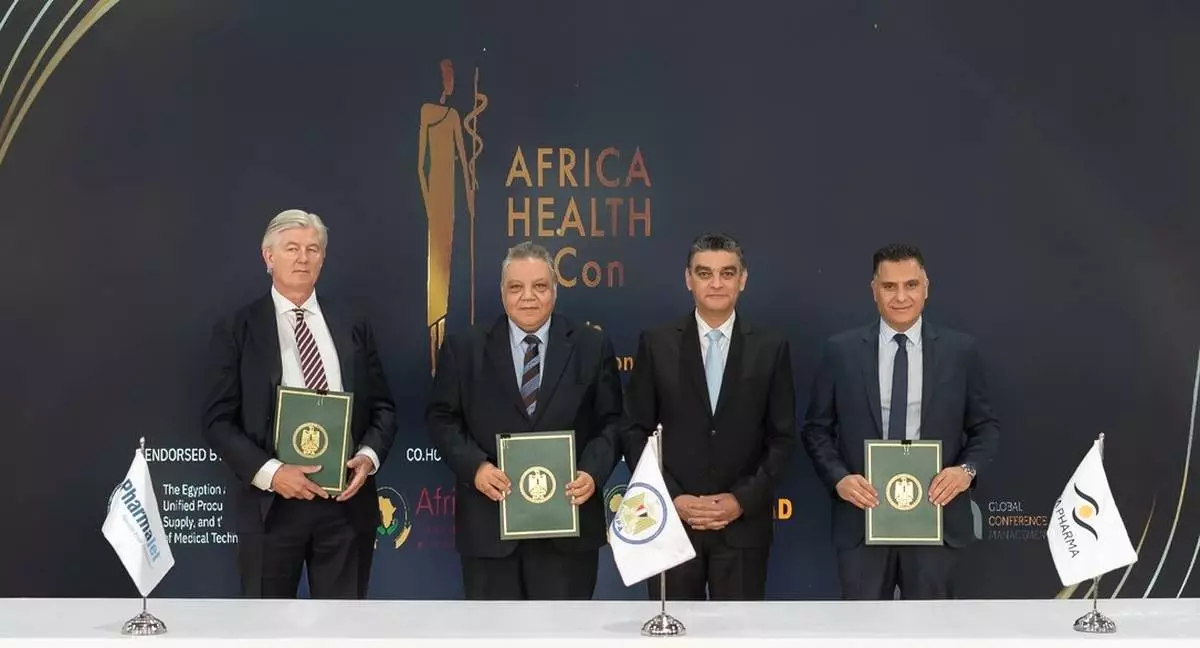
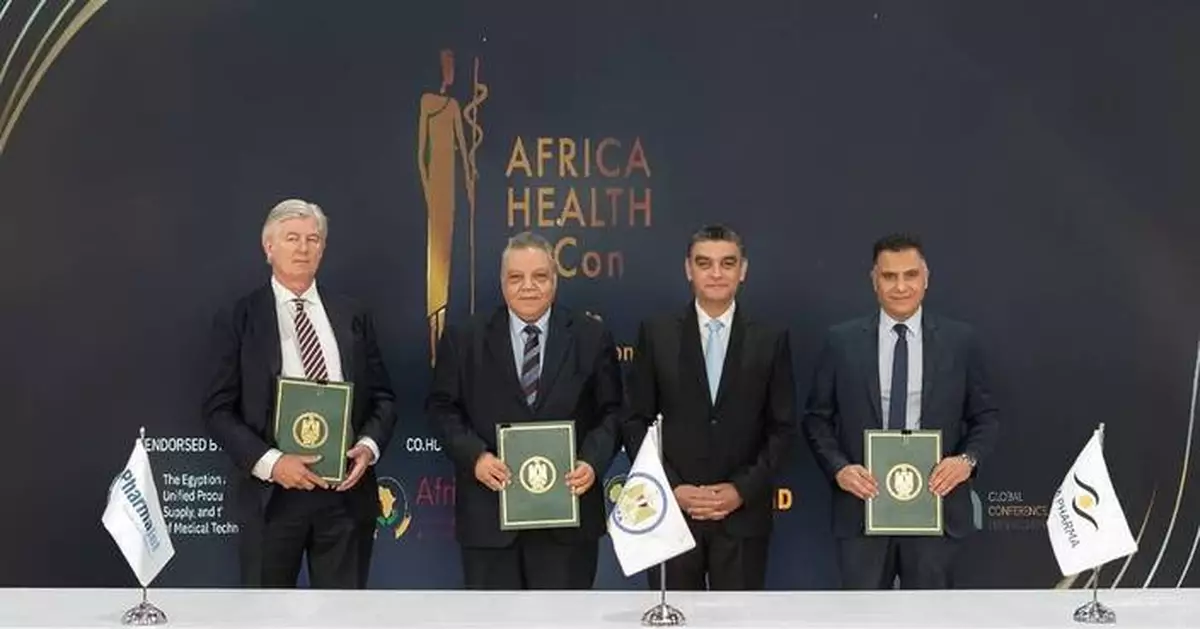
Following signing of the MOU agreement, signers pose for a photo (from right to left) : Dr. Ahmed Sharabeya, Global Marketing and Business Excellence Head for EVA Pharma, H.E. Dr. Hisham Stait, Chairman, Egyptian Unified Procurement Authority, Dr. Mahmoud Amr Abdel Hamid Gad, Deputy Head of Egyptian Unified Procurement Authority, and Dr. Wouter Latour, Chief Executive Officer, PharmaJet.
Following signing of the MOU agreement, signers pose for a photo (from right to left) : Dr. Ahmed Sharabeya, Global Marketing and Business Excellence Head for EVA Pharma, H.E. Dr. Hisham Stait, Chairman, Egyptian Unified Procurement Authority, Dr. Mahmoud Amr Abdel Hamid Gad, Deputy Head of Egyptian Unified Procurement Authority, and Dr. Wouter Latour, Chief Executive Officer, PharmaJet.
NUUK, Greenland (AP) — U.S. President Donald Trump has made an American takeover of Greenland a focus of his second term in the White House, calling it a national security priority while repeating false claims about the strategic Arctic island.

In recent comments, he has floated using military force as an option to take control of Greenland. He has said if the U.S. does not acquire the island, which is a self-governing territory of NATO ally Denmark, then it will fall into Chinese or Russian hands.

Here’s a closer look at the facts.

TRUMP, discussing the security situation in the Arctic: “We need that because if you take a look outside of Greenland right now, there are Russian destroyers, there are Chinese destroyers and, bigger, there are Russian submarines all over the place. We’re not gonna have Russia or China occupy Greenland, and that’s what they’re going to do if we don’t."

THE FACTS: Experts have repeatedly rebuffed Trump's claims of Chinese and Russian military forces lurking off Greenland's coastline. Experts say Russia instead operates in the Barents Sea, off the Scandinavian coast, and both China and Russia have a presence in the Bering Sea south of Alaska.

“That statement makes no sense in terms of facts,” said Andreas Østhagen, research director for Arctic and ocean politics at the Fridtjof Nansen Institute in Oslo, Norway. “There are no Russian and Chinese ships all over the place around Greenland. Russia and/or China has no capacity to occupy Greenland or to take control over Greenland.”

“The only Chinese I see is when I go to the fast food market,” Lars Vintner, a heating engineer told The Associated Press in Greenland's capital Nuuk. He said he frequently goes sailing and hunting and has never seen Russian or Chinese ships. Another Greenlander, Hans Nørgaard, told AP that Trump's claims are “fantasy.”

Lin Mortensgaard, an expert on the international politics of the Arctic at the Danish Institute for International Studies, said that while there are probably Russian submarines — as there are across the vast Arctic region — near Greenland, there are no surface vessels.

China has research vessels in the Central Arctic Ocean, and while the Chinese and Russian militaries have done joint exercises in the Arctic, they have taken place closer to Alaska, she said.

Asked about Trump’s claim that there are multiple Chinese and Russian ships and submarines around the island, Greenland business minister Naaja Nathanielsen responded Tuesday: "Not that we are aware of."

While Russia and China have an interest in the Arctic, “we don’t detect an actual threat," she said.

“America is still recognized as quite a big superpower,” Nathanielsen added, “and I don’t see any appetite from Russia or China to destabilize this.”

__

TRUMP, discussing Denmark's defenses in Greenland: "You know what their defense is? Two dog sleds."

THE FACTS: The Sirius Dog Sled Patrol, an elite Danish naval unit that conducts long-range reconnaissance and enforces Danish sovereignty in the Arctic wilderness, is stationed in Greenland.

It's a key part of the Danish military infrastructure in the inhospitable Arctic terrain, experts say.

“Remember, transportation of the area is either by sea or by air. There are no highways,” said Steven Lamy, an international relations professor and Arctic security expert at the University of Southern California. “You can't basically get in a car or a Bradley vehicle or tank or anything and go up there. So they have dog sleds.”

In addition to these special elite forces, Denmark has several surface patrol ships and surveillance aircraft and the kingdom is moving to further strengthen its military presence around Greenland and in the wider North Atlantic. Last year, the government announced a roughly 14.6 billion-kroner ($2.3 billion) agreement with parties including the governments of Greenland and the Faroe Islands, another self-governing territory of Denmark, to “improve capabilities for surveillance and maintaining sovereignty in the region.”

The plan includes three new Arctic naval vessels, two additional long-range surveillance drones and satellite capacity.

Meanwhile, Denmark’s Joint Arctic Command is headquartered in Nuuk, the capital, and tasked with the “surveillance, assertion of sovereignty and military defense of Greenland and the Faroe Islands,” according to its website. It has smaller satellite stations across the island. Greenland also guards part of what is known as the GIUK (Greenland, Iceland, United Kingdom) Gap, where NATO monitors Russian naval movements in the North Atlantic.

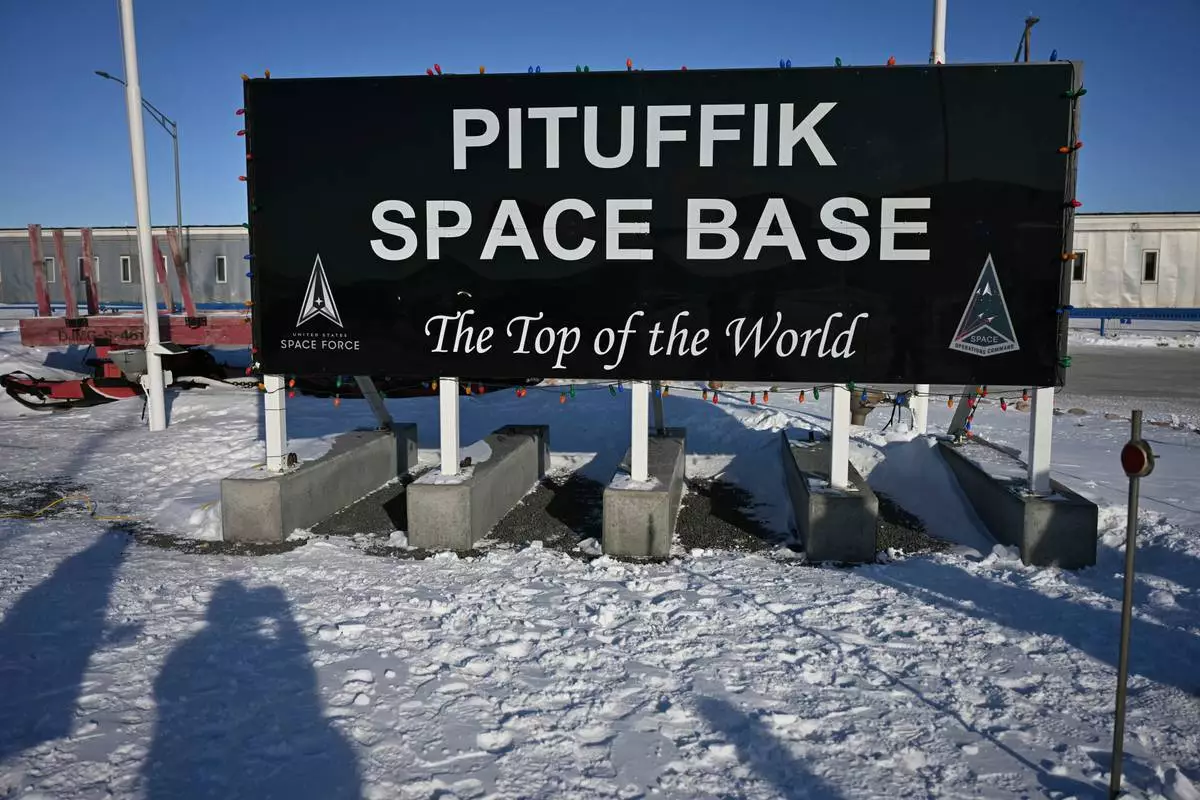
The U.S. Department of Defense also operates the remote Pituffik Space Base in northwestern Greenland, which was built after the U.S. and Denmark signed the Defense of Greenland Treaty in 1951. It supports missile warning, missile defense and space surveillance operations for the U.S. and NATO.

__

TRUMP, discussing why Greenland is part of the Danish kingdom: “The fact that they had a boat land there 500 years ago doesn’t mean that they own the land. I’m sure we had lots of boats go there also.”

THE FACTS: The first humans arrived in northern Greenland circa 2,500 B.C., traveling from what is now Canada after the narrow strait separating the island from North America froze over. The Norse explorer Erik the Red arrived circa A.D. 985 with a fleet of Viking ships, according to the medieval Icelandic sagas.

In 1721, Lutheran missionary Hans Egede arrived in Greenland and ultimately began efforts to convert the Indigenous people to Christianity, marking the start of Denmark’s modern colonization of Greenland, which formally became a Danish colony in 1814. The U.S. government recognized Denmark’s right to the whole of Greenland more than a century later.

“It’s the same logic about the U.S. and sovereignty, right? You have a couple of boats arriving from Europe and now you own the United States of America,” said Østhagen, of the Fridtjof Nansen Institute. “The Indigenous population was there before you guys."

In 2009, Greenland became a self-governing country within the Danish kingdom. The island has a right to independence when requested by local voters.

International law has developed over the centuries, pivoting from land-grabbing colonial powers to modern-day treaties honoring borders largely developed after World War II.

Ulrik Pram Gad, a senior researcher and Arctic security expert at the Danish Institute for International Studies, said postwar it has remained important, especially to the U.S., for countries to refrain from exerting power over other territories.

“We shouldn’t just grab and go to war,” he said. “Rather, it should be peoples who have their self-determination.”

__

Find AP Fact Checks here: https://apnews.com/APFactCheck.

__

Dazio reported from Berlin and Zhang reported from Washington. Associated Press writer Jill Lawless in London contributed to this report.

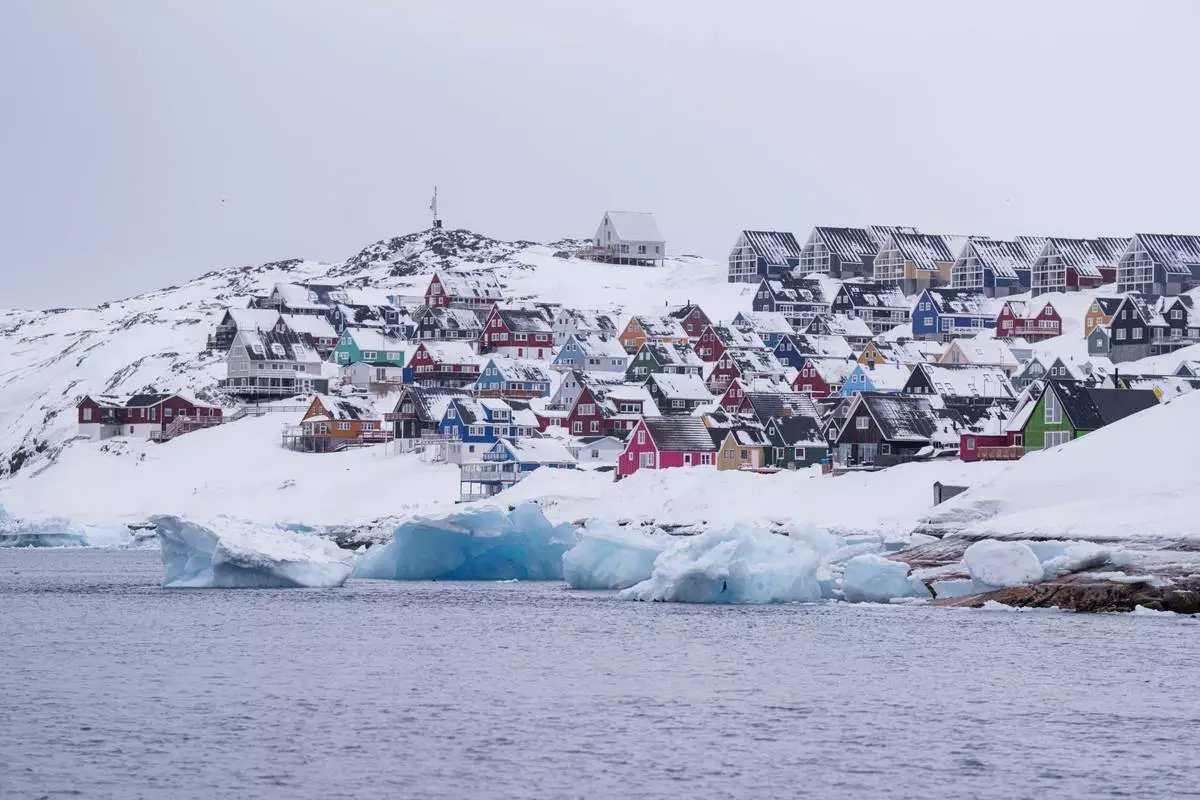
FILE - Coloured houses covered by snow are seen from the sea in Nuuk, Greenland, on March 6, 2025. (AP Photo/Evgeniy Maloletka, File)

FILE - Coloured houses covered by snow are seen from the sea in Nuuk, Greenland, on March 6, 2025. (AP Photo/Evgeniy Maloletka, File)

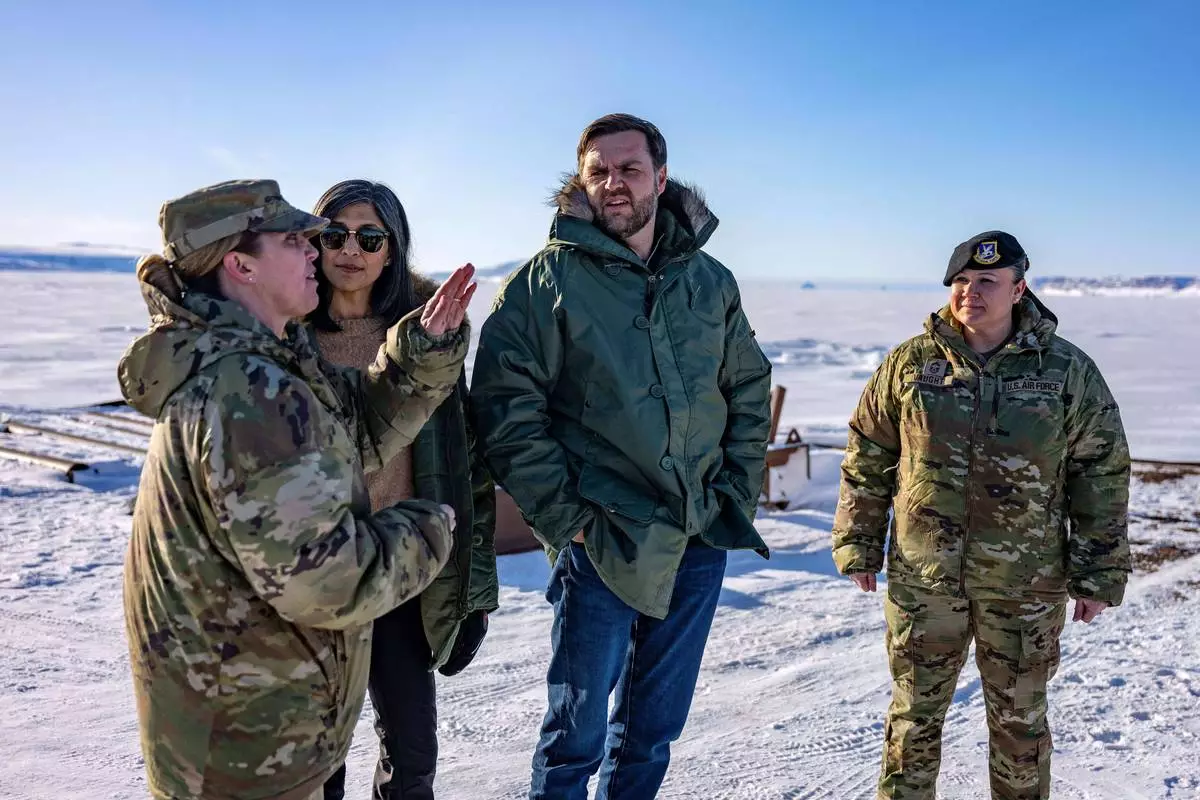
FILE - Vice President JD Vance and second lady Usha Vance tour the U.S. military's Pituffik Space Base in Greenland, March 28, 2025. (Jim Watson/Pool via AP, File)

FILE - Vice President JD Vance and second lady Usha Vance tour the U.S. military's Pituffik Space Base in Greenland, March 28, 2025. (Jim Watson/Pool via AP, File)

Pituffik Space Base is pictured as Vice President JD Vance visits, Friday, March 28, 2025, in Greenland. (Jim Watson/Pool via AP)

Pituffik Space Base is pictured as Vice President JD Vance visits, Friday, March 28, 2025, in Greenland. (Jim Watson/Pool via AP)

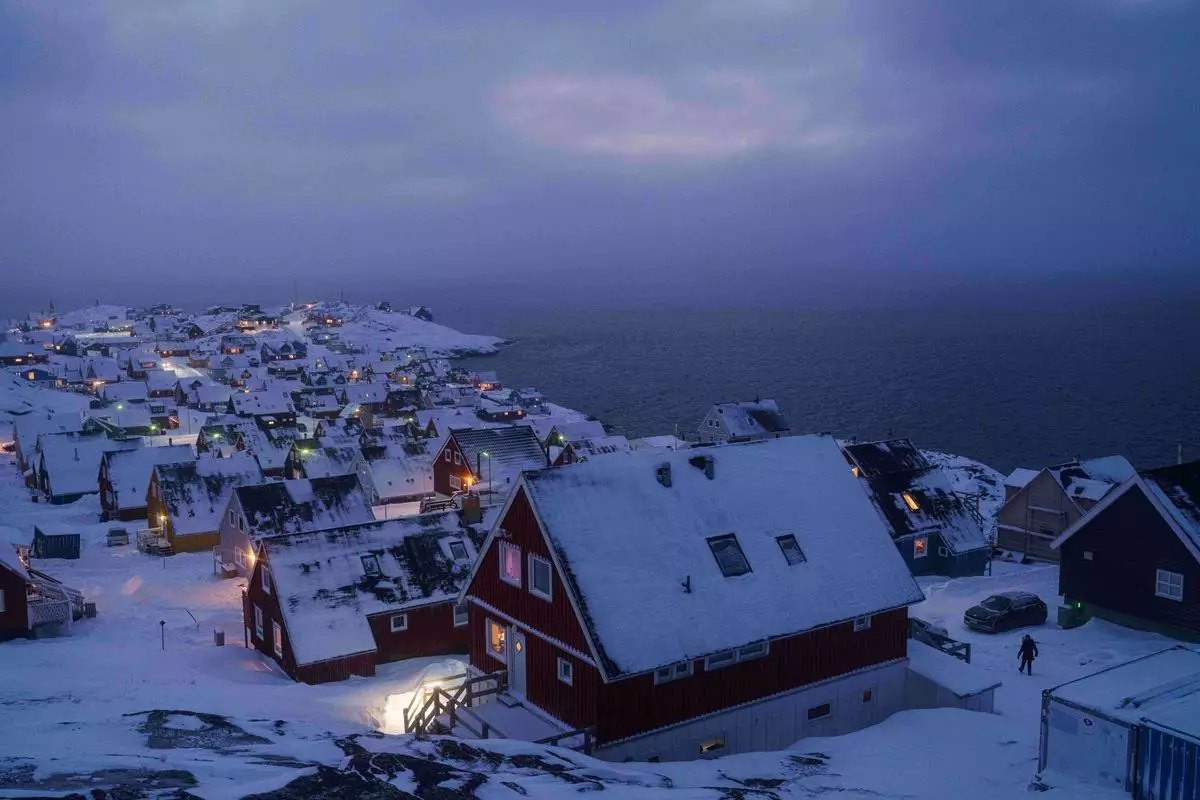
Houses covered by snow are seen on the coast of a sea inlet of Nuuk, Greenland, on Monday, Jan. 12, 2026. (AP Photo/Evgeniy Maloletka)

Houses covered by snow are seen on the coast of a sea inlet of Nuuk, Greenland, on Monday, Jan. 12, 2026. (AP Photo/Evgeniy Maloletka)

Recommended Articles