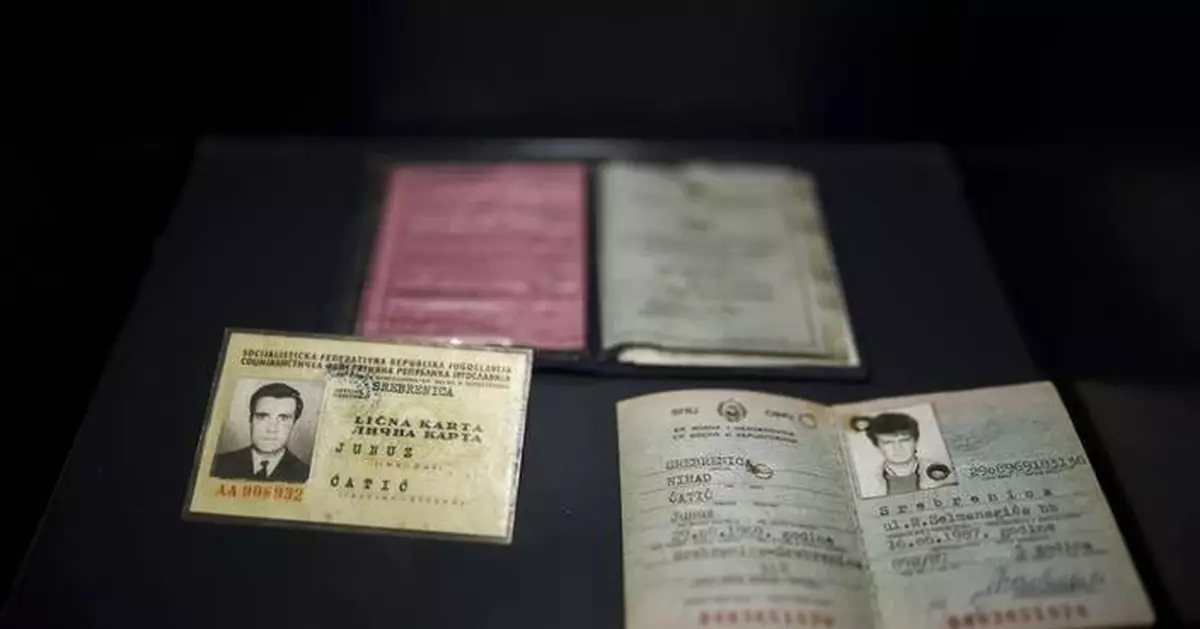
SREBRENICA, Bosnia-Herzegovina (AP) — Broken glasses, watches, combs and crumpled, faded identification documents.
They were among the personal items belonging to the victims of the 1995 massacre in Srebrenica that were displayed at an exhibition on Thursday before the 30th anniversary of Europe's only acknowledged post-World War II genocide.
Click to Gallery
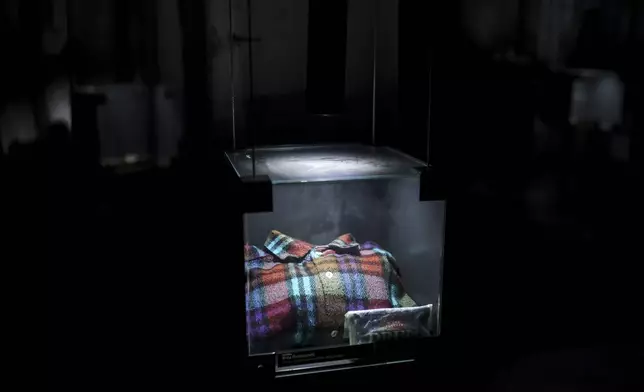
A shirt found in a mass grave is shown as a part of the exhibition "Lives Beyond the Fields of Death" opened at the Srebrenica Memorial Center in Potocari, Bosnia, Thursday, July 10, 2025. (AP Photo/Armin Durgut)
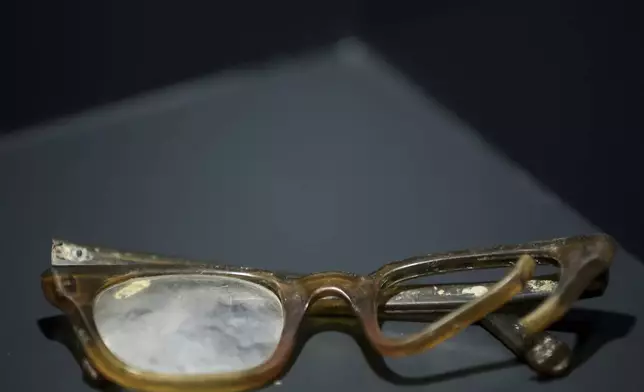
Eyeglasses found in a mass grave are shown as a part of the exhibition "Lives Beyond the Fields of Death" opened at the Srebrenica Memorial Center in Potocari, Bosnia, Thursday, July 10, 2025. (AP Photo/Armin Durgut)
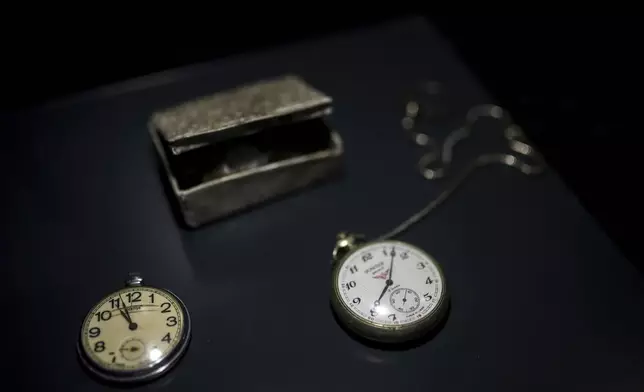
Pocket watches found in a mass grave are shown as a part of the exhibition "Lives Beyond the Fields of Death" opened at the Srebrenica Memorial Center in Potocari, Bosnia, Thursday, July 10, 2025. (AP Photo/Armin Durgut)

Woman watches a video, part of the exhibition "Lives Beyond the Fields of Death" opened at the Srebrenica Memorial Center in Potocari, Bosnia, Thursday, July 10, 2025. (AP Photo/Armin Durgut)
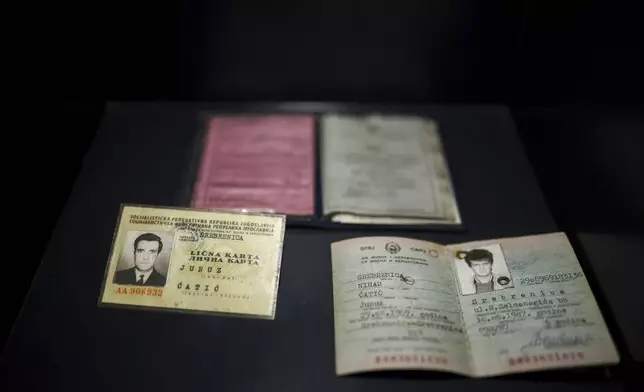
Personal documents found in a mass grave are shown as a part of the exhibition "Lives Beyond the Fields of Death" opened at the Srebrenica Memorial Center in Potocari, Bosnia, Thursday, July 10, 2025. (AP Photo/Armin Durgut)
More than 8,000 Bosniak Muslim men and boys were executed in just several days three decades ago after Bosnian Serb fighters overran the small eastern Bosnian town during the final months of the interethnic war in the Balkan country.
The bodies were dumped in mass graves around Srebrenica and later reburied multiple times to hide evidence of the crimes. Remains of the Srebrenica victims are still being excavated and buried annually on July 11 when the killings started in 1995.
Many of the items shown at the “Lives behind the fields of death” exhibition at the Srebrenica memorial center were found in the mass graves or in the forests around the town.
“It is a unique exhibition in the way that it highlights individual stories, individual lives and it does that by showing artifacts belonging to the victims,” Dutch Ambassador Henk van den Dool told The Associated Press.
The exhibition, he added, is showing that “genocide is not about facts and figures and statistics, but that genocide is about individual people, individual lives, young people, older people, men, women, people with dreams and people with ambitions.”
The exhibition also contains recorded testimonies of the survivors of the Srebrenica massacre — part of a joint project by the regional BIRN investigative network and the memorial center.
The testimonies are “small monuments to lives,” van den Dool said, teaching future generations about what happened in Srebrenica.
Remains of seven more people will be laid to rest on Friday at the cemetery near Srebrenica where fresh graves have already been dug. Last year, the U.N. General Assembly adopted a resolution to commemorate the Srebrenica genocide on the July 11 anniversary.
The conflict in Bosnia left more than 100,000 people killed and millions displaced.
Both Bosnia’s Serbs and neigboring Serbia still refuse to acknowledge that the massacre in Srebrenica was a genocide despite rulings by two U.N. courts. Scores of Bosnian Serb political and military officials have been convicted and sentenced for genocide.
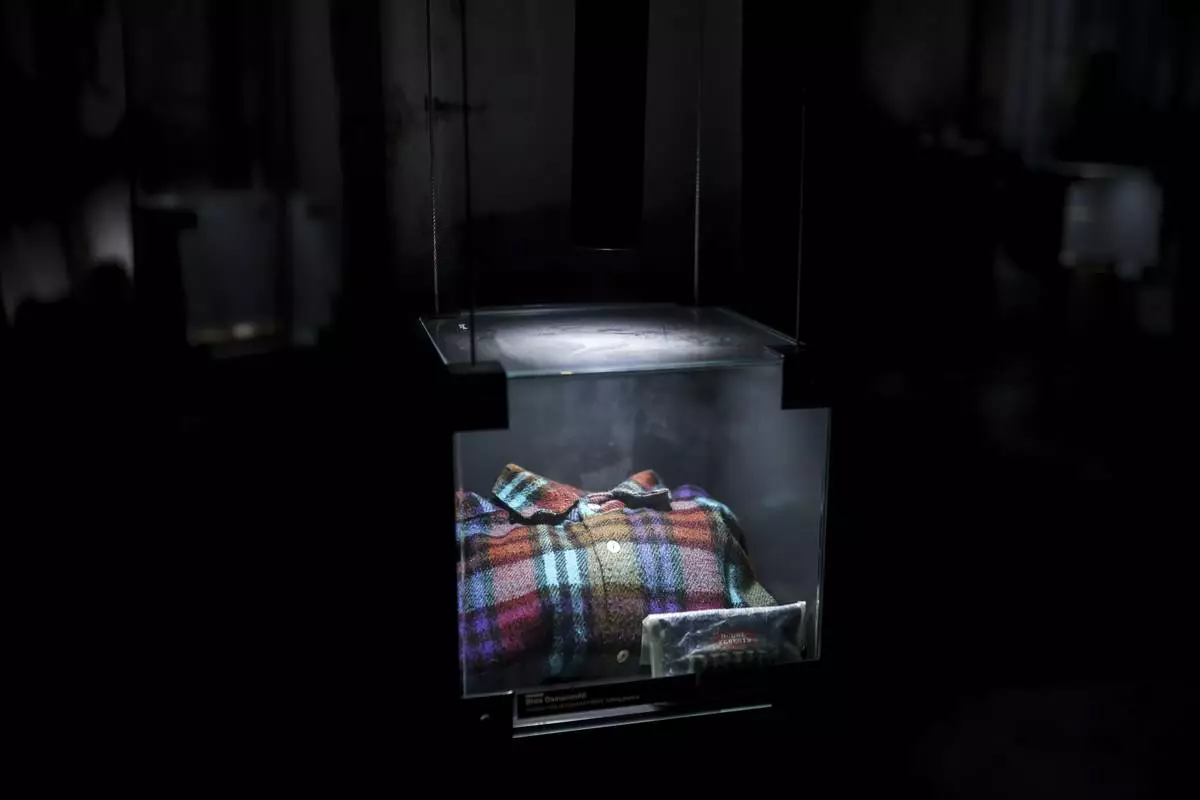
A shirt found in a mass grave is shown as a part of the exhibition "Lives Beyond the Fields of Death" opened at the Srebrenica Memorial Center in Potocari, Bosnia, Thursday, July 10, 2025. (AP Photo/Armin Durgut)
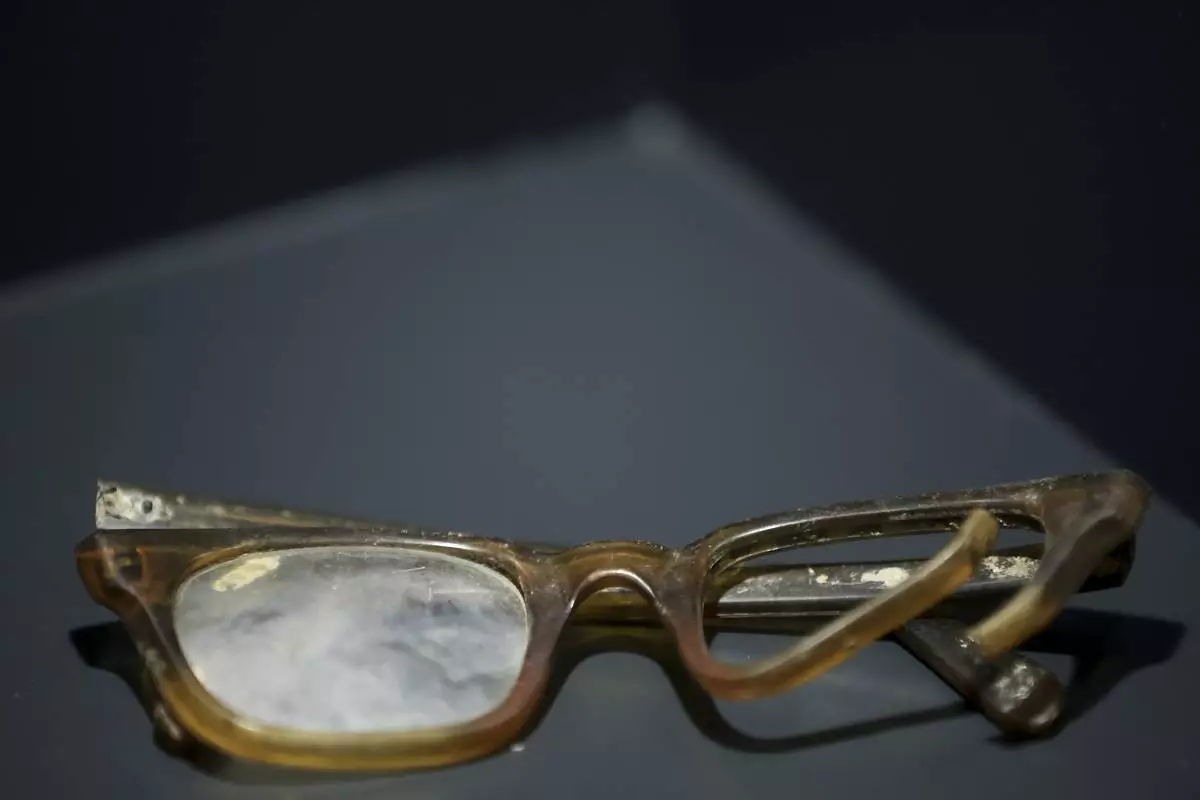
Eyeglasses found in a mass grave are shown as a part of the exhibition "Lives Beyond the Fields of Death" opened at the Srebrenica Memorial Center in Potocari, Bosnia, Thursday, July 10, 2025. (AP Photo/Armin Durgut)
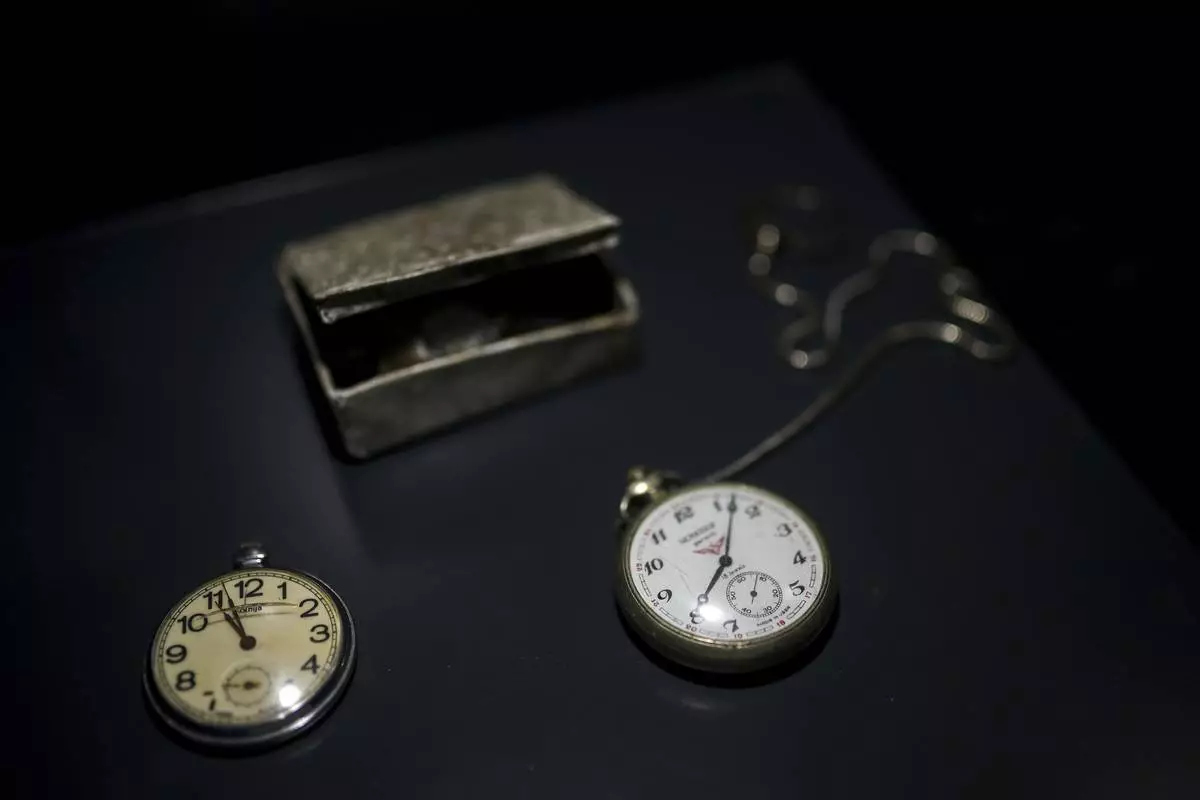
Pocket watches found in a mass grave are shown as a part of the exhibition "Lives Beyond the Fields of Death" opened at the Srebrenica Memorial Center in Potocari, Bosnia, Thursday, July 10, 2025. (AP Photo/Armin Durgut)
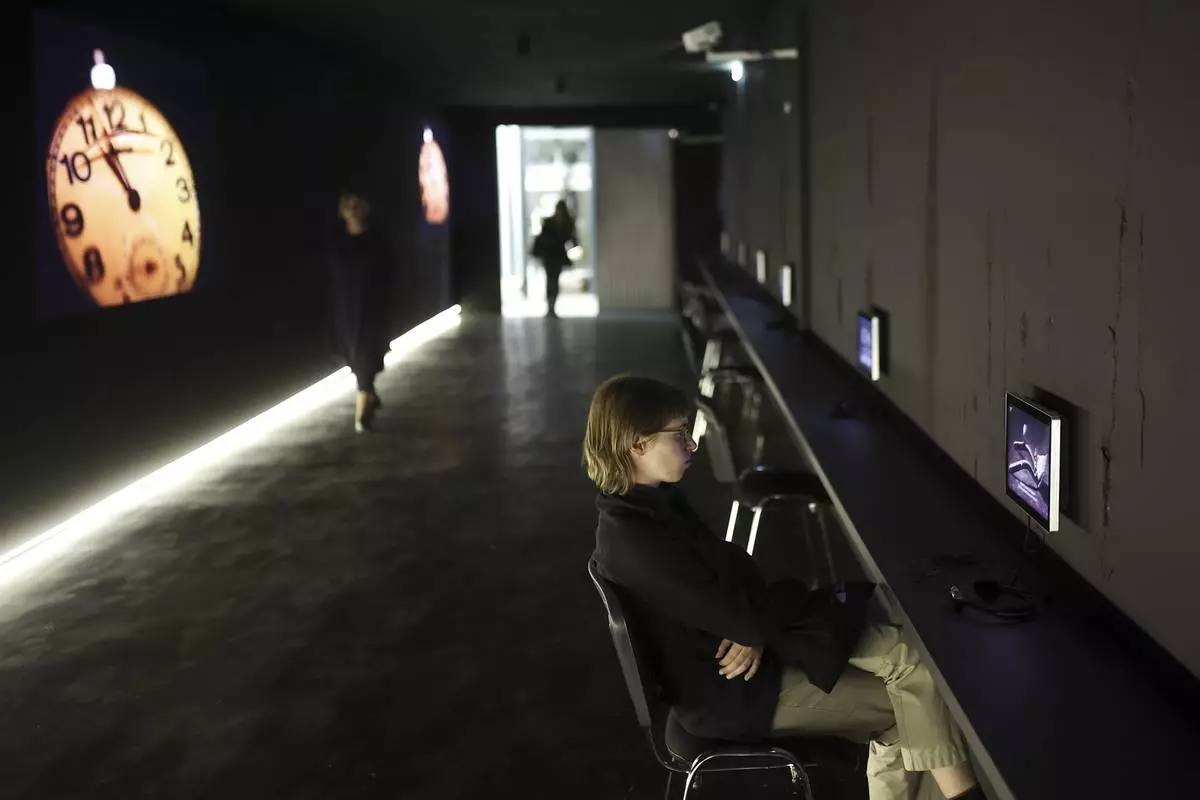
Woman watches a video, part of the exhibition "Lives Beyond the Fields of Death" opened at the Srebrenica Memorial Center in Potocari, Bosnia, Thursday, July 10, 2025. (AP Photo/Armin Durgut)
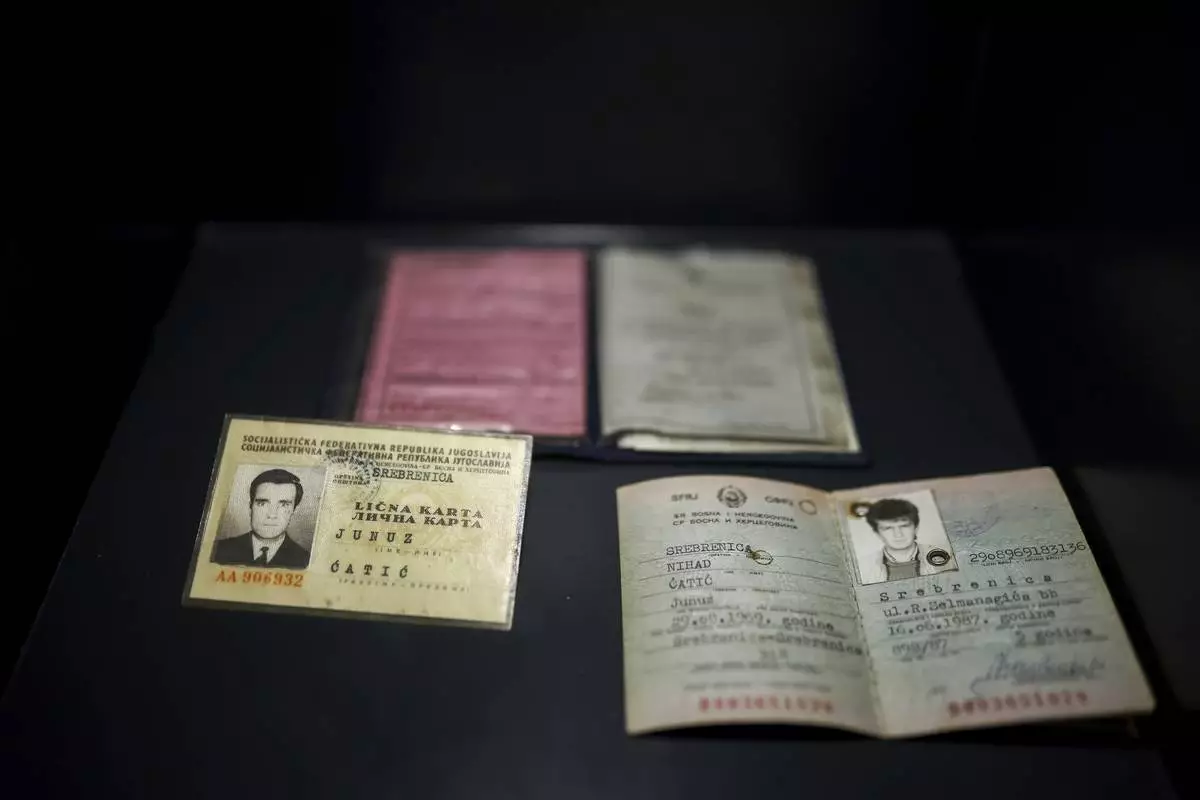
Personal documents found in a mass grave are shown as a part of the exhibition "Lives Beyond the Fields of Death" opened at the Srebrenica Memorial Center in Potocari, Bosnia, Thursday, July 10, 2025. (AP Photo/Armin Durgut)