The U.S. decision to impose tariffs on South African goods is a unilateral act that is bent on weaponizing the U.S. economic power, and the move is meant to coerce South Africa to align with U.S. foreign policy, a South African scholar has said.
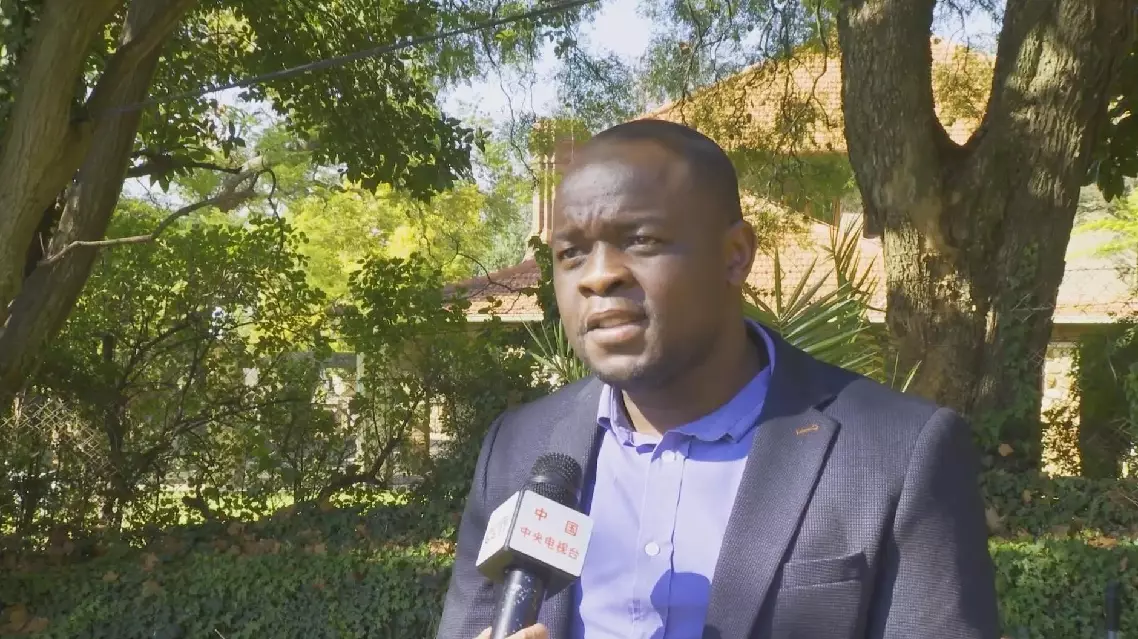
Sizo Nkala, a Postdoctoral Research Fellow at the Centre for Africa-China Studies, University of Johannesburg, made the statement in an interview with China Media Group (CMG).
His comment came after U.S. president Donald Trump announced 30 percent tariffs on all goods produced in South Africa, starting from Aug 1.
Nkala said the tariff decision is politically motivated and aims to pressure South Africa into changing its foreign policy stance.
"These tariffs are political. It's about South Africa's foreign policy choices, and I think the U.S. wants to undermine South Africa's sovereignty and its right to make sovereign choices on the international stage," he said.
Nkala said the U.S. is using tariffs as a tool to weaponize its economic power, and he expressed the hope for South Africa to resist the external pressure.
"It's a unilateral act that is bent on weaponizing U.S. economic power, and also it's meant to coerce South Africa to align with U.S. foreign policy. So I hope South Africa is able to resist this coercion by the U.S.," he said.
South African scholar deplores U.S. tariffs, calling it weaponization of economic power
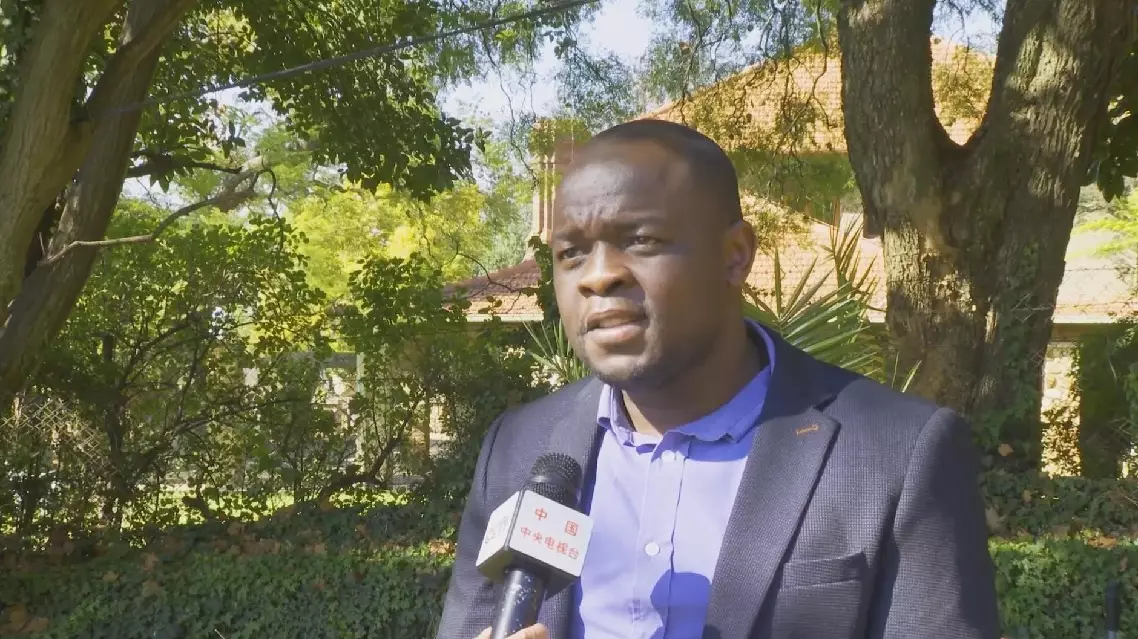
South African scholar deplores U.S. tariffs, calling it weaponization of economic power
Thousands of demonstrators rallied in Italy and Greece on Saturday to protest against U.S. military intervention in Venezuela, with protesters in Rome, Milan and Athens condemning Washington's actions and calling for respect for Venezuelan sovereignty.
In Rome, more than 1,000 demonstrators marched toward the area near the U.S. Embassy, calling on Washington to immediately release Venezuelan President Nicolas Maduro and his wife.
Police blocked roads around the embassy to prevent protesters from approaching the building, but demonstrators continued to denounce U.S. actions.
"First of all, we oppose U.S. imperialist aggression. This kind of behavior is shameful. The U.S. is attacking a sovereign country, and as [U.S. President Donald] Trump himself has said, this is for oil interests," said protester Giovanni Barbera.
Saturday's rally marked the second large-scale protest in Rome this month against U.S. military operations in Venezuela, following an earlier one on on Jan 3.
Participants included members of multiple political parties, labor unions and social organizations. The protesters held banners reading "Stop imperialist interference" and "Free Maduro," urging the international community to respect Venezuela's sovereignty and the will of its people, and condemning the U.S. for violating international law.
"We are protesting the way the U.S. handles international politics. Since the events of January 3, we have seen violations of international law, and we are very concerned about how the global situation is developing," said protester Stefano De Angelis.
Organizers said solidarity rallies in support of Venezuela were held in 30 Italian cities on the same day.
Meanwhile, similar protests were also staged in Greece. About 200 people gathered outside the U.S. Embassy in Athens, voicing support for Venezuela and opposition to U.S. military actions.
"We oppose U.S. imperialism and its attack on Venezuela. At the same time, the U.S. is also threatening Cuba, Mexico and Greenland. We must stand up against this behavior," said Greek protester Argiro Sirmakezi.
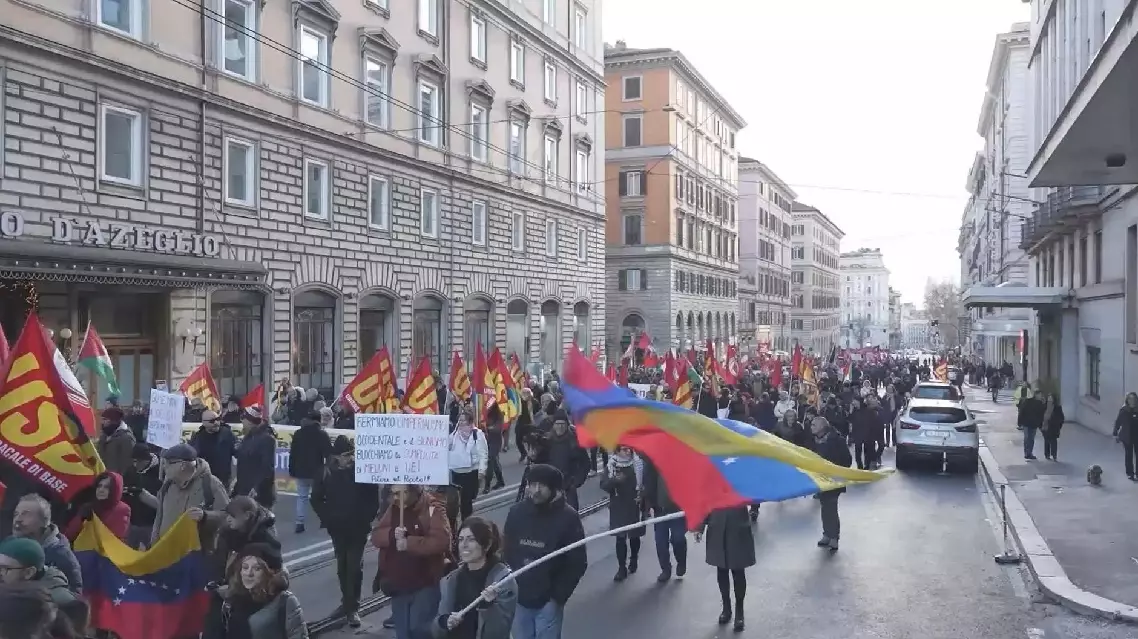
Protesters rally in Italy, Greece against U.S. military operation in Venezuela