Low water levels on the Bulgarian section of the Danube River have been impacting the navigation capacity, attributed to reduced rainfall in the upper and middle reaches of the second longest river in Europe.
According to the executive agency for the study and maintenance of the river, water levels on the Bulgarian section have been about one meter below the normal navigable level since the start of the year, impacting vessel passage.
Since July 2, ferry services between Oryahovo, a port city in northwestern Bulgaria, and Bechet in Romania have been suspended.
Low water level on the lower reaches of the Danube is affected by multiple factors.
Countries in the middle reaches of the Danube, such as Serbia and Hungary, have experienced drought so far this year, leading to reduced inflows into the river compared to previous years. Additionally, decreased snowfall in the Alps has also had an impact.
"Another reason for the low water level this year is the warm winters we've had over the past few years, which led to less snow in the Alps. So when the snow melted in spring, there were not sufficient snow-melt runoffs as usual." said Ivelin Zanev, director of the agency.
Under normal circumstances, the flow rate of the Bulgarian section of the Danube River typically ranges from 8,000 to 12,000 cubic meters per second during the flood season in spring, with peak levels reaching around 16,000 cubic meters per second.
While this year, the peak flow rate was only 8,000 cubic meters per second, and the flow rate in July stands at just 2,000 cubic meters per second, said the agency.
"We'll first check out the riverbed. If we spot any issues that could make navigation tough, we'll use the right tech to clean the channel," said Zanev.
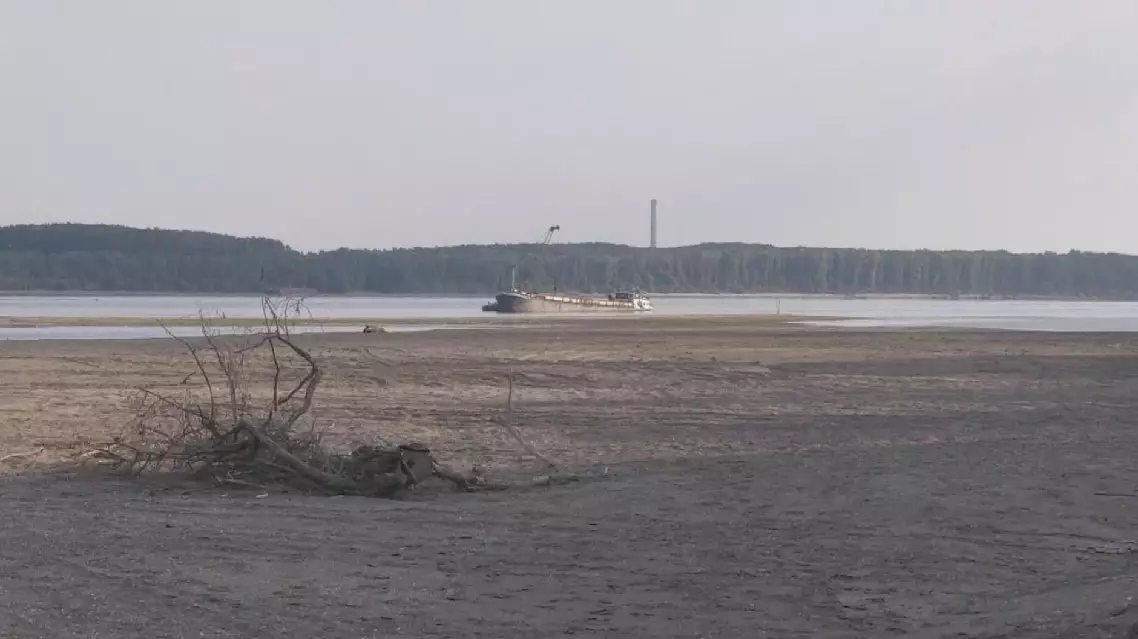
Low water levels on Danube River impacts navigation
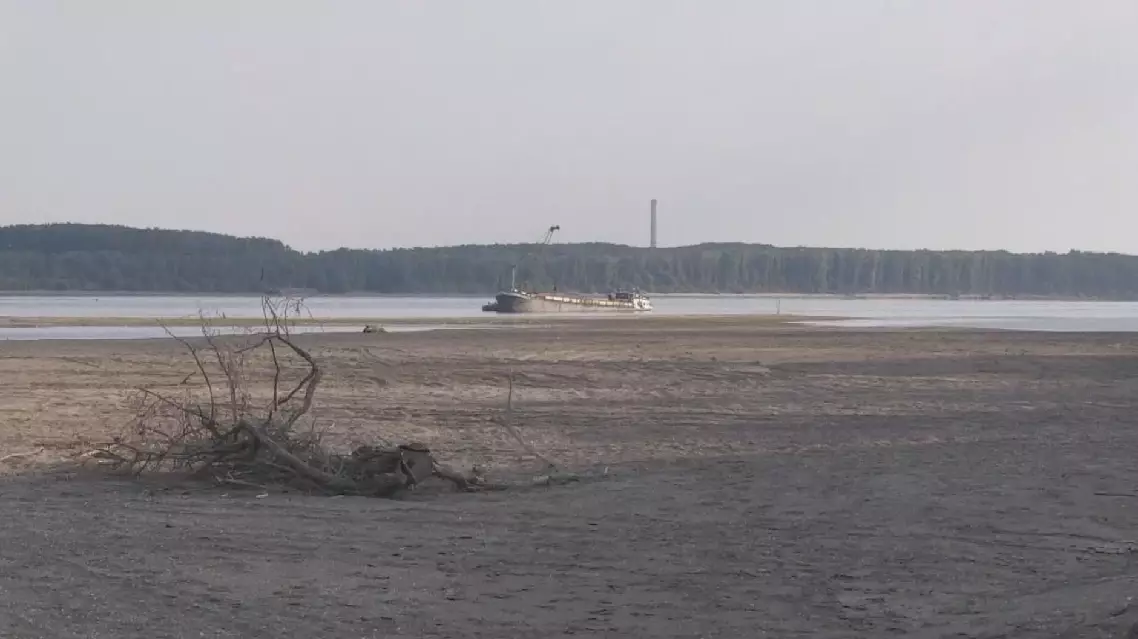
Low water levels on Danube River impacts navigation
John Lee, chief executive of China's Hong Kong Special Administrative Region (HKSAR), announced on Friday that an independent committee will have nine months to investigate the Wang Fuk Court fire that occurred in late November.
The fire, which erupted on November 26 in Tai Po, has claimed 160 lives as of 16:00 Tuesday, with six people still reported missing, according to authorities.
At a press conference, Lee said the committee will be led by Judge David Lok, chairman of the Electoral Affairs Commission, and will also include Legislative Council Finance Committee Chairman Chan Kin-por and outgoing MTR Corporation Chairman Rex Auyeung Pak-kuen.
"Nine months is a very challenging time indeed, but I want to solve the problem as quickly as possible. So I want to give what I regard as a time frame -- realistic -- provided the independent committee is given sufficient means to maneuver, while ensuring the examination is just. They can streamline procedure and be given more flexibility so that they can finish their work within the nine months. And I also have given them a reserve power. That is, if the independent committee considers, by examining all these complicated issues, there may be one which they think, by exercising the powers that is given to a statutory commissioner of inquiry, will help them complete their work, then I'm very willing to consider a recommendation by the independent commission to seek appointing them as the commission of inquiry," Lee said.
Lee noted that the committee's investigation will focus on the causes and circumstances of the fire, and whether systemic issues exist in large-scale building management and renovation projects.
The committee will also examine whether the current regulations and penalties are sufficient in these two areas and will make relevant recommendations. The investigation reports are expected to be made public.
Speaking to reporters on Friday, David Lok stressed the need for fairness and impartiality in the investigation, saying that he would refrain from commenting on the investigation until the committee completes its work.
"During this period, I hope everyone understands that although this is a committee, I am leading this work in my capacity as a judge. Judges must also adhere to certain professional principles, including being fair and impartial. We need to conduct rational analysis based on facts before making any factual judgments or recommendations; we cannot be emotional. Furthermore, we cannot have a pre-established position. In fact, before every judge hears a case, we should ideally start with a blank slate and cannot have a predetermined stance," said Lok.
"So today, if you ask me for my views on certain matters or how we will conduct the investigation, I’m afraid I won't be able to answer as freely as I could when I was at the Electoral Affairs Commission. But I hope all media friends and residents understand that I do not wish to evade questions; it is simply that some questions at this stage are inappropriate for the committee chair to answer. Therefore, during the investigation, I do not expect to speak with you again until our work is completed," he said.
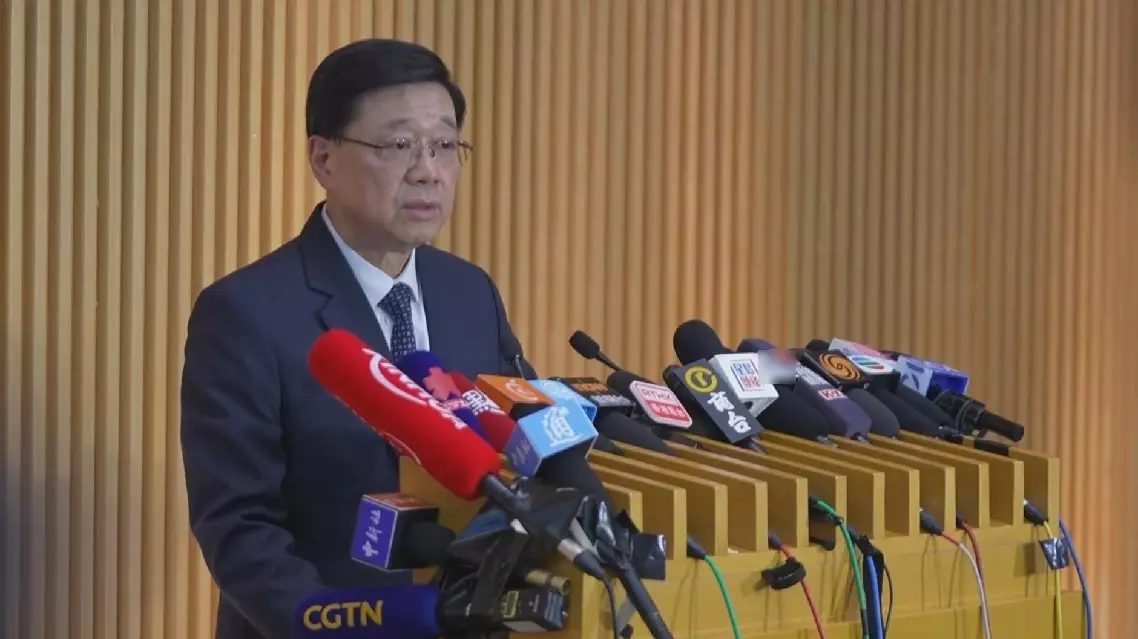
Investigation into Tai Po fire to conclude within nine months: HKSAR chief executive