The world's first smart unmanned aircraft boarding bridge docking system has been put into full operation at the Lanzhou Zhongchuan International Airport in northwest China's Gansu Province, significantly raising the efficiency of docking between the boarding bridge and the passenger aircraft cabin door, according to China International Marine Containers Group (CIMC) on Tuesday.
All 86 boarding bridges at the airport are now remotely operated, eliminating the need for on-site staffing and boosting docking efficiency by 65 percent.
The upgrade marks a new step in China's push toward smarter, more automated airport infrastructure.
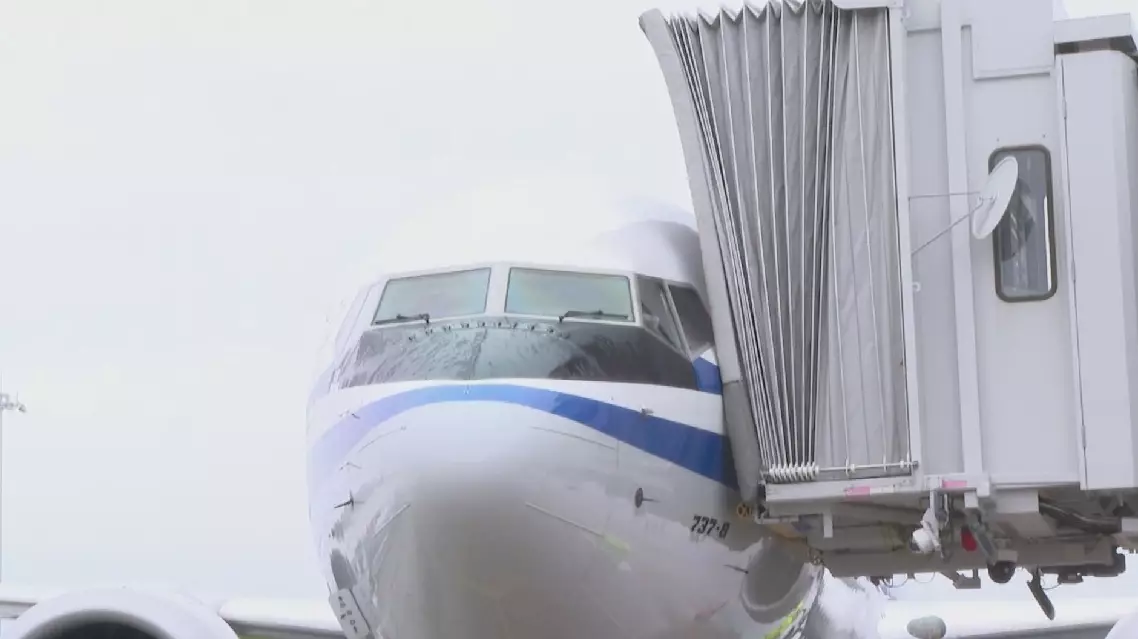
China launches world's first fully autonomous boarding bridge system at domestic airport
The U.S.-Israeli war on Iran is creating the worst energy crisis the world has ever faced, Executive Director of the International Energy Agency (IEA) Fatih Birol said on Tuesday.
Birol said the energy crisis, resulting from shipping disruptions in the Strait of Hormuz coupled with the fuel and natural gas supply issues brought about by the Ukraine crisis, has already had a huge impact globally.
Europe may have only about six weeks of jet fuel remaining if current supply disruptions persist, Birol warned on April 16.
In March, the IEA agreed to release a record 400 million barrels of oil from strategic stockpiles to combat rising oil prices caused by the war in Iran.
Approximately 20 percent of the world's crude oil and liquefied natural gas pass through the Strait of Hormuz during peacetime. Maritime traffic in the Hormuz has been severely disrupted since the U.S-Israeli strikes against Iran started at the end of February, sparking turbulence in global energy markets.
U.S.-Iran war creating worst energy crisis in history: IEA chief