Over 2,000 elite players from across the world are competing fiercely for the record-breaking prizes at the 2025 Esports World Cup (EWC) in Riyadh, capital of Saudi Arabia.
The 2025 EWC opened on Thursday evening with a star-studded opening ceremony. Running until August 24, the event features more than 2,000 elite players, 25 tournaments across 24 leading titles, and a record-breaking prize pool of over 70 million U.S. dollars.
For the first time, the tournament brings together the world's top 200 clubs to compete across multiple game titles in a unique cross-title format.
The grand event features the world's most popular games such as Dota 2, PlayerUnknown's Battlegrounds (PUBG), Valorant, and Chess.
"I wouldn't know where it's the game, at the moment, I think I will be equally poor at everything," said Norwegian chess grandmaster Magnus Carlsen.
At the heart of the competition is the Club Championship, where teams accumulate points across multiple games to become the EWC club champion.
"I think EWC is not just a tournament, it's like a platform. I think [for] the clubs and companies from China, they would have more opportunity for collaboration with others, especially with overseas companies or clubs," said Teri Zhang, senior director of the Esports Business Department of Chinese internet giant Tencent.
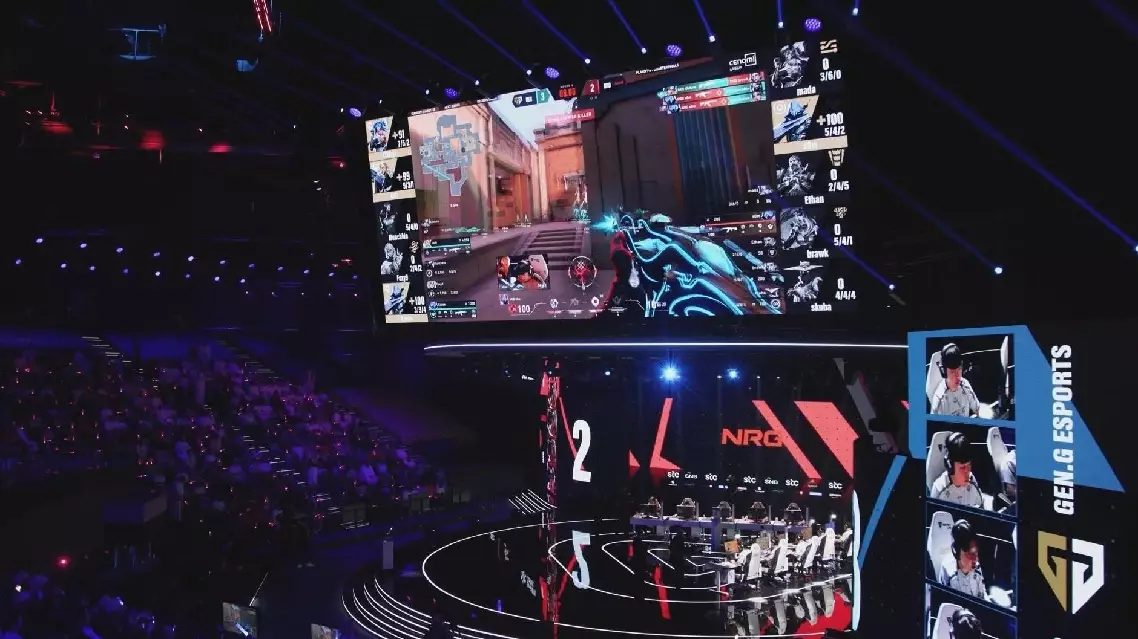
Over 2,000 gamers battle for record-breaking prizes at Riyadh’s Esports World Cup
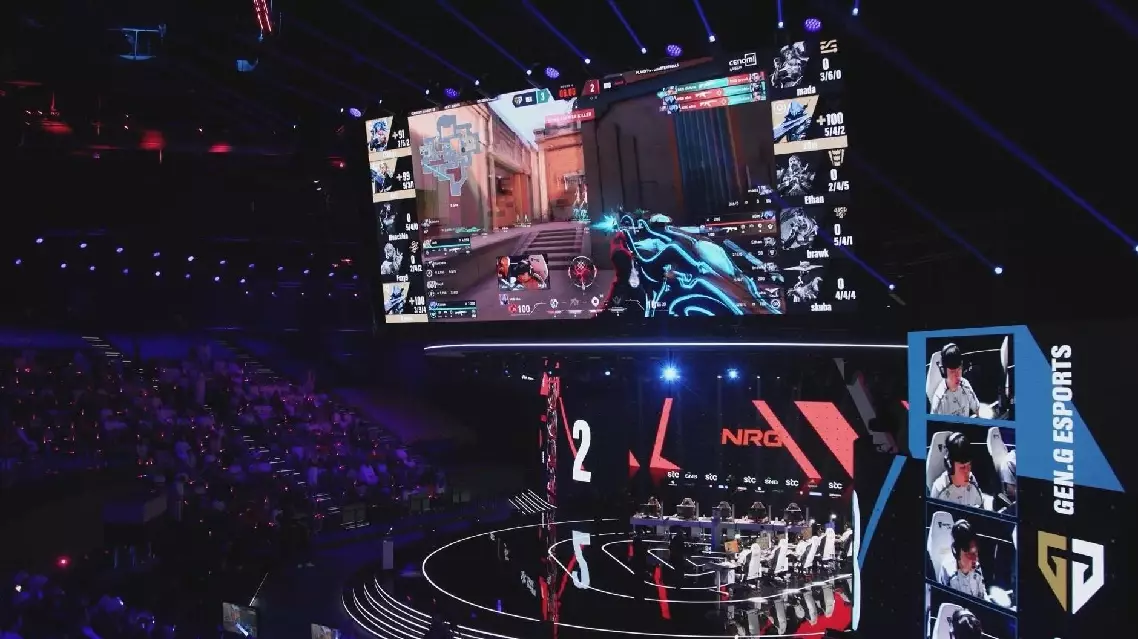
Over 2,000 gamers battle for record-breaking prizes at Riyadh’s Esports World Cup
The 32nd Asia-Pacific Economic Cooperation (APEC) Ministers Responsible for Trade Meeting concluded in east China's Suzhou on Saturday, yielding fruitful results and laying significant groundwork for the APEC Economic Leaders' Meeting in November.
The trade ministers' meeting focused on "building an open and predictable regional and multilateral economic and trade order" and "fostering new engines of innovative and dynamic trade and investment cooperation."
Chinese Commerce Minister Wang Wentao briefed the media on the meeting's outcomes at a press conference.
Wang said the meeting issued a joint statement titled the Suzhou Statement, and approved the latest edition of the APEC Roadmap for Innovative, Competitive and Resilient Services.
All parties agreed to advance policy innovation and reform in services trade, build an open and predictable investment environment, improve regional trade facilitation and supply chain resilience, strengthen standards coordination, and enhance intellectual property protection, Wang told the media.
He also said that substantial progress was made on a framework document for regional digital trade cooperation and the ministers emphasized promoting inclusive AI development, strengthening AI-related trade, and bridging the digital divide to ensure shared benefits from digital transformation.
The minister noted that the outcomes of the meeting demonstrated strong cooperation willingness, highlighted an innovation-oriented approach, and reflected inclusiveness and shared benefits. "The fact that Asia-Pacific economies can come together, uphold the original aspiration of promoting trade and investment liberalization and facilitation while supporting economic growth and prosperity, and engage in in-depth discussions on the important issue of 'where multilateral and regional economic and trade cooperation is headed,' fully demonstrates that open regionalism and true multilateralism enjoy broad support, and that mutual success and shared development serve the fundamental interests of all economies," Wang said.
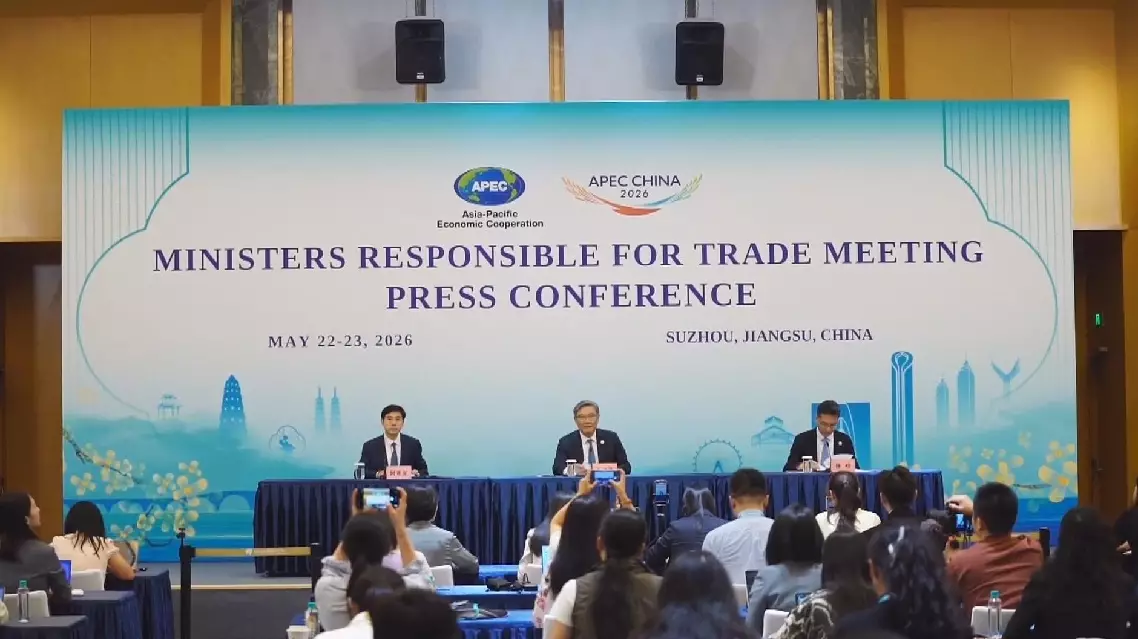
2026 APEC trade ministers' meeting concludes with fruitful results