The average rate on a 30-year U.S. mortgage rose for the second week in a row, another setback for the U.S. housing market, which is mired in a sales slump as affordability constraints shut out prospective homebuyers.
The long-term rate ticked up to 6.75% from 6.72% last week, mortgage buyer Freddie Mac said Thursday. A year ago, the rate averaged 6.77%.
Borrowing costs on 15-year fixed-rate mortgages, popular with homeowners refinancing their home loans, also rose. The average rate increased to 5.92% from 5.86% last week. A year ago, it was 6.05%, Freddie Mac said.
When mortgage rates rise they can add hundreds of dollars a month in costs for borrowers and reduce their purchasing power. That’s helped keep the U.S. housing market in a sales slump that dates back to 2022, when mortgage rates began to climb from the rock-bottom lows they reached during the pandemic.
Last year, sales of previously occupied U.S. homes sank to their lowest level in nearly 30 years. They’ve remained sluggish so far this year, as many prospective homebuyers have been discouraged by elevated mortgage rates and home prices that have continued to climb, albeit more slowly.
Mortgage rates are influenced by several factors, from the Federal Reserve’s interest rate policy decisions to bond market investors’ expectations for the economy and inflation.
The main barometer is the 10-year Treasury yield, which lenders use as a guide to pricing home loans. The yield was at 4.45% at midday Thursday, down from 4.46% late Wednesday.
Yields have largely moved higher this month as traders bet that a better-than-expected June jobs report could keep the Fed on hold when it comes to interest rates.
Bond investors briefly drove longer-term yields higher Wednesday, after President Donald Trump said he had discussed the “concept” of firing the chair of the Federal Reserve but was unlikely to do so.
The president has been calling for Powell to cut interest rates. A less independent Fed could mean lower short-term rates, but it could have the opposite effect on the longer-term bond yields that influence the rates on home loans.
The average rate on a 30-year mortgage has remained relatively close to its high so far this year of just above 7%, set in mid-January. The 30-year rate’s low point this year was in early April when it briefly dipped to 6.62%.
The rise in mortgage rates appears to have discouraged some home shoppers. Mortgage applications fell 10% last week from a week earlier as higher rates and economic uncertainty dampened demand, according to the Mortgage Bankers Association.
Economists generally expect mortgage rates to stay relatively stable in the coming months, with forecasts calling for the average rate on a 30-year mortgage to remain in a range between 6% and 7% this year.
While that would be roughly in line with the historical average rate on a 30-year mortgage, it’s little comfort to many would-be homebuyers after years of soaring home prices.
Consider, the U.S. median household annual income is about $80,000. But with a mortgage rate of 6.75%, a homebuyer would need an annual income of nearly $130,000 to be able to qualify for a loan to buy a median-priced U.S. home, notes Lisa Sturtevant, chief economist at Bright MLS.
Elevated mortgage rates are also discouraging many homeowners who locked in mortgage rates well below where they are now from selling.
The trends point to the U.S. housing market remaining in the doldrums this year.
“What does this mean for the housing market in the second half of 2025? It is likely going to continue to be a slow market," Sturtevant said.
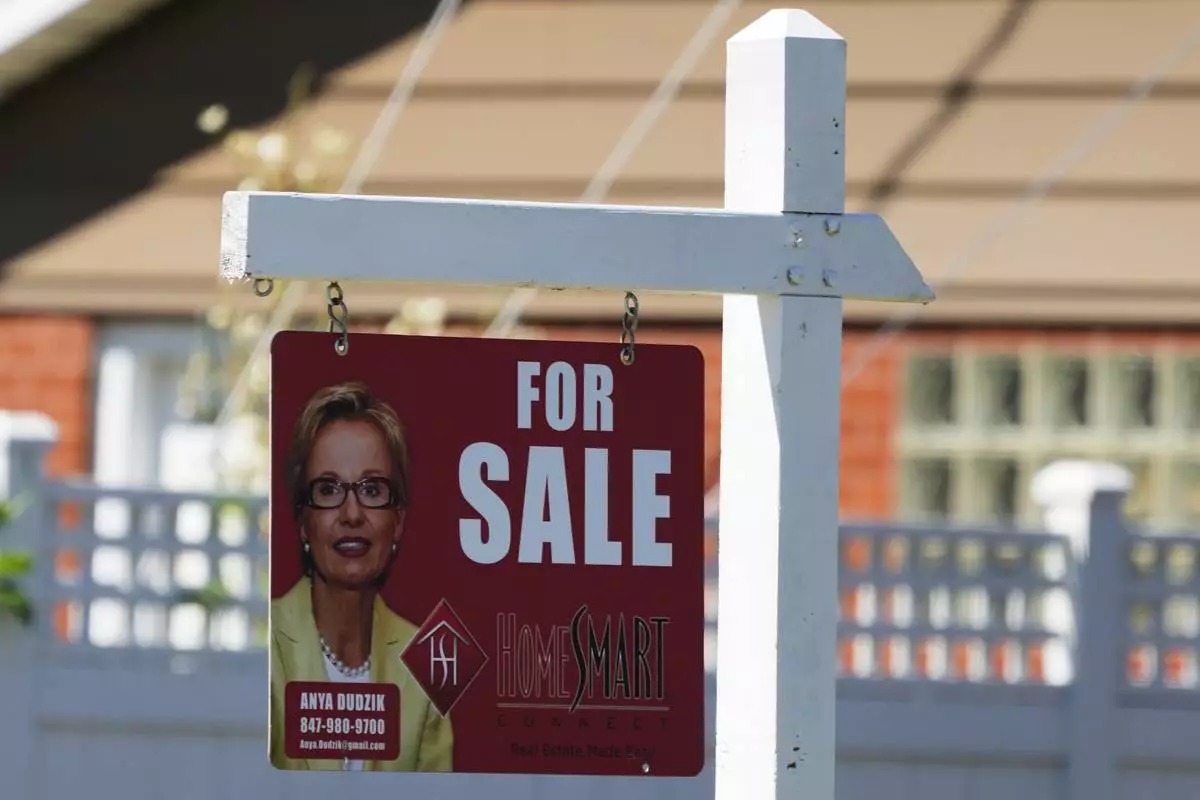
FILE - A for sale sign stands outside a residence in Niles, Ill., July 1, 2024. (AP Photo/Nam Y. Huh, File)